The Ultimate 3-Day Itinerary Castrovillari Calabria: A Journey Through History and Nature
Welcome to the heart of Northern Calabria, where the rugged peaks of the Pollino National Park meet the ancient, winding streets of a town steeped in history. Castrovillari is often overlooked by the masses flocking to the coast, yet it remains the true gateway to the soul of the region. As a travel writer who has spent years traversing these lands, I can assure you that this town offers an authentic, untamed experience that feels worlds away from the tourist traps of the Mediterranean.
This three-day itinerary is designed to immerse you in the culture, gastronomy, and breathtaking landscapes of the Pollino area. From the imposing Norman-Swabian castle that watches over the town to the hidden gorges of the surrounding mountains, Castrovillari serves as the perfect base for an unforgettable Calabrian adventure. Whether you are a history buff, a nature lover, or a culinary explorer, this guide will help you navigate the hidden gems of this fascinating territory.
Giorno 1 — Scopri Castrovillari: morning, afternoon, and evening
Start your first day by soaking in the architectural heritage of Castrovillari. Begin your morning at the Castello Aragonese, a magnificent fortress that dominates the town's skyline. Built under the direction of Ferdinand of Aragon in the 15th century, its imposing towers offer a glimpse into the defensive strategies of the past. Wander through the historic center, known as "Civita," where narrow alleys and stone facades whisper stories of ancient noble families. Don’t miss the Protobasilica di San Giuliano, a testament to the town’s deep religious roots, featuring exquisite wooden altars and baroque artwork that will leave you breathless.
As the afternoon light softens, head towards the local markets and artisan workshops. Castrovillari is famous for its tradition of wood carving and ceramics. Take a slow stroll through the Corso Garibaldi, the town's main artery, where you can observe the local pace of life. If you are visiting during the week, the bustling markets offer a sensory explosion of colors and scents—fresh citrus, local cheeses like Caciocavallo, and the famous "peperoncino" that is the pride of Calabria. It is the perfect opportunity to strike up a conversation with the locals, whose hospitality is as warm as the Mediterranean sun.
When evening falls, the town truly comes alive. The culinary scene in Castrovillari is deeply connected to the land. Seek out a traditional trattoria where you can sample "Lagane e cicciari," a rustic pasta dish with chickpeas that perfectly encapsulates the peasant tradition of the region. Pair your meal with a glass of robust Pollino red wine, produced from the vineyards that blanket the nearby hills. After dinner, join the "passeggiata" (the evening stroll) along the main square, where the sound of laughter and clinking glasses fills the air—a quintessential Calabrian experience that makes you feel like a local.
Giorno 2 — Escursioni nei dintorni: exploring the Pollino and beyond
On your second day, it is time to venture into the wild. Castrovillari is the primary access point for the Pollino National Park, the largest protected area in Italy. Just a short drive away, you can find the Gole del Raganello, a spectacular canyon carved by the Raganello stream. Whether you are an experienced hiker or a casual nature enthusiast, the limestone cliffs and crystal-clear waters create a dramatic backdrop that feels prehistoric. It is a place where nature reigns supreme, and the silence is broken only by the sound of rushing water and the wind whistling through the ancient Bosnian pines.
If you prefer a mix of culture and landscapes, head toward the nearby village of Civita. This is an Arbëreshë village, founded by Albanian refugees in the 15th century. You will immediately notice the difference in architecture, language, and traditions. The "Devil’s Bridge" (Ponte del Diavolo) is a must-see, offering a vertigo-inducing view of the Raganello gorge. Spend your afternoon wandering the streets of Civita, admiring the "kodra" houses—small, colorful dwellings that seem to have faces, a unique artistic tradition linked to the local culture. It is a stark contrast to the medieval stone of Castrovillari and provides a fascinating insight into the diverse ethnic tapestry of Calabria.
As you return to your base in Castrovillari, take the scenic route that winds through the foothills. The sunset over the Pollino massif is nothing short of spectacular, casting long shadows over the terraced olive groves. This is the time to reflect on the diversity of the landscape—from the rugged mountain peaks to the rolling hills that lead toward the Ionian Sea. The beauty of this region lies in its contrasts, and by the end of your second day, you will start to understand why those who visit this corner of the world often find it impossible to leave.
Giorno 3 — Mare, natura o cultura: choosing your adventure
For your final day, you are spoiled for choice. Option one is a trip to the Ionian coast. Within an hour, you can reach the pristine beaches of the Sibari plain. Relax on the golden sands or explore the archaeological site of Sybaris, once one of the wealthiest cities in Magna Graecia. The history of the ancient Greek settlers is palpable here, with ruins that speak of a time when this coast was the center of the Mediterranean world. It is a perfect day for those who want to combine history with a refreshing swim in the turquoise Ionian waters.
Option two is for the nature purists: a deep dive into the Pollino wilderness. Take a guided excursion to see the "Pino Loricato," the symbol of the park. These ancient, twisted trees are living fossils, some of which have stood on these peaks for over a thousand years. It is a spiritual experience to stand in the presence of such ancient giants. Whether you choose to trek to the summit of Serra Dolcedorme or explore the high-altitude meadows, you will find a sense of peace that is increasingly rare in our modern world. It is the ultimate escape for those looking to reconnect with the earth.
Option three is a cultural deep dive into the nearby towns of the Crati Valley. Visit Spezzano Albanese or San Demetrio Corone to further explore the Arbëreshë culture, or head to the city of Cosenza to see the blend of medieval and modern art in the MAB (Museo all'Aperto Bilotti). This open-air museum features sculptures by masters like Dalí and De Chirico scattered throughout the city streets. Whichever path you choose, your final day will be a testament to the richness of the Calabrian hinterland—a place where every turn in the road reveals a new treasure waiting to be discovered.
Dove mangiare durante l'itinerario
Eating in Castrovillari is a journey through time. For a classic experience, visit "La Locanda di Filumena," where the focus is on seasonal, farm-to-table ingredients. Expect to pay around 30-40 euros for a full, satisfying meal. Don't miss their handmade fusilli with ragù or the local sausages seasoned with wild fennel. For a more casual lunch, look for small delis (gastronomie) in the center, where you can pick up a panino filled with local cured meats, such as Soppressata, and aged goat cheese.
If you find yourself in Civita, "Agriturismo Il Nibbio" is an essential stop. It is not just a restaurant; it is a cultural project that celebrates local biodiversity. The budget is very accessible, usually around 25 euros per person, and the food is strictly sourced from local farmers. The "Drita" (a local specialty) is a must-try. Remember that in these parts, dinner is a slow affair—take your time, enjoy the wine, and don't rush the process. The hospitality here is genuine, and often, the chef will come out to explain the history behind the ingredients on your plate.
Dove dormire
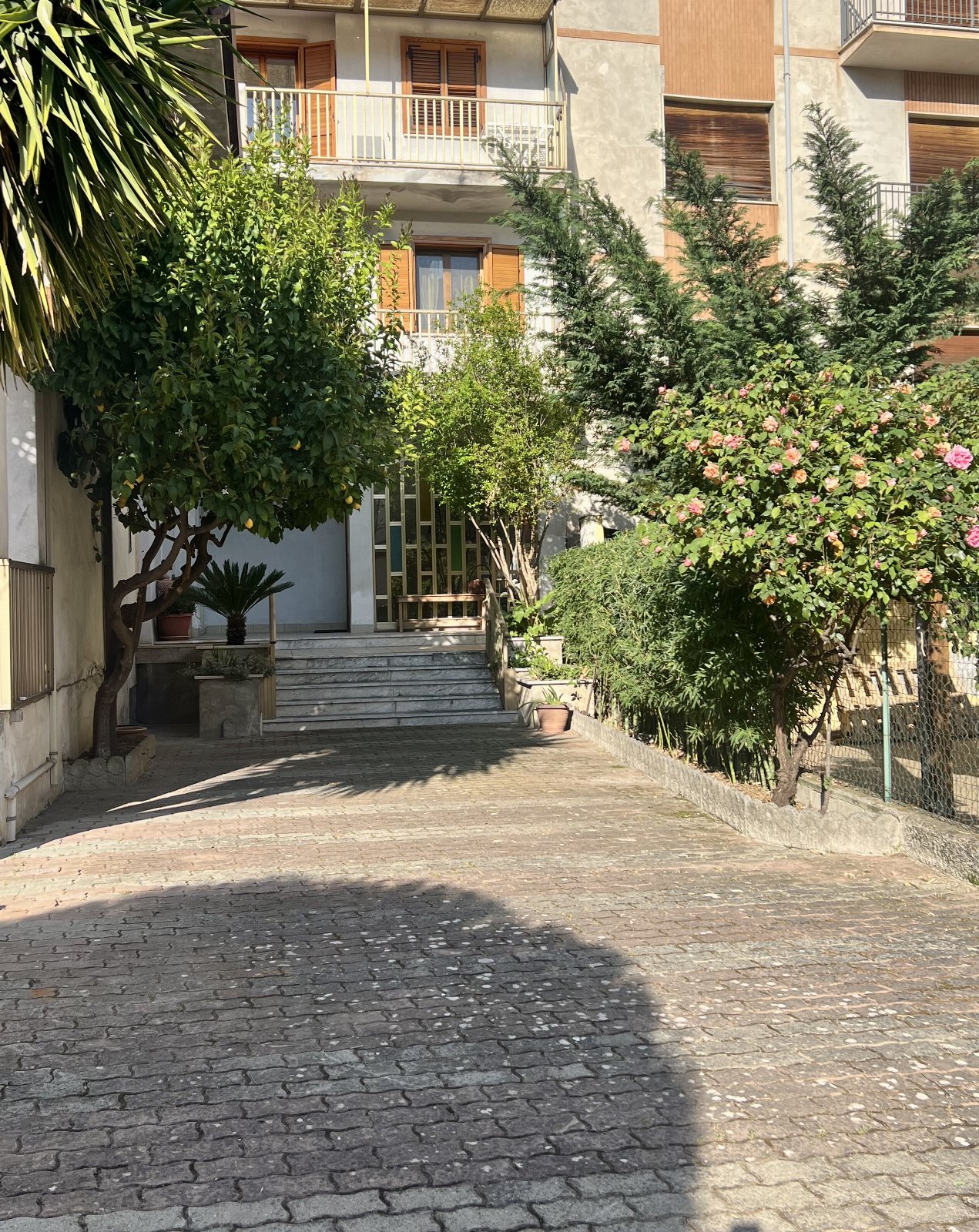
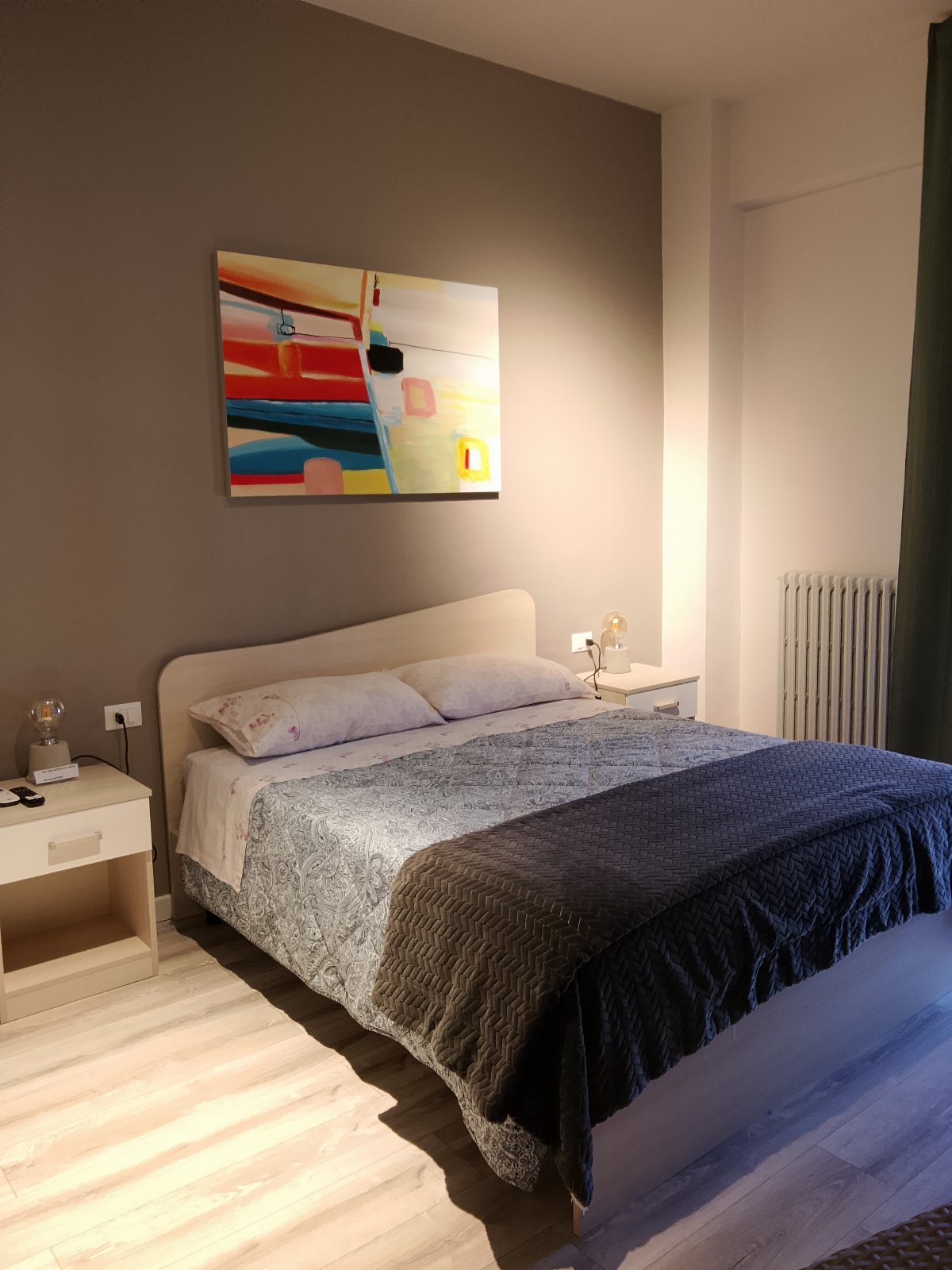
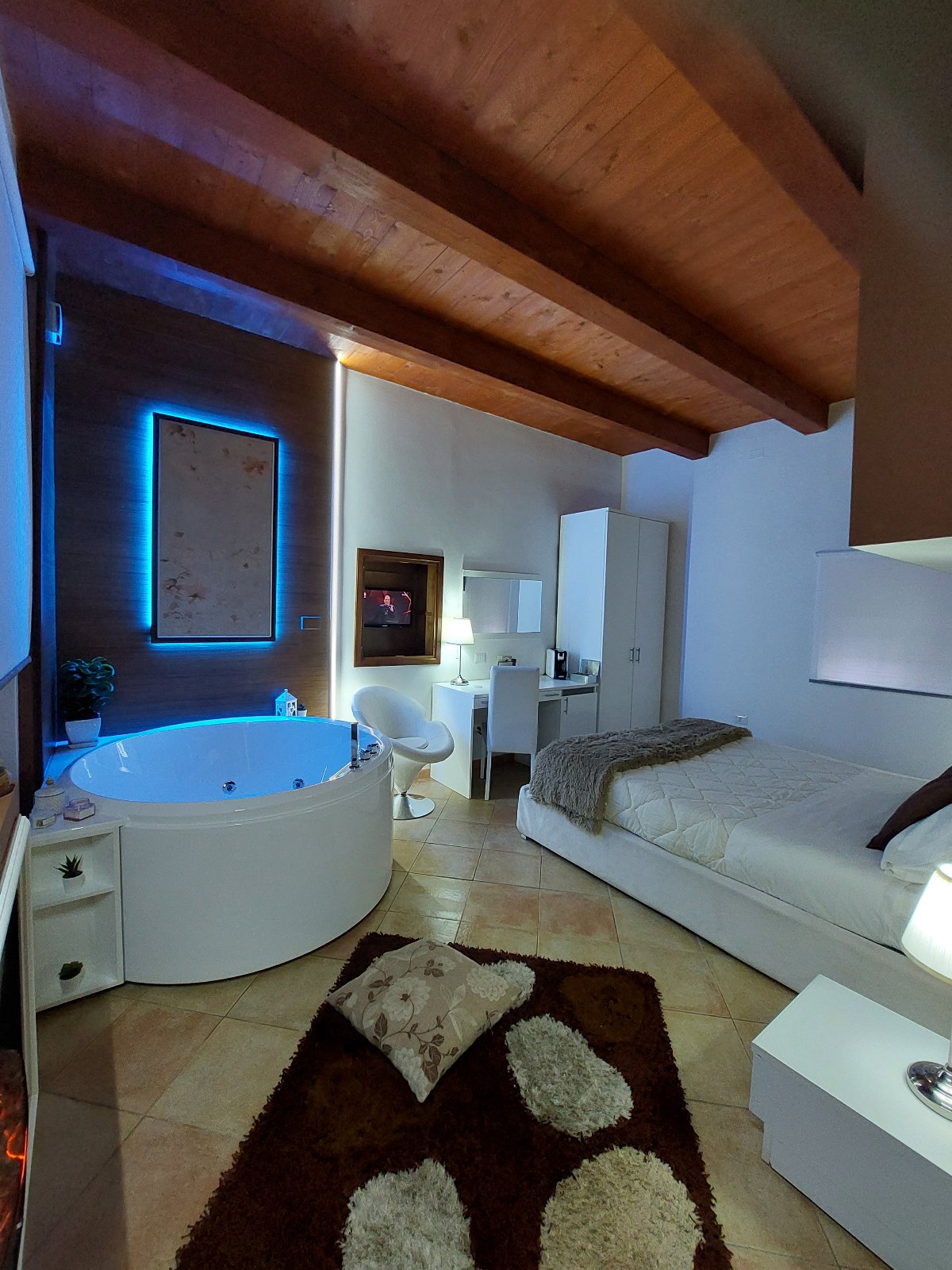
Choosing where to stay is vital for an authentic experience. Staying in the historic center allows you to be within walking distance of all the main attractions and the evening social life. A Castrovillari sono disponibili 2 alloggi selezionati. Scopri gli alloggi a Castrovillari. These accommodations provide the perfect blend of traditional Calabrian charm and modern comfort, ensuring you are well-rested for your daily explorations. Staying locally also supports the small-scale tourism economy, which is essential for preserving the historic character of the town.
Come arrivare e muoversi
The most convenient way to reach Castrovillari is by car. If you are flying into Lamezia Terme (the main airport in Calabria), it is about a 90-minute drive via the A2 Autostrada del Mediterraneo. The highway is well-maintained and offers stunning views of the Apennines. If you prefer to travel by train, the nearest major station is Sibari, from where you can take a local bus or a taxi to reach the town. However, once you are in the region, having a car is highly recommended as public transport to the more remote mountain areas of the Pollino is limited.
Budget e consigli pratici
Calabria remains one of the most affordable regions in Italy. A daily budget of 70-100 euros per person (including accommodation, meals, and activities) is more than enough to live comfortably. When shopping for souvenirs, look for locally produced olive oil, dried oregano, or the famous "peperoncino" products. These make excellent gifts and are a true taste of the south to take home. For practical navigation, I recommend downloading the "Google Maps" app for offline use, as cell service can be spotty in the deep mountain gorges, and "Windy" for checking mountain weather conditions before heading out on a hike.