The Ultimate 3-Day Itinerary Bova Calabria: A Journey into the Grecanic Area
Welcome to the deep south of Italy, a place where ancient Greek echoes still linger in the mountain breeze and time seems to have stopped centuries ago. Perched at 820 meters above sea level within the rugged beauty of the Aspromonte National Park, Bova is the undisputed cultural capital of the Bovesia, the Grecanic area of Calabria. This fascinating village, officially recognized as one of the most beautiful villages in Italy (I Borghi più belli d'Italia), offers a unique blend of breathtaking panoramas, ancient traditions, and mouth-watering gastronomy.
Planning a trip to this remote corner of the Mediterranean means immersing yourself in a landscape where the mountains plunge dramatically into the crystal-clear waters of the Ionian Sea. Whether you are a history buff, a nature enthusiast, or a foodie searching for authentic flavors, this carefully crafted itinerary will guide you through the very best of the region. By choosing one of the excellent accommodations in Bova, you will have the perfect base camp to explore the enchanting surroundings over three unforgettable days.
Get ready to discover winding cobblestone alleys, ghost towns carved into sandstone, and pristine beaches. This three-day journey will take you off the beaten path, allowing you to experience the authentic soul of Calabria, far away from the crowded tourist hotspots.
Day 1 — Discover Bova: Morning, Afternoon, and Evening
Your first morning begins with a deep dive into the historical heart of Bova. Start your day by climbing up to the ruins of the Norman Castle, which dominates the village from its highest peak. The short but steep walk is incredibly rewarding: from the top, you can enjoy a spectacular 360-degree panoramic view that sweeps across the Aspromonte mountains, the Amendolea river valley, and all the way down to the sparkling Ionian Sea, with the majestic silhouette of Mount Etna often visible on the Sicilian horizon. After descending, visit the Cathedral of San Leo (Sanctuary of Bova), which houses beautiful statues and relics, and wander through the vineddi, the narrow, winding alleys that define the village's medieval layout.
In the afternoon, immerse yourself in the unique cultural heritage of the area by visiting the Gerhard Rohlfs Museum of the Greco-Calabrian Language. This fascinating museum is dedicated to the German linguist who spent years studying the ancient Greek dialect still spoken by the elders in this region. The exhibits provide a profound understanding of the local agricultural traditions, folklore, and the linguistic island that survived the fall of the Byzantine Empire. Afterward, take a leisurely stroll along the Path of the Palmenti, where you can observe ancient stone basins once used by locals to crush grapes for wine production, perfectly preserved in the rocky landscape.
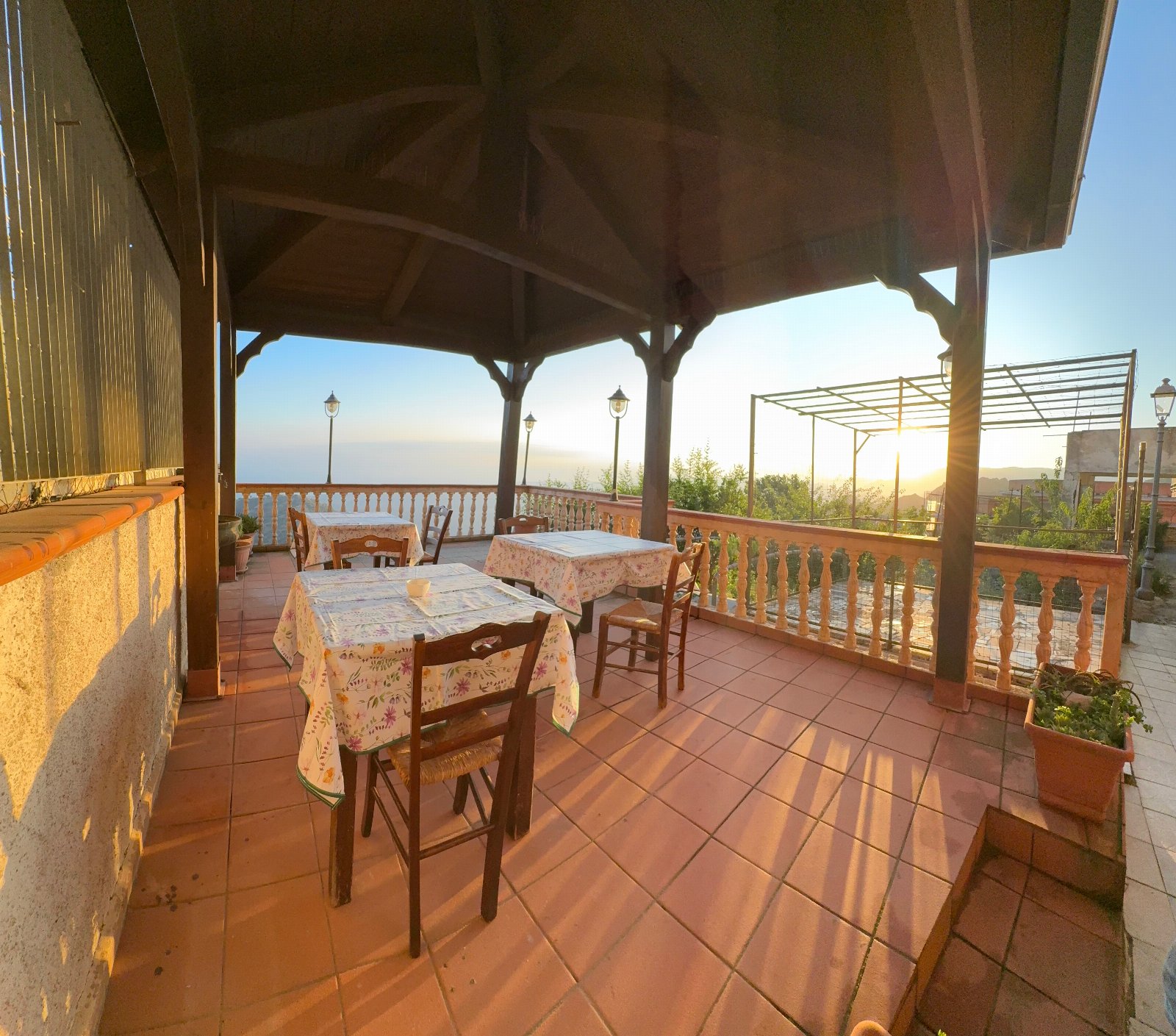
As evening approaches, the village of Bova transforms into a quiet, romantic haven. The sunset paints the ancient stone houses in hues of gold and pink. This is the perfect time to settle into a traditional local trattoria for your first Calabrian dinner. Expect a warm, family-like atmosphere where the owners will proudly serve you dishes made from zero-kilometer ingredients. After a hearty meal, enjoy a peaceful evening walk through the illuminated historic center, breathing in the crisp, clean mountain air before returning to your cozy room.
Day 2 — Excursions in the Surroundings: Ghost Towns and Mountain Landscapes
On your second day, it is time to venture beyond Bova and explore the mythical landscapes of the Grecanic area. Your main destination for the morning is Pentedattilo, one of the most fascinating ghost towns in all of Europe. Located about a 40-minute drive from Bova, this abandoned village is dramatically nestled within the crevices of a massive sandstone rock shaped like a five-fingered hand (hence the Greek name Penta Daktylos). Walking through its deserted, prickly-pear-lined streets feels like stepping onto a movie set. Today, some of the old stone houses have been beautifully restored to host small artisan workshops, where you can buy handmade ceramics and glass art.
In the afternoon, drive towards the Amendolea river valley, a rugged and wild landscape that characterizes the lower Aspromonte. The riverbed, often dry and glowing white in the summer months, is framed by steep cliffs and fragrant Mediterranean scrub. Stop by the village of Condofuri and hike up to the ruins of the Ruffo Castle of Amendolea. The fortress, though in ruins, stands as a silent sentinel over the valley and offers another incredible vantage point for photography enthusiasts. The sheer silence and the vastness of the natural amphitheater here are truly awe-inspiring.
As the sun begins to set, make your way back towards the hills. You might choose to stop at a local agriturismo along the winding roads for an early evening aperitivo featuring local cheeses and cured meats. The drive back up the SP24 road to Bova is particularly magical at dusk, as the coastal lights begin to twinkle below and the mountain roads empty out, leaving you alone with the spectacular Calabrian wilderness.
Day 3 — Sea, Nature, or Culture: Choose Your Calabrian Adventure
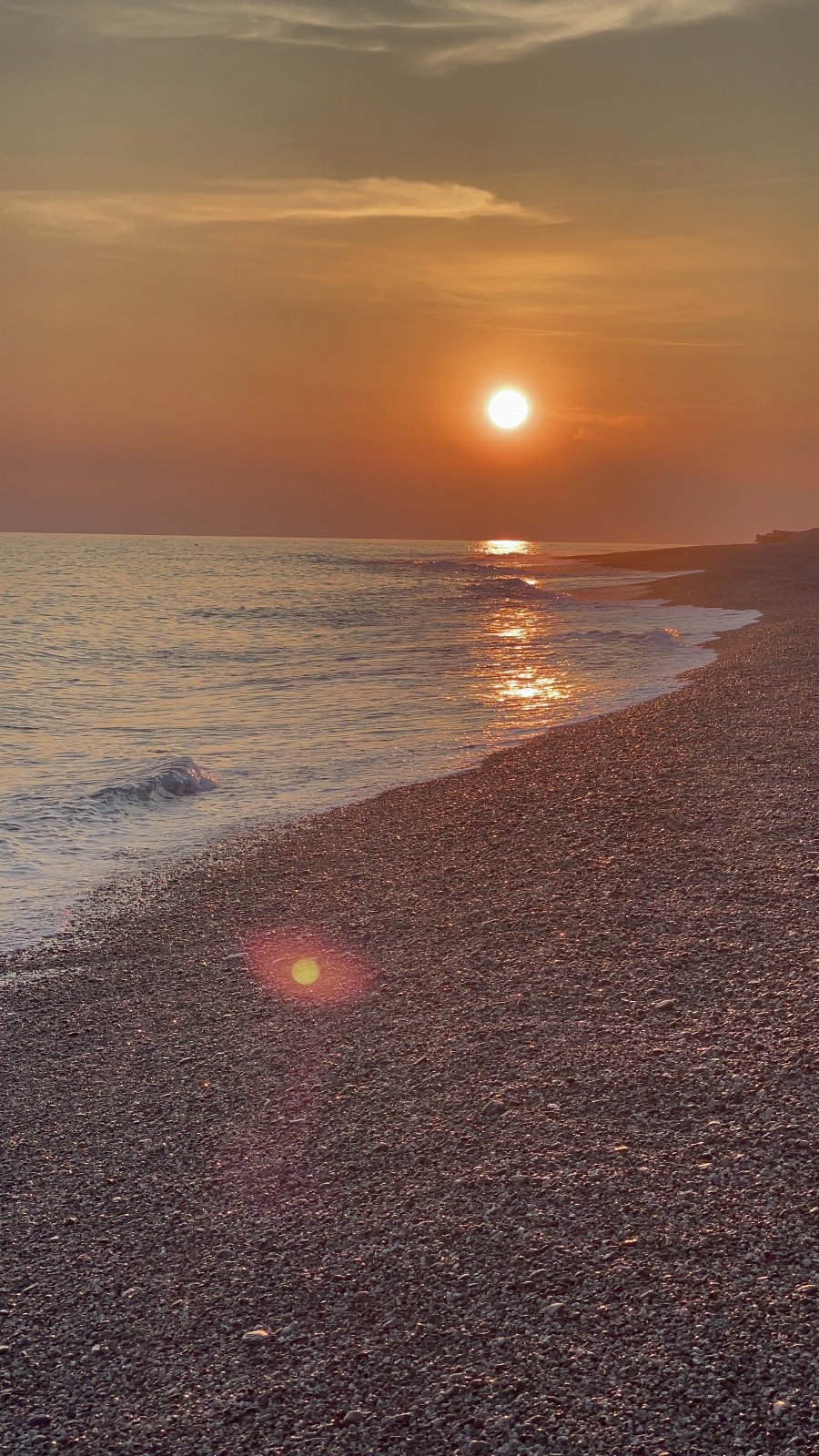
For your final day, the itinerary offers three distinct alternatives, allowing you to tailor the experience to your personal travel style. If you are craving the sun and the sea, head straight down the mountain to Bova Marina. The Ionian coast here boasts wide, uncrowded beaches with pebbles and coarse sand, lapped by incredibly clear, deep blue waters. Spend the day relaxing under the Mediterranean sun, and do not miss the chance to visit the Archeoderi Archaeological Park right on the coast, which houses the fascinating ruins of one of the oldest Jewish synagogues discovered in Europe, dating back to the 4th century AD.
If you prefer to stay active and explore the wilderness, dedicate your day to trekking in the Aspromonte National Park. The park is a paradise for hikers, offering trails of varying difficulty. A highly recommended route is the hike to the Cascate del Maesano (Maesano Waterfalls). This trail takes you through dense forests of pine and beech trees, culminating in a spectacular three-tiered waterfall plunging into pristine mountain pools. The air is incredibly fresh, and the flora and fauna are highly diverse, offering a stark and beautiful contrast to the arid coastal landscapes.
Alternatively, if you are a lover of art and history, take a day trip to the vibrant city of Reggio Calabria, located about an hour's drive away. The absolute highlight here is the National Archaeological Museum, home to the world-famous Riace Bronzes—two magnificent, perfectly preserved ancient Greek warrior statues recovered from the sea. After marveling at the bronzes, take a stroll along the Falcomatà Promenade, famously described by poet Gabriele D'Annunzio as "the most beautiful kilometer in Italy," and enjoy a delicious artisanal gelato while looking across the Strait of Messina at Sicily.
Where to Eat During the Itinerary: Calabrian Flavors and Local Specialties
Calabrian cuisine is robust, flavorful, and deeply rooted in the peasant traditions of the land, and the Bovesia area is no exception. A staple of the local diet is goat meat (carne di capra), which is traditionally slow-cooked in a rich tomato sauce. This savory sauce is then used to dress maccheroni al ferretto, a type of handmade pasta rolled around a knitting needle or a thin wire. Another must-try street food or appetizer is the Lestopitta, a thin, unleavened bread made only of flour and water, fried in hot oil, and eaten piping hot, often stuffed with local capicollo, pecorino cheese, or sun-dried tomatoes.
When dining in and around Bova, you will find several excellent family-run trattorias and agriturismos. These establishments pride themselves on serving authentic, generous portions. A typical three-course meal, inclusive of house wine and water, is very budget-friendly, generally ranging between 25 and 35 euros per person. Do not forget to end your meal with a glass of local amaro or a dessert flavored with Bergamot, the rare "green gold" citrus fruit that grows exclusively along this specific stretch of the Ionian coast.
To accompany your meals, you must try the local wines. The nearby town of Palizzi is famous for its robust, high-alcohol red wine, the Palizzi IGT. This dark, full-bodied wine pairs perfectly with the strong flavors of goat meat and aged caciocavallo cheese. Sharing a jug of local wine with the welcoming restaurant owners is a quintessential part of the Calabrian hospitality experience.
Where to Sleep: Experiencing the Authentic Charm of Bova
Choosing to base yourself in Bova rather than on the coast is a decision you will not regret. Staying in this elevated medieval village allows you to escape the intense summer heat of the coastline, offering cool, breezy evenings that guarantee a perfect night's sleep. Furthermore, waking up to the sound of church bells and stepping out into the quiet, historical alleys provides an authentic, immersive experience that modern coastal resorts simply cannot match.
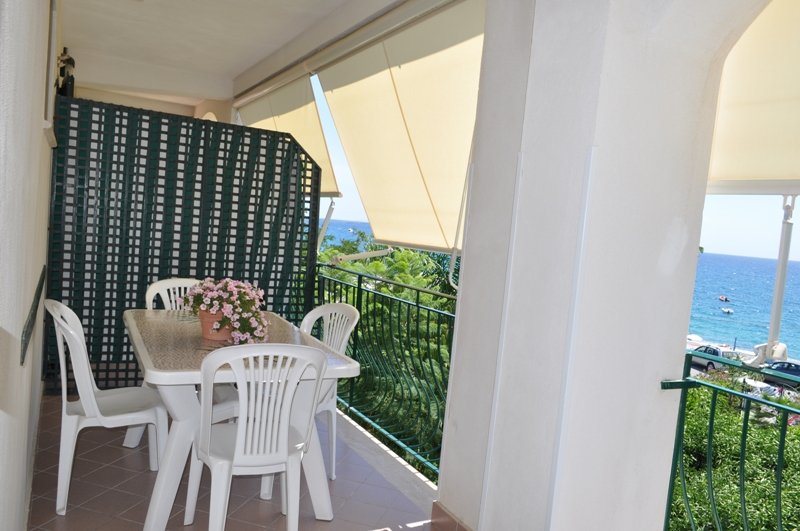
The hospitality in Bova is intimate and welcoming, with several beautifully restored historic buildings operating as bed and breakfasts or alberghi diffusi (scattered hotels). In Bova there are 11 selected accommodations available. Discover accommodations in Bova. These lodgings seamlessly blend rustic charm—think exposed stone walls and wooden beamed ceilings—with modern comforts, ensuring a relaxing stay after a long day of exploring.
How to Get There and Get Around: Navigating the Deep South
Reaching Bova requires a bit of planning, but the journey is part of the adventure. The closest airport is the Tito Minniti Airport in Reggio Calabria, located about 50 kilometers away. Alternatively, the Lamezia Terme International Airport offers more frequent flight connections and is about a two-hour drive to the north. If you are arriving by train, the main railway line runs along the coast, stopping at the Bova Marina station. From the coastal station, you will need to take a local bus or a taxi to climb the 14 kilometers up the winding mountain road to Bova Superiore.
To truly make the most of this itinerary and explore the surrounding Aspromonte and ghost towns, renting a car is absolutely essential. Public transportation in this remote mountainous area is scarce and infrequent. Having your own vehicle gives you the freedom to stop at panoramic viewpoints, visit hidden agriturismos, and travel at your own pace. The main coastal highway is the SS106 Jonica, from which you will take the scenic SP24 provincial road that zigzags up the mountain directly to the village.
Budget and Practical Tips for Your Calabrian Getaway
One of the greatest advantages of traveling to the Grecanic area of Calabria is its affordability. Compared to northern Italy or popular destinations like the Amalfi Coast, your money goes much further here. A comfortable daily budget for food, museum entries, and fuel would be around 70 to 100 euros per couple, excluding accommodation. When shopping for souvenirs, look for artisanal products such as carved olive wood, traditional textiles woven on ancient looms, and anything made with Bergamot, from essential oils to marmalades.
From a practical standpoint, it is highly recommended to download offline maps on your smartphone before heading into the Aspromonte National Park, as cellular service can be very spotty or completely nonexistent in the deeper valleys and higher altitudes. Bring comfortable, sturdy walking shoes with good grip, as the cobblestone streets of the historic villages can be steep and slippery, and the hiking trails are mostly unpaved. Finally, embrace the local pace of life: lunches are long, afternoons are meant for resting, and dinners rarely start before 8:30 PM. By booking one of the places to stay in Bova, you are setting yourself up for a truly magical and authentic southern Italian adventure.