Discover the Hidden Gem of Santa Sofia d'Epiro, Calabria
Nestled in the heart of the Cosenza province, Santa Sofia d'Epiro represents one of the most fascinating cultural enclaves in Southern Italy. This enchanting village is not merely a destination; it is a time capsule where the ancient Arberesh (Italo-Albanian) traditions continue to thrive against the backdrop of the rugged Calabrian landscape. Perched on a hill overlooking the Crati Valley, the town offers a unique blend of history, linguistic heritage, and breathtaking vistas that remain largely untouched by mass tourism.
Visiting Santa Sofia d'Epiro means stepping into a world where the Byzantine influence is still palpable in the daily life of its residents. As you wander through its narrow, winding alleys, you will encounter a community that takes immense pride in its origins, preserved through centuries of migration and settlement. Whether you are a history enthusiast, a lover of authentic gastronomy, or simply a traveler seeking a peaceful retreat away from the crowded coastal resorts, this village provides a profound and enriching experience that captures the very soul of inland Calabria.
Why Visit Santa Sofia d'Epiro — A Journey Through History and Identity
The history of Santa Sofia d'Epiro is deeply intertwined with the migration of Albanian refugees who fled the Ottoman conquest in the 15th century. Arriving on the shores of Italy, these settlers established communities that preserved their language, religious rites, and customs. Today, the village stands as a proud guardian of this Arberesh identity. Walking through the center, you will notice the distinct architectural style and the welcoming atmosphere that defines this resilient community, which has successfully integrated into the Italian fabric while keeping its ancestral flame alive.
The character of the town is defined by its resilience and its commitment to tradition. It is a place where time seems to slow down, allowing visitors to connect with the authentic rhythms of Calabrian life. The local atmosphere is characterized by a mix of Mediterranean warmth and Balkan heritage, creating a unique cultural landscape that is rare to find elsewhere in Europe. Beyond the history, the town offers a serene environment where the hospitality of the locals is genuine and heartfelt, making every traveler feel like a welcomed guest rather than just a tourist.
What to See in Santa Sofia d'Epiro — Cultural and Historical Landmarks
The architectural heart of the village is the Church of Saint Sophia (Chiesa di Santa Sofia), which serves as a center for both religious and communal life. The church is a stunning example of Byzantine-rite architecture, featuring intricate iconography that reflects the deep spiritual roots of the Arberesh people. Visitors are often captivated by the solemnity of the liturgical celebrations, which are conducted in both Greek and Albanian, providing a rare glimpse into a tradition that has remained consistent for hundreds of years.
Another highlight is the historic center itself, where stone-paved streets lead to hidden squares and panoramic viewpoints. As you explore, look for the traditional Arberesh houses, characterized by their simple yet elegant facades and the use of local stone. These structures tell the story of a people who built their new homes with the materials of their new land while maintaining the layout and social structure of their original villages in the Epirus region. It is a perfect place for photography enthusiasts looking to capture the essence of rural Italy.
For those interested in the arts and local craftsmanship, the village hosts various small workshops where traditional embroidery and weaving are still practiced. These crafts are a vital part of the local heritage, often passed down through generations. Additionally, the town's small museum exhibits artifacts that document the migration history of the community, offering valuable context for those who wish to understand the resilience of the Arberesh people in the face of centuries of cultural shifts.
Finally, the surrounding landscape offers several vantage points from which you can admire the Crati Valley. These spots are ideal for sunset viewing, providing a spectacular display of light and color over the rolling hills of Cosenza. Whether you are interested in historical archives, religious art, or simply architectural beauty, the village provides a compact yet dense collection of sights that can easily be explored on foot in a single day.
The Beaches and Nature Around Santa Sofia d'Epiro
While Santa Sofia d'Epiro is a hilltop village, it serves as an excellent base for exploring the diverse natural beauty of Calabria. To the west, the Tyrrhenian coast is within driving distance, offering crystal-clear waters and sandy beaches that are perfect for a day of relaxation. The proximity to the coast allows travelers to enjoy the best of both worlds: the cool, breezy mountain air of the inland hills and the refreshing Mediterranean sea, making it an ideal location for those planning a holiday in Calabria.
For nature lovers, the hinterland is a paradise of biodiversity. The nearby Pollino National Park, one of the largest protected areas in Italy, offers endless opportunities for trekking, mountain biking, and wildlife spotting. The landscape is dotted with ancient forests, deep gorges, and rivers that provide a dramatic contrast to the manicured agricultural fields of the valley. Hiking trails range from easy walks through olive groves to challenging ascents that reward visitors with views of the snow-capped peaks in the distance.
The seasonal changes in the surrounding environment are particularly striking. In the spring, the hills are blanketed in wildflowers, while the autumn brings a vibrant display of foliage, turning the landscape into a canvas of gold and crimson. Whether you are looking to spend your days lounging on a sun-drenched beach or exploring the rugged trails of the Apennine mountains, the strategic position of the village ensures that you are never far from the natural wonders that define this region.
Cuisine and Traditions of Santa Sofia d'Epiro
The culinary tradition of Santa Sofia d'Epiro is a delicious fusion of Calabrian staples and Balkan influences. The local gastronomy is based on simple, high-quality ingredients, including locally produced olive oil, sun-ripened vegetables, and artisanal cheeses. One of the must-try dishes is the traditional handmade pasta, often served with rich, slow-cooked meat sauces that have been prepared according to family recipes passed down through generations. Do not miss the opportunity to taste the local breads and pastries, which often incorporate spices and techniques unique to the Arberesh community.
Local products such as dried figs, artisanal honey, and robust red wines from the surrounding vineyards are staples of the local diet. Many of the village restaurants focus on "farm-to-table" practices, ensuring that the food on your plate is as fresh as possible. Eating in the village is an intimate experience; small family-run trattorias provide a warm, welcoming environment where you can engage with the owners and learn about the stories behind each recipe. For those seeking authentic accommodation in Calabria, staying in the village offers the perfect chance to immerse yourself in this rich culinary culture.
Where to Sleep in Santa Sofia d'Epiro
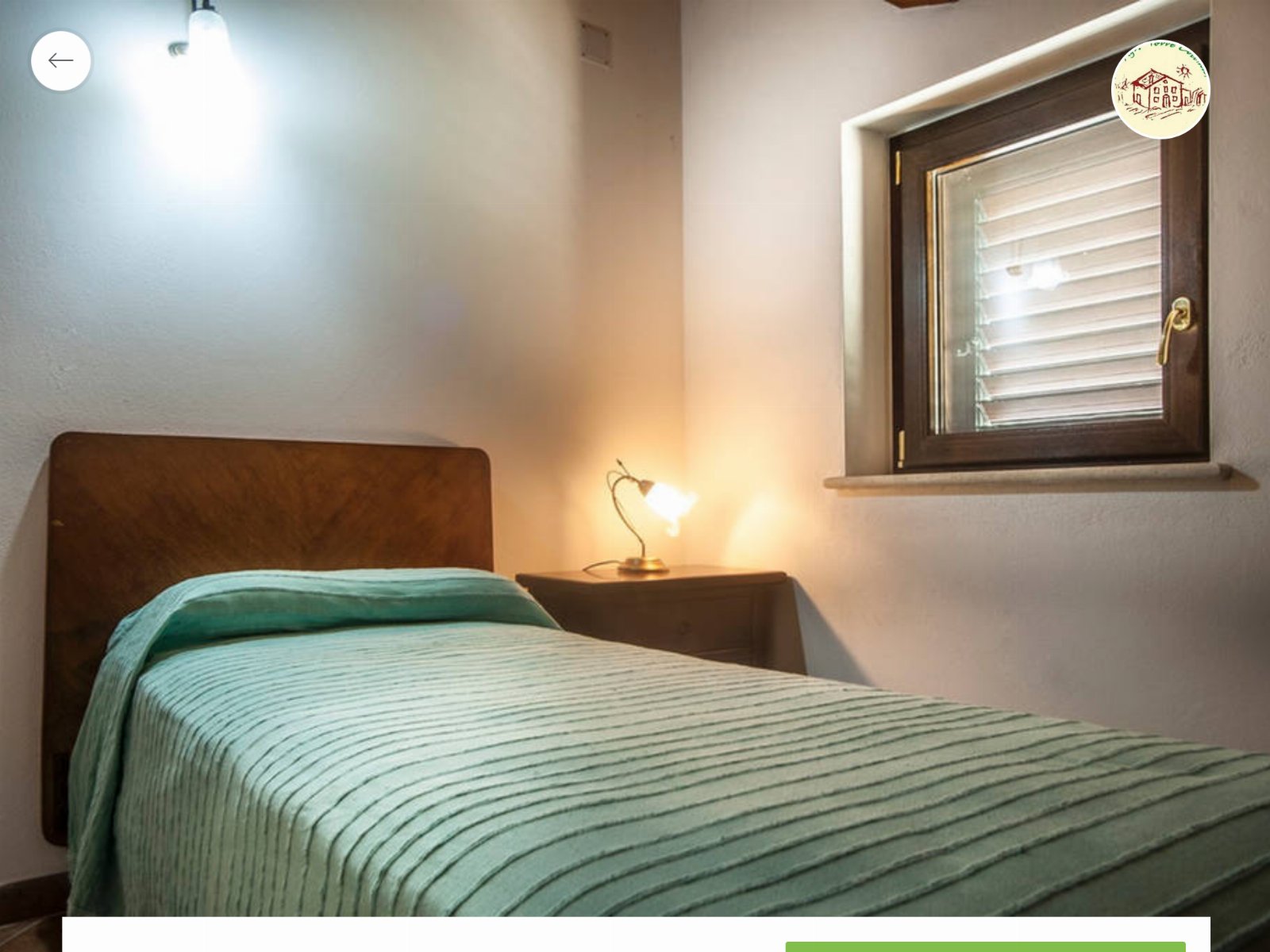
Finding the right place to stay is essential for a truly authentic experience. The village offers a quiet and peaceful retreat, with options that emphasize local character and comfort. Staying in a local guest house or a traditional bed and breakfast allows you to wake up to the sounds of the village and enjoy the slow pace of life that defines this region. A Santa Sofia d'Epiro sono disponibili 1 alloggi selezionati. Scopri gli alloggi a Santa Sofia d'Epiro.
These accommodations are carefully chosen to ensure that visitors have access to modern amenities while still feeling the charm of the historic architecture. Whether you are traveling as a couple, a family, or a solo adventurer, the available options cater to various needs, providing a perfect home base for your explorations. Staying within the village also supports the local economy and helps preserve the unique cultural heritage of this Arberesh community for future generations.
How to Get There and Move Around
Reaching Santa Sofia d'Epiro is most convenient by car, as it allows you the freedom to explore the surrounding villages and the diverse landscapes of the Cosenza province at your own pace. The village is well-connected to the main highway network, making it accessible from major cities like Cosenza. If you are arriving by train, the closest major station is in Cosenza, from where you can rent a car or take a regional bus that serves the local area. While public transport is available, it is generally less frequent, so planning ahead is recommended.
Once you arrive, the village itself is best explored on foot. The narrow, historic streets are not designed for heavy traffic, and walking allows you to fully appreciate the architectural details and the quiet beauty of the surroundings. For excursions to the nearby national parks or the coast, a car remains the most practical option. The roads in this part of Calabria are scenic, often winding through olive groves and vineyards, making even the journey between destinations a memorable part of your travel experience.
When to Go — Climate and Seasonal Events
The best time to visit Santa Sofia d'Epiro is during the late spring (May and June) or early autumn (September and October). During these months, the weather is mild and pleasant, perfect for outdoor activities like hiking or exploring the village center without the intensity of the summer heat. The landscape is particularly beautiful during these times, offering vibrant colors and clear views of the valley. While summer is popular for those combining their trip with beach visits, it can get quite warm in the inland areas, so it is best to plan your outdoor activities for the cooler morning or evening hours.
The village also comes alive during various cultural and religious festivals throughout the year. The most significant events are tied to the Byzantine calendar, including celebrations for Easter and the patron saint festivities. These occasions are marked by traditional music, colorful processions, and community gatherings that offer a rare and authentic look into the living history of the Arberesh people. Visiting during these periods is highly recommended for those who want to witness the true spirit and cultural vitality of this unique Calabrian gem.