Discover the Magic of Roseto Capo Spulico, Calabria: A Hidden Jewel on the Ionian Coast
Perched majestically on a rocky promontory overlooking the crystal-clear waters of the Ionian Sea, Roseto Capo Spulico is one of Calabria's most enchanting destinations. Often referred to as the "City of Roses," this ancient village offers a perfect blend of medieval history, breathtaking coastal landscapes, and a tranquil atmosphere that feels worlds away from the frantic pace of modern life. Whether you are a history buff, a beach lover, or a culinary explorer, Roseto Capo Spulico provides an authentic Italian experience that captures the heart of the Mediterranean.
The town’s geography is as striking as its culture, divided between the historic "Borgo" perched high on the hill and the modern seaside area below. Walking through the narrow, winding alleys of the old town, you can feel the weight of centuries of history, while a short drive down leads you to pristine beaches and the iconic silhouette of the Castello Federiciano. If you are planning your next getaway, you should definitely consider staying in Roseto Capo Spulico to soak in the genuine charm of this Calabrian gem.
Why Visit Roseto Capo Spulico — A Journey Through Time and Atmosphere
The history of Roseto Capo Spulico is deeply intertwined with the legends of the Magna Graecia and the medieval era. Its name, which translates to "Rose-covered Cape," is said to derive from the wild roses that once carpeted the surrounding hills, a detail that adds a romantic touch to its storied past. The village was a strategic point for various civilizations, including the Greeks and Romans, but it truly gained prominence under the rule of Frederick II of Swabia, who recognized the immense strategic value of this coastal position.
The atmosphere in Roseto is defined by a unique duality. The upper village retains its medieval layout, characterized by stone houses, steep staircases, and small squares where elderly locals still gather to chat in the shade. In contrast, the marina area is vibrant and welcoming, with beach clubs, cafes, and restaurants that come alive during the summer months. This balance between the silent, contemplative history of the hills and the lively, sun-drenched energy of the coast makes it an ideal spot for travelers seeking a deep connection with the Calabrian lifestyle.
What to See in Roseto Capo Spulico — Historic Landmarks and Hidden Gems
The crown jewel of the town is undoubtedly the Castello Federiciano. Built in the 13th century by Frederick II, this triangular fortress stands directly on the cliff’s edge, with its foundations kissed by the sea. It is a masterpiece of medieval military architecture, featuring a unique shape designed to withstand both maritime and terrestrial threats. Visitors can explore the outer walls and take in the spectacular panoramic views of the coastline, which are particularly breathtaking at sunset.
Another highlight is the Church of Santa Maria della Consolazione, an architectural treasure located in the historic center. Inside, you can admire intricate wooden carvings and religious iconography that date back several centuries. The church serves as a focal point for local celebrations, particularly during the patron saint festivities. Walking through the center, keep an eye out for the "Castrum Roseti" ruins and the various stone portals of ancient noble palaces, which feature intricate carvings and family crests that tell the story of the town’s aristocratic past.
For those interested in local heritage, a visit to the Ethnographic Museum is a must. Here, you can find a collection of ancient agricultural tools, traditional clothing, and artifacts that illustrate the life of the local farming and fishing communities. It provides a fascinating insight into how the people of this region lived before the advent of modern tourism, preserving the traditions that still influence the local culture today.
The Beaches and Nature Around Roseto Capo Spulico
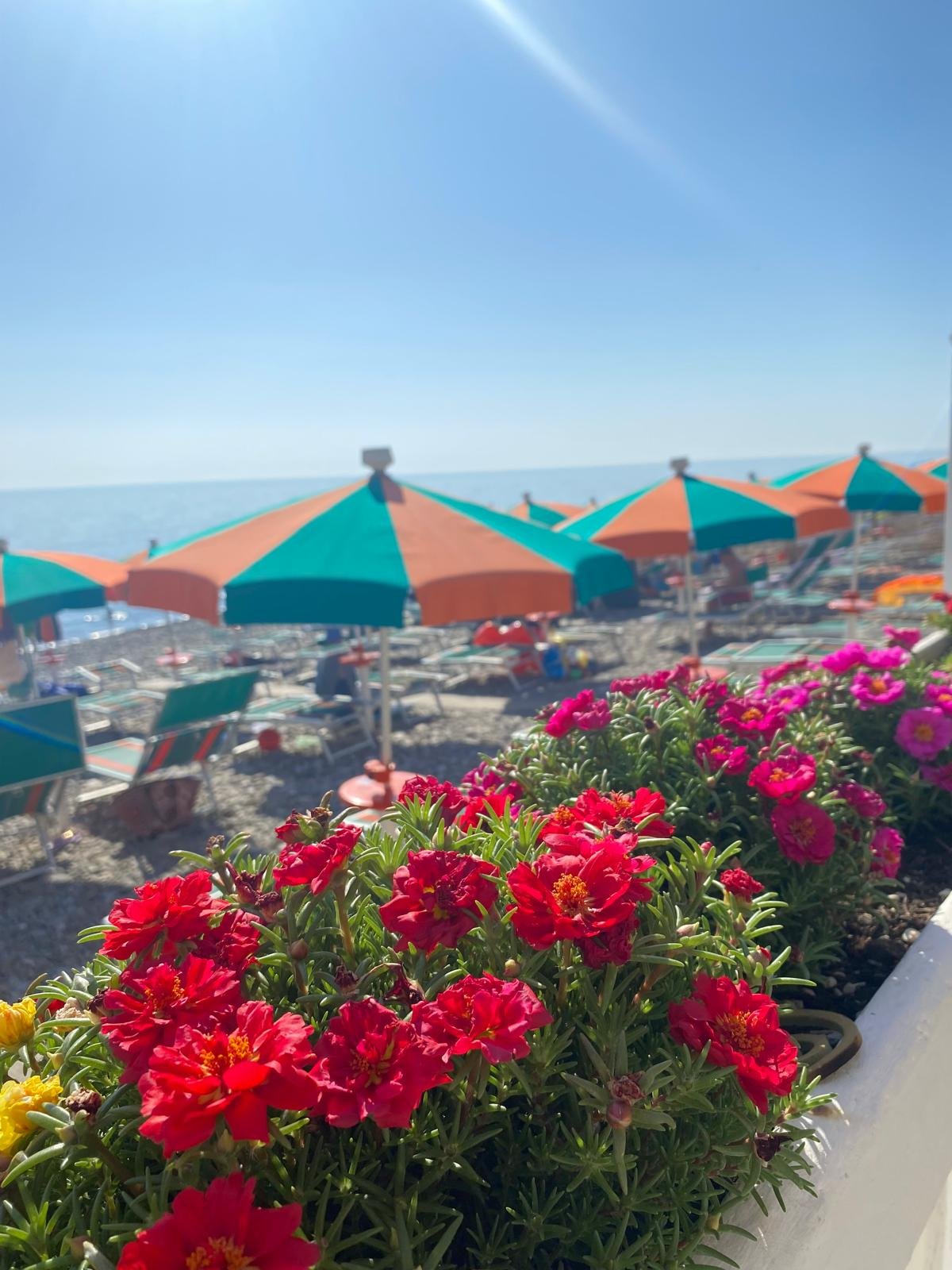
The coastline of Roseto Capo Spulico is famous for its "white stone" beaches, composed of smooth, rounded pebbles that make the water exceptionally clear. The lack of fine sand ensures that the sea remains transparent even on windy days, making it a paradise for snorkeling and diving. The most famous beach is the one located directly beneath the Castello Federiciano, offering a dramatic backdrop that you won't find anywhere else in Italy.
Beyond the immediate coast, nature lovers will appreciate the proximity to the Pollino National Park, the largest protected area in Italy. Just a short drive from the coast, you can escape the heat and explore the rugged mountains, ancient pine forests, and deep canyons of the park. Whether you are interested in trekking, mountain biking, or simply enjoying the fresh mountain air, the transition from the blue Ionian sea to the green peaks of the Pollino range is one of the most diverse natural experiences in Southern Italy.
Cuisine and Traditions of Roseto Capo Spulico
Calabrian cuisine is known for its bold, honest flavors, and Roseto Capo Spulico is no exception. The culinary tradition here is rooted in the "cucina povera," utilizing fresh, seasonal ingredients from both the sea and the land. A local specialty you must try is the pasta fresca, often served with a robust tomato sauce and local sausages. Seafood is, of course, a staple, with dishes like linguine with sea urchin or freshly caught swordfish being highly recommended.
The area is also famous for its production of high-quality olive oil and citrus fruits, particularly the "Biondo di Trebisacce" orange. Many local restaurants and trattorias pride themselves on a farm-to-table approach, sourcing ingredients from the surrounding hills. When dining out, look for small family-run establishments where you can enjoy local wine, such as the fragrant Gaglioppo, while watching the sea. If you are looking for the perfect base to explore these culinary delights, remember that finding the right accommodation in Roseto Capo Spulico is the first step to a memorable trip.
Where to Stay in Roseto Capo Spulico
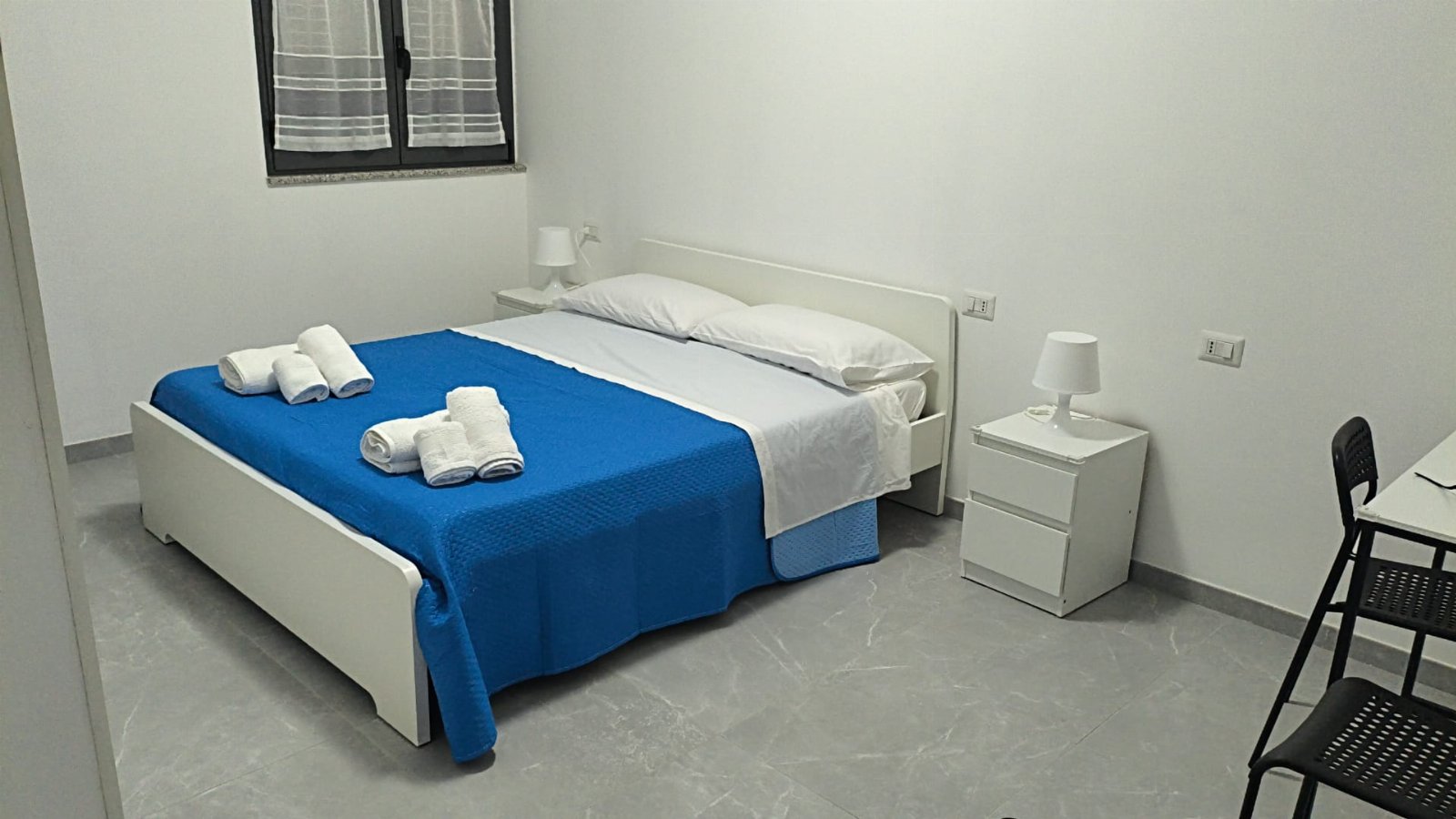
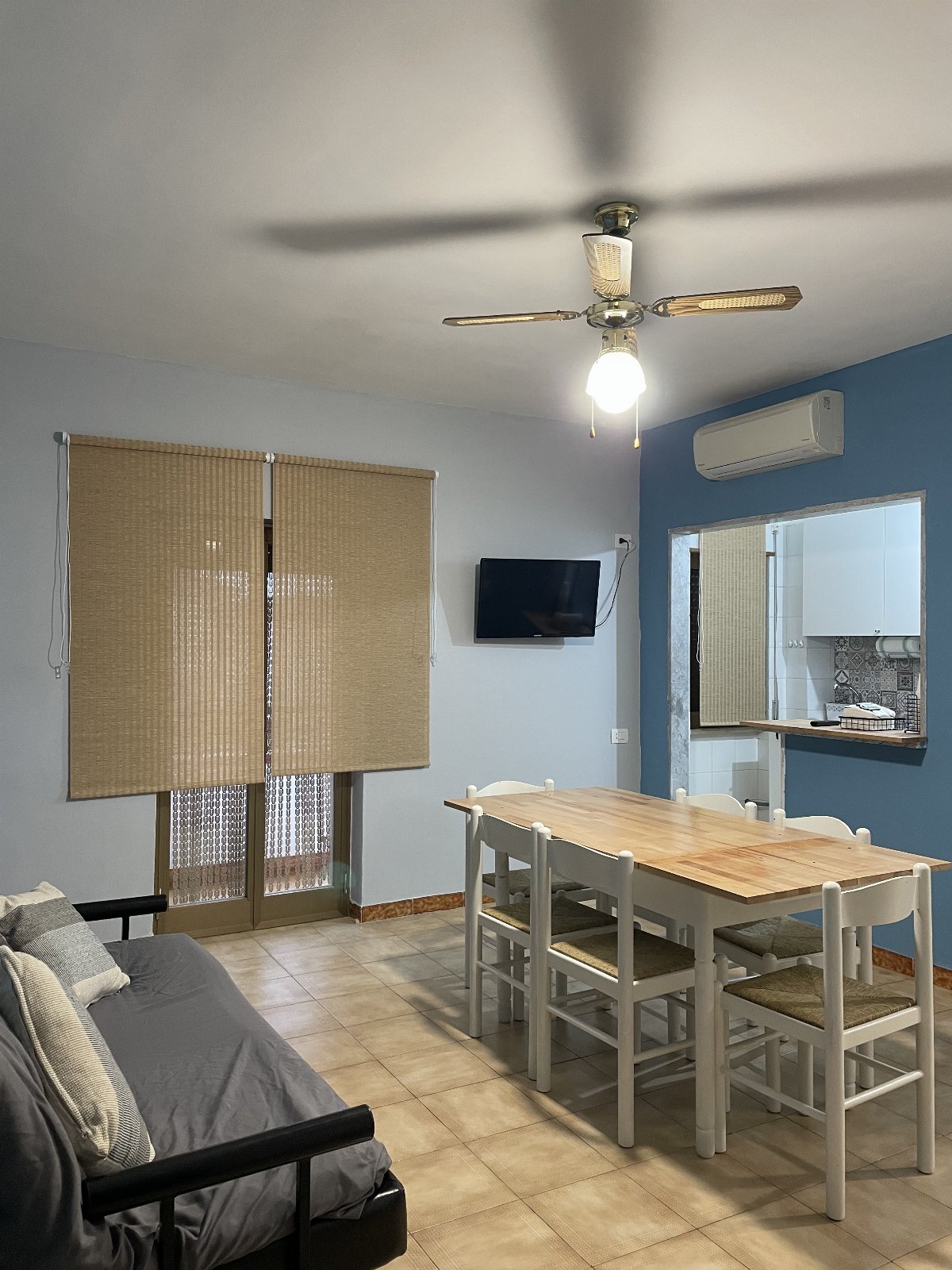
Choosing where to stay depends on your preference for atmosphere. If you want to wake up to the sound of the waves, the marina area offers modern apartments and small hotels that are steps away from the beach. For those who prefer a more historical and quiet environment, the upper village offers charming guesthouses and B&Bs set within restored medieval buildings. Staying in the old town allows you to experience the authentic silence of the village at night, while the marina provides easy access to nightlife and dining.
A Roseto Capo Spulico sono disponibili 1 alloggi selezionati. Scopri gli alloggi a Roseto Capo Spulico. These options are carefully curated to ensure you have a comfortable and authentic stay, whether you are traveling as a couple, with family, or solo. Booking in advance is highly recommended, especially during the peak summer months of July and August, when the town becomes a popular retreat for Italians from the north.
How to Get There and Move Around
Reaching Roseto Capo Spulico is relatively straightforward. The nearest airport is Lamezia Terme (SUF), which is well-connected to major European cities. From the airport, renting a car is the most convenient option, allowing you the freedom to explore the beautiful Ionian coast and the nearby Pollino mountains at your own pace. The drive takes approximately two hours, taking you through some of the most scenic landscapes in Calabria.
If you prefer public transport, you can reach the town by train. The regional railway connects the major coastal towns, and there is a station in Roseto Capo Spulico. However, once you arrive, having a car is highly recommended as public bus services in the more remote mountainous areas can be infrequent. Taxis are available, but for a true exploration of the region, the independence of a rental car is unmatched.
When to Go — Climate and Seasons
The best time to visit Roseto Capo Spulico is during the shoulder seasons: May, June, and September. During these months, the weather is pleasantly warm, the sea is perfect for swimming, and the crowds are significantly smaller than in August. The spring brings a burst of wildflowers to the hills, making it an excellent time for hiking, while September offers long, golden days and water that has been warmed by the summer sun.
July and August are the peak months, characterized by hot, sunny weather and vibrant festivals. If you enjoy the lively atmosphere of Italian summer nights, this is the time to visit, though you should be prepared for the heat. Winter is mild but quiet, as many beach establishments close down. However, it is an ideal time for those looking to experience the local culture in peace, enjoy the historical sites without queues, and indulge in the rich, hearty comfort food of the Calabrian winter.