The Ultimate Guide to Ricadi Calabria: A Coastal Paradise Awaits
Why Visit Ricadi: History, Atmosphere, and Coastal Charm
Nestled along the spectacular Costa degli Dei, or Coast of the Gods, Ricadi is a destination that captures the true essence of the Mediterranean. While it is often overshadowed by its famous neighbor, Tropea, Ricadi is the actual home to some of the region's most breathtaking natural treasures, most notably the legendary promontory of Capo Vaticano. Visiting Ricadi means stepping away from the most crowded tourist traps and immersing yourself in an environment where dramatic cliffs plunge into crystal-clear turquoise waters, offering an atmosphere that is both deeply relaxing and visually stunning.
The history of Ricadi is as rich and layered as the geological formations of its coastline. The area boasts ancient Greek origins, with its very name likely deriving from the Greek word "Rigadion." Over the centuries, it witnessed the presence of Romans, Byzantine monks, and Norman conquerors. It also endured relentless raids by Saracen pirates, which prompted the construction of a network of coastal watchtowers that still dot the landscape today. For generations, the local economy was driven by agriculture and fishing, creating a deep connection between the people and the land that is still palpable in the rural hamlets scattered across the hills.
Today, the character of Ricadi is a fascinating blend of its traditional agricultural roots and its modern status as a premier holiday destination. The municipality is not just a single town, but a collection of charming villages—such as San Nicolò, Santa Domenica, and Brivadi—each offering its own slice of authentic Calabrian life. Here, you will find warm southern hospitality, a slow-paced lifestyle, and an environment that invites you to reconnect with nature, making it the perfect escape for travelers seeking both beauty and authenticity.
What to See in Ricadi: Ancient Towers and Panoramic Vistas
The crown jewel of Ricadi's sightseeing is undoubtedly the Capo Vaticano Lighthouse (Faro di Capo Vaticano). Built in 1870, this working lighthouse sits perched on a dramatic granite cliff over 100 meters above the Tyrrhenian Sea. While the lighthouse itself is a military zone and closed to the public, the surrounding Belvedere offers what is widely considered one of the most beautiful panoramic views in all of Italy. On a clear day, visitors can gaze across the sparkling waters to see the Aeolian Islands, the smoking peak of the Stromboli volcano, and the distant coastline of Sicily.
For a dose of local history, a visit to Torre Marrana is essential. This impressive 16th-century stone watchtower was originally constructed by the Spanish to defend the Calabrian coast from the frequent and devastating attacks by Ottoman and Saracen pirates. Today, the ruins of the tower have been integrated into a beautiful archaeological and cultural park. During the summer months, the open-air amphitheater at the base of the tower hosts theatrical performances, classical music concerts, and cultural festivals under the stars.
To fully appreciate the deep connection between Ricadi and the ocean, travelers should explore the Museo del Mare (Museum of the Sea). Located in the hamlet of Capo Vaticano, this small but fascinating museum showcases the rich marine biodiversity of the Costa degli Dei, alongside exhibits detailing traditional local fishing techniques and maritime history. Afterward, take a stroll through the historic center of San Nicolò di Ricadi, the administrative heart of the municipality, where you can admire ancient churches, narrow cobblestone streets, and the enduring charm of rural Calabria.
Beaches and Nature Around Ricadi: Pristine Waters and Hidden Coves
The coastline of Ricadi is universally celebrated for its pristine beauty, and the Baia di Grotticelle is its most famous masterpiece. Consisting of three adjacent coves, Grotticelle boasts incredibly fine white sand and waters so clear and turquoise they rival the Caribbean. The bay is framed by dramatic granite cliffs and lush Mediterranean vegetation. Because of its rich marine life and underwater rock formations, it is a paradise for snorkelers and scuba divers. While it offers excellent amenities like beach clubs and restaurants, it remains an unspoiled natural wonder.
For those seeking a more secluded and adventurous beach experience, Praia i Focu is a must-visit destination. Accessible almost exclusively by sea—via a rented boat, pedal boat, or a challenging hike down a steep cliff path—this hidden cove offers unparalleled privacy. The beach is protected on three sides by towering, sheer cliffs, which shield it from the wind and trap the sun's heat. This unique microclimate keeps the water incredibly warm and gives the beach its name, which translates to "Beach of Fire" in the local dialect.
Beyond the famous coves, Ricadi offers diverse coastal landscapes to suit every type of traveler. The beach of Santa Maria di Ricadi features a long, wide stretch of sand with shallow, calm waters, making it an ideal spot for families with young children. Further north, the beach of Formicoli offers a fascinating blend of nature and history. The name Formicoli is derived from "Forum Herculis," an ancient Roman port that once thrived here. Today, snorkelers swimming just offshore can still spot the submerged ruins of the ancient Roman docks resting on the seabed.
Cuisine and Traditions of Ricadi: A Taste of Authentic Calabria
The culinary identity of Ricadi is inextricably linked to the land, and its most famous export is the Sweet Red Onion, globally known as the Cipolla Rossa di Tropea. Despite the name, the vast majority of these prized, IGP-certified onions are actually cultivated in the fertile, sandy soils of Ricadi. The unique microclimate and proximity to the sea give these onions a flavor so sweet and delicate that locals often eat them raw in fresh summer salads. They are also transformed into savory marmalades, perfect for pairing with local cheeses, and are a staple ingredient in countless traditional recipes.
Beyond the famous red onion, the cuisine of Ricadi celebrates bold Calabrian flavors and fresh, locally sourced ingredients. You will frequently encounter 'Nduja, the spicy, spreadable pork sausage originating from the nearby town of Spilinga, used to flavor pasta dishes or spread on toasted crusty bread. Seafood is, naturally, a cornerstone of the local diet. Fishermen bring in daily catches of swordfish, tuna, and squid, which are typically grilled to perfection with olive oil and lemon, or simmered in rich tomato stews.
Dining in Ricadi offers a wonderful variety of experiences. You can enjoy an elegant seafood dinner at a beachfront restaurant with the sound of the waves as your soundtrack, or head into the hills to a rustic agriturismo (farm stay). These inland eateries offer traditional, hearty meals featuring homemade "fileja" pasta, locally produced Pecorino del Poro cheese, and robust red wines harvested from the vineyards of the Costa degli Dei. Every meal here is a celebration of Calabrian heritage.
Where to Sleep in Ricadi: Finding Your Perfect Coastal Retreat
Choosing where to stay in Ricadi depends largely on the type of holiday you desire. If your goal is to wake up to the sound of the sea and have immediate access to the sand, the coastal areas around Capo Vaticano, Grotticelle, and Santa Maria are ideal. Here, you will find a concentration of beachfront resorts, boutique hotels, and comfortable apartments offering spectacular sea views. Alternatively, staying in the inland hamlets like San Nicolò or Santa Domenica provides a quieter, more authentic village atmosphere, often at a better value, while still being just a short five-minute drive from the coast.
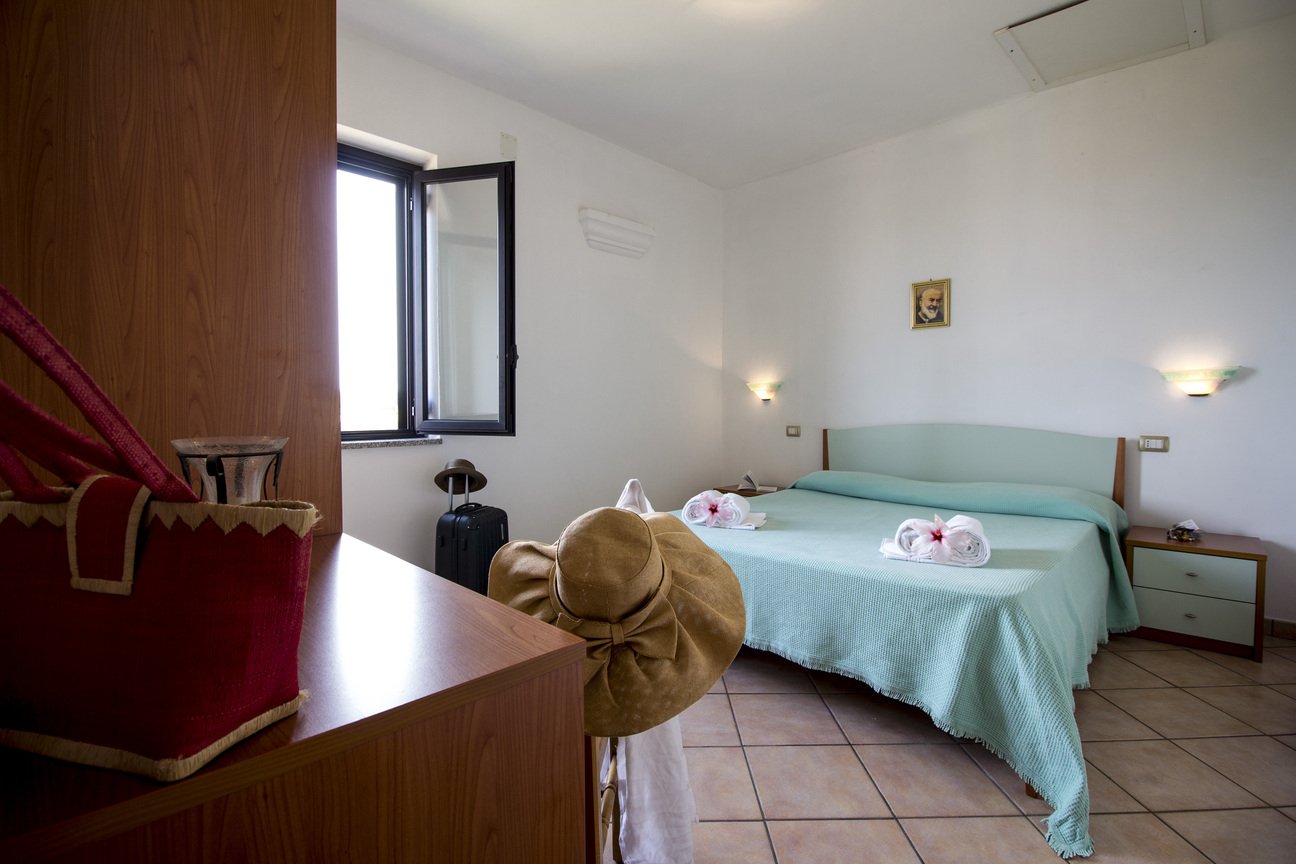
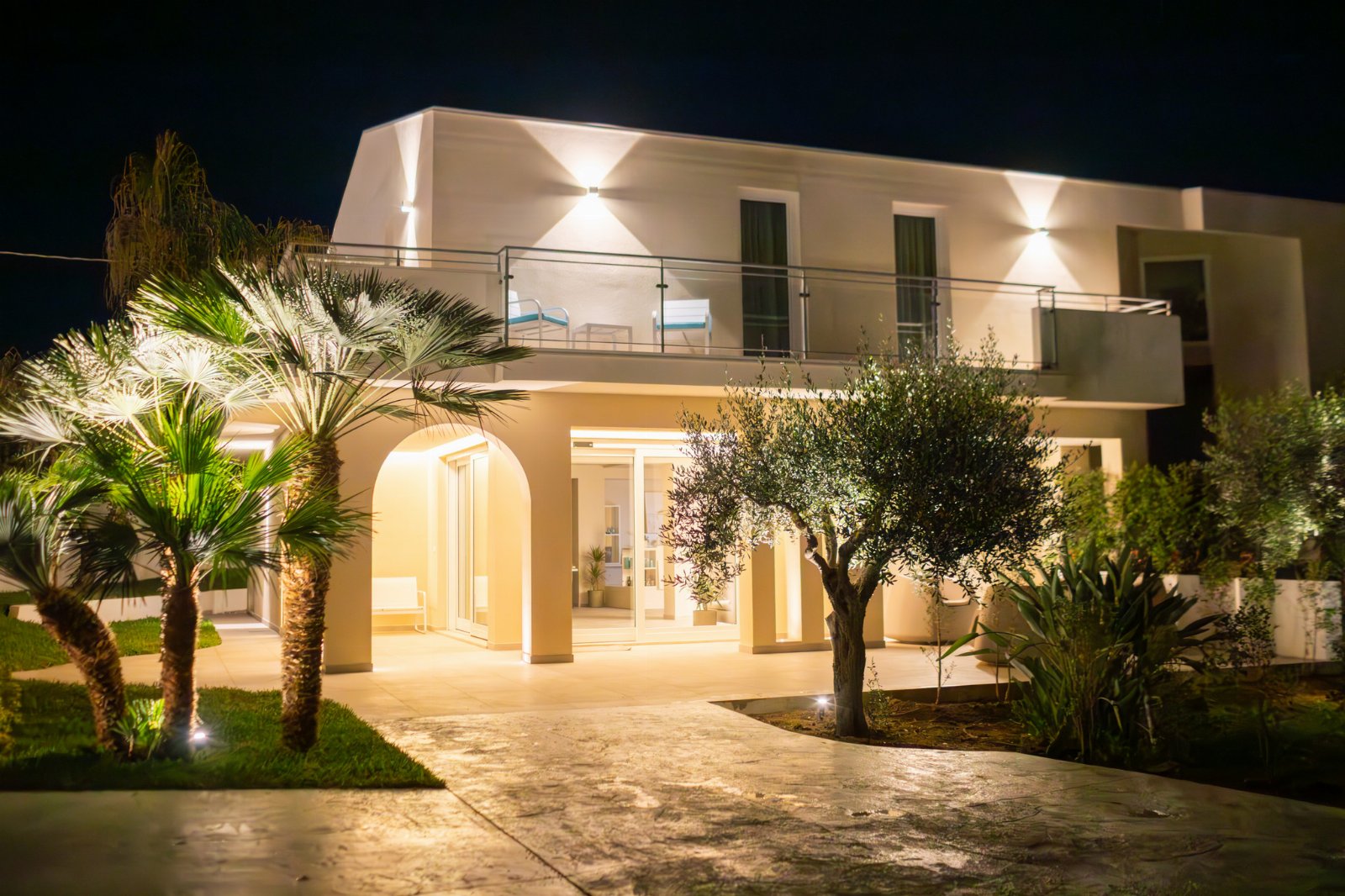
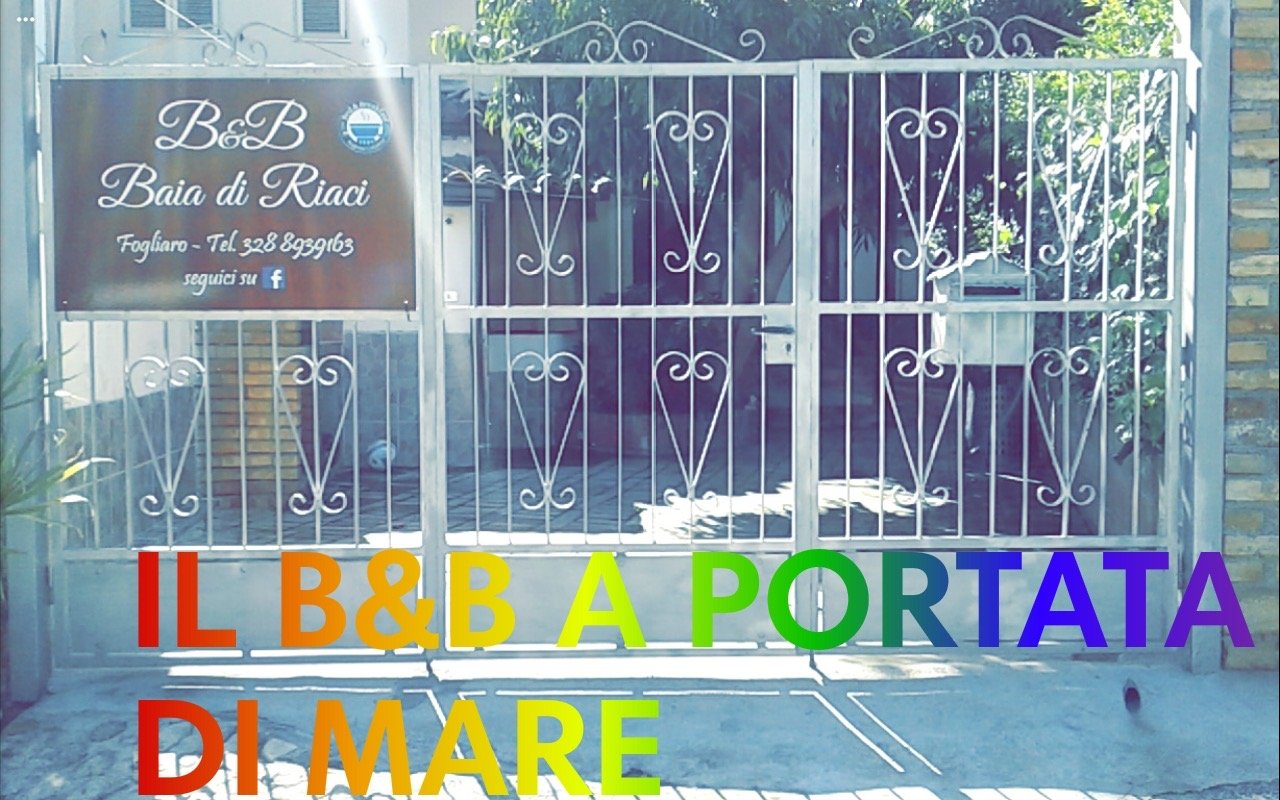
The accommodation options in the area cater to all budgets and travel styles. Families might prefer the convenience of holiday villages with pools and entertainment, while couples often gravitate towards intimate bed and breakfasts tucked away in lush Mediterranean gardens. For those who prefer independence, there is a wide selection of self-catering villas and apartments that allow you to shop at local markets and cook your own Calabrian feasts.
When planning your coastal getaway, it is highly recommended to book your accommodation well in advance, especially if you plan to visit during the peak summer months. Finding the right base will allow you to explore the entire Coast of the Gods with ease, whether you are looking for luxury resorts or charming premium holiday rentals in Calabria. A Ricadi sono disponibili 5 alloggi selezionati. Scopri gli alloggi a Ricadi.
How to Get There and Move Around: Navigating the Coast of the Gods
Reaching Ricadi is relatively straightforward, thanks to its proximity to major transportation hubs. The most convenient gateway for international and domestic travelers is Lamezia Terme International Airport (SUF), located about 65 kilometers to the north. From the airport, you can easily rent a car or take a regional train. The scenic Tyrrhenian railway line connects Lamezia Terme directly to the Ricadi train station, making it possible to reach the town without driving. The train journey offers beautiful coastal views and is a stress-free way to arrive.
If you prefer the flexibility of driving, Ricadi is accessible via the A2 Autostrada del Mediterraneo (the main north-south highway). Travelers should take the Pizzo or Sant'Onofrio exit and follow the SS522 coastal road southwards. The drive along the coast is incredibly scenic, winding through small fishing villages and offering constant views of the sea. Having a car is highly recommended for visitors to Ricadi, as it provides the freedom to explore hidden beaches, visit neighboring Tropea, and venture into the mountainous interior of the region.
Once in Ricadi, moving around requires a bit of planning. While there are local bus services connecting the various hamlets to the beaches and to Tropea, the schedules can be infrequent and are significantly reduced outside of the peak summer season. For short distances along the coast, renting a scooter is a very popular and enjoyable option. It allows you to easily navigate the narrow, winding roads and makes finding parking near the popular beaches like Grotticelle much easier during the busy months of July and August.
When to Go: Climate, Seasons, and Local Events
Ricadi enjoys a classic Mediterranean climate, characterized by long, hot summers and mild, wet winters. The peak tourist season falls in July and August, when the weather is virtually guaranteed to be hot and sunny, and the sea water is wonderfully warm. During these months, the town is bustling with energy, beach clubs are in full swing, and the nightlife is vibrant. However, this is also the most crowded and expensive time to visit, and the midday heat can be intense.
For many travelers, the shoulder seasons of June and September offer the perfect balance. During these months, the weather is still plenty warm enough for swimming and sunbathing, but the heavy crowds have dissipated, allowing for a much more relaxing experience. Spring, particularly April and May, is a beautiful time to visit if your focus is on hiking, sightseeing, and enjoying the vibrant blooms of the Mediterranean flora, though the sea may still be too brisk for swimming.
Timing your visit to coincide with local events can add a wonderful cultural dimension to your trip. The absolute highlight of the summer calendar is the Sagra della Cipolla Rossa (Red Onion Festival), typically held in August in the hamlet of San Nicolò. This lively street festival celebrates the region's famous produce with live folk music, traditional dancing, and endless stalls offering culinary creations centered around the sweet onion. Choosing the right season ensures you fully enjoy the best places to stay in Calabria and create unforgettable memories on the Coast of the Gods.