The Ultimate Guide to Locri Calabria: Ancient History Meets the Ionian Sea
Nestled along the sun-drenched shores of the Ionian Sea, Locri is a destination where the echoes of ancient civilizations blend seamlessly with the vibrant rhythm of modern Italian coastal life. Located in the heart of the renowned Riviera dei Gelsomini (Jasmine Coast), this fascinating town offers far more than just pristine beaches and crystal-clear waters. It is a gateway to Magna Graecia, a place where history buffs, nature lovers, and culinary enthusiasts can all find their perfect Italian getaway.
Whether you are planning a comprehensive tour of the southern Italian coast or looking for a tranquil base to explore the wider region, Locri stands out as a unique and compelling choice. From the monumental ruins of Greek temples to the rugged peaks of the nearby Aspromonte mountains, every corner of this territory tells a story. If you are exploring holiday rentals in Calabria, adding Locri to your itinerary will guarantee an authentic and unforgettable Mediterranean experience.
Why Visit Locri — History, Atmosphere, and the Soul of the City
To truly understand the soul of Locri, one must look back to the 8th century BC, when Greek colonists from the region of Locris arrived on these shores. They founded Locri Epizephyrii, a city that would soon become one of the wealthiest and most powerful centers of Magna Graecia. The historical significance of this area cannot be overstated. It was here that Zaleucus, a legendary lawgiver, drafted the first written legal code in Europe, establishing a society based on justice and order that influenced the entire ancient world.
Today, the atmosphere in Locri is a captivating mix of quiet provincial charm and profound historical reverence. As you walk through the town, you can almost feel the layers of time beneath your feet. The local culture is deeply intertwined with its Greek heritage, which is reflected in the dialect, the hospitality of the locals, and the profound respect for traditions. Unlike the heavily commercialized tourist traps found in other parts of Italy, Locri retains an authentic, lived-in feel.
The character of the city is defined by its contrasts. You will find fishermen bringing in their daily catch just a few miles away from active archaeological digs. The scent of wild jasmine and bergamot citrus fills the air, mingling with the salty sea breeze. Visiting Locri means immersing yourself in an environment where the past is not locked away in dusty books, but is an active, visible part of the daily landscape, offering visitors a profound sense of connection to the ancient Mediterranean world.
What to See in Locri — Top Attractions and Historical Sites
The crown jewel of the town's attractions is undoubtedly the Archaeological Park of Locri Epizephyri. Located just a short distance from the modern town center, this expansive site allows visitors to walk through the remains of the ancient Greek colony. The highlight of the park is the Ionic Temple of Marasà, which dates back to the 5th century BC. Although only a few columns remain standing, the sheer scale of the foundation gives a clear idea of the temple's original grandeur. Exploring the ancient city walls, the Greek theater, and the residential quarters offers a fascinating glimpse into daily life over two millennia ago.
Adjacent to the park is the National Archaeological Museum of Locri, a must-visit for anyone wanting to fully grasp the historical importance of the area. The museum houses an extraordinary collection of artifacts unearthed from the surrounding excavations. The most famous exhibits are the Pinakes—intricately carved terracotta tablets dedicated to Persephone, the goddess of the underworld, whose cult was central to the religious life of ancient Locri. These delicate artifacts provide invaluable insights into the religious practices, art, and mythology of Magna Graecia.
For a slightly more recent historical perspective, visitors should explore the Casino Macrì. Situated within the archaeological area, this 19th-century farmhouse was built directly over the remains of a Roman bathhouse and a private villa. It serves as a perfect physical representation of how different eras of history are stacked upon one another in Calabria. You can clearly see the Roman thermal structures, including the intricate hypocaust (underfloor heating) system, right beneath the rustic architecture of the traditional Calabrian agricultural estate.
In the modern city center, take a moment to visit the Monument to the Five Martyrs of Gerace. Located in the main square, this monument honors five young patriots who were executed in 1847 during the early struggles for Italian unification (the Risorgimento). It is a poignant reminder of the region's continuous fight for freedom and justice, bridging the gap between the ancient laws of Zaleucus and the modern democratic spirit of the Calabrian people.
Beaches and Nature Around Locri — The Ionian Coastline
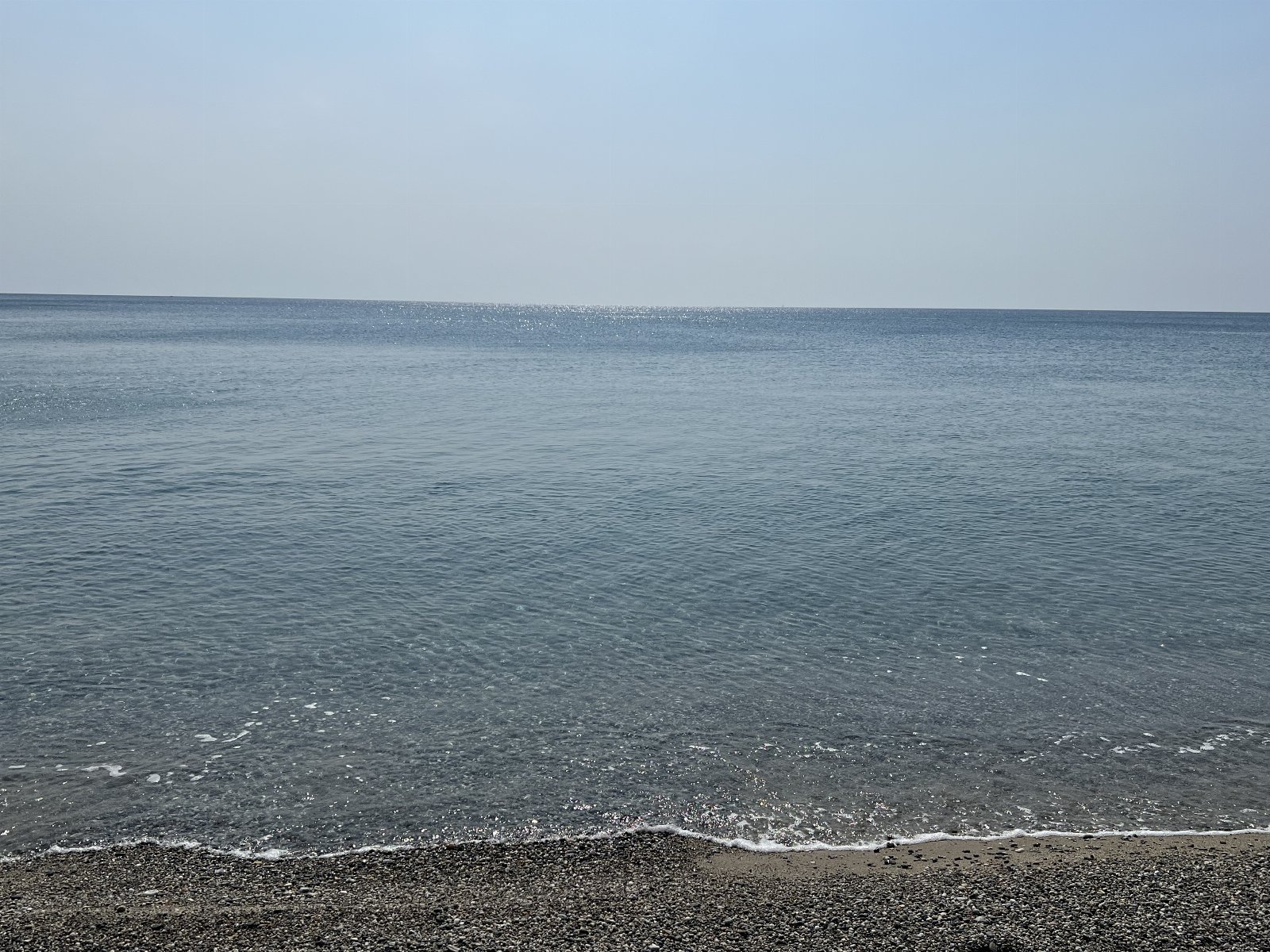
Beyond its historical treasures, Locri boasts some of the most inviting coastlines in southern Italy. The town sits squarely on the Riviera dei Gelsomini, named after the fragrant jasmine flowers that once grew abundantly here for the perfume industry. The beaches in Locri are characterized by wide expanses of fine sand mixed with smooth pebbles, sloping gently into the incredibly clear, azure waters of the Ionian Sea. The water quality here is exceptional, making it a paradise for swimming, snorkeling, and simply cooling off during the hot southern Italian summers.
The seafront promenade (Lungomare) is the beating heart of Locri's summer life. Here, visitors can choose between fully equipped lidi (beach clubs) that offer sunbeds, umbrellas, and seaside dining, or expansive stretches of free beach for a more rugged and natural experience. The atmosphere on the beach is generally relaxed and family-friendly, far removed from the overcrowded shores of more famous Italian coastal resorts. Early mornings on the beach are particularly magical, offering spectacular sunrises over the Ionian horizon.
Nature enthusiasts will be thrilled to discover that Locri is not just about the sea. The town sits at the foothills of the magnificent Aspromonte National Park. A short drive inland transports you from the sun-baked coast to dense, ancient forests of pine, beech, and chestnut trees. The park offers countless hiking trails, cascading waterfalls, and breathtaking panoramic viewpoints where you can see the entire coastline stretching out below. This dramatic contrast between the deep blue of the sea and the lush green of the mountains is one of the most defining and beautiful characteristics of the Locri landscape.
Cuisine and Traditions of Locri — Flavors of the South
The culinary traditions of Locri are a delicious reflection of its geography, blending the fresh bounty of the Ionian Sea with the robust, earthy flavors of the Aspromonte mountains. Calabrian cuisine is known for its bold character, and Locri is no exception. Spicy peperoncino (chili pepper), rich extra virgin olive oil, and sweet red onions form the holy trinity of the local flavor profile. Meals here are hearty, authentic, and deeply connected to the changing seasons and agricultural cycles.
Seafood lovers will find themselves in a culinary haven. Freshly caught swordfish, tuna, and anchovies dominate the menus of local trattorias. A must-try dish is pasta tossed with a rich, spicy swordfish ragù, or simple grilled fish seasoned with local olive oil and lemon. For those who prefer meat, the inland influence brings dishes like homemade maccaroni served with a slow-cooked goat or pork sauce, often generously sprinkled with aged Caciocavallo or sharp pecorino cheese.
No meal in Locri is complete without sampling the local agricultural products. The area is famous for its citrus fruits, particularly the bergamot, which is unique to this specific stretch of the Calabrian coast. You will find bergamot infused in liqueurs, marmalades, and even gelato. To accompany your meal, look for local wines such as the Greco di Bianco, an ancient and highly prized sweet dessert wine produced in a neighboring village, which pairs perfectly with traditional almond and honey pastries like pignolata or nzuddi.
Where to Stay in Locri — Best Areas and Accommodations
Choosing where to stay in Locri depends largely on the type of holiday you are seeking. If your primary goal is to soak up the sun and enjoy the Ionian waters, looking for accommodations along the Lungomare or just a few streets back from the beach is ideal. This area comes alive in the summer with easy access to beach clubs, gelaterias, and evening strolls. Conversely, staying closer to the historical center provides a more authentic, year-round Calabrian experience, putting you within walking distance of local markets, cafes, and historical monuments.
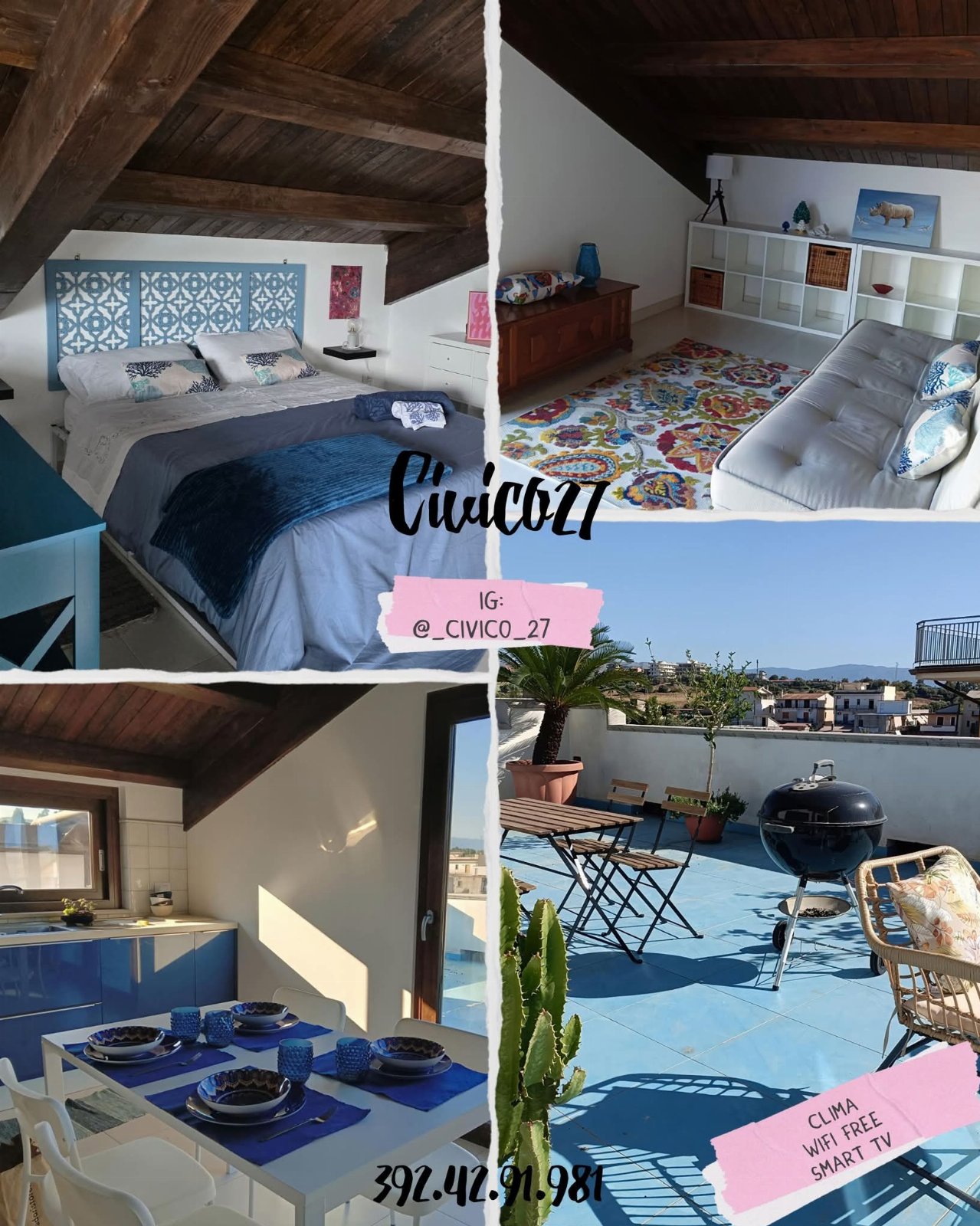
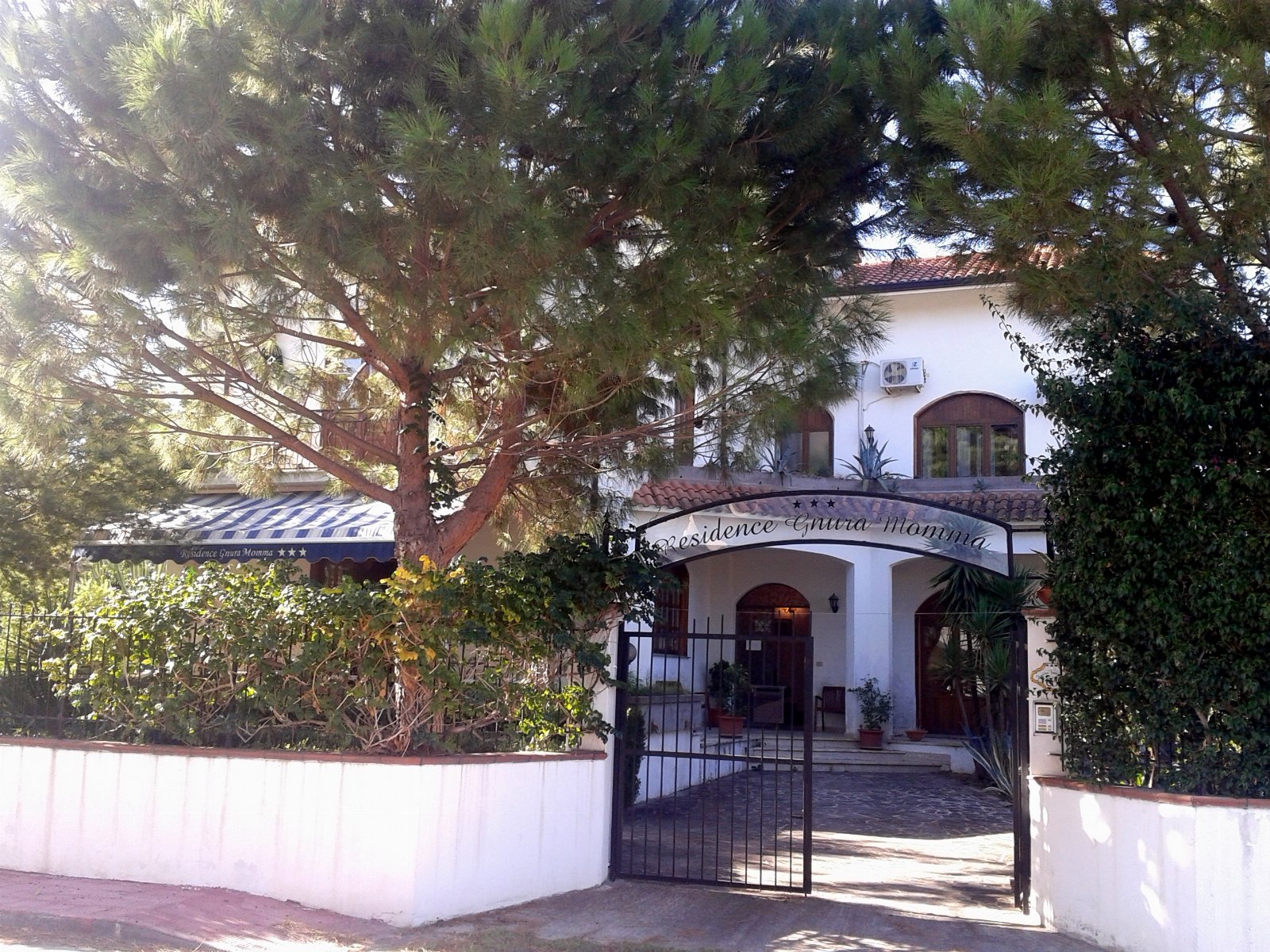
The accommodation options in Locri range from charming family-run Bed & Breakfasts to comfortable boutique hotels and private holiday apartments. Many visitors prefer staying in self-catering apartments or local guesthouses to truly immerse themselves in the local lifestyle. When researching where to sleep in Locri, you will find options that cater to both budget travelers and those looking for a touch of coastal luxury.
Finding the perfect base is essential for a relaxing trip. In Locri, there is 1 selected accommodation available. Discover accommodations in Locri to secure your ideal home away from home on the Jasmine Coast.
How to Get There and Get Around
Reaching Locri is an adventure that takes you through some of southern Italy's most scenic landscapes. For international and domestic travelers flying into the region, the most convenient airports are Lamezia Terme International Airport (SUF), located about 110 kilometers away, and Reggio Calabria Airport (REG), which is roughly 90 kilometers down the coast. Both airports offer car rental services, which is highly recommended for those who wish to explore the region at their own pace.
If you are driving, Locri is easily accessible via the SS106 Jonica, the state highway that hugs the spectacular Ionian coastline. The drive offers stunning sea views, though the road requires attentive driving due to its curves and local traffic. For those coming from the north via the A2 Autostrada del Mediterraneo (the main north-south highway), you can exit at Rosarno and take the scenic Ionian-Tyrrhenian connection road (SS682) that cuts straight through the mountains to the eastern coast.
Public transportation is also a viable option. Locri has a well-connected railway station located on the Jonica line. Regular regional and Intercity trains connect the town to major hubs like Reggio Calabria, Catanzaro, and Taranto. While the town center and the beachfront are easily navigable on foot, having a car is highly beneficial if you plan to visit the Aspromonte National Park, the archaeological sites located just outside the town, or the stunning medieval village of Gerace, which sits on a hill overlooking Locri.
When to Go — Climate, Seasons, and Events
Locri enjoys a classic Mediterranean climate, making it an appealing destination for most of the year. The summers (from June to early September) are hot and dry, with temperatures often soaring above 30°C (86°F). This is the peak tourist season, ideal for those whose main priority is beach lounging, swimming, and enjoying the vibrant summer nightlife. During these months, the town hosts various cultural events, food festivals (sagre), and outdoor concerts along the promenade.
However, if your interests lean more toward history, archaeology, and hiking, the shoulder seasons of Spring (April to May) and Autumn (September to October) are arguably the best times to visit. During these months, the weather is pleasantly warm, the skies are generally clear, and the intense summer heat has subsided. This makes exploring the unshaded ruins of Locri Epizephyri or trekking in the Aspromonte mountains much more comfortable. Furthermore, visiting outside the peak summer rush allows you to experience the authentic, quiet charm of the town and interact more deeply with the welcoming locals.
Winters in Locri are mild but can be rainy. While it is not beach weather, the cooler months offer a peaceful retreat and a chance to experience the dramatic, moody beauty of the Ionian sea, as well as the opportunity to indulge in the rich, hearty winter dishes of the Calabrian culinary tradition.