Discovering Bova Calabria: The Ultimate Guide to the Grecanic Capital
Perched high on the rugged slopes of the Aspromonte mountains, the ancient village of Bova stands as a proud guardian of a unique cultural heritage. Recognized as one of the "Borghi più belli d'Italia" (Most Beautiful Villages in Italy), this enchanting destination offers travelers a rare glimpse into a world where Greek and Italian traditions seamlessly intertwine. From its sweeping panoramic views of the Ionian Sea to its labyrinthine cobblestone streets, Bova is a place where time seems to have stood still.
Whether you are an avid history buff, a nature enthusiast, or a foodie in search of authentic flavors, a journey to Bova Calabria promises an unforgettable experience. Far from the crowded tourist hotspots, this mountain retreat provides a peaceful sanctuary characterized by warm southern hospitality and breathtaking landscapes. This comprehensive guide will help you uncover the magic of Bova, providing all the essential information you need to plan the perfect Calabrian getaway.
Why visit Bova — history, atmosphere, character
To truly understand the allure of Bova, one must look back at its fascinating history. Bova is considered the cultural and spiritual capital of the "Bovesìa," the Grecanic area of Calabria. For centuries, this isolated mountainous region served as a refuge for Greek-speaking populations fleeing coastal invasions. Remarkably, the echoes of Magna Graecia still resonate here today through Griko, an ancient dialect that blends classical Greek with local Calabrian linguistic elements. Visiting Bova is like stepping into a living museum of Mediterranean history.
The atmosphere in Bova is deeply evocative and profoundly tranquil. Situated at an altitude of 820 meters above sea level, the village offers a refreshing escape from the intense summer heat of the coast. As you wander through its narrow alleys, you will be surrounded by ancient stone houses, beautifully crafted portals, and small piazzas that open up to spectacular vistas. The silence of the mountains is broken only by the chiming of church bells and the gentle rustling of the wind through the olive groves.
The character of the town is defined by its resilience and its dedication to preserving its roots. The locals are fiercely proud of their Grecanic heritage, which is evident in the bilingual street signs, the local crafts, and the passionate storytelling of the residents. This strong sense of identity gives Bova a soul that is palpable to every visitor, making it much more than just a scenic viewpoint, but a profound cultural immersion.
What to see in Bova — historical and cultural attractions
Your exploration of Bova should begin with the imposing ruins of the Norman Castle, which crown the rocky peak above the village. Dating back to the 11th century, the castle requires a short but steep hike to reach, but the effort is handsomely rewarded. From this vantage point, you are treated to a 360-degree panorama that encompasses the rugged Aspromonte peaks, the sprawling Amendolea riverbed, and the sparkling Ionian Sea. On clear days, you can even spot the majestic silhouette of Mount Etna across the strait in Sicily.
Descending from the castle, make your way to the Cathedral of San Isodio. This beautiful church, with its origins dating back to the early centuries of Christianity, features a striking stone facade and a richly decorated interior. Inside, you will find a magnificent marble statue of the Madonna dell'Isodia, a masterpiece of Renaissance sculpture. The cathedral stands as a testament to the religious devotion and artistic heritage that has shaped the community over the millennia.
Another must-see attraction is the Gerhard Rohlfs Museum of the Grecanic Language. Named after the famous German linguist who dedicated his life to studying the Griko dialect, this fascinating museum offers interactive exhibits detailing the linguistic, cultural, and anthropological history of the Bovesìa. Just outside, you can walk the Sentiero della Civiltà Contadina (Path of Peasant Civilization), an open-air museum where traditional agricultural tools, olive presses, and millstones are displayed along the winding streets, illustrating the historic daily life of the village.
Beaches and nature around Bova — sea, parks, landscapes
While Bova itself is a mountain stronghold, it serves as an excellent gateway to some of Calabria's most spectacular natural environments. The village is situated within the boundaries of the Aspromonte National Park, a pristine wilderness characterized by dense forests of pine, beech, and chestnut trees. Hiking enthusiasts will find a network of well-marked trails leading out from the village, offering opportunities to explore cascading waterfalls, dramatic gorges, and the unique biodiversity of the Calabrian Apennines.
One of the most striking natural features near Bova is the Amendolea Fiumara. This massive, seasonal riverbed cuts a wide, silvery path through the mountains down to the sea. Hiking along the banks of the Amendolea provides a stark, almost lunar landscape that contrasts beautifully with the lush greenery of the higher altitudes. It is a favorite spot for adventurous trekkers looking to experience the raw, untamed side of the Calabrian landscape.
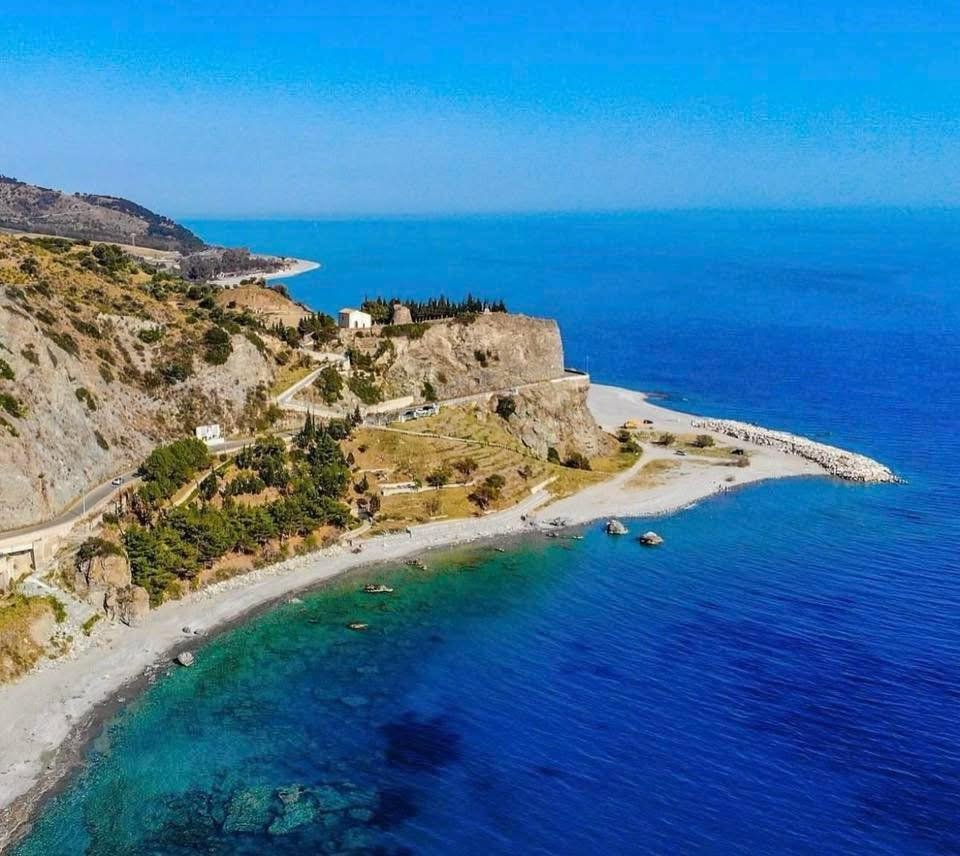
If you crave the ocean, the coast is just a short drive away. Bova Marina, located at the foot of the mountains, boasts beautiful, uncrowded beaches with crystal-clear waters bordering the Ionian Sea. Here, you can spend the morning swimming and sunbathing before retreating to the cool mountain air of the historic center in the afternoon. When planning your coastal and mountain adventures, finding the right base is essential, and you can easily explore the best holiday rentals in Calabria to complete your trip.
Cuisine and traditions of Bova — typical dishes, products, where to eat
The culinary traditions of Bova are deeply rooted in the peasant history of the Aspromonte, offering robust, authentic flavors that tell the story of the land. The absolute star of the local cuisine is the Lestopitta, a traditional unleavened bread made simply from flour and water, which is fried in olive oil until crispy. It is typically served piping hot and stuffed with local delicacies such as spicy capicollo, fresh ricotta, or sun-dried tomatoes. Eating a Lestopitta while strolling through the village is a quintessential Bova experience.
Because Bova is a mountain community, meat and dairy feature prominently on local menus. Goat meat is a traditional staple, often slow-cooked in a rich tomato sauce that is then used to dress homemade macaroni (maccarruni). The area is also renowned for its exceptional cheeses, particularly the sharp, aged pecorino and the creamy, fresh goat cheeses. These dishes are perfectly accompanied by a glass of robust local red wine, such as the nearby Palizzi IGT, known for its strong, full-bodied character.
When it comes to dining, Bova offers several cozy trattorie and agriturismi (farmhouse restaurants) where you can taste these traditional recipes. Establishments in the historic center provide a warm, family-like atmosphere, often featuring rustic stone interiors and roaring fireplaces in the cooler months. The focus here is always on zero-kilometer ingredients, ensuring that every meal is fresh, seasonal, and deeply connected to the surrounding Calabrian territory.
Where to sleep in Bova — best areas, accommodation types
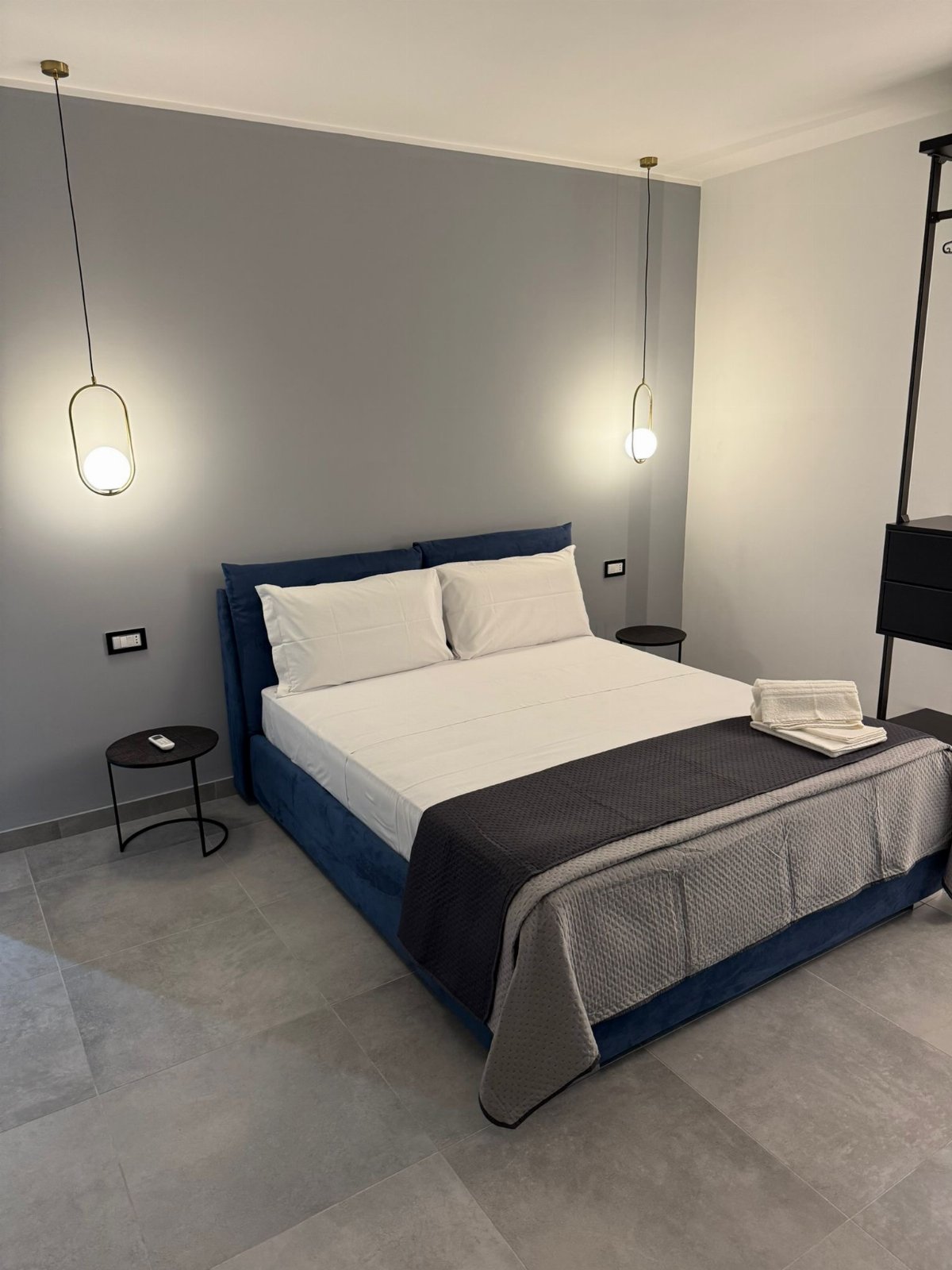
Choosing where to stay in Bova is a crucial part of the experience, as the accommodations here are designed to immerse you in the village's historic charm. The best area to stay is undeniably within the historic center itself. Here, you will find the fascinating concept of the Albergo Diffuso (scattered hotel), where guest rooms are distributed throughout various restored ancient houses in the village. This allows you to live like a local, waking up to the sight of ancient stone walls and stepping right out into the cobblestone alleys.
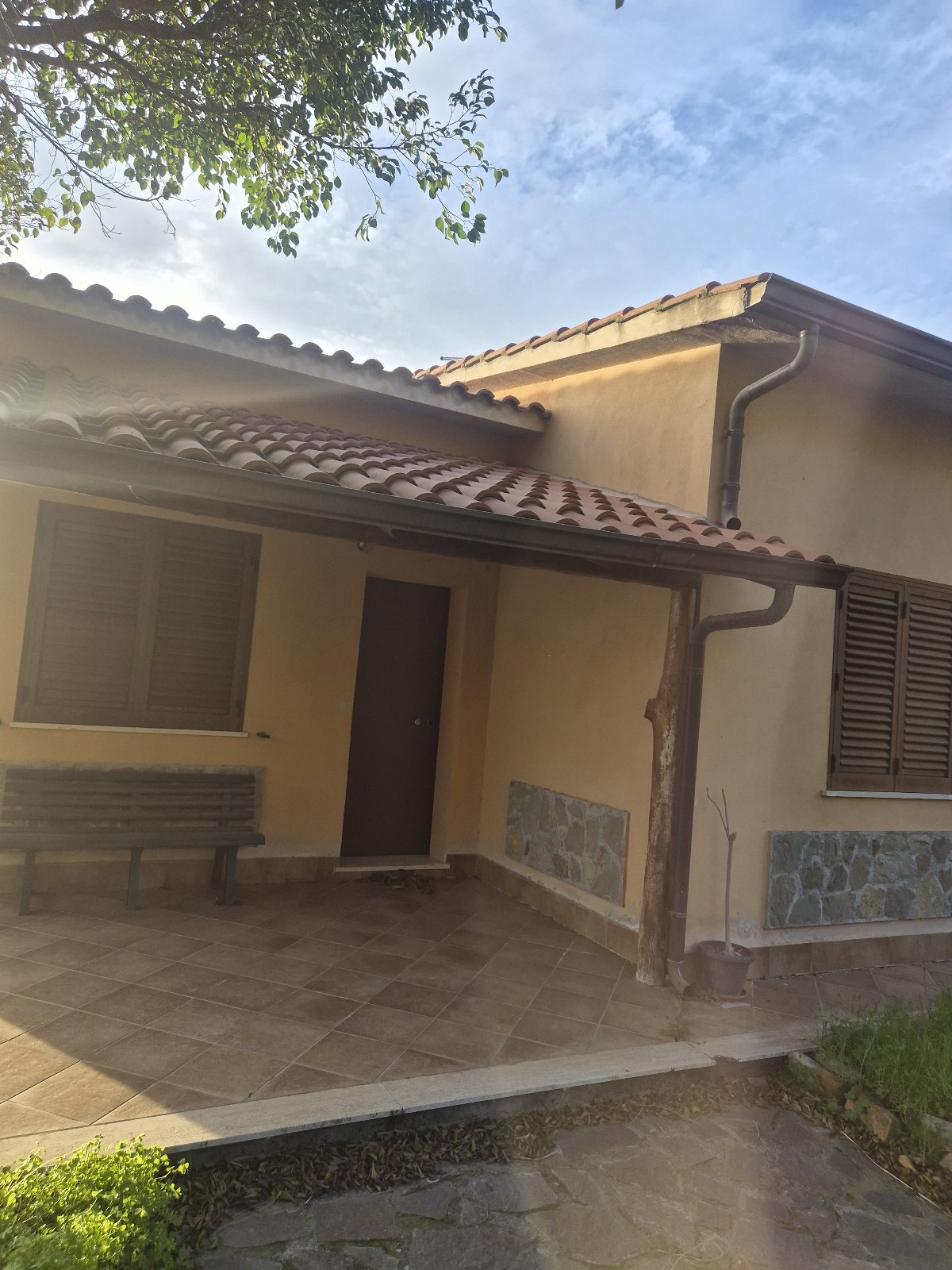
For those who prefer a more nature-oriented stay, the immediate countryside surrounding Bova offers beautiful farmhouses and country estates. These accommodations provide peaceful retreats surrounded by olive groves and bergamot orchards, often featuring spectacular views of the valley below. Whether you choose a historic townhouse or a rural retreat, you will find that the lodgings in this area prioritize authentic character, modern comfort, and excellent local hospitality.
Finding the perfect place to rest after a day of exploring is easy. In Bova, 11 selected accommodations are available. Discover accommodations in Bova to secure your ideal mountain getaway.
How to get there and get around — car, train, bus, distances
Reaching Bova requires a bit of a journey, but the scenic route is part of the adventure. The most practical and highly recommended way to get to Bova is by car. If you are arriving by plane, the closest airport is the Reggio Calabria "Tito Minniti" Airport, located about 50 kilometers away. From Reggio Calabria, you simply drive south along the SS106 Ionian state road until you reach Bova Marina, and then take the winding, panoramic provincial road that climbs up the mountain for about 14 kilometers to the historic village.
Public transportation is available but requires careful planning due to limited schedules. You can take a regional train from Reggio Calabria to the Bova Marina railway station. From Bova Marina, there is a local bus service that connects the coastal town to the upper village of Bova. However, these buses do not run frequently, especially on weekends and holidays, making a rental car the much more reliable option for tourists wanting flexibility.
Once you arrive in Bova, the best way to get around is entirely on foot. The historic center is characterized by steep, narrow alleys and staircases that are largely inaccessible to vehicles. Visitors must park their cars in the designated areas at the entrance of the village (near the historic steam locomotive monument) and proceed by walking. This pedestrian-friendly layout only adds to the peaceful, timeless atmosphere you will enjoy while booking your stay in Bova.
When to go — climate, seasons, events
The best time to visit Bova largely depends on what you want to get out of your trip. Spring (April to June) and early Autumn (September to October) are widely considered the ideal seasons. During these months, the weather is mild, the skies are generally clear, and the temperatures are perfect for hiking in the Aspromonte National Park or exploring the steep streets of the village without the intense heat of mid-summer.
Summer is the peak season for cultural vitality in the Bovesìa region. August, in particular, is when the village comes alive with the famous Paleariza festival. This award-winning ethno-cultural and musical festival celebrates the Grecanic heritage with traditional music, dancing, art exhibitions, and food stalls. While August can be hot, Bova's high altitude ensures the evenings remain pleasantly cool, making it a fantastic summer retreat.
Winter in Bova offers a completely different, deeply romantic experience. The village becomes incredibly quiet, wrapped in a mystical atmosphere. Occasionally, the village even sees a dusting of snow, transforming it into a picturesque winter wonderland. While some restaurants and attractions may have limited hours during the winter months, it is the perfect time for travelers seeking absolute solitude, roaring fireplaces, and the authentic, slow-paced rhythm of Calabrian mountain life.