The Authentic Flavors: A Culinary Journey Through the Cuisine of Castrovillari, Calabria
Perched at the foot of the majestic Pollino National Park, Castrovillari is a hidden gem for food lovers seeking the true soul of Southern Italy. The cuisine of Castrovillari, Calabria, is a testament to the region’s rugged landscape, where high-altitude pastures meet the fertile valleys of the Crati river. It is a land of ancient traditions, where every recipe tells a story of survival, celebration, and deep respect for the Earth's bounty. Visiting this town is not just a vacation; it is a sensory immersion into a world where the ingredients are local, the pace is slow, and the taste is unforgettable.
The culinary identity of this area is defined by its "cucina povera" roots, transformed over centuries into a sophisticated repertoire of flavors. From the intense heat of local chili peppers to the delicate sweetness of mountain-grown produce, the dishes here reflect the biodiversity of the Pollino massif. If you are planning to discover the heart of Northern Calabria, you will find that the hospitality of the locals is matched only by the richness of their tables. Prepare your palate for an adventure that spans from hearty mountain stews to delicate, sun-drenched pastries.
The Must-Try Traditional Dishes of Castrovillari
The first dish you must experience is Lagane e Cicciari. This is perhaps the most iconic pasta dish of the region. Lagane are wide, short strips of fresh pasta made simply from durum wheat semolina and water, without eggs. They are served with a rich, savory broth of chickpeas, garlic, rosemary, and a generous drizzle of local extra virgin olive oil. Historically a peasant dish, it represents the perfect balance of proteins and carbohydrates. You can find this authentic preparation in the traditional trattorias located in the historic center of the town, where grandmothers still roll the dough by hand.
Next on your list should be Pasta 'mbottita (stuffed pasta). Unlike the Northern Italian lasagna, this Castrovillari specialty features layers of pasta filled with a rich ragù of pork, hard-boiled eggs, meatballs, and local caciocavallo cheese. It is a dish born for Sunday feasts and special celebrations. The depth of flavor, achieved by the slow cooking of the meat sauce, is unparalleled. Many local restaurants serve this as their signature dish, often accompanied by a glass of strong, local red wine.
Third is the Pitta di Patate, a savory potato cake that showcases the versatility of the local potato harvest. Unlike a standard pie, this is a dense, flavorful crust made of mashed potatoes, stuffed with sautéed chard, sausage, or even baccalà (salted cod). It is baked until the top is golden and crispy. You will often find this sold in local bakeries as a snack or appetizer. It is the ultimate comfort food, reflecting the mountain heritage of the Pollino area.
Fourth, you cannot leave without tasting Cullurielli. These are fried dough rings, similar to savory donuts, often made with a potato-based dough. While they are a staple during Christmas, they are now enjoyed year-round. They are best eaten piping hot, straight out of the fryer, sometimes filled with anchovies or simply dusted with salt. They are the quintessential street food of Castrovillari, perfect for eating while strolling through the narrow, winding alleys of the town.
Finally, there is the Capretto al forno (roasted kid goat). Given the proximity to the rugged Pollino mountains, the meat here is of exceptional quality. The kid goat is marinated with wild mountain herbs, garlic, and local olive oil, then slow-roasted in a wood-fired oven. The result is succulent, tender meat with a distinct, earthy aroma. It is a seasonal delicacy that defines the high-end rustic dining experience in the area.
The Authentic Products of the Local Territory
Castrovillari is a treasure trove of DOP and IGP products. The Extra Virgin Olive Oil of the Pollino is legendary, known for its low acidity and bright, grassy notes. It is the backbone of every recipe in the kitchen. When you walk through the local markets, you will also notice an abundance of Peperoncino di Calabria. While the 'Nduja—a spicy, spreadable pork sausage—is technically more famous in the southern parts of the region, the northern hills have their own spicy traditions, often incorporating chili into every savory preparation to add a "kick" that awakens the senses.
The region is also famous for its Fichi di Cosenza (IGP). These dried figs are a true delicacy, often stuffed with walnuts, almonds, and citrus peel, then baked or dipped in dark chocolate. During the autumn months, the aroma of drying figs fills the air. Additionally, the Caciocavallo Silano DOP, a stretched-curd cheese aged in the cool mountain caves of the Pollino, provides a sharp, nutty finish to any meal. It is a product that embodies the history of transhumance in the region.
While the famous Bergamot is synonymous with the Reggio Calabria coast, the inland areas of Castrovillari pride themselves on their citrus orchards and ancient fruit varieties. The local apples and cherries from the higher altitudes are prized for their intense sweetness and crisp texture. Supporting local producers by buying these items at the source ensures that you are tasting the true, unadulterated essence of the Calabrian land, far removed from mass-produced supermarket varieties.
The Best Restaurants and Trattorias
Dining in Castrovillari is an intimate affair. Most high-quality eateries are family-run businesses where the chef is often the owner, and the recipes have been passed down for generations. If you are looking for an upscale yet traditional experience, look for restaurants near the main piazza that specialize in "cucina del territorio." These establishments often feature stone walls and wooden ceilings, creating a rustic and cozy atmosphere. Prices are generally very accessible, with a full, multi-course meal often costing between 25 and 40 euros per person.
For a more casual experience, seek out the trattorias tucked away in the medieval quarters. These spots are where the locals go for their daily lunch. You can expect to find simple, hearty portions of pasta and fresh seasonal vegetables. The service is informal and warm; do not be surprised if the owner stops by your table to explain the origin of the ingredients. These places are the best locations to find the authentic Pasta 'mbottita or the freshest Cullurielli.
When choosing where to eat, always look for the "Slow Food" presidium signs or recommendations from locals. A great way to start your search is by looking for places that serve wine from the local hills. The best advice is to wander away from the main tourist paths. If you see a place filled with local families on a Sunday afternoon, you have found the right spot. For travelers looking for a comfortable base to explore these culinary delights, remember that Castrovillari offers unique opportunities to live like a local.
Wines and Spirits of Calabria
The wine scene in Northern Calabria is undergoing a renaissance. The Cirò DOC, produced from the Gaglioppo grape, is the most famous export of the region. It is a robust, tannic red that pairs perfectly with the fatty, flavorful meat dishes of Castrovillari. However, do not overlook the smaller, local labels from the Pollino slopes. These wines often utilize indigenous grapes that produce lighter, more floral reds and crisp, mineral-heavy whites that are perfect for summer evenings.
For those with a sweet tooth, the Greco di Bianco is a dessert wine of ancient origins, often described as the "nectar of the gods." While it hails from the southern coast, it is widely appreciated and available in the best cellars of Castrovillari. If you prefer something stronger, explore the world of Calabrian Amari. These herbal liqueurs, made from secret combinations of local roots, bark, and citrus peels, are the perfect way to finish a heavy meal. They are not just drinks; they are digestive tonics that reflect the medicinal herb traditions of the nearby mountains.
Artisanal liqueurs made from Liquorice (liquirizia) or Citron (cedro) are also a must-try. The Calabrian liquorice is considered the best in the world, and the liqueur version is thick, dark, and intensely flavored. Sampling these local spirits is an essential part of the dining experience, often offered by the host as a gesture of hospitality after a long, satisfying dinner.
Markets and Gastronomic Festivals
The local markets are the lifeblood of the town. Visiting the weekly rionale market provides a glimpse into the daily life of the residents. Here, you can find farmers selling seasonal produce, fresh cheeses, and cured meats directly from their farms. It is the perfect place to pick up some pecorino or a jar of "bomba calabrese"—a spicy vegetable preserve—to take home as a souvenir.
Castrovillari is also famous for its seasonal festivals (sagre). The most notable is the Carnevale di Castrovillari, which, while focused on masks and parades, is deeply connected to food. During this time, the streets are filled with stalls selling traditional fried sweets and hearty, warming dishes. Throughout the year, various sagre dedicated to specific ingredients like chestnuts, mushrooms, or wine are held in the surrounding villages, providing a fantastic opportunity to taste multiple preparations of a single product.
If you are in the area during the autumn, keep an eye out for the chestnut festivals. The Pollino forests produce some of the finest chestnuts in Italy, and the locals celebrate the harvest with roasts, soups, and desserts. These festivals are lively, communal events where music, dance, and food intertwine, offering a truly authentic slice of Calabrian culture that you won't find in any guidebook.
Culinary Experiences and Where to Stay
To truly understand the cuisine of Castrovillari, Calabria, you should participate in a hands-on cooking class. Many local agriturismi (farm stays) offer courses where you can learn to make handmade pasta or prepare traditional preserves. These experiences often start with a walk through the vegetable garden to pick the ingredients yourself, followed by a cooking session and a shared meal with the host family. It is a transformative way to learn the secrets of the Mediterranean diet.
Visiting a local producer is another essential experience. Whether it is an olive oil mill or a cheese producer in the mountains, seeing the production process firsthand gives you a new appreciation for the quality of the final product. Many producers are happy to host tastings, allowing you to compare different vintages of oil or ages of cheese. These visits are often the highlight of a trip, providing a connection to the land that you simply cannot get in a restaurant.
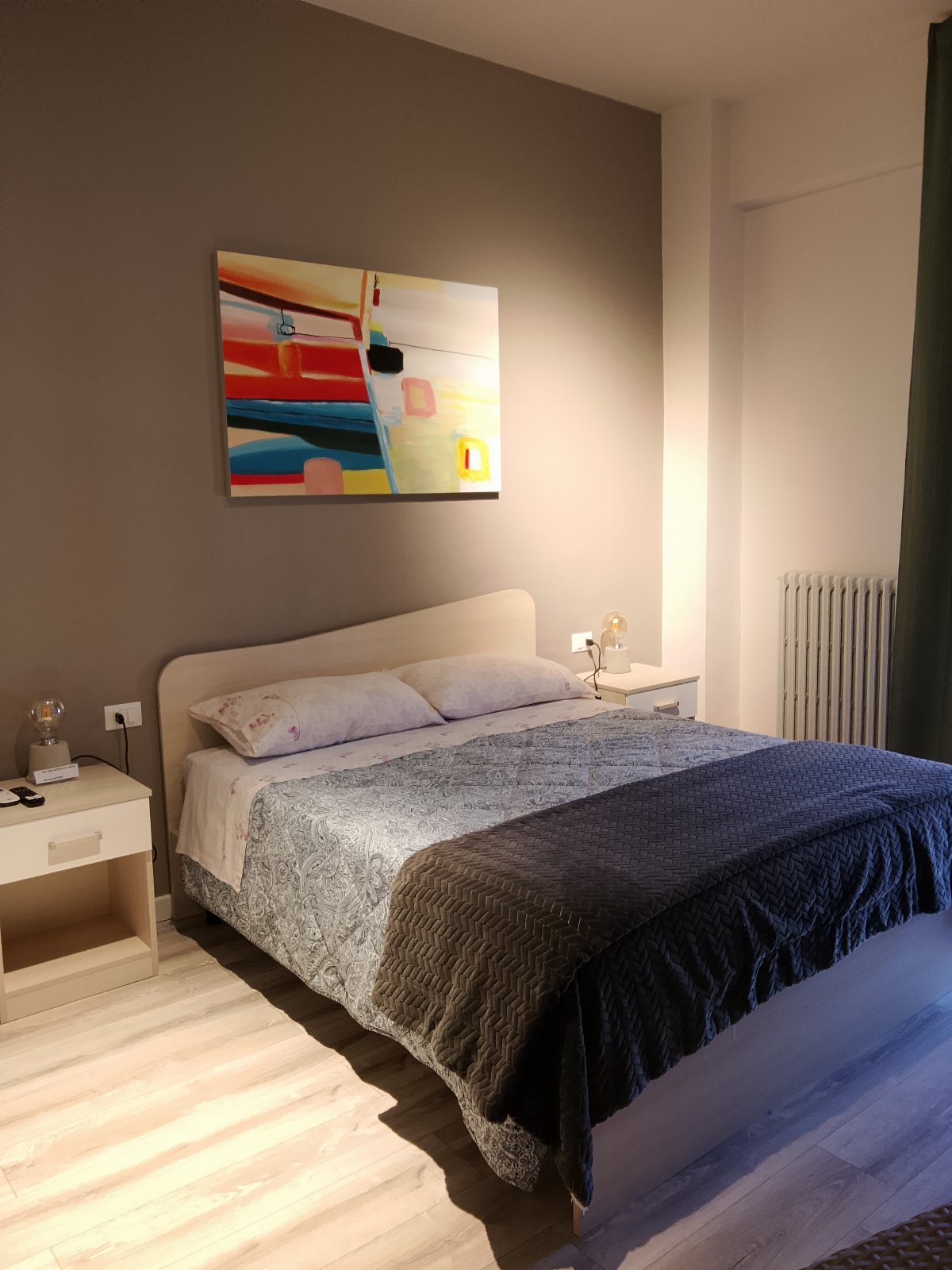
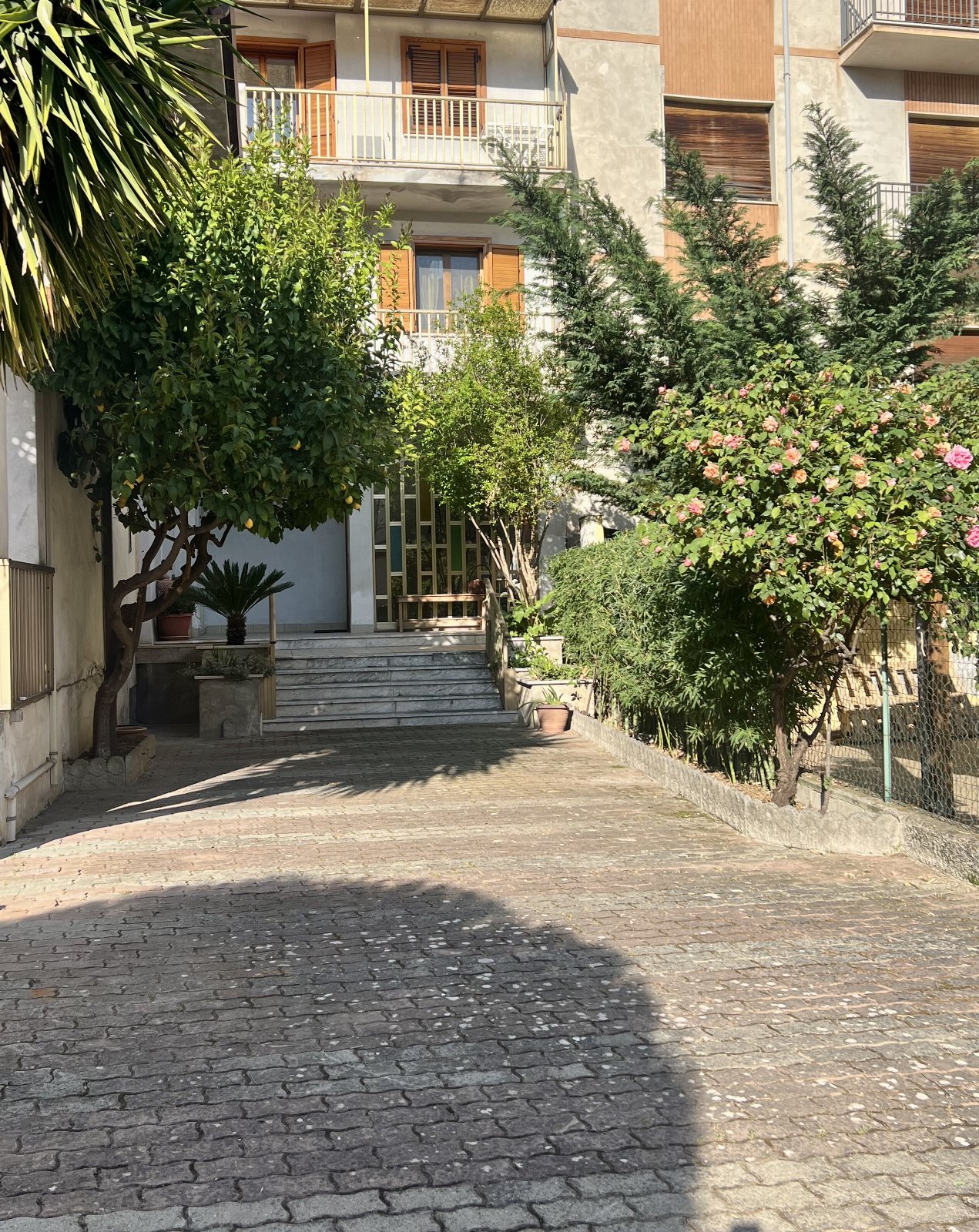
Planning your stay is crucial to enjoying these experiences at a relaxed pace. You want a home base that combines comfort with the charm of the local architecture. A stay in the historic center allows you to be within walking distance of the best trattorias and markets. A Castrovillari are available 2 local accommodations. Scopri gli alloggi a Castrovillari. Choosing the right place to sleep is the first step in ensuring your gastronomic journey through this beautiful region is as comfortable as it is delicious.