The Ultimate Guide: What to see in Ricadi, Calabria
Ricadi is a hidden gem nestled on the "Coast of the Gods" (Costa degli Dei) in the province of Vibo Valentia. While many tourists flock to the nearby bustling town of Tropea, Ricadi offers a more authentic, tranquil, and breathtaking experience. Perched on the Capo Vaticano promontory, this municipality is a tapestry of rugged cliffs, turquoise waters, and ancient agricultural traditions. Whether you are a lover of pristine nature, history, or Mediterranean cuisine, Ricadi promises an unforgettable journey through one of Italy’s most scenic corners.
Planning your trip to this area requires a sense of adventure. The landscape here is dramatic, characterized by granite rocks dropping into the Tyrrhenian Sea and views that stretch as far as the Aeolian Islands on a clear day. This guide will help you navigate the best of what Ricadi has to offer, ensuring you don't miss the hidden coves or the historical landmarks that define this unique Calabrian destination.
The top 5 unmissable attractions in Ricadi
1. Capo Vaticano Lighthouse and Belvedere: The absolute symbol of Ricadi, this lighthouse has been guiding sailors since 1870. The surrounding cliffside offers the most iconic panoramic view in all of Calabria. You can reach the viewpoint at any time for free, though the lighthouse itself is not open to the public. Tip: Visit at sunset for a spectacular display of colors over the Stromboli volcano.
2. Grotticelle Beach: Often cited as one of the most beautiful beaches in Italy, Grotticelle is actually a series of three small, interconnected sandy bays. The water is crystalline, making it a paradise for snorkelers. Access is free, though parking can be challenging in peak August. Tip: Arrive before 9:00 AM to secure a spot on the sand, as it is highly popular with locals and tourists alike.
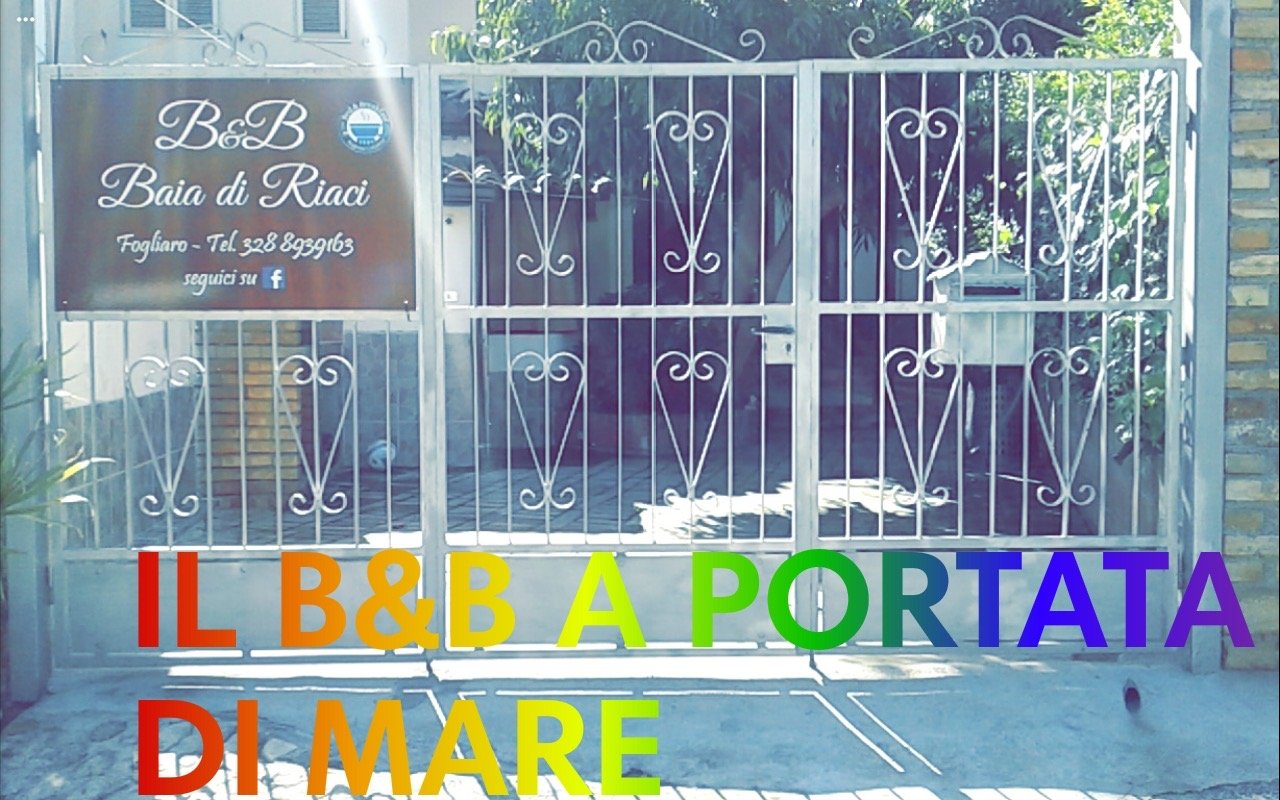
3. Baia di Riaci: Located slightly further north, this beach is famous for its towering rock formations and a sea cave that you can swim into. It is a fantastic spot for families and nature lovers. There are various lidos offering umbrellas and sunbeds for rent (approx. 15-25 EUR per day), but free beach sections are also available.
4. The Red Onion Fields (Cipolla Rossa di Tropea): Ricadi is the heart of the production of the famous sweet red onion. Driving through the countryside, you will see vast fields dedicated to this IGP product. Many local farms offer tours and tastings. There is no entrance fee, but you will certainly want to buy some local delicacies as souvenirs.
5. Tonicello Beach: A more secluded and rugged spot compared to Grotticelle, Tonicello is perfect for those seeking peace. It is framed by granite cliffs and lush Mediterranean scrub. It is easily accessible via trails from the main road. Tip: Bring water and snacks, as facilities here are minimal, preserving its wild charm.
Museums and cultural sites
The cultural heart of Ricadi is best experienced at the Museo Civico del Mare e dell'Agricoltura. This museum is a testament to the dual identity of the region: the fishing traditions of the coast and the deep-rooted farming culture of the inland hills. You will find ancient tools used for harvesting onions, traditional fishing nets, and historical artifacts that tell the story of the Capo Vaticano inhabitants. It is a small but dense collection that provides context to the landscape you see outside.
The museum is usually open during the summer months (June to September) in the afternoons, typically from 5:00 PM to 8:00 PM. Admission is very affordable, usually around 3-5 EUR. To reach it, head to the town center of Ricadi. If you are staying in the area, it is a great way to escape the midday sun for an hour while learning about the fascinating history of the "Coast of the Gods." For those interested in deeper research, the local library often hosts archives regarding the noble families who once held power over these lands.
Churches and historical monuments
Ricadi is home to several religious structures that reflect the architectural simplicity and religious devotion of the Calabrian people. The Chiesa di Santa Maria delle Grazie is the most prominent church in the village. It features a modest but elegant facade and a serene interior that serves as a focal point for the community. It is open for daily services and remains a place of quiet reflection for visitors exploring the historic center.
Furthermore, the area is dotted with ancient defensive structures known as the Torri Saracene (Saracen Towers). Built between the 15th and 16th centuries, these towers were part of a sophisticated coastal defense system designed to protect the region from pirate raids. While many are now private property or in ruins, they remain a hauntingly beautiful feature of the landscape. Visiting these sites offers a glimpse into the turbulent past of the Mediterranean, where the sea brought both prosperity and danger to the shores of Ricadi.
Nature and natural parks
While Ricadi is famed for its beaches, the inland territory is characterized by the rolling hills of the Poro Plateau. This area is perfect for hiking and cycling, offering a cool respite from the coastal heat. The trails wind through olive groves and orchards, providing sweeping views of the coastline. It is not an official "National Park," but the biodiversity here is protected by local environmental initiatives that keep the landscape authentic and vibrant.
For those interested in more rugged nature, a short drive brings you towards the foothills of the Serre Mountains. Here, you can find hidden fiumare (seasonal watercourses) and dense forests that offer a completely different experience from the beach. Whether you are trekking or simply driving the scenic routes, the natural beauty of the Ricadi countryside is undeniable. Remember to respect the environment and stick to marked paths to preserve the delicate ecosystem of this Ricadi region.
Itinerary in one day: 8 hours in Ricadi
Start your day at 8:30 AM at the Capo Vaticano Belvedere for the best light of the day and a coffee with a view. Spend the morning (9:30 AM - 12:30 PM) swimming and snorkeling at Grotticelle Beach. By 1:00 PM, head to a local trattoria in the town of Ricadi to taste traditional pasta with red onion sauce or fresh swordfish caught in the Tyrrhenian sea.
In the afternoon (3:00 PM - 5:00 PM), visit the Museo Civico to understand the local history. Afterward, take a leisurely drive through the Poro Plateau to see the countryside. Conclude your day at 6:30 PM with an aperitivo on a terrace overlooking the sea at Capo Vaticano, watching the sun dip below the horizon near the Aeolian Islands. It is an optimized way to experience the best of Ricadi without feeling rushed.
What to see in the surroundings
Within a 30 to 60-minute radius, you have access to some of Calabria's most spectacular locations. Tropea is only 15 minutes away and is a must-see for its dramatic cliffside cathedral, the Santa Maria dell'Isola. The historic center of Tropea is filled with boutiques, cafes, and stunning architecture that you simply cannot miss.
Alternatively, drive south towards Pizzo Calabro (about 40 minutes). Famous for its "Tartufo" ice cream, Pizzo also boasts the fascinating Chiesetta di Piedigrotta, a church carved entirely into the rock face by the sea. If you have more time, head inland to the medieval village of Zungri, where you can explore the Insediamento Rupestre, an ancient rock-cut settlement that dates back to the Byzantine era, offering a unique archaeological experience.
Where to stay to visit Ricadi with calm
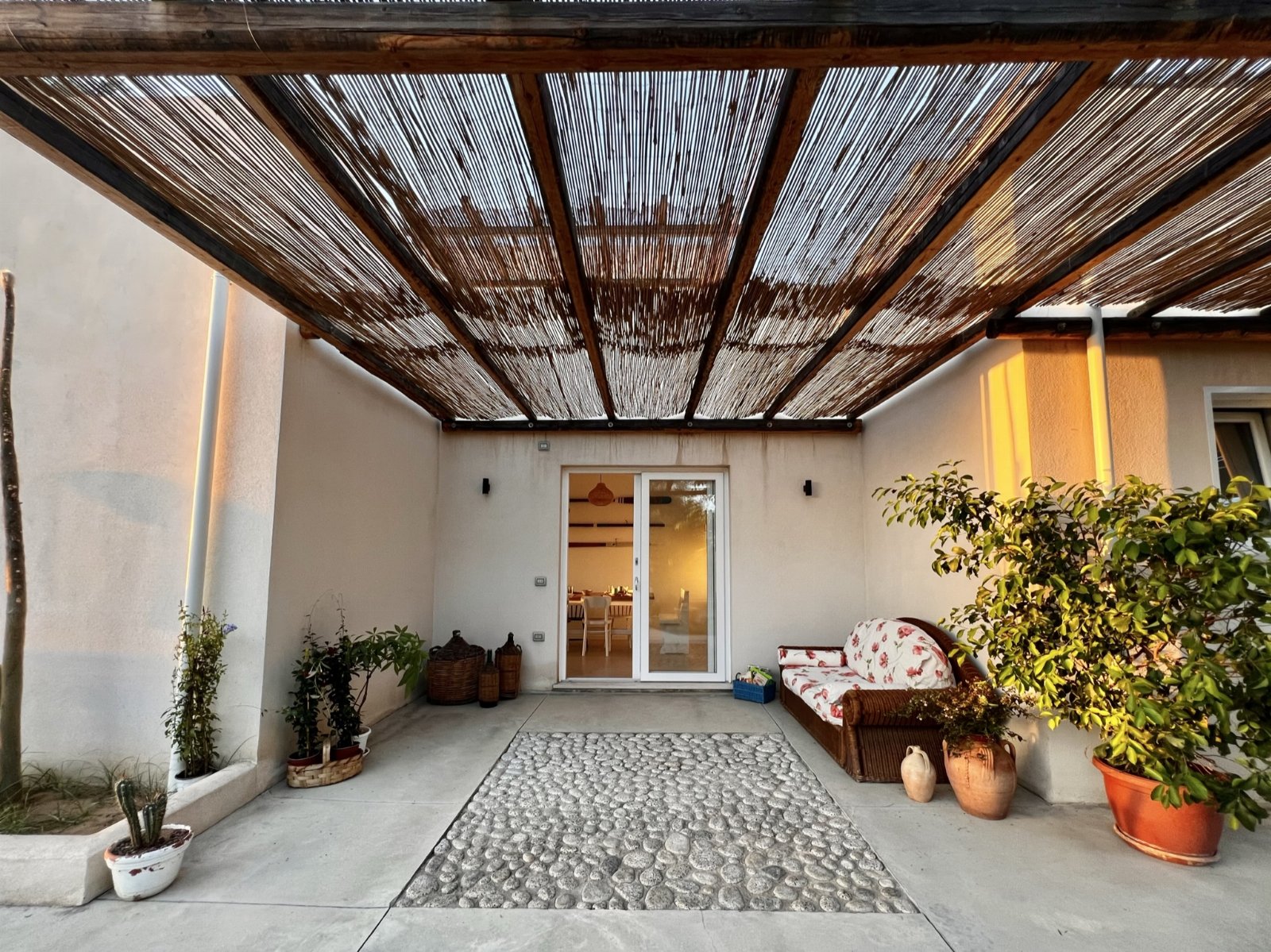
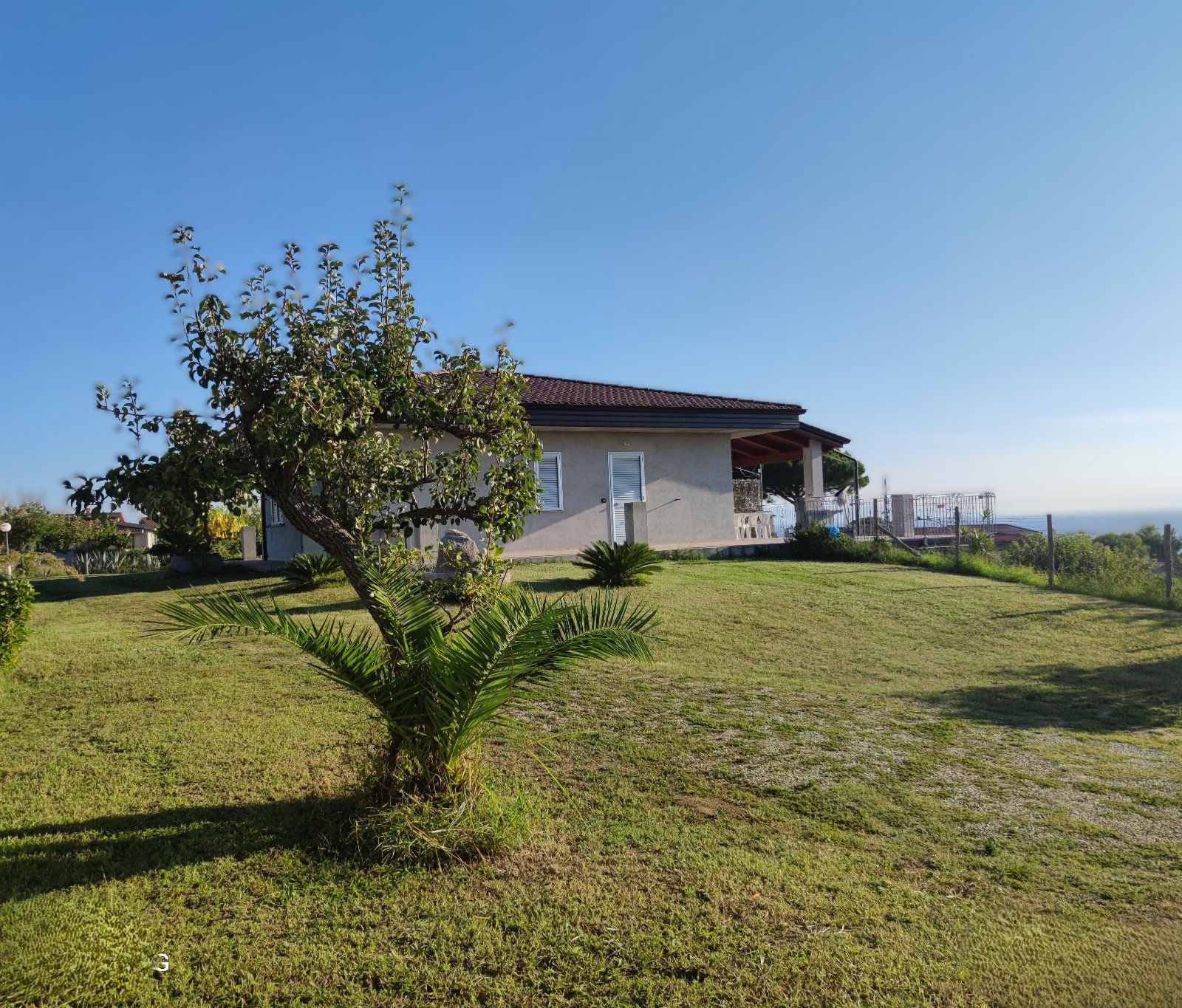
To truly appreciate the beauty of this area, staying in a local property is recommended. Being based in Ricadi allows you to avoid the traffic of the larger tourist hubs while remaining close to all major attractions. A comfortable base will give you the flexibility to enjoy early morning beach sessions and late evening dinners in the countryside.
A Ricadi sono disponibili 5 alloggi selezionati. Scopri gli alloggi a Ricadi. Choosing the right accommodation will ensure your holiday is relaxing and well-organized, allowing you to immerse yourself in the slow-paced lifestyle that makes this part of Calabria so incredibly special.