Ultimate Guide to Cosa Vedere Reggio Calabria Calabria: What to See
Welcome to the magnificent "toe" of Italy's boot. Situated at the very tip of the Italian peninsula, Reggio Calabria is a vibrant coastal city where ancient mythology, dramatic history, and breathtaking natural beauty converge. Separated from the island of Sicily by the narrow, sparkling waters of the Strait of Messina, this city offers panoramic views dominated by the smoking peak of Mount Etna. Whether you are a history buff, a nature lover, or a foodie in search of authentic Southern Italian flavors, this destination has something extraordinary to offer.
Originally founded by the ancient Greeks in the 8th century BC as Rhegion, the city has endured centuries of conquests, pirate raids, and devastating earthquakes, most notably the catastrophic tremor of 1908. Yet, Reggio Calabria has always rebuilt itself, resulting in a fascinating urban layout characterized by elegant Art Nouveau (Liberty style) architecture, wide avenues, and lush botanical gardens. This comprehensive guide will walk you through the ultimate itinerary of what to see and do in this captivating Calabrian capital.
The Main Attractions: 5 Must-See Wonders
If you want to understand the true soul of the city, you must start with its most iconic landmarks. These five attractions represent the historical and cultural pillars of Reggio Calabria.
- The Riace Bronzes at the National Archaeological Museum: You simply cannot visit Reggio Calabria without seeing the Bronzi di Riace. Housed in the Museo Archeologico Nazionale (MArRC), these two magnificent, larger-than-life Greek bronze warriors date back to the 5th century BC. Discovered by a scuba diver in the Ionian Sea in 1972, they are among the finest surviving examples of ancient Greek sculpture. The museum is open Tuesday to Sunday from 9:00 AM to 8:00 PM, with an entrance fee of €8.
- Lungomare Falcomatà (The Seafront): Famously dubbed "the most beautiful kilometer in Italy" by the poet Gabriele D'Annunzio, this promenade is the beating heart of the city. Lined with giant ficus trees, exotic palms, and colorful flowers, it offers an unparalleled view of the Strait of Messina. It is completely free to walk and is the perfect place for a sunset stroll.
- The Aragonese Castle (Castello Aragonese): Standing proudly in the historical center, this fortress dates back to the Byzantine era but was heavily fortified by the Aragonese in the 15th century. Today, it hosts temporary art exhibitions and offers great views of the city. It is generally open Tuesday to Sunday (8:30 AM to 1:00 PM and 2:30 PM to 6:30 PM), with a nominal entry fee of around €2.
- The Cathedral (Duomo di Reggio Calabria): The Metropolitan Cathedral of Maria Santissima Assunta is the largest religious building in Calabria. Rebuilt in a stunning Romanesque-Byzantine style after the 1908 earthquake, its interior features magnificent stained glass windows and the incredibly ornate Chapel of the Holy Sacrament, decorated with precious marbles. Entry is free.
- The Rabarama Sculptures: Dotted along the Lungomare Falcomatà, you will find three striking, contemporary sculptures by the Italian artist Rabarama. These large, humanoid figures covered in intricate patterns create a fascinating contrast with the ancient history of the city and the natural beauty of the sea behind them.
To fully enjoy these sights without rushing, finding the perfect base is essential. Take a look at our highly recommended accommodations in Reggio Calabria to start planning your stay.
Museums and Cultural Sites: Delving into History
Beyond the world-famous archaeological museum, Reggio Calabria boasts a rich tapestry of cultural institutions that dive deep into the region's artistic and astronomical heritage.
The Pinacoteca Civica (Civic Art Gallery), located within the elegant Teatro Cilea, is a hidden gem for art lovers. The gallery houses a remarkable collection of paintings, including two rare masterpieces by the Renaissance genius Antonello da Messina, as well as works by the Calabrian Baroque painter Mattia Preti. The gallery is open Tuesday to Saturday from 8:30 AM to 1:00 PM (with afternoon hours varying by season), and tickets cost around €3.
For a unique outdoor historical experience, you can visit the Greek Walls and Roman Baths (Mura Greche e Terme Romane). Located right on the Lungomare, these archaeological sites are open-air and free to view at any time. The Greek walls represent the ancient fortifications of Rhegion, while the Roman baths feature beautifully preserved black and white mosaic floors. Additionally, science enthusiasts should not miss the Planetario Pythagoras, one of the most advanced planetariums in Southern Italy, offering fascinating shows about the cosmos.
Churches and Historical Monuments: Architectural Marvels
The religious and military architecture of Reggio Calabria tells a compelling story of devotion, defense, and resilience. While the Duomo dominates the skyline, several other historical monuments deserve your attention.
The Chiesa degli Ottimati is one of the most historically significant churches in the city. Located near the Aragonese Castle, this Byzantine-Norman church was originally built in the 10th century. Its most striking feature is the stunning Cosmatesque mosaic floor, created from pieces of ancient marble. The red domes of the church are a nod to the strong Arab-Norman architectural influence that swept through Southern Italy.
As you explore the city center, you will notice the profound impact of the 1908 earthquake on the urban landscape. The subsequent reconstruction birthed a wave of beautiful Liberty style (Art Nouveau) buildings. Palaces such as Palazzo Spinelli and Palazzo Zani showcase intricate floral motifs, wrought-iron balconies, and elegant facades. Furthermore, driving along the broader provincial coastline, you can spot the remnants of ancient Saracen Towers, stone lookouts built centuries ago to warn locals of approaching pirate fleets.
Nature and Natural Parks: Aspromonte and Beyond
Reggio Calabria is not just a coastal paradise; it serves as the ultimate gateway to the rugged, wild beauty of the Aspromonte National Park. Historically part of the broader Parco Nazionale della Calabria, this mountain massif rises dramatically behind the city, offering a striking contrast to the Mediterranean coastline.
The landscape of the Aspromonte is famous for its fiumare—wide, stony riverbeds that remain dry during the scorching summer months but transform into rushing torrents during winter storms. The park is heavily forested with ancient pines, towering beech trees, and sweet chestnuts, providing a cool, shaded retreat from the summer heat. Wildlife thrives here, including the Apennine wolf, wildcats, and golden eagles soaring above the peaks.
For outdoor enthusiasts, the park offers endless hiking opportunities. Popular excursions include the trek to the Marmarico Waterfall (the highest in Calabria) or hiking up to Montalto, the highest peak of the Aspromonte, where a bronze statue of Christ the Redeemer gazes out over the sea. Due to the rugged terrain, hiring a local guide is highly recommended to safely explore the hidden trails and ancient forests.
One Day Itinerary: 8 Hours in Reggio Calabria
If you only have one day to explore the city, a well-planned itinerary is crucial to experience the best of Reggio Calabria without feeling rushed. Here is how to optimize an 8-hour visit.
Morning (9:00 AM - 1:00 PM): Start your day right when the doors open at the National Archaeological Museum. Spend about two hours marveling at the Riace Bronzes and the extensive collection of Magna Graecia artifacts. Afterward, take a leisurely stroll down Corso Garibaldi, the city's main pedestrian shopping street. Stop at a local café for a strong espresso and a traditional pastry.
Lunch (1:00 PM - 2:30 PM): Head to a traditional trattoria tucked away in the side streets near the center. Reggio Calabria is famous for its seafood and spicy meats. Order a plate of fresh swordfish (pesce spada) caught directly in the Strait, or try pasta tossed with spicy 'nduja. Don't forget to ask for a dish flavored with Bergamot, the rare citrus fruit that grows almost exclusively in this specific province.
Afternoon and Aperitivo (2:30 PM - 5:00 PM): Walk off your lunch by heading to the Lungomare Falcomatà. Admire the giant ficus trees, the Rabarama sculptures, and the ancient Roman Baths. By mid-afternoon, make your way up to the Aragonese Castle to explore its ancient walls and enjoy a panoramic view of the city. End your 8-hour tour at a beachfront kiosk as the sun begins to set. Order a Bergamot Spritz, enjoy some local olives, and watch the sky turn pink over Mount Etna.
To ensure you are perfectly positioned to enjoy this itinerary, we suggest booking a central room. Browse the best places to sleep in Reggio Calabria to secure your ideal spot.
What to See Nearby: Day Trips from Reggio Calabria
If you have access to a car or are willing to use local trains, the areas surrounding Reggio Calabria offer incredible day-trip destinations that can be reached in just 30 to 60 minutes.
Just 30 minutes north lies the mythical fishing village of Scilla. Famous in Homer's Odyssey as the home of the sea monster Scylla, today it is one of Italy's most picturesque coastal towns. The district of Chianalea is known as the "Little Venice of the South," where fishermen's houses are built directly on the rocks, with waves crashing against their foundations. Be sure to visit the imposing Ruffo Castle that separates the two main beaches.
About 40 minutes to the south, you will find the hauntingly beautiful ghost town of Pentedattilo. Nestled in the Aspromonte mountains, the village gets its name from the massive rock formation it sits upon, which resembles a giant, five-fingered hand (pente daktylos in Greek). Abandoned in the 1960s due to the threat of landslides, it has recently seen a minor revival with artisan shops and is a paradise for photographers seeking a unique, melancholic atmosphere.
Where to Stay to Visit Reggio Calabria at Your Own Pace
Choosing the right accommodation is the key to a relaxing and immersive Calabrian holiday. Staying in the city center allows you to easily walk to the seafront, the archaeological museum, and the best local restaurants without worrying about parking or public transport schedules.
Whether you are looking for a charming boutique bed and breakfast offering panoramic views of the Strait of Messina, or a spacious, modern apartment equipped with all amenities near Corso Garibaldi, the city caters to every type of traveler and budget. Waking up to the sea breeze and the scent of citrus is an experience you won't easily forget.
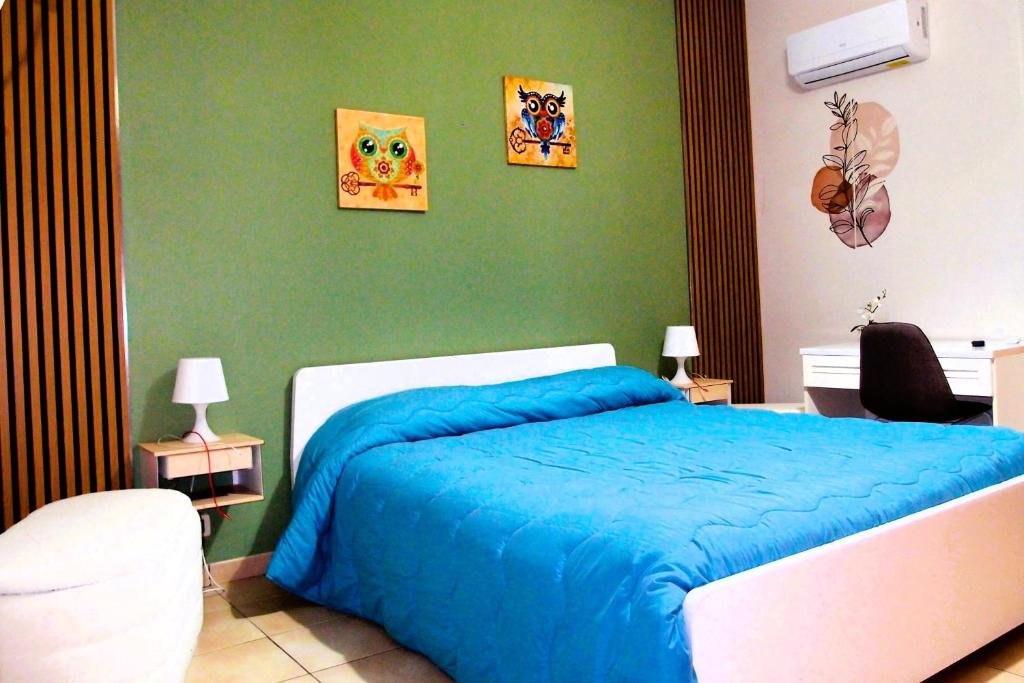
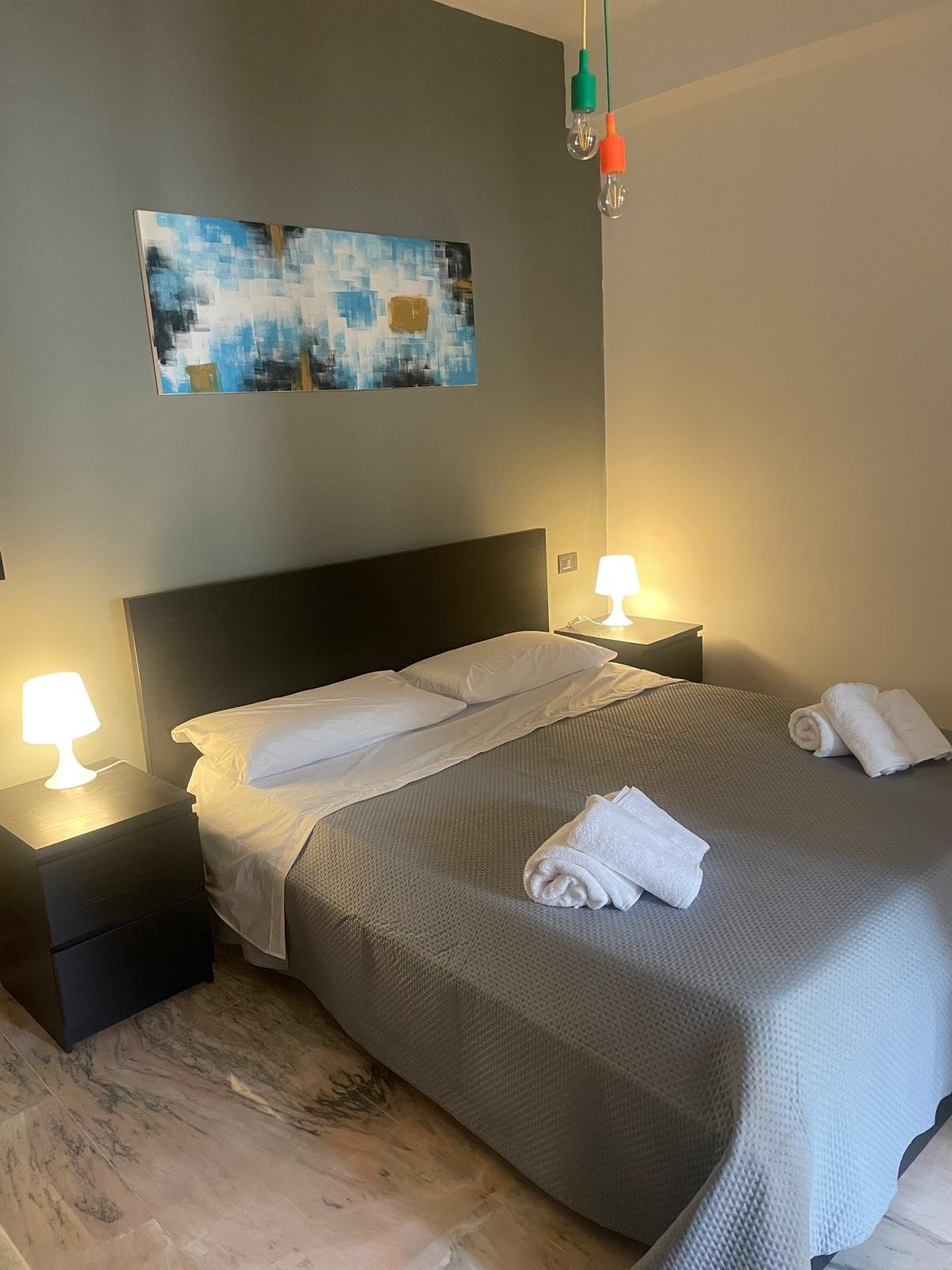
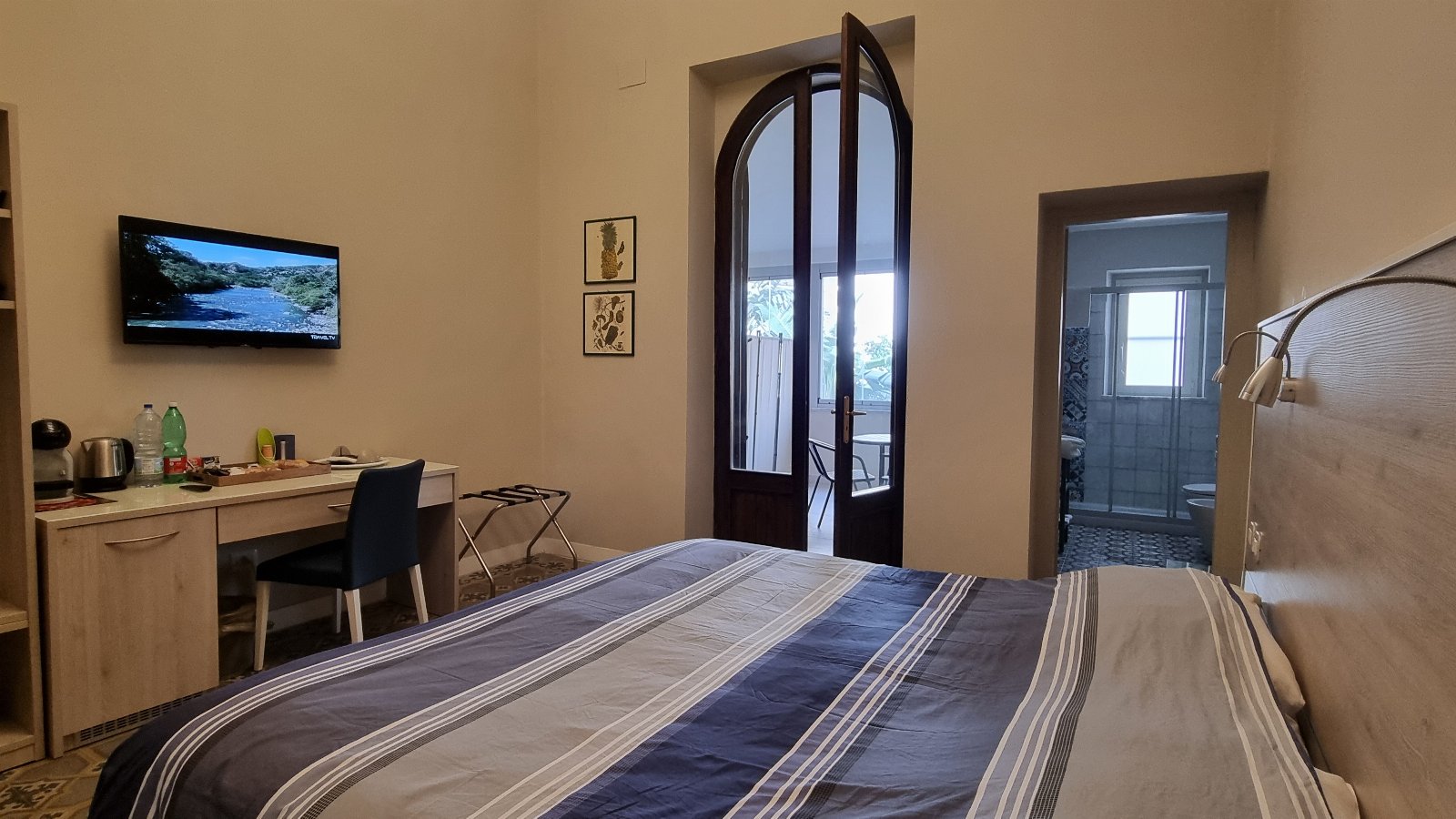
A Reggio Calabria sono disponibili 24 alloggi selezionati. Scopri gli alloggi a Reggio Calabria. Booking the right room will ensure you have a comfortable, verified base from which to explore the city's ancient history, vibrant culture, and stunning natural surroundings at your absolute leisure.