Cosa vedere Pizzo Calabria: The Ultimate Travel Guide
Perched dramatically on a sheer cliff overlooking the sparkling waters of the Tyrrhenian Sea, Pizzo is one of the most enchanting towns on Calabria's famous Costa degli Dei (Coast of the Gods). If you are wondering about cosa vedere Pizzo Calabria, you are in for a treat. This picturesque fishing village seamlessly blends ancient history, stunning coastal landscapes, and a world-renowned culinary tradition into a single, unforgettable destination. Whether you are a history buff, a beach lover, or a foodie, Pizzo offers a deeply authentic southern Italian experience.
Unlike some of the more commercialized tourist hubs, Pizzo retains its traditional charm. The labyrinthine alleyways of the historic center, the scent of sea salt mixing with freshly brewed espresso, and the vibrant local life in the main piazza make it a captivating place to explore. Planning your trip here means diving into a rich cultural tapestry where every cobblestone has a story to tell, and every sunset over the sea feels like a private masterpiece.
This comprehensive guide will walk you through everything you need to know to plan the perfect visit. From ancient castles and rock-hewn churches to lush natural parks and the legendary local gelato, you will discover why this Calabrian gem deserves a top spot on your Italian travel itinerary.
Main Attractions: The Top 5 Unmissable Sights
The beauty of Pizzo lies in its diverse range of attractions. The absolute must-see is the Chiesetta di Piedigrotta, a unique church carved entirely out of a natural cave on the beach. Legend has it that shipwrecked Neapolitan sailors carved the initial altar in the 17th century to thank the Madonna for saving their lives. Later, local artists expanded it, carving intricate statues directly from the sedimentary rock. The church is open daily from 9:00 AM to 7:30 PM during the summer, with an entrance fee of around €3.00. The way the afternoon sunlight dances on the stone figures is truly magical.
Next on the list is the formidable Castello Murat (Murat Castle). Built in the 15th century by Ferdinand I of Aragon to defend the coast from Saracen pirates, the castle is most famous as the site where Joachim Murat, Napoleon's brother-in-law and King of Naples, was imprisoned and executed by firing squad in 1815. The castle is open from 9:00 AM to 8:00 PM in peak season, and tickets cost roughly €3.00. Inside, you can explore the historical cells and enjoy panoramic views of the Gulf of Sant'Eufemia from the battlements.
No visit is complete without spending time in Piazza della Repubblica, the beating heart of the town. This vibrant square is often referred to as Pizzo's "living room." Here, you must try the world-famous Tartufo di Pizzo, a decadent hazelnut and chocolate ice cream bomb with a molten chocolate core, dusted in cocoa powder. Afterward, take a stroll down the Marina di Pizzo, a charming seaside promenade perfect for watching local fishermen. Finally, seek out the Vicolo dei Baci (Alley of Kisses), a narrow, romantic staircase decorated with photos of iconic cinematic kisses—a perfect spot for a memorable holiday photo.
Museums and Cultural Sites in Pizzo
While Pizzo is an open-air museum in itself, it also offers specific cultural sites that dive deep into the region's heritage. The primary cultural institution is housed within the Castello Murat. The castle functions as a historical museum, featuring a permanent exhibition dedicated to the last days of Joachim Murat. Visitors can view historical documents, period uniforms, weapons, and a dramatic reconstruction of Murat's trial and imprisonment. The museum provides excellent context regarding Calabria's role during the Napoleonic era.
Beyond the castle, Pizzo's cultural identity is deeply tied to the sea, specifically the ancient tradition of tuna fishing. While there isn't a massive standalone archaeological museum, the maritime culture is preserved through local associations and smaller exhibits near the Marina. You can learn about the historic Tonnara (tuna fishery) system, which was the economic lifeblood of the town for centuries. Guided walking tours often include detailed histories of these fishing practices, explaining how massive nets were used to sustainably catch tuna migrating through the Mediterranean.
For those interested in deeper archaeological history, Pizzo serves as a great starting point to explore the broader Vibo Valentia province. The town itself is built over ancient Greek and Roman settlements. While major excavations are located in nearby Vibo Valentia (which houses the National Archaeological Museum), a walk through Pizzo's oldest neighborhoods reveals ancient defensive walls and architectural remnants that date back to the Byzantine and Norman periods. To fully immerse yourself in this history, consider booking a central accommodation in Pizzo to stay close to these historical landmarks.
Churches and Historical Monuments
Pizzo's skyline is defined by its stunning religious architecture and medieval fortifications. The most prominent religious site in the historic center is the Duomo di San Giorgio (St. George's Cathedral). Erected in the 16th century, this magnificent church features a striking Baroque marble altar and beautiful wooden statues crafted by local artisans. Notably, it is also the final resting place of Joachim Murat, whose tomb is located within the church. The serene, reverent atmosphere inside provides a stark contrast to the bustling piazza outside.
Another architectural gem is the Chiesa di San Sebastiano, which boasts an elegant facade and intricate stucco work. As you wander through the narrow, winding streets of the historic center, you will also encounter the Chiesa del Purgatorio, which holds a collection of fascinating, albeit slightly macabre, historical artifacts and religious art typical of southern Italian Catholic traditions.
Beyond the churches, the historical monuments of Pizzo are a testament to its strategic military past. Along the coastline, you can spot the ruins of ancient Saracen watchtowers. These stone towers were part of a massive defensive network built to warn locals of approaching pirate fleets. The architecture of the town itself—with its houses built tightly together on steep cliffs, accessible only by narrow staircases—was a deliberate urban planning strategy to confuse and trap invading forces. Today, these same narrow streets offer charming, shaded walks for curious travelers.
Nature and Natural Parks: Exploring the Outdoors
While the pristine beaches and crystal-clear waters of the Tyrrhenian Sea are the main natural draw, the area surrounding Pizzo offers incredible biodiversity and lush landscapes. Just a short drive inland is the Lake Angitola (Lago dell'Angitola), a protected WWF oasis. This large artificial lake is surrounded by dense forests of Aleppo pines, white willows, and Mediterranean scrub. It is a paradise for birdwatchers, serving as a crucial resting stop for migratory birds such as great crested grebes, cormorants, and grey herons.
If you venture slightly further into the mountainous interior, you will reach the Serre Regional Park. This expansive natural reserve is a dramatic shift from the coastal scenery, offering dense, ancient forests of silver fir and beech trees. The park is characterized by its deep valleys and fiumare—wide, seasonal riverbeds typical of the Calabrian landscape that rush with water in the winter and spring. Hiking trails of varying difficulty levels allow visitors to explore hidden waterfalls, ancient ruins, and pristine wilderness.
For coastal nature lovers, the marine environment of Pizzo is equally captivating. Renting a small boat or joining a guided snorkeling excursion allows you to explore the rocky seabed, hidden coves, and vibrant marine life that thrive along the Costa degli Dei. The contrast between the deep, emerald green of the inland forests and the bright turquoise of the sea creates a breathtaking natural panorama that defines the Calabrian experience.
One-Day Itinerary: Pizzo in 8 Hours
If you only have one day to explore Pizzo, a well-planned itinerary will help you soak in the best of the town. Morning (9:00 AM - 12:00 PM): Start your day early by visiting the Chiesetta di Piedigrotta. Arriving right when it opens allows you to experience the mystical cave church without the heavy summer crowds. Afterward, head up to the historic center and visit the Castello Murat. Spend an hour exploring the fortress and taking in the panoramic views of the coastline from the ancient battlements.
Lunch and Afternoon (12:00 PM - 4:00 PM): For lunch, walk down to the Marina di Pizzo. Find a traditional seaside trattoria and order a plate of fileja (a traditional Calabrian handmade pasta) with fresh tuna or swordfish. After a leisurely lunch, head back up to the historic center. Visit the Duomo di San Giorgio to admire its baroque architecture, and then take a slow, romantic stroll through the Vicolo dei Baci to snap some memorable photos.
Aperitivo and Evening (4:00 PM - 5:00 PM): Conclude your 8-hour visit in Piazza della Repubblica. Grab a seat at one of the outdoor cafes as the late afternoon sun begins to soften. Order a classic Italian aperitivo, like an Aperol Spritz, accompanied by local olives and cheeses. Finally, you cannot leave without indulging in the famous Tartufo di Pizzo. Eating this legendary gelato while watching the sunset over the sea is the perfect end to your day.
What to See Nearby: Day Trips from Pizzo
Pizzo’s strategic location makes it an ideal base camp for exploring the wider wonders of Calabria. Just a 30-minute drive south along the coast brings you to Tropea, often called the Pearl of the Tyrrhenian. Tropea is famous for its dramatic cliffside sanctuary, Santa Maria dell'Isola, its incredibly white sandy beaches, and its sweet red onions. The historic center of Tropea is a maze of aristocratic palazzos and vibrant local shops.
If you drive about 45 minutes inland, you will discover the fascinating town of Zungri, known as the "City of Stone." Here, you can explore a unique archaeological site consisting of dozens of cave dwellings carved directly into the sandstone cliffs by monks and farmers as far back as the 12th century. It offers a profound look into the ancient, rural way of life in southern Italy, providing a stark contrast to the coastal luxury.
Heading north, a 40-minute drive will take you to the mythical fishing village of Scilla. The Chianalea district of Scilla is incredibly picturesque, with houses built directly on the water's edge, earning it the nickname "The Venice of the South." Overlooking the village is the imposing Ruffo Castle, steeped in the Homeric myths of the sea monster Scylla. To make the most of these day trips, having a comfortable home base is essential. You can easily find the perfect place to stay in Pizzo to anchor your Calabrian adventure.
Where to Sleep to Visit Pizzo Relaxed
To truly appreciate the magic of Pizzo, staying overnight is highly recommended. When the day-trippers leave in the late afternoon, the town takes on a peaceful, romantic atmosphere. You can enjoy quiet evening walks along the marina, dine at fantastic local seafood restaurants without the rush, and wake up to the gentle sound of the Tyrrhenian waves.
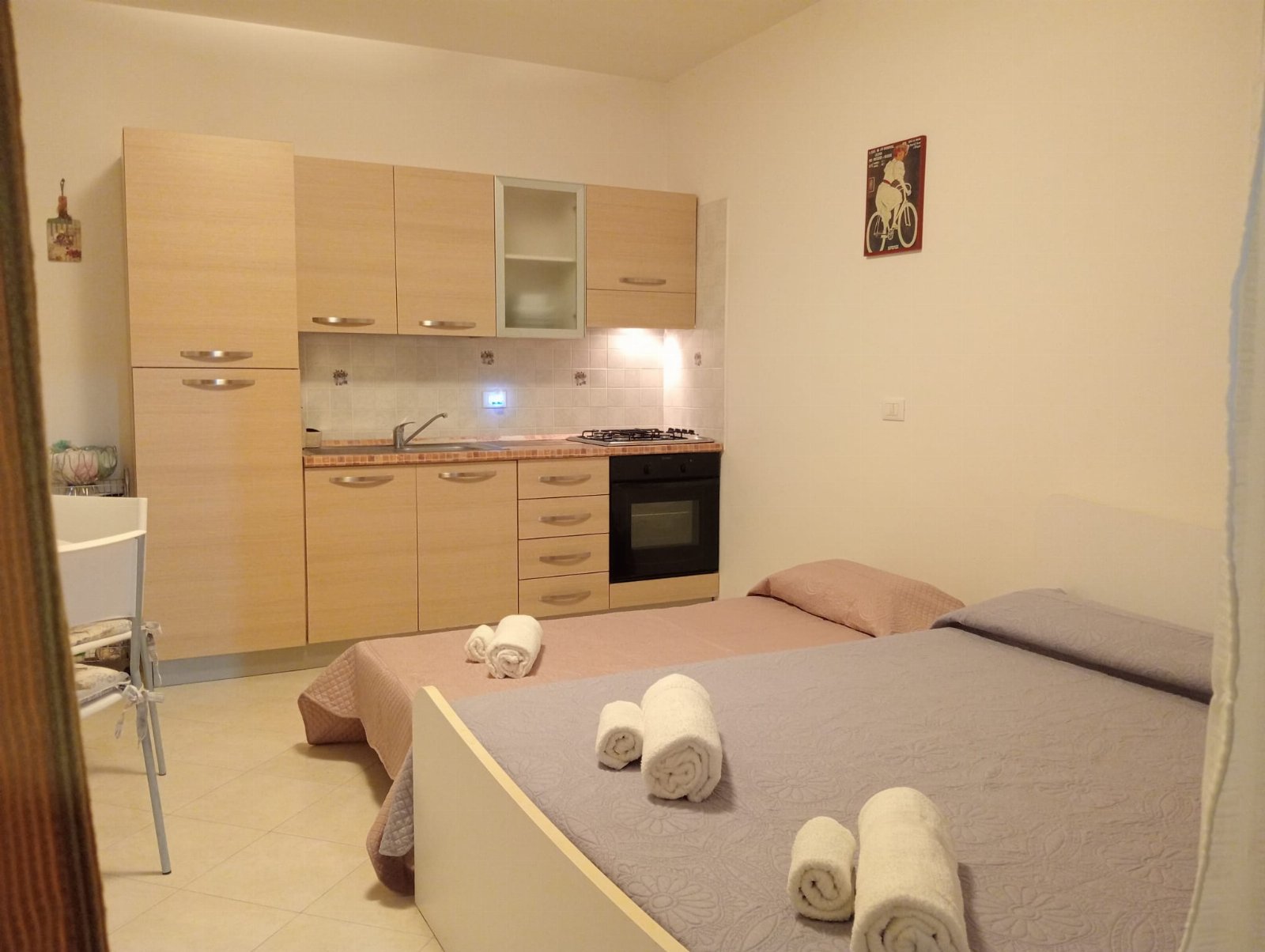
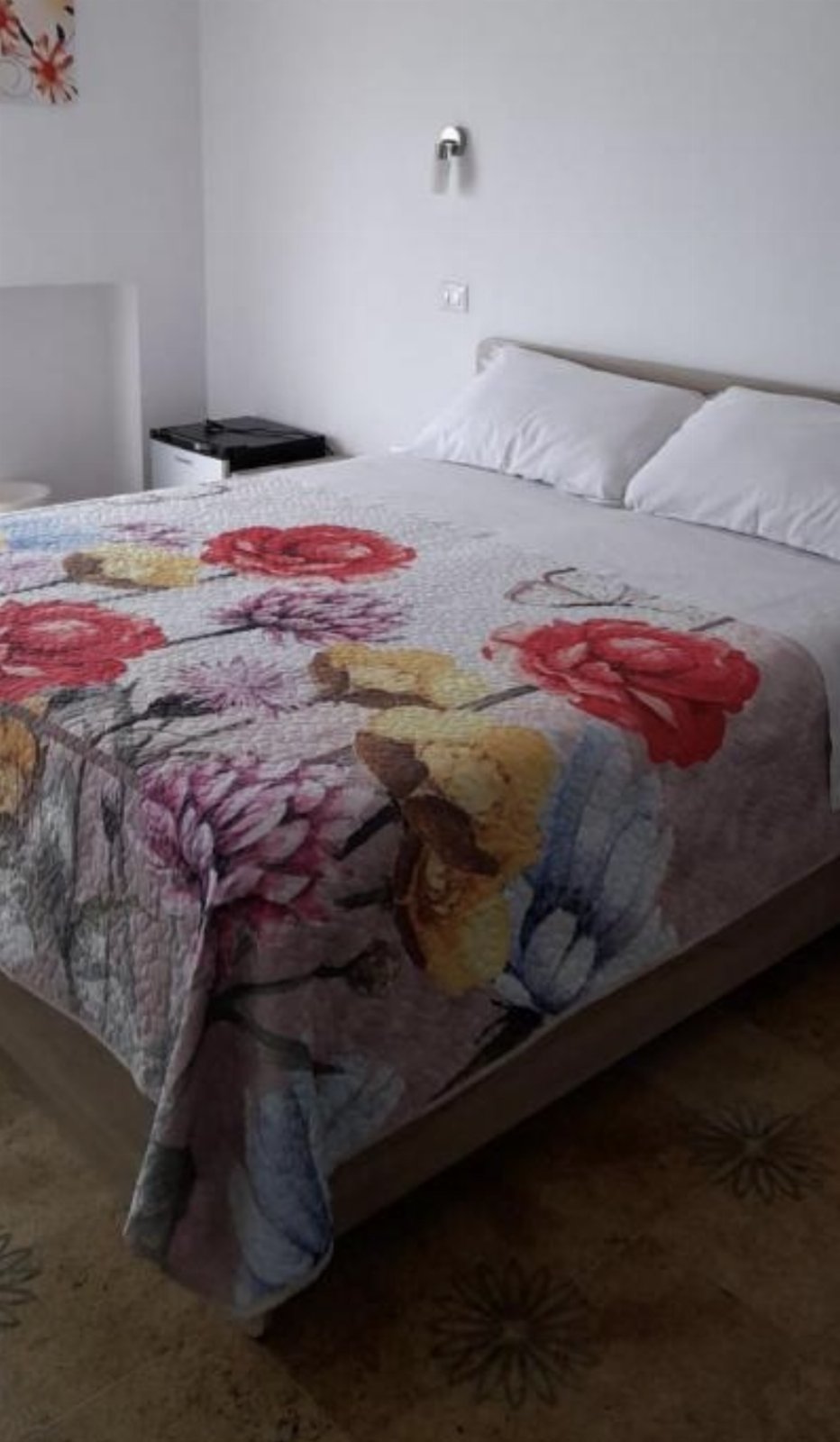
Accommodation options in Pizzo range from charming, family-run bed and breakfasts tucked away in the historic alleyways to modern apartments offering stunning sea views. Staying in the upper historic center puts you steps away from the main piazza and the castle, while staying closer to the marina gives you immediate access to the beach and the seaside promenade. Because Pizzo is a highly sought-after destination, booking your accommodation well in advance is crucial, especially if you plan to visit between June and September.
A Pizzo sono disponibili 4 alloggi selezionati. Scopri gli alloggi a Pizzo.