Cosa vedere Pizzo Calabria: The Ultimate Guide to the Pearl of the Tyrrhenian Sea
Welcome to one of the most enchanting destinations along the celebrated Costa degli Dei (Coast of the Gods). If you are planning a trip to southern Italy and wondering about cosa vedere Pizzo Calabria, you are in for a spectacular Mediterranean treat. Perched on a steep cliff overlooking the azure waters of the Gulf of Sant'Eufemia, Pizzo is a vibrant tapestry of medieval history, breathtaking coastal landscapes, and world-renowned culinary traditions.
Unlike some of the purely seasonal resort towns in the region, Pizzo boasts a year-round beating heart. Its narrow, winding alleys open up suddenly to expansive sea views, while its historic squares invite you to slow down and savor the sweet Calabrian lifestyle. Whether you are a history buff eager to trace the final footsteps of Napoleonic royalty, a nature lover looking to explore pristine beaches, or a foodie on a quest for the ultimate dessert, Pizzo delivers an unforgettable experience.
To truly appreciate the magic of this coastal gem, it is highly recommended to spend a few days exploring its hidden corners. Finding comfortable accommodations in Pizzo will allow you to wake up to the sound of the waves and enjoy the town long after the day-trippers have left. Below is your comprehensive guide to the absolute best sights, sounds, and tastes of Pizzo.
The Main Attractions: 5 Must-See Sights in Pizzo
When exploring Pizzo, there are five iconic landmarks that simply cannot be missed. The first and most famous is the Castello Murat (Murat Castle). Built in the 15th century by Ferdinand I of Aragon to defend the coast from Saracen pirate attacks, this fortress is most famous for being the site where Joachim Murat, the King of Naples and Napoleon Bonaparte's brother-in-law, was imprisoned and executed by firing squad in 1815. The castle is open daily from 09:00 to 19:30 (hours may vary slightly in winter), with an entrance fee of around €3.00. Wandering through its stone corridors offers a palpable sense of history and stunning panoramic views of the sea.
The second unmissable attraction is the extraordinary Chiesetta di Piedigrotta. This unique church is carved entirely out of a natural cave on the beach. According to local legend, it was created in the 17th century by Neapolitan sailors who survived a terrible shipwreck and dug into the tufa rock to fulfill a vow to the Madonna. In the late 19th and early 20th centuries, local artists Angelo and Alfonso Barone expanded the cave, carving dozens of intricate statues directly from the rock walls. The church is open daily from 09:00 to 19:00 in the summer, and tickets cost approximately €3.00. The best time to visit is in the late afternoon when the setting sun illuminates the stone faces with a golden glow.
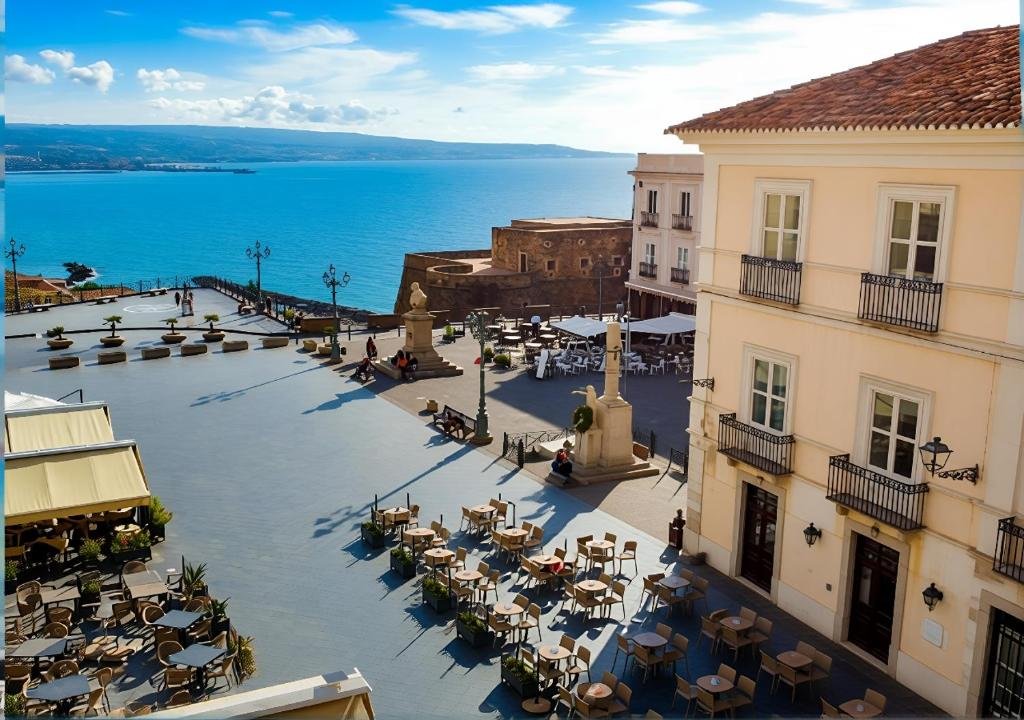
Rounding out the top five are the lively Piazza della Repubblica, the picturesque La Seggiola, and the relaxing Marina di Pizzo. Piazza della Repubblica is the town's elegant living room, a sprawling terrace overlooking the sea where you absolutely must sit at a café to taste the famous Tartufo di Pizzo—a decadent hazelnut and chocolate ice cream dome with a molten chocolate core. Just a short walk away is La Seggiola, the ancient fishermen's quarter nestled in a natural rocky inlet, offering a glimpse into the town's maritime soul. Finally, Marina di Pizzo provides a beautiful promenade lined with seafood restaurants and pristine beaches perfect for a refreshing swim.
Museums and Cultural Sites: Delving into Local History
Beyond its stunning vistas, Pizzo offers a wealth of cultural institutions that preserve the rich heritage of the Tyrrhenian coast. The primary cultural hub is the museum housed within the Castello Murat. This historical museum features fascinating dioramas, historical documents, and authentic uniforms that recount the dramatic final days of Joachim Murat. The exhibition provides excellent context regarding the French decade in southern Italy and the subsequent Bourbon restoration. The museum is included in the standard castle entry ticket and is easily accessible on foot from the main square.
Another fascinating cultural site is the Museo del Mare (Sea Museum), which celebrates the deep-rooted maritime traditions of Pizzo and the surrounding coastline. Here, visitors can admire extensive collections of traditional fishing gear, intricate models of historic vessels, and artifacts related to the ancient practice of tuna fishing. The museum highlights how the local economy and culture have been inextricably linked to the sea for centuries. It is an excellent educational stop, particularly for families traveling with children.
For those interested in industrial archaeology, a visit to the nearby remnants of the Tonnara di Bivona is highly recommended. Located just a short drive from Pizzo's center, this site tells the story of the ancient tuna fisheries that once dominated the Calabrian coast. Although it is a ruin today, walking among the old stone structures where fishermen once processed their massive catches offers a poignant look at a bygone era of Mediterranean industry.
Churches and Historical Monuments: Architecture and Faith
Pizzo's spiritual heritage is reflected in its magnificent churches, blending local devotion with impressive architectural feats. The most prominent is the Duomo di San Giorgio (St. George's Cathedral), located in the heart of the historic center. Originally built in the 16th century and later restyled with elegant Baroque elements, the cathedral features a stunning marble portal and houses remarkable artworks, including statues attributed to the school of Bernini. Notably, the church holds a significant place in history as the final resting place of Joachim Murat, whose remains are buried in an unmarked grave within the central nave.
Another architectural treasure is the Chiesa di San Sebastiano. This charming church stands as a testament to the town's resilience, having survived numerous earthquakes that have historically plagued the Calabrian region. Inside, you will find beautifully crafted wooden statues and intricate stucco work that showcase the skill of local artisans. The church's quiet, contemplative atmosphere provides a peaceful retreat from the bustling streets outside.
As you wander through the historic center, you will also notice the remnants of ancient defensive architecture. The town's layout, characterized by narrow, winding alleys known as vicoli, was intentionally designed to confuse invading Saracen pirates. Along the coastline, you can still spot the ruins of ancient coastal watchtowers, which were part of a massive defensive network built during the Spanish viceroyalty to protect the local population from maritime raids.
Nature and Natural Parks: Exploring the Calabrian Outdoors
While Pizzo is celebrated for its coastal beauty, it also serves as a gateway to some of Calabria's most impressive natural landscapes. Just a ten-minute drive from the town center lies the Lake dell'Angitola, an artificial basin that has been transformed into a protected WWF Oasis. This tranquil lake is surrounded by lush Mediterranean scrub and Aleppo pines. It is a paradise for birdwatchers, serving as a crucial resting stop for migratory birds such as great crested grebes, cormorants, and various species of herons. The walking trails around the lake offer a peaceful escape into nature.
If you are willing to venture slightly further inland, the Parco Naturale Regionale delle Serre is an absolute must-visit. Located about 45 minutes from Pizzo, this regional park is characterized by dense, ancient forests of beech, silver fir, and chestnut trees. The park is famous for its dramatic fiumare—wide, seasonal riverbeds filled with white stones that rush with water during the winter and spring. Hiking through the Serre mountains provides a stark, refreshing contrast to the sunny beaches of the coast.
Of course, the coastal nature of the Costa degli Dei itself is a major draw. The coastline around Pizzo features a dramatic mix of sheer tufa cliffs plunging into the sea, hidden coves accessible only by boat, and long stretches of golden sand. Snorkeling and diving are highly recommended here, as the rocky seabed is teeming with vibrant marine life, underwater caves, and fascinating rock formations.
One-Day Itinerary: How to Optimize Your 8-Hour Visit
If you only have one day to spend in Pizzo, a well-planned itinerary will ensure you see the highlights without feeling rushed. Start your morning at 09:00 with a visit to the Chiesetta di Piedigrotta. Visiting early allows you to beat the crowds and enjoy the mystical atmosphere of the cave church in peace. Afterward, take a short drive or walk up to the historic center to explore the Castello Murat. Spend an hour delving into the Napoleonic history and taking photos from the castle's scenic ramparts.
By 12:30, you will likely have worked up an appetite. Head down to the Marina di Pizzo for lunch. Choose one of the seaside trattorias and order local specialties like fresh swordfish, tuna, or a classic plate of spaghetti allo scoglio (seafood pasta). After a leisurely lunch, spend your early afternoon strolling through the labyrinthine streets of the historic center. Visit the Duomo di San Giorgio, browse the small artisan shops selling local ceramics and spicy 'nduja, and soak in the traditional Calabrian architecture.
As the late afternoon approaches, around 17:00, make your way to Piazza della Repubblica for the ultimate Pizzo experience: the aperitivo hour. Secure a table at one of the historic gelaterias facing the sea. You must order the legendary Tartufo di Pizzo. Enjoy this decadent dessert as the sun begins to set over the Tyrrhenian Sea, painting the sky in shades of orange and pink. It is the perfect, relaxing conclusion to a busy 8-hour adventure.
What to See Nearby: Day Trips from Pizzo
Pizzo's strategic location makes it an ideal base for exploring the wider region. Just a 30-minute drive south along the spectacular coastal road brings you to Tropea, another jewel of the Costa degli Dei. Famous for its sweet red onions and the iconic Sanctuary of Santa Maria dell'Isola perched on a rocky promontory, Tropea offers stunning beaches and a vibrant medieval center that perfectly complements a visit to Pizzo.
Only 15 minutes inland from Pizzo is the provincial capital of Vibo Valentia. Here, history enthusiasts can visit the imposing Norman-Swabian Castle, which houses the Vito Capialbi National Archaeological Museum. The museum contains extraordinary artifacts from the ancient Greek colony of Hipponion, including a famous golden Orphic foil that provides fascinating insights into ancient Greek religious beliefs.
For a truly unique excursion, drive about 40 minutes to the inland town of Zungri. Known as the "City of Stone," Zungri is home to a fascinating rock settlement dating back to the Byzantine era. Visitors can explore dozens of cave dwellings carved directly into the sandstone cliffs, offering a remarkable glimpse into the lives of the monks and farmers who inhabited this rugged landscape centuries ago.
Where to Sleep to Visit Pizzo at Your Own Pace
While a day trip offers a fantastic taste of the town, staying overnight is the best way to truly experience its authentic charm. When the sun goes down and the day-trippers depart, Pizzo transforms into a quiet, romantic coastal village. Evening strolls through the illuminated alleys and late-night dinners featuring freshly caught seafood are experiences you simply cannot have if you rush back to another city. By booking a room in Pizzo, you grant yourself the luxury of time—time to enjoy a morning coffee with the locals and time to explore every hidden viewpoint.
Finding the right place to stay is crucial for a relaxing holiday. Whether you prefer a boutique room in the historic center near the castle, or a modern suite closer to the beaches of the Marina, there are excellent options tailored to every traveler's needs. A Pizzo sono disponibili 4 alloggi selezionati. Scopri gli alloggi a Pizzo.
Ultimately, making Pizzo your home base allows you to seamlessly blend relaxation with exploration. You can easily navigate the entire Costa degli Dei by day and return to the comforting, sweet embrace of Pizzo by night. Start planning your Calabrian adventure today, and prepare to fall in love with the history, nature, and flavors of this extraordinary seaside town.