The Ultimate Guide: What to see in Paola, Calabria
Perched on the rugged coastline of the Tyrrhenian Sea, Paola is much more than just a transit point or a coastal town. Known primarily as the birthplace of Saint Francis of Paola, the patron saint of seafarers and the region of Calabria, this town offers a profound mix of spiritual heritage, medieval history, and breathtaking natural beauty. For the cultural tourist, Paola represents an essential stop to understand the soul of Southern Italy, where the mountains of the coastal range plunge directly into the deep blue waters of the Tyrrhenian.
Visiting Paola means stepping into a world where time seems to slow down. Whether you are walking through the narrow, winding alleys of the historic center or standing in awe before the majestic sanctuary that dominates the valley, you will find that the town rewards the curious traveler. With its strategic position along the "Riviera dei Cedri," Paola serves as the perfect base for exploring both the spiritual heart of the region and the nearby pristine beaches. Let’s dive into what makes this town a must-visit destination.
The Top 5 Must-See Attractions in Paola, Calabria
The undisputed crown jewel of the town is the Sanctuary of Saint Francis of Paola. This sprawling complex is one of the most important pilgrimage sites in Italy. Built in the 16th century, it houses the relics of the Saint. The architecture is a fascinating blend of styles, featuring a grand basilica, a cloister, and the "Via dei Miracoli," a path where the Saint is said to have performed his most famous miracles. Entrance is free, though donations are encouraged. It is open daily from 7:00 AM to 7:00 PM. My advice is to visit early in the morning to experience the silence of the cloister before the tour buses arrive.
Second on the list is the Historic Center (Centro Storico). Walking through the labyrinthine streets of Paola’s old town is like traveling back in time. You will encounter ancient stone portals, crumbling facades that hide beautiful courtyards, and small artisan shops. The center is best explored on foot. Don't miss the Piazza del Popolo, the heartbeat of the town where locals gather for their evening stroll. There is no entrance fee, and it is accessible 24/7. It is the perfect place to grab a coffee and observe the authentic Calabrian lifestyle.
Third, visit the Church of the Madonna di Montevergine. This church is a hidden gem that offers a panoramic view over the town and the sea. Its architecture is understated but elegant, and the interior houses significant religious artwork. It is a peaceful sanctuary away from the bustle of the main streets. While the church has limited opening hours, usually during liturgical services, the exterior alone is worth the climb for the vantage point it provides over the coast.
Fourth, take time to explore the Torre del Mezzanotte. This medieval watchtower is a testament to the town's need to defend itself against Saracen pirates throughout the centuries. While many of these towers along the Calabrian coast have disappeared, the remnants in and around Paola tell a story of constant vigilance. It is a fantastic spot for photography, especially during the golden hour when the sun sets over the Tyrrhenian Sea. It is open to the public at all times.
Finally, the Lungomare di Paola (Seafront Promenade) is the fifth essential stop. Unlike the historic center on the hill, the seafront is modern, vibrant, and perfect for a relaxing walk. Lined with palm trees, ice cream parlors, and restaurants, it is where the town comes alive at night. If you are looking for the best accommodation in Paola to stay close to the beach, the area near the promenade is your best bet.
Museums and Cultural Sites
Paola’s cultural offering is deeply intertwined with its religious history. The Museum of the Sanctuary is a must-visit for those interested in the life and works of Saint Francis. The museum displays vestments, ancient manuscripts, and votive offerings that have been collected over centuries. It provides a deeper context to the religious fervor that defines the town. It is usually open from 9:00 AM to 1:00 PM and 3:00 PM to 6:00 PM. Check with the local tourist office for seasonal variations in opening times.
For those interested in local history, the Civic Museum offers a collection of artifacts found in the surrounding area. While small, it provides a nice overview of the transition from the ancient Greek and Roman periods to the medieval era in this part of Calabria. To reach these sites, it is recommended to use the local bus service or a rental car, as the historic center involves steep climbs that can be challenging in the summer heat. If you need help finding the right base, search for hotels in Paola here to simplify your logistics.
Churches and Historical Monuments
The architecture of Paola is dominated by religious structures that showcase the devotion of its people. Beyond the main Sanctuary, the Church of San Giacomo Apostolo is a stunning example of local craftsmanship. Its interior is decorated with intricate stucco work and paintings that date back to the 18th century. The facade is a classic example of Southern Italian baroque influence, creating a striking contrast against the clear blue sky.
The ruins of the Norman Castle also deserve a mention. Perched on a cliff overlooking the town, these ruins are all that remain of the defensive fortifications that once protected the settlement. While little remains of the original structure, the site is significant for its historical value and the sweeping vistas it offers. Exploring these sites requires comfortable shoes, as the path to the castle is uneven. It is a site of silence and history, perfect for those who want to escape the crowded tourist paths and enjoy a moment of reflection.
Nature and Natural Parks
Paola is the gateway to the Coastal Range (Catena Costiera). This mountain range, which separates the Tyrrhenian coast from the Crati Valley, is a paradise for hikers. The forests here are dense with chestnut, beech, and pine trees, offering cool relief even on the hottest days. There are several marked trails that lead into the mountains, providing spectacular views of the sea on one side and the inland valleys on the other. It is recommended to hire a local guide if you plan to venture deep into the forest, as the paths can be rugged.
For those who love water, the fiumare (seasonal riverbeds) that cut through the landscape are unique geological features of Calabria. During the spring, these areas are lush with vegetation and wildflowers. Nature lovers should also consider a day trip to the nearby Parco Nazionale della Sila, which is reachable within an hour. The Sila offers vast plateaus, alpine lakes, and ancient forests that are home to wolves and deer, providing a complete contrast to the coastal environment of Paola.
Itinerary in One Day
If you have only one day to explore, start your morning at 8:30 AM at the Sanctuary of Saint Francis to beat the heat and the crowds. Spend two hours exploring the basilica and the cloister. By 11:00 AM, head down into the Historic Center. Wander through the narrow streets, visit the local artisan shops, and admire the stone architecture. At 1:00 PM, enjoy a traditional lunch in a local trattoria; look for dishes featuring "fileja" pasta or local red onion from Tropea.
In the afternoon, around 3:00 PM, head towards the seafront. Take a leisurely walk along the Lungomare, and if the weather permits, take a refreshing dip in the Tyrrhenian Sea. At 5:30 PM, visit the Torre del Mezzanotte to catch the light change over the water. Finally, at 7:00 PM, settle into a seaside bar for an aperitivo. Sip on a local Calabrian wine or a chilled limoncello while watching the sunset. It is the perfect conclusion to a day of culture and relaxation.
What to see in the surroundings
Paola is perfectly positioned for day trips. Within 30 to 60 minutes, you can reach several fascinating destinations. To the north lies Diamante, famous for its colorful murals and the annual Peperoncino Festival. It is a vibrant town that captures the artistic spirit of the coast. Further north is Scalea, another historic town with a stunning medieval center and excellent beaches.
If you prefer to go inland, head towards Cosenza, the provincial capital. Its historic center is one of the most beautiful in Southern Italy, featuring the 11th-century cathedral and the modern MAB (Open Air Museum) that showcases works by artists like Dalí and De Chirico. Cosenza offers a completely different cultural experience compared to the coastal towns. No matter where you go, choosing the right base is essential. A Paola are available 1 selected accommodations. Discover accommodations in Paola to ensure your stay is comfortable and well-positioned for these excursions.
Where to stay to visit Paola with ease
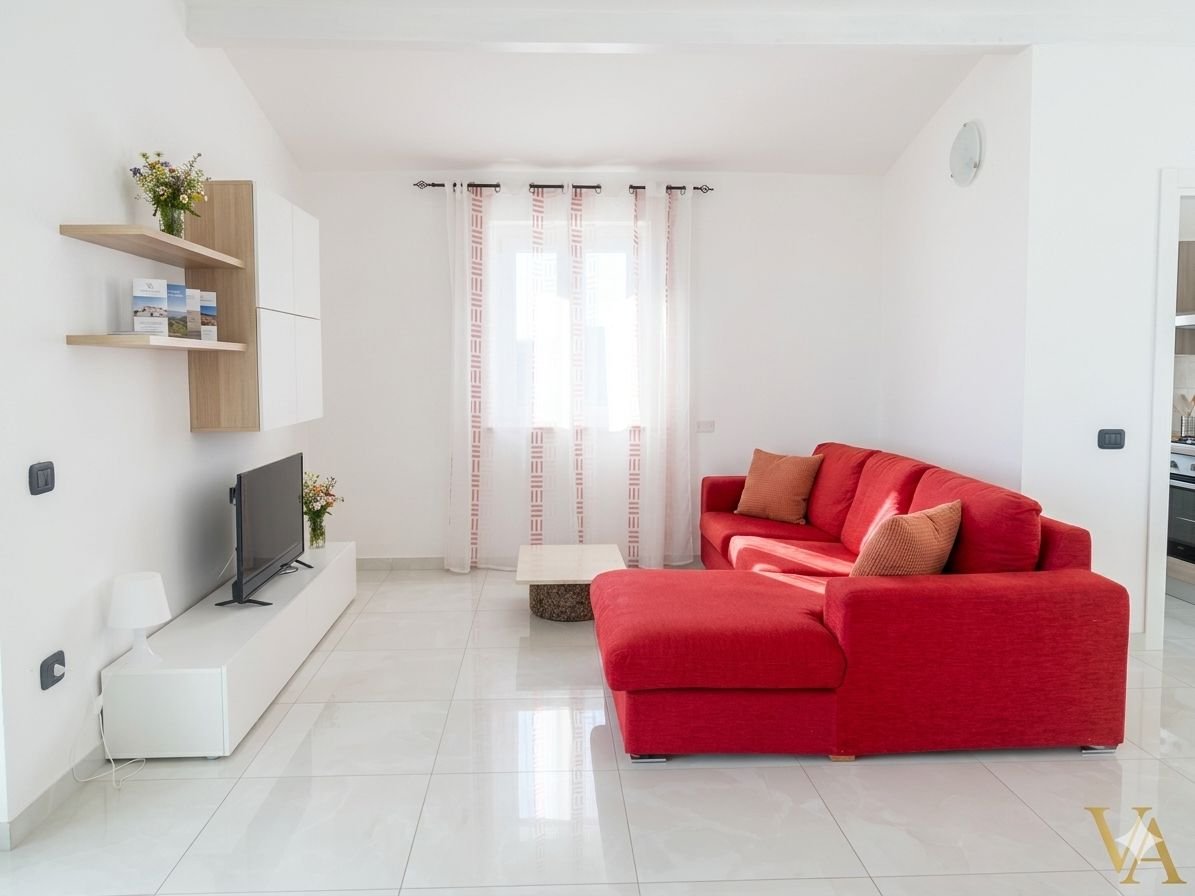
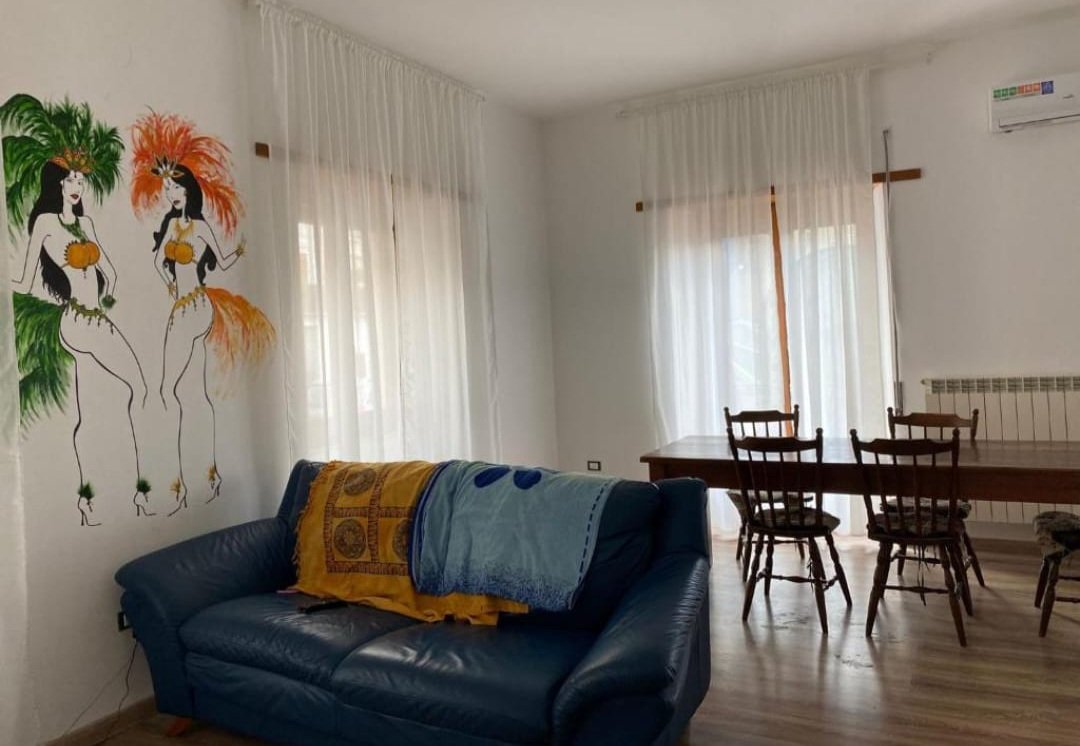
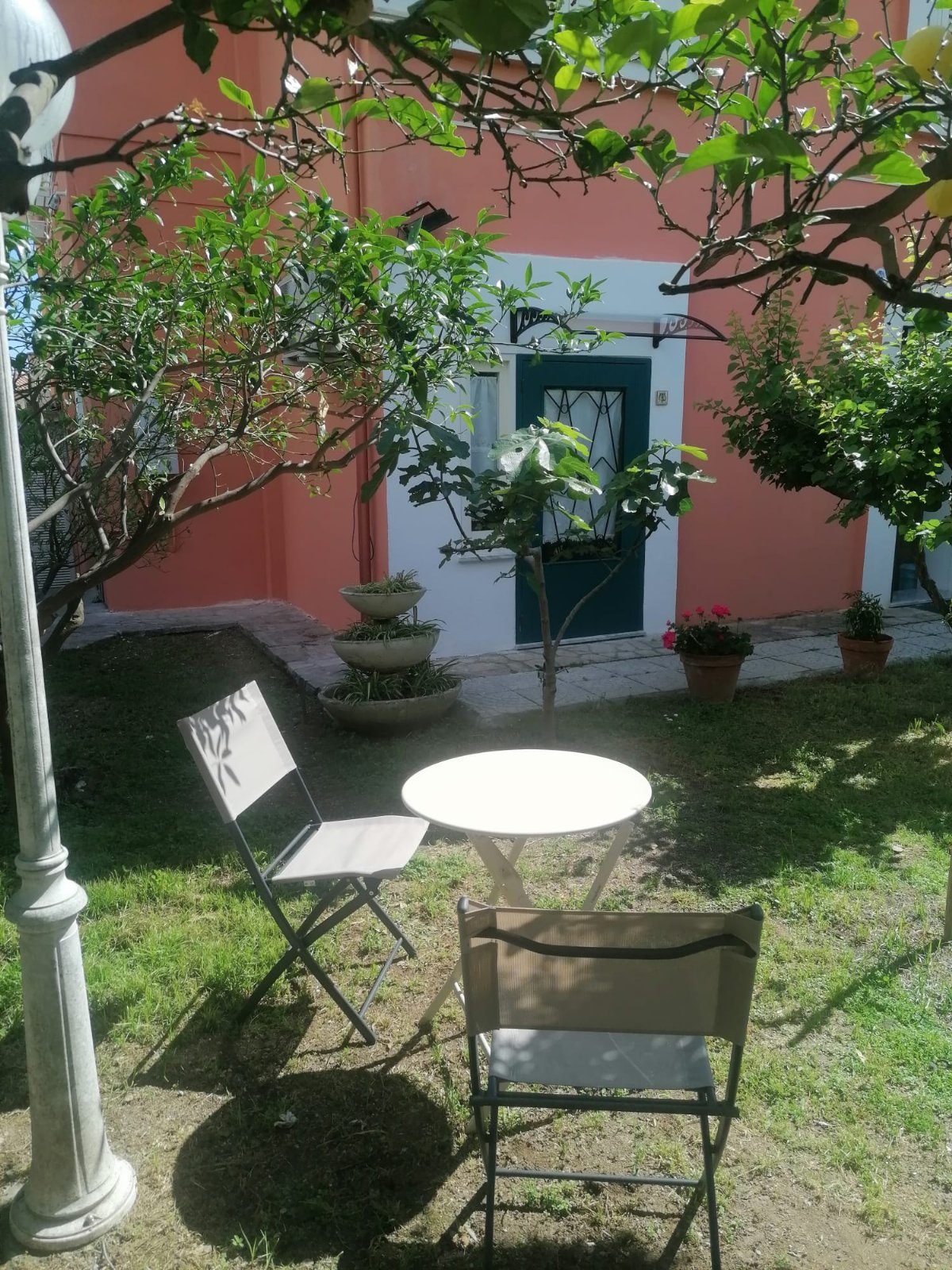
Staying in Paola allows you to experience the authentic rhythm of Calabrian life without the overwhelming crowds of the more commercial resorts. Whether you prefer a boutique bed and breakfast in the historic center or a modern apartment near the beach, having a central base makes all the difference. By staying locally, you support the community and have more time to enjoy the evening atmosphere of the piazza. A Paola are available 1 selected accommodations. Discover accommodations in Paola and book your stay today for an unforgettable experience in the heart of the Mediterranean.