Discovering the Hidden Gem: What to See in Morano Calabro, Calabria
Perched dramatically on a limestone cliff at the foot of the Pollino Massif, Morano Calabro is widely considered one of the most beautiful villages in Italy. Often referred to as the "Presepe del Pollino" (the Nativity Scene of Pollino) due to its cascading houses that seem to tumble down the mountainside, this village offers a profound journey into history, art, and nature. Visiting Morano Calabro means stepping back in time, wandering through labyrinthine alleys, and breathing in the crisp air of the Southern Apennines.
Whether you are a history buff, a nature enthusiast, or simply a traveler looking for an authentic Italian escape, Morano Calabro delivers an experience far from the crowded tourist trails. Its unique urban structure, characterized by steep stairways and stone arches, reflects the layering of centuries of history, from the Byzantine era to the Norman conquest and the Renaissance. If you are planning your next trip to Calabria, this village must be at the top of your list.
The Main Attractions: 5 Unmissable Sights in Morano Calabro
The first stop on your journey is the Norman-Swabian Castle. Looming over the village, these ruins offer the most spectacular panoramic view of the entire Pollino National Park. While the original fortification dates back to the 11th century, the structure was significantly expanded by the Normans and later the Swabians. It is open year-round, and while the interior is currently under restoration, the exterior grounds are accessible for free, providing the perfect backdrop for photography.
Second, you must visit the Collegiate Church of Santa Maria Maddalena. This stunning church is a masterpiece of art, housing the famous "Triptych of the Vivarini," a rare and precious 15th-century work of art. The church is typically open from 9:00 AM to 1:00 PM and 3:30 PM to 6:30 PM. Admission is free, though donations for maintenance are appreciated. It is a quiet sanctuary that perfectly encapsulates the religious devotion of the local community.
Third, explore the Monastery of San Bernardino da Siena. This 15th-century complex is a prime example of Gothic-Franciscan architecture. It features a beautiful cloister and a church with a magnificent wooden ceiling. It is open to the public daily, and it is highly recommended to join a guided tour to fully appreciate the intricate wood carvings. The peaceful atmosphere here is palpable, making it an ideal place for reflection.
Fourth, take a walk through the historic center (the "Rione Giudea"). This ancient Jewish quarter is a maze of narrow alleys, small stone houses, and hidden courtyards. It is best enjoyed by simply getting lost in its charm. There is no entrance fee, and the area is accessible 24/7. Walking here feels like traversing a living museum where time has stood still for centuries.
Finally, don't miss the Pollino National Park Visitor Center. Located near the entrance of the town, this center provides essential information about the surrounding wilderness, including maps for trekking and details on local flora and fauna. It is open from 10:00 AM to 5:00 PM, with a nominal entry fee of 2 Euros. It is the best starting point for anyone planning to explore the rugged beauty of the nearby mountains.
Museums and Cultural Sites
The Museum of Agricultural and Pastoral Civilization is an essential stop for those wanting to understand the soul of Morano. Located in an old convent, it houses a vast collection of tools, traditional costumes, and artifacts that tell the story of the rural life that has sustained the Calabrian people for generations. The museum is open from Tuesday to Sunday, 10:00 AM to 1:00 PM, with an entry fee of 3 Euros. It offers a fascinating glimpse into a lifestyle that is rapidly disappearing.
Another cultural highlight is the Museum of Natural History of the Pollino. This site focuses on the geology, biodiversity, and fossils found within the national park. It is a fantastic place for families and students. To reach it, follow the signs toward the outskirts of the village; it is easily accessible by car, and there is ample parking nearby. Check local listings for seasonal opening hours, as they may vary during the winter months.
Churches and Historic Monuments
Morano Calabro is a treasure trove of religious architecture. Beyond the Collegiate Church, the Church of San Nicola di Bari is a must-see. Located in the oldest part of the village, it features a stunning portal and houses various Baroque-style altars. Its architecture is a testament to the influence of different ruling powers that passed through this region.
The village is also dotted with ancient towers and defensive walls that once protected the town from invaders. As you walk the perimeter of the historic center, you can still trace the remnants of these fortifications. The interplay between the natural stone of the cliff and the man-made masonry is a fascinating study in defensive architecture. Remember that the best way to explore these monuments is on foot, as many are located along steep, pedestrian-only paths.
Nature and Natural Parks
Being the gateway to the Pollino National Park, Morano Calabro is a paradise for hikers. The park is the largest in Italy and is home to the majestic Bosnian Pine, a rare species that has become the symbol of the region. There are dozens of trails starting just minutes from the village, ranging from easy walks to challenging climbs like the ascent to Monte Pollino.
For those who prefer water, the fiumare (riverbeds) and the nearby streams offer refreshing spots during the summer. The Raganello Gorge is a world-renowned destination for canyoning and river trekking, located only a short drive away. Always ensure you have the right gear and, if you are not an experienced hiker, hire a local guide to ensure your safety in the rugged wilderness.
Itinerary in One Day
If you have only eight hours, start your day at 9:00 AM with a coffee in the main square and then hike up to the Norman-Swabian Castle for the morning light. Spend the late morning wandering through the Rione Giudea, soaking in the atmosphere. By 1:00 PM, enjoy a traditional lunch at a local trattoria—try the local "rascatieddi" pasta with mushrooms.
In the afternoon, visit the Monastery of San Bernardino and the Museum of Agricultural Civilization to deepen your cultural understanding. By 5:00 PM, find a spot with a view of the sunset over the Pollino mountains. End your day with a glass of local wine at an aperitivo bar, reflecting on the beauty of this unique Calabrian village.
What to See in the Surroundings
Within a 30 to 60-minute drive, you can reach several other gems. Castrovillari is famous for its castle and its proximity to the park. Civita, an Albanian-founded village (Arbëreshe), is legendary for its Devil's Bridge and breathtaking views of the Raganello Gorge. Finally, the thermal baths of Cervicati offer a relaxing way to soothe your muscles after a day of hiking in the mountains.
Where to Stay to Visit Morano Calabro with Calm
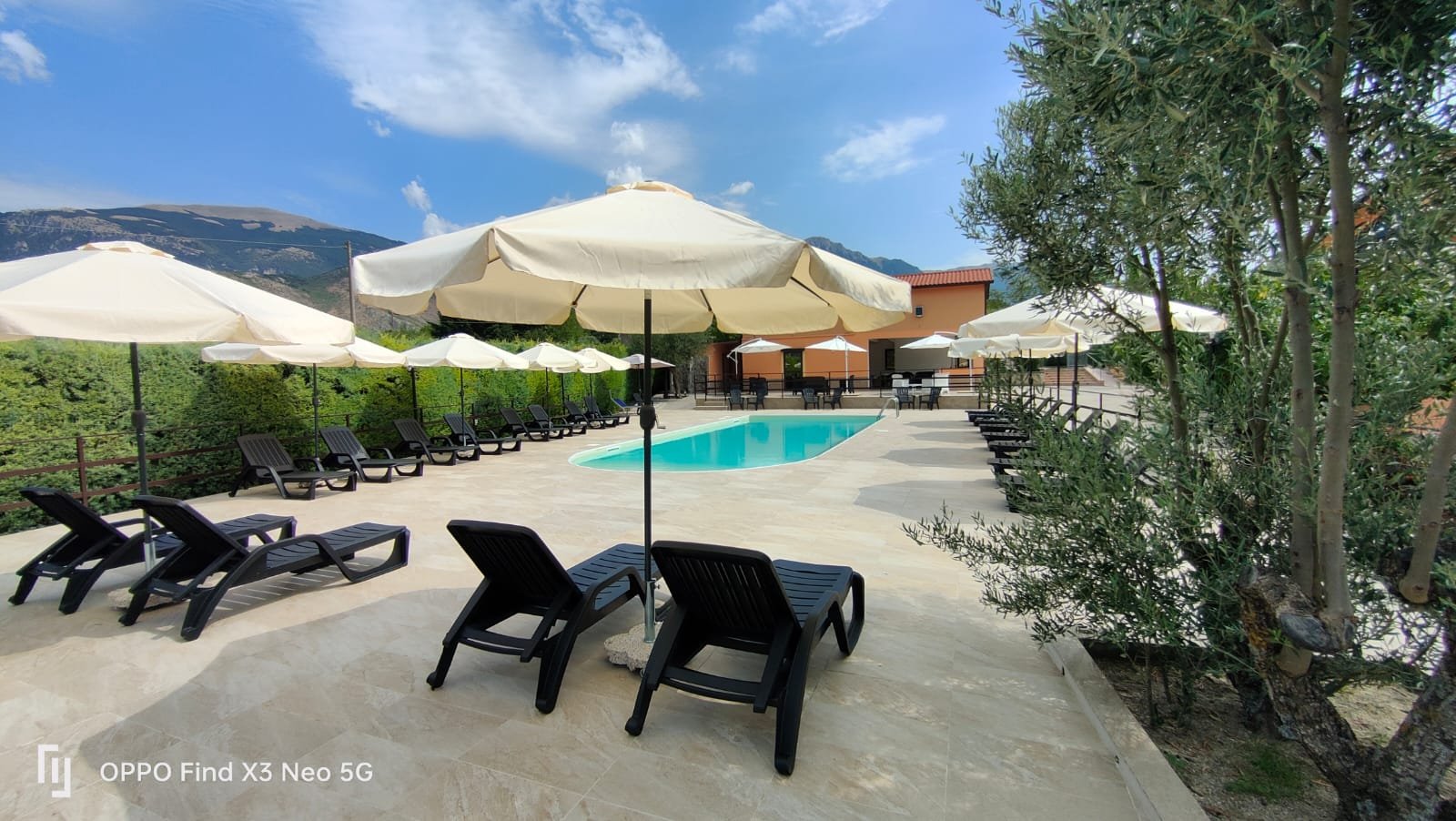
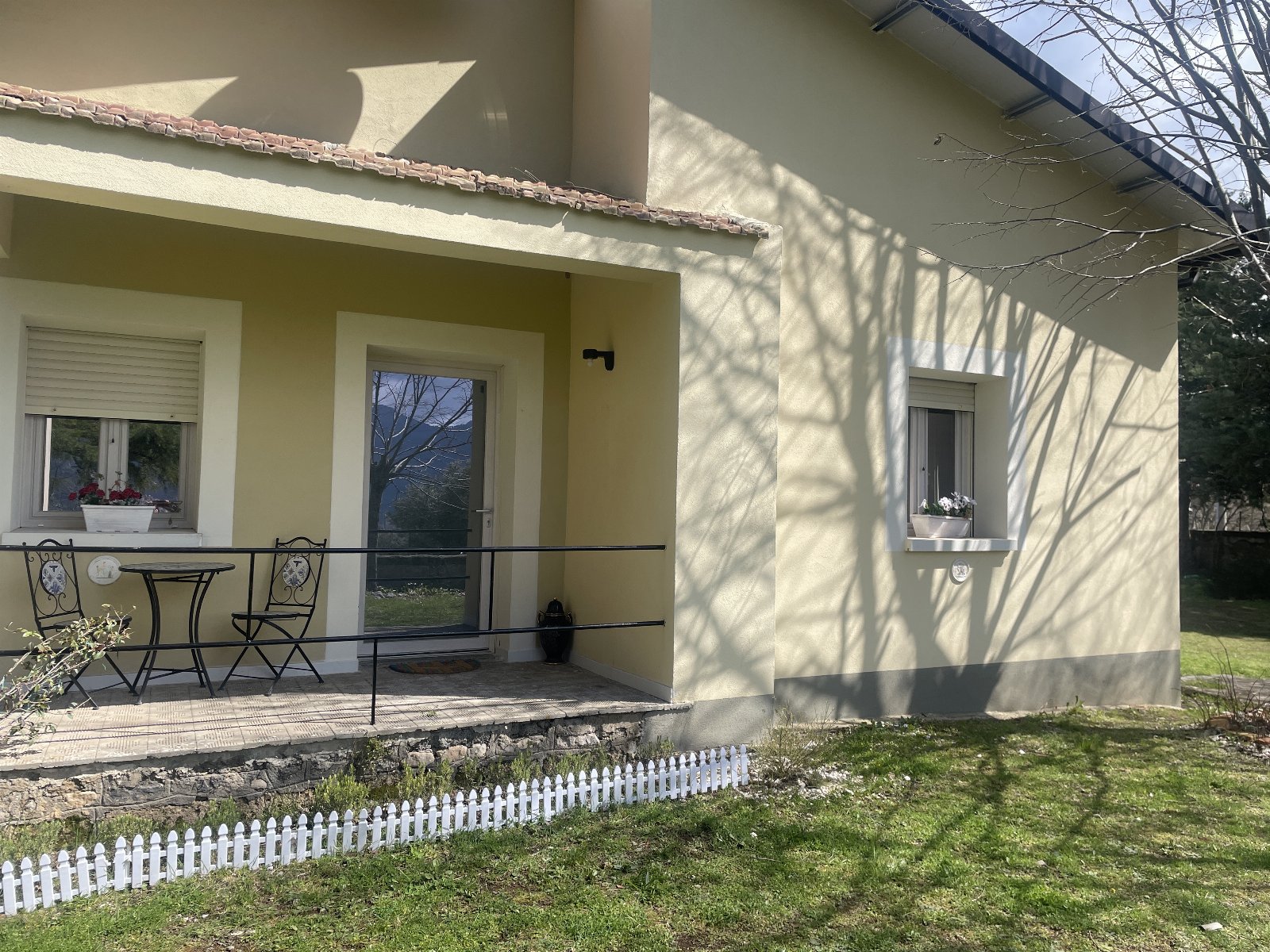
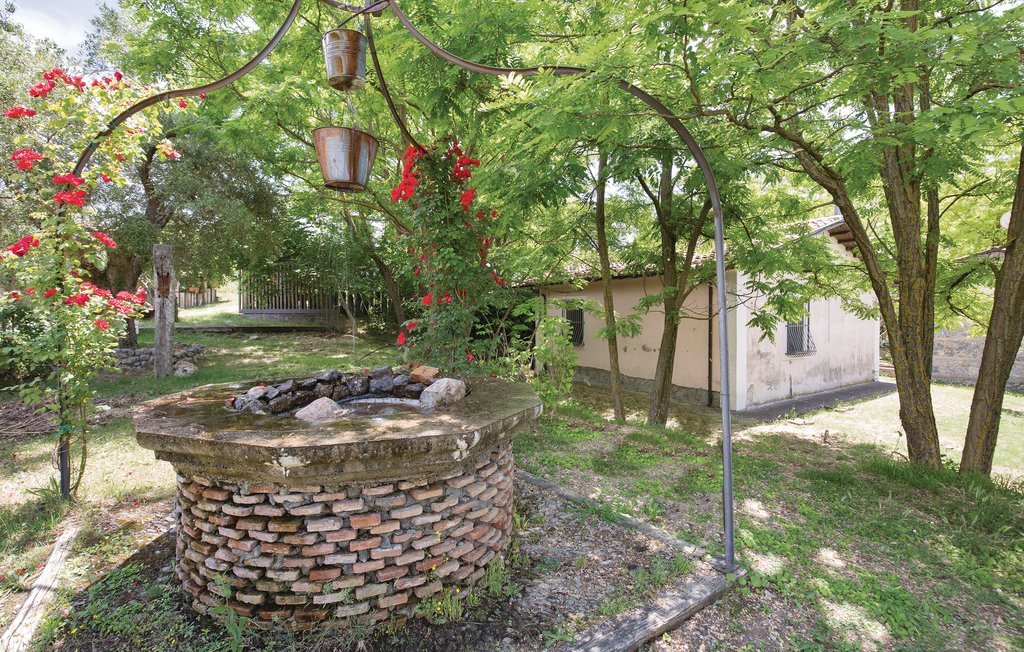
To truly appreciate the pace of life in Morano, staying overnight is highly recommended. The village offers a range of authentic guesthouses and historic buildings converted into cozy accommodations. Staying here allows you to wake up to the sound of church bells and the sight of the morning mist over the valley. At Morano Calabro are available 2 selected accommodations. Discover the accommodations in Morano Calabro.