Cosa vedere Longobardi Calabria: The Ultimate Guide to the Hidden Gem of the Tyrrhenian Coast
Nestled between the rugged peaks of the Apennine mountains and the crystal-clear waters of the Tyrrhenian Sea, Longobardi is a destination that perfectly encapsulates the authentic soul of southern Italy. If you are searching for a place where time seems to slow down, where ancient traditions are still woven into daily life, and where mass tourism has not yet left its mark, this charming Calabrian town is your ideal getaway. Geographically divided into two distinct areas—the medieval hilltop village (Longobardi Paese) and the sun-kissed coastal strip (Longobardi Marina)—this destination offers a dual experience of mountain tranquility and seaside relaxation.
As a cultural tourism expert in Calabria, I have explored every cobblestone alley and hidden beach of this region. Longobardi, whose very name whispers tales of the ancient Lombard conquerors who settled here in the early Middle Ages, is a treasure trove of history, nature, and gastronomy. Whether you are a history buff, a nature enthusiast, or simply a traveler looking to unwind with a glass of local wine by the sea, this guide will walk you through everything you need to know to plan the perfect visit.
The Main Attractions: 5 Must-See Highlights in Longobardi
To truly understand the essence of Longobardi, you must explore both its elevated historical heart and its vibrant coastline. Here are the five absolute must-see attractions that should anchor your visit to this fascinating town.
1. The Historic Center (Il Borgo Antico): Perched on a panoramic hill, the old town is a labyrinth of narrow alleys, stone arches, and ancient portals carved by local stonemasons. Walking through these streets is entirely free and accessible 24/7. The best time to visit is late afternoon when the golden hour illuminates the ancient stone. 2. Longobardi Marina Beach: Stretching along the renowned Riviera dei Cedri, the beach here features a mix of sand and fine pebbles. Public access is free, while renting a sunbed and umbrella at a local lido will cost you around €15 to €20 per day. The water is pristine, making it perfect for snorkeling.
3. Palazzo Miceli: This imposing noble residence stands as a testament to the town's feudal past. While the interior is often closed to the public as it remains a private property, the exterior architecture, with its grand balconies and historical coat of arms, is a spectacular sight. 4. The Panoramic Terraces: Located near the main squares of the upper village, these terraces offer sweeping views of the Tyrrhenian Sea. On clear days, you can easily spot the Aeolian Islands and the smoking peak of Stromboli. 5. Local Artisan Workshops: Keep an eye out for small bottegas where locals still practice traditional weaving and woodwork. To fully enjoy these sights without rushing, finding the right accommodation in Longobardi is highly recommended.
Museums and Cultural Sites: Delving into Local Heritage
While Longobardi may not boast massive international museums, its cultural offerings are deeply intimate and profoundly connected to the territory's rural and maritime roots. The cultural heartbeat of the town is best experienced through its historical exhibitions and archaeological traces scattered throughout the municipality.
One of the focal points of local heritage is the Museo della Civiltà Contadina (Museum of Peasant Culture), often hosted in municipal spaces or local cultural associations. This exhibition houses a rich collection of antique farming tools, traditional Calabrian garments, and artifacts that tell the story of the olive oil and wine production that has sustained this community for centuries. Entry is usually free, though a small donation of €2 to €3 is appreciated to help maintain the collection. Operating hours are generally limited to summer evenings (typically 6:00 PM to 9:00 PM) or by appointment during the off-season.
Beyond formal museums, the entire territory acts as an open-air archaeological site. The origins of Longobardi date back to the Lombard invasions of the 6th and 7th centuries. While wandering the outskirts of the upper village, you can still find remnants of ancient defensive walls. To reach these historical areas, you will need to drive up the winding panoramic road (SP33) from the SS18 coastal highway. The drive itself is a cultural experience, offering layered views of agricultural terraces that have been cultivated since antiquity.
Churches and Historical Monuments: Faith and Architecture
The architectural landscape of Longobardi is heavily defined by its religious buildings and historical fortifications. The spiritual center of the town is the Chiesa di Santa Domenica, dedicated to the town's patron saint. This beautiful church features a classic stone facade and an interior adorned with local artworks, wooden statues, and intricate stuccoes. The feast of Santa Domenica, celebrated in July, transforms the church and the surrounding piazza into a vibrant hub of music, lights, and devotion.
Another significant religious site is the Chiesa di San Francesco di Paola. Given Longobardi's proximity to the town of Paola, the cult of Saint Francis is incredibly strong here. The church is a peaceful sanctuary featuring austere yet elegant architecture, reflecting the humble teachings of the Calabrian saint. Visitors are welcome during daylight hours, and entry is free, though respectful attire is required.
On the military and defensive side, the coastline of Longobardi is dotted with the ruins of ancient Torri Saracene (Saracen Towers). Built during the 16th century under the Kingdom of Naples, these watchtowers were designed to spot approaching pirate ships and warn the local population. The remains of these towers, built with local stone, stand as silent sentinels over the sea. Exploring these ruins provides a fascinating glimpse into the perilous history of the Calabrian coast.
Nature and Natural Parks: Mountains meeting the Sea
Longobardi is a paradise for nature lovers, situated perfectly between the deep blue of the sea and the lush green of the Catena Costiera (Coastal Mountain Chain). This unique geography allows visitors to swim in the morning and hike through dense alpine-like forests in the afternoon. The area serves as a gateway to the diverse ecosystems that eventually lead toward the massive Parco Nazionale della Sila.
The mountainous backdrop of Longobardi is dominated by peaks like Monte Cocuzzo. The hiking trails here wind through ancient forests of chestnut, oak, and beech trees. Along the way, you will encounter the typical Calabrian fiumare—wide, seasonal riverbeds that rush with water in the winter and spring but transform into fascinating rocky canyons during the dry summer months. These trails offer unparalleled opportunities for bird watching and nature photography.
For those looking to explore the wilderness, hiking is completely free. However, if you are unfamiliar with the terrain, it is highly advisable to hire a local guide. Guided excursions usually cost around €25 to €40 per person and often include a rustic picnic featuring local cheeses and cured meats. The best seasons for hiking are spring, when the wildflowers are blooming, and autumn, when the forests explode in vibrant shades of orange and red.
One-Day Itinerary: Optimizing 8 Hours in Longobardi
If you only have one day to spend in Longobardi, a well-planned itinerary will allow you to experience the perfect balance of history, gastronomy, and relaxation. Here is how to make the most of an 8-hour visit.
Morning (9:00 AM - 1:00 PM): Start your day in the upper village, Longobardi Paese. Grab an espresso and a warm cornetto at a local bar in the main square. Spend the next few hours wandering through the medieval alleys, visiting the Chiesa di Santa Domenica, and taking photographs from the panoramic terraces. The crisp morning air and the quiet streets provide a deeply authentic atmosphere.
Lunch (1:00 PM - 3:00 PM): Calabrian food is a highlight of any trip. Head to a local trattoria or an agriturismo nestled in the hills. Order a plate of traditional maccheroni al ferretto with a rich pork ragù, accompanied by local eggplant preserves and a glass of robust Magliocco red wine. A hearty, multi-course lunch will generally cost between €25 and €35 per person.
Afternoon and Aperitivo (3:00 PM - 6:00 PM): After a leisurely lunch, drive down to Longobardi Marina. Spend the afternoon relaxing on the beach, swimming in the clear Tyrrhenian waters, and soaking up the Mediterranean sun. As the day winds down, find a beachfront kiosk or bar. Order a classic Aperol Spritz or a local Calabrian craft beer, and watch the sun dip below the horizon, painting the sky in brilliant hues of purple and gold behind the silhouette of the Aeolian Islands.
What to See Nearby: Exploring the Tyrrhenian Coast
Longobardi's strategic location makes it an excellent base camp for exploring the wider province of Cosenza. Within a 30 to 60-minute drive, you can reach some of the most famous and beautiful destinations in Calabria, making it incredibly convenient if you stay in Longobardi for a few days.
Just 15 minutes to the north lies Paola, famous worldwide for the Sanctuary of San Francesco di Paola. This massive religious complex is built into the side of a gorge and features miraculous sites, a beautiful basilica, and a peaceful atmosphere that draws pilgrims from all over the globe. The historic center of Paola is also full of lively squares and excellent seafood restaurants.
Heading 10 minutes to the south, you will find Fiumefreddo Bruzio, officially listed as one of the "Most Beautiful Villages in Italy" (I Borghi più Belli d'Italia). This stunning medieval town features a ruined castle adorned with surrealist frescoes by the artist Salvatore Fiume, and terraces that offer vertigo-inducing views of the sea. A bit further south (about 20 minutes from Longobardi) is Amantea, a bustling coastal town known for its massive hilltop castle ruins, vibrant shopping streets, and the famous local dessert, the Bocconotto.
Where to Sleep to Visit Longobardi at Your Own Pace
To truly absorb the magic of this dual-natured town, visiting for just a few hours is not enough. Staying overnight allows you to experience the slow, rhythmic pace of Calabrian life. You can wake up to the sound of church bells in the historic village, or the gentle crashing of waves at the marina. By choosing local accommodations, you support the community and give yourself the gift of a stress-free holiday, far from the chaotic crowds of mainstream tourist hubs.
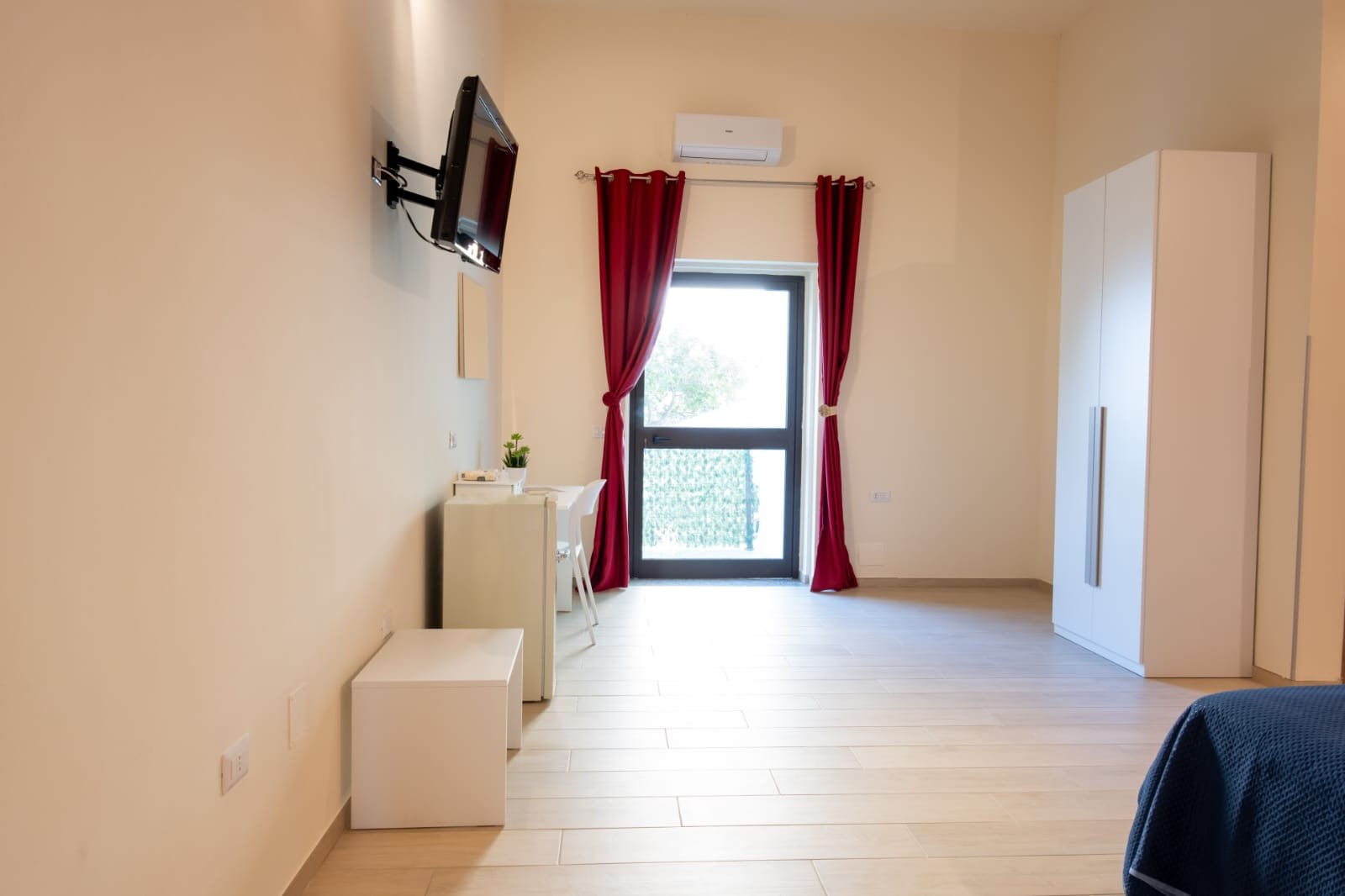
Whether you prefer a cozy bed and breakfast tucked away in a medieval alleyway or a modern room with a balcony overlooking the Tyrrhenian Sea, you will find options that cater to your needs. A Longobardi sono disponibili 1 alloggi selezionati. Scopri gli alloggi a Longobardi.
Booking your stay in advance is highly recommended, especially during the peak summer months of July and August when the town comes alive with festivals and returning locals. Pack your bags, bring an appetite for incredible food, and get ready to discover one of Calabria's best-kept secrets.