The Ultimate Guide: What to See in Locri, Calabria
Locri, situated on the stunning Ionian coast of Southern Italy, is a destination where the whispers of ancient Greek civilization meet the vibrant pulse of modern Calabrian life. As a traveler, visiting this area is not just about a vacation; it is a journey through time. Known as the gateway to the "Costa dei Gelsomini" (Jasmine Coast), Locri offers a unique blend of archaeological wonders, pristine beaches, and a deep-rooted cultural heritage that remains largely untouched by mass tourism.
This guide is designed to help you navigate the rich landscape of Locri. Whether you are a history buff looking to walk the same paths as ancient philosophers, or a nature lover seeking the tranquility of the Aspromonte mountains, Locri provides an authentic experience. By planning your trip with Locri as your base, you position yourself perfectly to explore the hidden gems of the Reggio Calabria province.
The Main Attractions: 5 Must-See Sites in Locri
The crown jewel of the area is undoubtedly the Archaeological Park of Locri Epizefiri. Founded in the 8th century BC by Achaeans, this was one of the most powerful and wealthy cities of Magna Graecia. The site features the remains of the Sanctuary of Persephone, the Doric temple of Marasà, and the ancient Greek theater. It is an expansive site, so plan to spend at least three hours here. It is open daily from 9:00 AM until one hour before sunset. Tickets cost approximately 5 euros.
After immersing yourself in history, head to the National Archaeological Museum of Locri. Located near the archaeological site, this museum houses a vast collection of artifacts discovered during excavations, including the famous "Pinakes" (votive terracotta tablets) that offer a glimpse into the religious life of the ancient Locrians. It is a must-visit to understand the context of the ruins you have just walked through. The museum is generally open from 9:00 AM to 8:00 PM, with admission included in the archaeological park ticket.
For a change of pace, explore the Locri Town Center. Unlike the ancient ruins, the modern town offers a lively atmosphere. Stroll through the main streets to find local boutiques, cafes, and artisanal shops. The town square serves as the social heart of the community, especially in the evenings when locals gather for the traditional "passeggiata." It is the perfect place to grab an authentic gelato or a coffee while soaking in the local lifestyle.
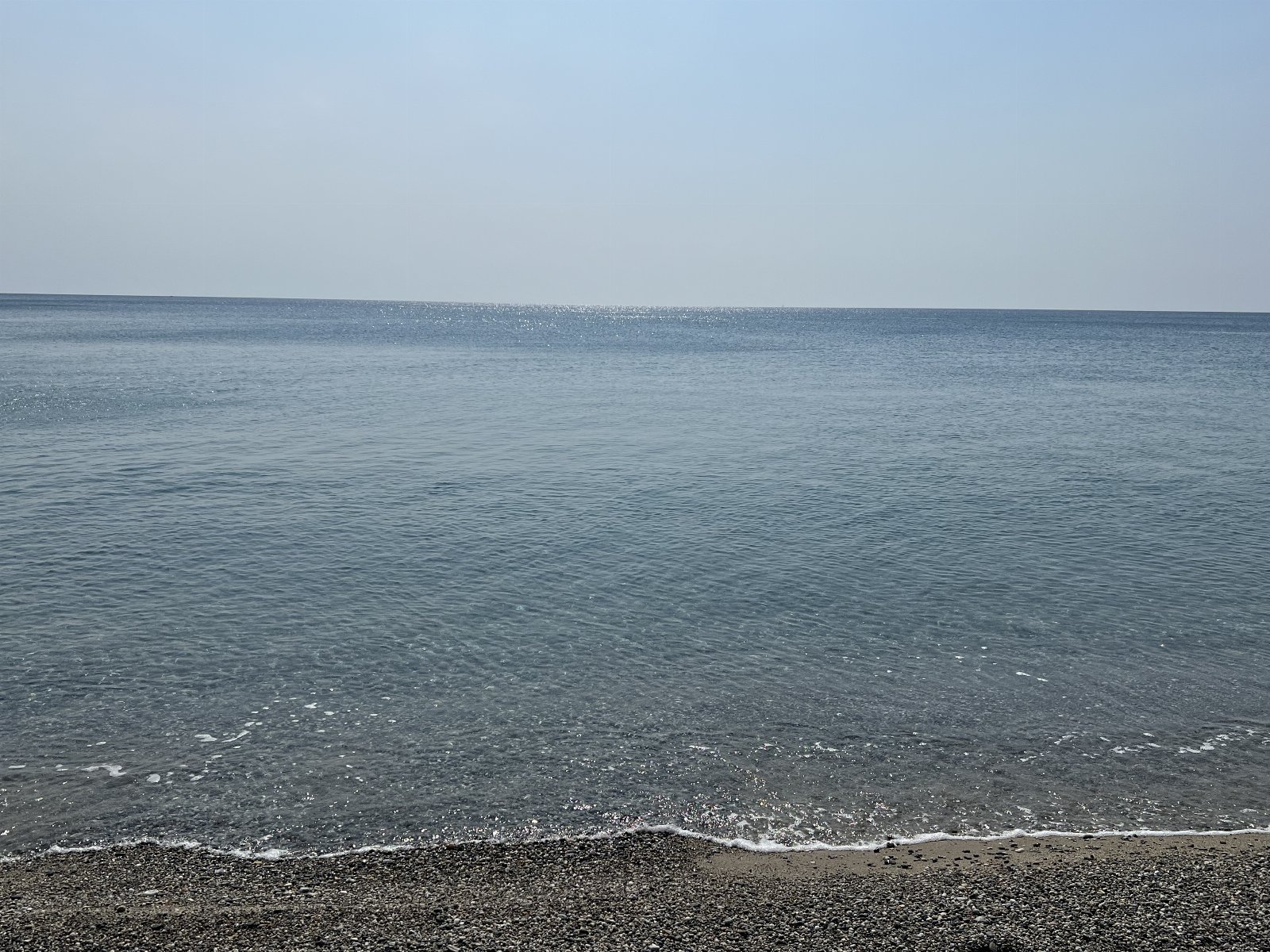
The Locri Lungomare (seafront promenade) is another highlight. Stretching along the Ionian Sea, it is lined with palm trees and offers stunning views of the coastline. It is particularly popular during the summer months for evening walks. Whether you want to enjoy a morning jog or a romantic stroll at sunset, the promenade is the ideal spot to appreciate the natural beauty of the Calabrian coast. It is free to access at any time of the day.
Finally, do not miss the Cathedral of Santa Maria del Mastro. Located in the heart of the city, this church is a testament to the religious devotion and architectural evolution of the area. While the original structure has undergone many changes over the centuries, it remains a serene space for reflection and a beautiful example of local ecclesiastical art. It is usually open during morning and late afternoon hours, and entrance is free, though donations are always appreciated.
Museums and Cultural Sites
The cultural landscape of Locri is dominated by its archaeological heritage. Beyond the primary museum, the Antiquarium of Locri serves as an essential secondary site for those who want to dive deeper into the daily lives of the ancient inhabitants. The artifacts here, ranging from household pottery to iron tools, paint a vivid picture of a society that thrived through trade and agriculture. To reach these sites, it is highly recommended to rent a car, as public transport can be infrequent, and the sites are spread out across the coastal plain.
If you are interested in the broader history of the region, the Villa Comunale often hosts temporary exhibitions and cultural events that highlight contemporary Calabrian art. The park itself is a lush oasis with exotic plants and statues, providing a peaceful environment for visitors. Checking the municipal event calendar before your arrival can help you time your visit with local festivals or art showcases that bring the history of Locri to life.
Churches and Historical Monuments
The architecture of Locri reflects a history of resilience. While many older structures were destroyed by earthquakes, the surviving monuments, such as the Palazzo Nieddu del Rio, offer a glimpse into the aristocratic history of the region. This palazzo is a fine example of 19th-century architecture, showcasing the grandeur that once defined the local nobility. Its stone facade and elegant interiors are characteristic of the building styles found throughout the province of Reggio Calabria.
Additionally, the nearby town of Gerace, which is deeply connected to Locri’s history, features the Cathedral of Gerace, one of the largest religious buildings in Calabria. Built in the Norman style, it is a magnificent architectural feat that every visitor to the Locri area should see. The journey from the coastal plain of Locri up to the medieval hilltop village of Gerace offers breathtaking views and a stark contrast between the coastal and mountain cultures of Southern Italy.
Nature and Natural Parks
Locri is situated at the foothills of the Aspromonte National Park, a wild and rugged mountain range that defines the landscape of the "toe" of Italy. The park is a paradise for hikers and nature enthusiasts. You can explore the dense beech and pine forests, or follow the paths along the fiumare—the unique, wide riverbeds that are a signature feature of the Calabrian landscape. These riverbeds are often dry in summer but transform into dramatic geological features during the rainy season.
For a more coastal natural experience, the Jasmine Coast offers protected marine areas. Snorkeling and diving enthusiasts will find clear, warm waters teeming with Mediterranean marine life. The transition from the high peaks of the Aspromonte to the sandy beaches of the Ionian Sea creates a microclimate that supports diverse flora and fauna, making it an ideal destination for ecotourism and birdwatching during the migration seasons.
Itinerary: A Perfect Day in Locri
Morning (9:00 - 13:00): Start your day early at the Archaeological Park of Locri Epizefiri to avoid the midday heat. Spend your time wandering through the remains of the temples and the ancient theater. Afterward, visit the onsite museum to see the famous terracotta tablets.
Lunch (13:00 - 15:00): Head into the town center for a traditional Calabrian lunch. Look for a trattoria serving "maccarruni" (local handmade pasta) paired with local red wine from the Bivongi area. Enjoy the relaxed pace of life in a local eatery.
Afternoon (15:00 - 18:00): Drive up to the medieval village of Gerace. Explore its narrow alleys, visit the Norman Cathedral, and take in the panoramic views of the entire Locride plain. The cool mountain air will be a refreshing change from the coastal heat.
Aperitivo (18:00 onwards): Return to the Locri Lungomare. Find a beachfront bar, order a spritz or a local craft beer, and watch the sunset over the Ionian Sea. This is the quintessential way to end a day in this beautiful region. If you need accommodation for your stay, check out Locri for options.
What to See in the Surroundings
Within a 30 to 60-minute drive, you can reach several fascinating locations. Stilo is famous for the Cattolica, a tiny, perfectly preserved Byzantine church that is one of the most important monuments in Calabria. It is a masterpiece of architecture that feels like it has been frozen in time.
Another excellent day trip is Roccella Ionica, a coastal town known for its impressive Carafa Castle overlooking the sea and its award-winning sandy beaches. It is a vibrant town with a strong musical tradition, often hosting international jazz festivals in the summer. Both locations offer a deeper understanding of the diverse cultural layers that make up this enchanting corner of Southern Italy.
Where to Stay to Visit Locri
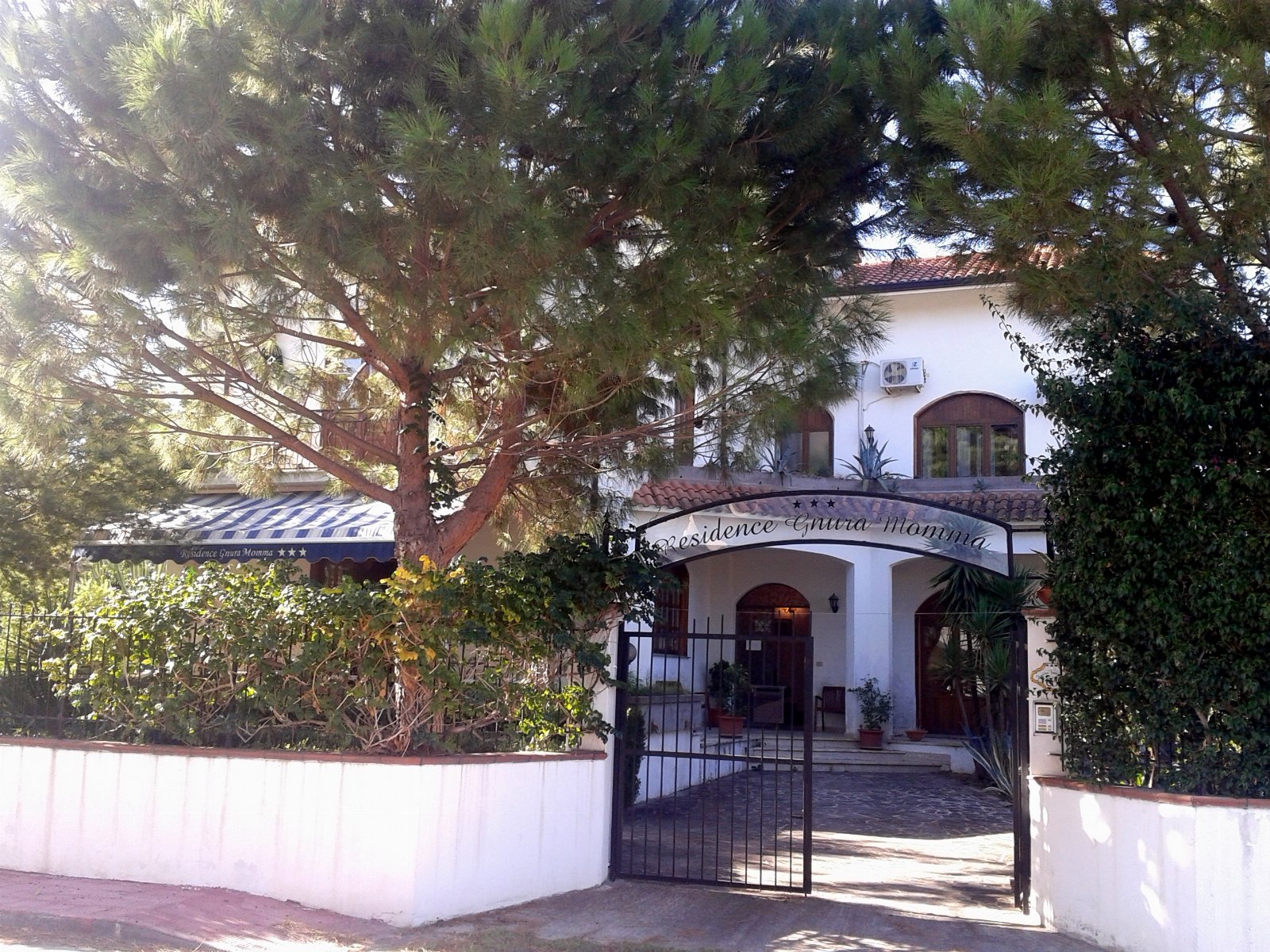
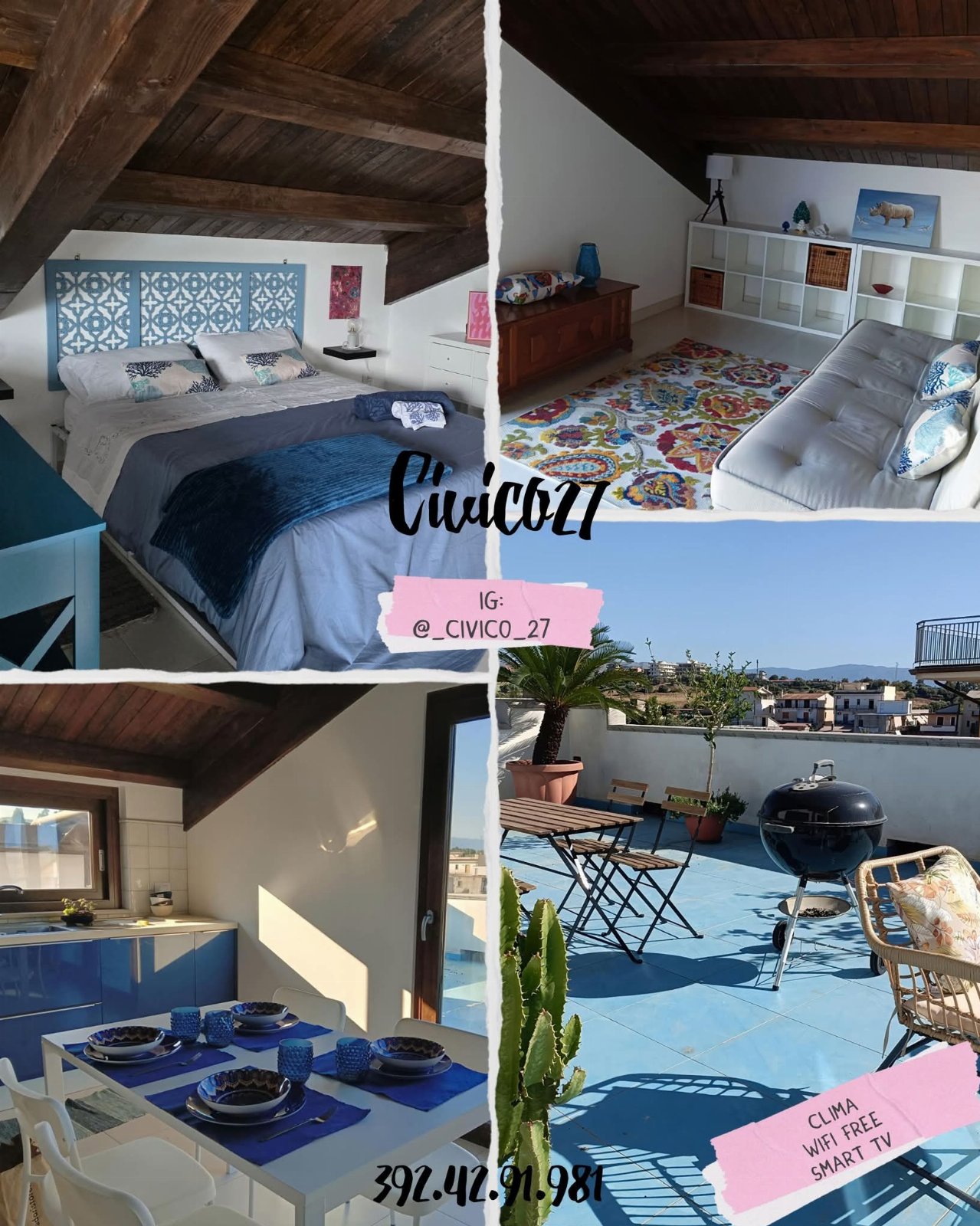
To fully appreciate the area, it is best to stay in a location that allows for easy movement between the coast and the mountain villages. Whether you are looking for a boutique apartment or a cozy guesthouse, staying locally ensures you can experience the sunrise over the Ionian Sea every morning. A base in this area allows you to explore at your own pace without the rush of long-distance travel.
A Locri sono disponibili 1 alloggi selezionati. Scopri gli alloggi a Locri.