Cosa vedere Lamezia Terme Calabria: The Ultimate Travel Guide
Welcome to the geographical and historical heart of Calabria. Often considered merely a transit hub due to its international airport and central railway station, Lamezia Terme is actually a treasure trove of cultural heritage, ancient ruins, and breathtaking landscapes. Formed in 1968 from the union of three distinct towns—Nicastro, Sambiase, and Sant'Eufemia—this unique city offers a multifaceted experience for any traveler. If you are searching for an authentic southern Italian adventure, understanding the depths of this region is essential.
Whether you are a history buff eager to explore Norman ruins, a nature lover looking to hike through pristine forests, or a foodie ready to indulge in robust Calabrian flavors, Lamezia Terme provides a perfect starting point. This comprehensive guide will walk you through everything you need to know to plan an unforgettable visit to this vibrant Calabrian destination.
The Main Attractions: 5 Must-See Sights
To truly understand the spirit of Lamezia Terme, you must explore its most iconic landmarks. The first unmissable attraction is the Castello Normanno-Svevo (Norman-Swabian Castle). Perched high on the San Teodoro hill in the Nicastro district, this fortress was originally built by the Normans in the 11th century and later expanded by Emperor Frederick II. Although largely ruined by the devastating earthquake of 1638, the remaining arches and towers offer a romantic, melancholic beauty and the best panoramic views of the city. Entry is generally free, and it is open during daylight hours, though the climb requires comfortable walking shoes.
Another iconic symbol of the city is the Bastione di Malta, a massive 16th-century watchtower built by the Knights of Malta to defend the coastline from Saracen pirate raids. Located in the Sant'Eufemia district, its imposing, well-preserved structure is a striking piece of military architecture. Next, you must visit the Terme di Caronte. These natural thermal baths have been renowned since antiquity for their healing sulfurous waters. While the modern spa facility offers paid treatments (starting around €15-€20 depending on the service), there is also a free, open-air natural pool nearby where locals gather to soak in the warm, 39°C (102°F) waters year-round.
Rounding out the top five are the Abbazia Benedettina di Sant'Eufemia and Corso Numistrano. The Benedictine Abbey ruins, dating back to 1062, represent one of the most important Norman religious sites in southern Italy. Walking through the foundations of this once-grand abbey is a humbling experience; entry is free, and it is best visited in the early morning light. Finally, Corso Numistrano is the elegant main street of the Nicastro district. Lined with historic palazzos, vibrant cafes, and boutique shops, it is the perfect place to experience the local lifestyle, grab a gelato, and enjoy a leisurely evening stroll.
Museums and Cultural Sites
Lamezia Terme boasts a rich tapestry of human history, best explored through its excellent museums. The crown jewel is the Museo Archeologico Lametino, located in the historic complex of San Domenico. This museum houses an impressive collection of artifacts spanning from the Paleolithic era to the late Middle Ages. Visitors can marvel at ancient Greek pottery, Roman coins, and intricate Norman relics excavated from the surrounding Terina and Sant'Eufemia plains. The museum is generally open from Tuesday to Sunday, from 9:00 AM to 8:00 PM, and entry is usually free or requires a very small nominal fee, making it a highly accessible cultural excursion.
Just a short walk away is the Museo Diocesano, an essential stop for art and religious history enthusiasts. Housed within the Bishop's Palace, this museum safeguards centuries of ecclesiastical wealth, including stunning silver chalices, intricately embroidered vestments, and beautiful Renaissance and Baroque paintings. The highlight is a magnificent 12th-century ivory casket of Arab-Sicilian craftsmanship. Opening hours can vary, often requiring a morning visit or a prior reservation, so it is wise to check ahead.
To fully immerse yourself in these cultural explorations without feeling rushed, it is highly recommended to base yourself in the city center. By securing a convenient accommodation in Lamezia Terme, you can easily access these historical sites on foot, allowing you to absorb the deep historical atmosphere of the Nicastro district at your own pace.
Churches and Historical Monuments
The religious architecture of Lamezia Terme tells the story of faith, resilience, and artistic evolution in Calabria. The Cattedrale dei Santi Pietro e Paolo (Cathedral of Saints Peter and Paul) in Nicastro is a prime example. Originally built in the Norman era, it was completely reconstructed in a grand Neoclassical style after the 1638 earthquake. Inside, you will find a serene atmosphere highlighted by beautiful wooden choir stalls and a stunning marble altar. The facade, with its stately columns, dominates the main square and serves as a central gathering point for the community.
Another architectural masterpiece is the Chiesa di San Domenico. Known for its breathtaking Baroque interior, the church features ornate stucco work, spectacular frescoes, and a beautifully preserved pipe organ. It stands as a testament to the wealth and influence of the Dominican order in the region. Further up the hill lies the Santuario di Sant'Antonio di Padova, a site of deep spiritual devotion for locals. The sanctuary houses significant religious art and offers a peaceful retreat with sweeping views over the rooftops of the historic center.
Beyond the churches, the historical monuments of the area include a network of coastal defense structures. Alongside the Bastione di Malta, several smaller Saracen towers dot the coastline. These stone sentinels are remnants of a time when the Calabrian shores were under constant threat from the sea. Exploring these monuments provides a fascinating glimpse into the architectural ingenuity and the turbulent history of the Mediterranean.
Nature and Natural Parks
While history is a major draw, the natural landscape surrounding Lamezia Terme is equally captivating. The city sits at the foot of the Reventino massif, a mountainous area that serves as a gateway to the vast and wild Sila National Park. Within the city limits, Parco Mitoio offers a lush, green escape. This expansive park is characterized by dense Mediterranean scrub, ancient pine trees, and an amphitheater used for summer cultural events. It is a fantastic spot for a morning jog, a family picnic, or a peaceful walk away from the urban bustle.
For those seeking a more adventurous outdoor experience, the nearby Difesa Botanica and the trails along the Torrente Piazza (the river that flows through Nicastro) provide excellent hiking opportunities. The surrounding hills are covered with olive groves and chestnut woods, offering trails of varying difficulty. Hiking up towards the mountain villages of the Reventino rewards travelers with fresh, crisp air and panoramic views that stretch all the way to the Tyrrhenian Sea and, on clear days, the Aeolian Islands.
After a long day of hiking through Calabrian forests and exploring river valleys, returning to a comfortable base is crucial. Finding a welcoming Lamezia Terme lodging ensures you have the perfect place to rest your legs, enjoy a hot shower, and prepare for the next day's adventures in the great outdoors.
One-Day Itinerary: Optimizing Your 8-Hour Visit
If you only have one day to spend in Lamezia Terme, a well-planned itinerary is essential to capture the city's essence. Start your morning in the Nicastro district. Grab an espresso and a warm cornetto at a local cafe on Corso Numistrano, then begin your ascent to the Castello Normanno-Svevo. Spend an hour wandering the ancient ruins and taking photos of the city below. As you descend, wander through the narrow, winding alleys of the San Teodoro neighborhood, making your way to the Cathedral and the Chiesa di San Domenico.
For lunch, you must indulge in traditional Calabrian cuisine. Find a cozy, rustic trattoria in the historic center. Order a plate of homemade fileja pasta topped with a rich, spicy 'nduja sauce, accompanied by local caciocavallo cheese and a glass of robust Lamezia DOC red wine. After a satisfying meal, dedicate your early afternoon to culture by visiting the Museo Archeologico Lametino to see the ancient treasures of the region.
In the late afternoon, drive or take a short bus ride down to the Sant'Eufemia district. Explore the hauntingly beautiful ruins of the Benedictine Abbey and take a quick detour to marvel at the Bastione di Malta. As the sun begins to set, head back to Corso Numistrano for the classic Italian aperitivo. Sit at an outdoor table, order an Aperol Spritz or a local craft beer, and enjoy the complimentary snacks as you watch the city come alive with the evening passeggiata.
What to See Nearby (30-60 Minutes Away)
Lamezia Terme’s strategic central location makes it the ultimate hub for exploring the wider region of Calabria. Just a 30-minute drive south along the coast brings you to Pizzo Calabro. This charming seaside town is famous for the Castello Murat (where the King of Naples was executed) and its legendary dessert, the Tartufo di Pizzo—a decadent hazelnut and chocolate ice cream bomb with a molten core. While in Pizzo, do not miss the Chiesetta di Piedigrotta, an incredible church carved entirely out of a tufa rock cave right on the beach.
If you are willing to drive about 60 minutes, you can reach the "Pearl of the Tyrrhenian," Tropea. Famous for its dramatic cliffside buildings, crystal-clear turquoise waters, and the iconic Sanctuary of Santa Maria dell'Isola, Tropea is a must-visit for beach lovers and photographers alike. The town is also renowned worldwide for its sweet red onions, which you will find incorporated into everything from savory tarts to marmalades.
Alternatively, a 30-minute drive east takes you across the narrowest point of Italy to the Ionian coast and the city of Catanzaro, the regional capital. Here you can stroll through the Parco della Biodiversità Mediterranea, admire the impressive Morandi Bridge, or relax on the expansive white sand beaches of Catanzaro Lido. Lamezia's proximity to both coastlines means you can literally watch the sun rise over the Ionian Sea and set over the Tyrrhenian Sea on the same day.
Where to Stay to Visit Lamezia Terme Relaxed
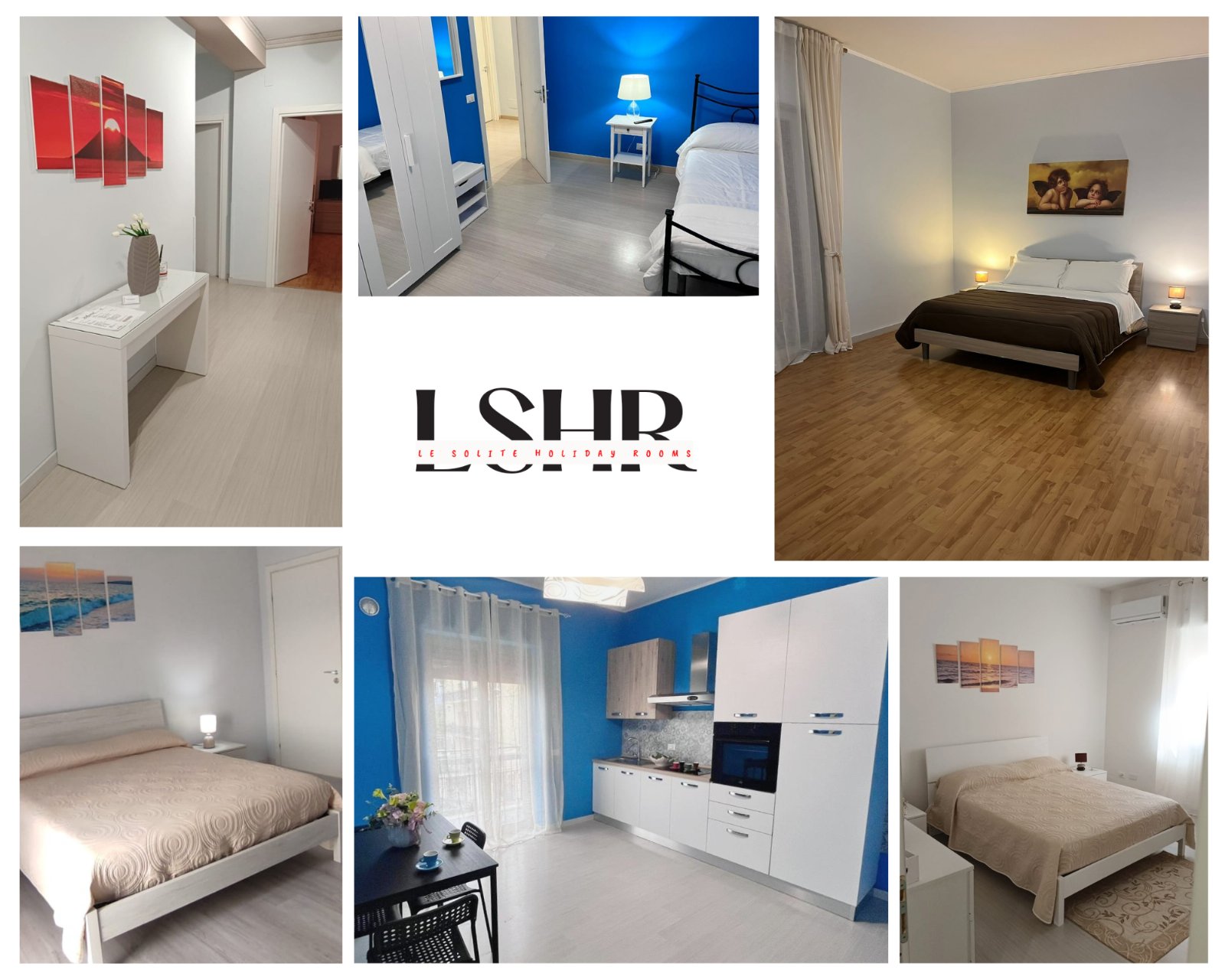
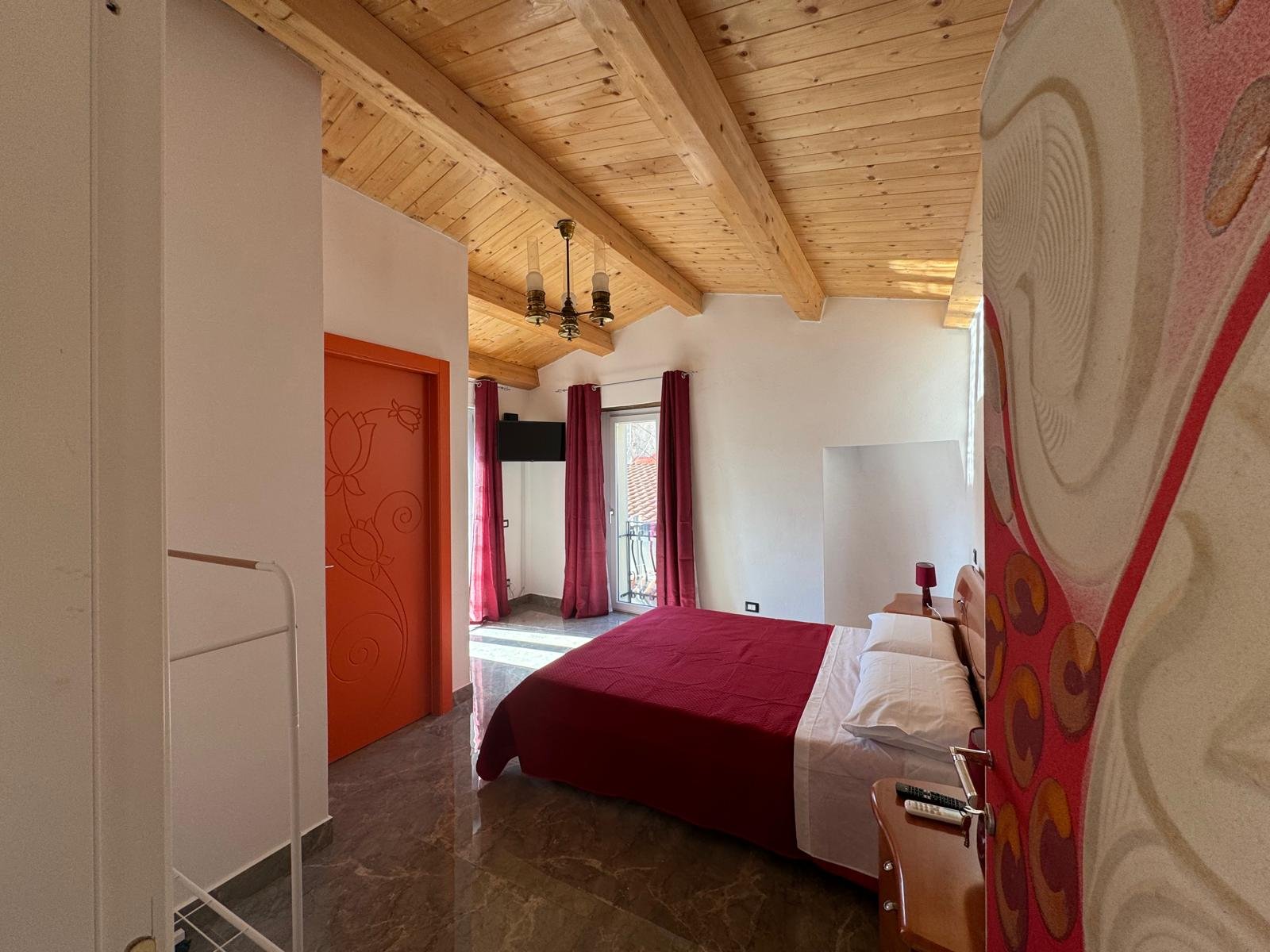
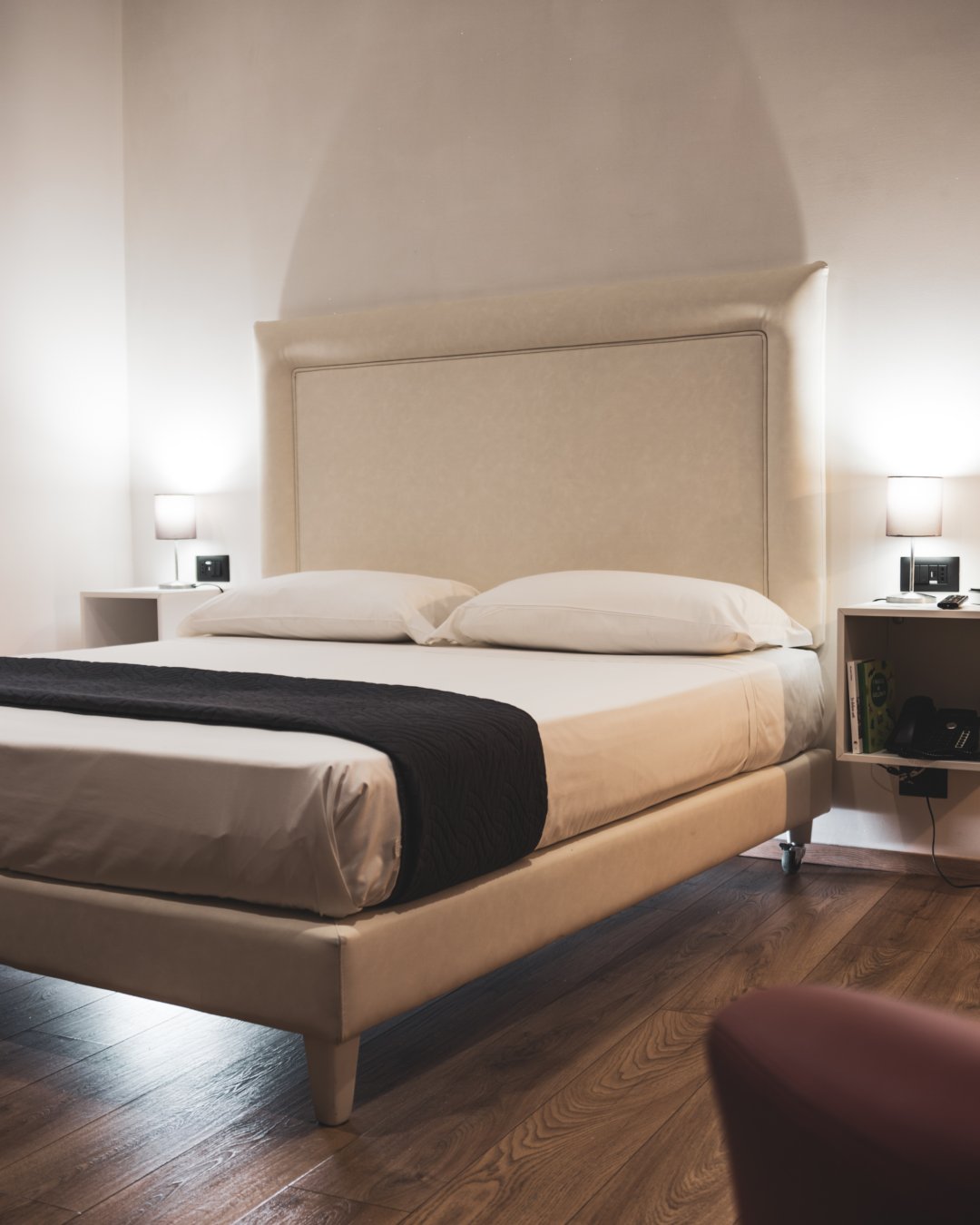
Choosing the right accommodation is the key to a stress-free and deeply enjoyable holiday. Because Lamezia Terme is spread across three distinct districts, staying in a central, well-connected location allows you to easily navigate between the historical sights of Nicastro, the coastal attractions of Sant'Eufemia, and the thermal baths of Sambiase. Whether you prefer a boutique bed and breakfast in a historic palazzo or a modern guesthouse with all the amenities, booking the right room will elevate your Calabrian experience.
A Lamezia Terme sono disponibili 3 alloggi selezionati. Scopri gli alloggi a Lamezia Terme.