The Ultimate Guide: What to see in Lamezia Terme, Calabria
Lamezia Terme is often perceived by international travelers merely as a transit hub, thanks to its strategic international airport and central railway station. However, this vibrant city, born from the unification of Nicastro, Sambiase, and Sant'Eufemia, is a hidden treasure trove of history, thermal wellness, and authentic Calabrian culture. Situated in the heart of the Calabrian isthmus, it serves as the perfect gateway to explore the region’s diverse landscapes, from the Tyrrhenian coast to the rugged Sila mountains.
Visiting Lamezia Terme allows you to immerse yourself in a place where ancient Norman ruins overlook modern urban life and where the healing power of thermal waters has been cherished since Roman times. Whether you are an archaeology enthusiast, a lover of Mediterranean cuisine, or someone seeking a quiet retreat, this city offers a unique blend of experiences that will surprise you at every turn. In this guide, we will explore the best sights, sounds, and flavors that make Lamezia Terme an essential stop on your Italian journey.
The Top 5 Attractions: What to see in Lamezia Terme, Calabria
The first stop on your journey should undoubtedly be the Norman-Swabian Castle. Perched on a hill overlooking the Nicastro district, this fortress dates back to the 11th century. It offers breathtaking panoramic views of the city and the Tyrrhenian Sea. While the site is largely in ruins, its walls carry the weight of centuries of history. It is generally open from sunrise to sunset, and admission is free, making it a perfect spot for sunset photography.
Second, you must visit the Terme di Caronte. Located in the area of Sambiase, these thermal baths have been famous since antiquity. The sulfurous waters are renowned for their therapeutic properties, particularly for skin and respiratory issues. The complex is surrounded by a lush park. While the public spring is accessible, the modern spa facility offers various treatments. Prices for spa access vary, so checking their official website for seasonal rates is recommended.
Third, the Bastion of the Knights of Malta (Bastione dei Cavalieri di Malta) is an iconic symbol of the city. Built in the 16th century to defend the coast from pirate raids, it stands as a testament to the turbulent history of the Calabrian coastline. It is located near the Sant'Eufemia district and is best viewed from the outside, serving as a striking landmark against the backdrop of the sea.
Fourth, explore the Cathedral of Saints Peter and Paul. Located in the historic center of Nicastro, this cathedral is the heart of the city's religious life. Rebuilt after various earthquakes, its neoclassical facade and rich interior decorations provide a serene atmosphere. It is free to visit, though it is respectful to avoid entry during mass. It is a great place to admire local religious art and architecture.
Finally, wander through the Corso Numistrano. This is the main artery of the city, lined with cafes, boutiques, and historic buildings. It is the perfect place to experience the "passeggiata," the traditional Italian evening stroll. Whether you are looking for local crafts or simply want to sip a coffee while watching the world go by, this is the social heartbeat of Lamezia Terme.
Museums and Cultural Sites
Lamezia Terme boasts a rich cultural heritage, best showcased at the Complesso Monumentale di San Domenico. This site houses the Diocesan Museum, which contains an extensive collection of sacred art, including paintings, sculptures, and liturgical objects dating back to the 16th century. The complex itself is an architectural masterpiece, featuring a stunning cloister that provides a peaceful escape from the bustling city streets.
Another essential stop is the Museo Archeologico Lametino, located in the former Convent of the Capuchins. This museum is home to artifacts discovered in the surrounding area, spanning from the prehistoric era to the Roman and Byzantine periods. The collection includes ancient coins, pottery, and tools that tell the story of the civilizations that shaped Calabria. It is usually open from Tuesday to Sunday, with a very affordable entry fee of approximately 3 euros.
For those interested in history, the ruins of the Abbey of Santa Maria di Corazzo are a short drive from the city center. This Cistercian monastery is famous for being the place where the mystic Joachim of Fiore lived and wrote. Although in ruins, the site is deeply atmospheric and evocative. To reach these sites, renting a car is highly recommended as public transport can be infrequent in the more secluded areas of the region.
Churches and Historic Monuments
The architecture of Lamezia Terme is a dialogue between different eras. Beyond the Cathedral, the Church of San Pancrazio in the Sambiase district is a beautiful example of local devotional architecture. Its interior is adorned with intricate frescoes and marble altars that reflect the piety of the local community. The church stands as a silent witness to the resilience of the city through centuries of natural disasters.
The city's history is also defined by its defensive structures. The aforementioned Norman-Swabian Castle is not the only fortification; the landscape is dotted with remnants of watchtowers and defensive walls that once protected the population from Mediterranean threats. Walking through the older streets of Nicastro, you will notice the narrow alleys and stone doorways, characteristic of medieval urban planning in Southern Italy.
If you are planning to spend time exploring the region, remember that Lamezia Terme is the ideal base. The city effectively preserves its heritage while maintaining a modern pace. Visitors are often struck by the contrast between the historic stone facades and the lively, modern plazas where locals gather to discuss politics and soccer.
Nature and Natural Parks
Lamezia Terme acts as a gateway to the spectacular Parco Nazionale della Sila. While not inside the city, it is easily reachable within an hour. The Sila is a vast mountain plateau covered in ancient pine forests, crystal-clear lakes, and diverse wildlife. It is a haven for hikers, mountain bikers, and nature photographers, offering a cool climate even during the hottest summer months.
Closer to the city, the Fiumara of the Amato River offers unique opportunities for trekking. The riverbed and the surrounding valley are home to diverse flora and fauna, perfect for those who want to escape the urban environment. The area is largely wild, so it is best to visit with a local guide or ensure you have proper hiking gear if you intend to explore the trails along the riverbanks.
For beach lovers, the coastal stretch of Sant'Eufemia provides long sandy beaches where you can enjoy the Tyrrhenian Sea. Unlike the more crowded tourist spots in Southern Italy, the beaches here offer a more authentic experience, where you can find space to relax and enjoy the Mediterranean sun. It is a perfect way to balance cultural exploration with total relaxation.
Itinerary in One Day
To optimize your time in 8 hours, start your morning at 9:00 AM at the Museo Archeologico Lametino to get an overview of the area’s history. By 11:00 AM, head to the Norman-Swabian Castle for a walk and some panoramic photos. For lunch, find a local trattoria in the Nicastro district and try the "Morzello," a traditional Lamezia dish, paired with a glass of local Cirò wine.
In the afternoon, around 2:30 PM, drive to the Terme di Caronte for a relaxing soak in the thermal park. This will rejuvenate you after your morning walk. By 5:00 PM, return to the city center and spend your time strolling along Corso Numistrano, visiting the local shops and the Cathedral. Finally, at 7:00 PM, enjoy an aperitivo in one of the lively bars in the center, soaking in the local atmosphere as the sun sets over the Calabrian hills.
What to see in the surroundings
Within a 30-60 minute drive, you can reach the picturesque village of Tropea, famous for its cliffside location and white sandy beaches. Another must-visit is Pizzo Calabro, known for its historic castle and the delicious "Tartufo di Pizzo" ice cream. For those interested in history, the town of Squillace offers stunning Byzantine ruins and a rich tradition of pottery making.
If you prefer mountain air, the drive up to the Sila plateau is an experience in itself, with winding roads that offer spectacular views of the coastline below. The diversity of the landscape within such a short radius makes Lamezia Terme one of the most convenient locations to explore the true essence of Calabria.
Where to stay to visit Lamezia Terme comfortably
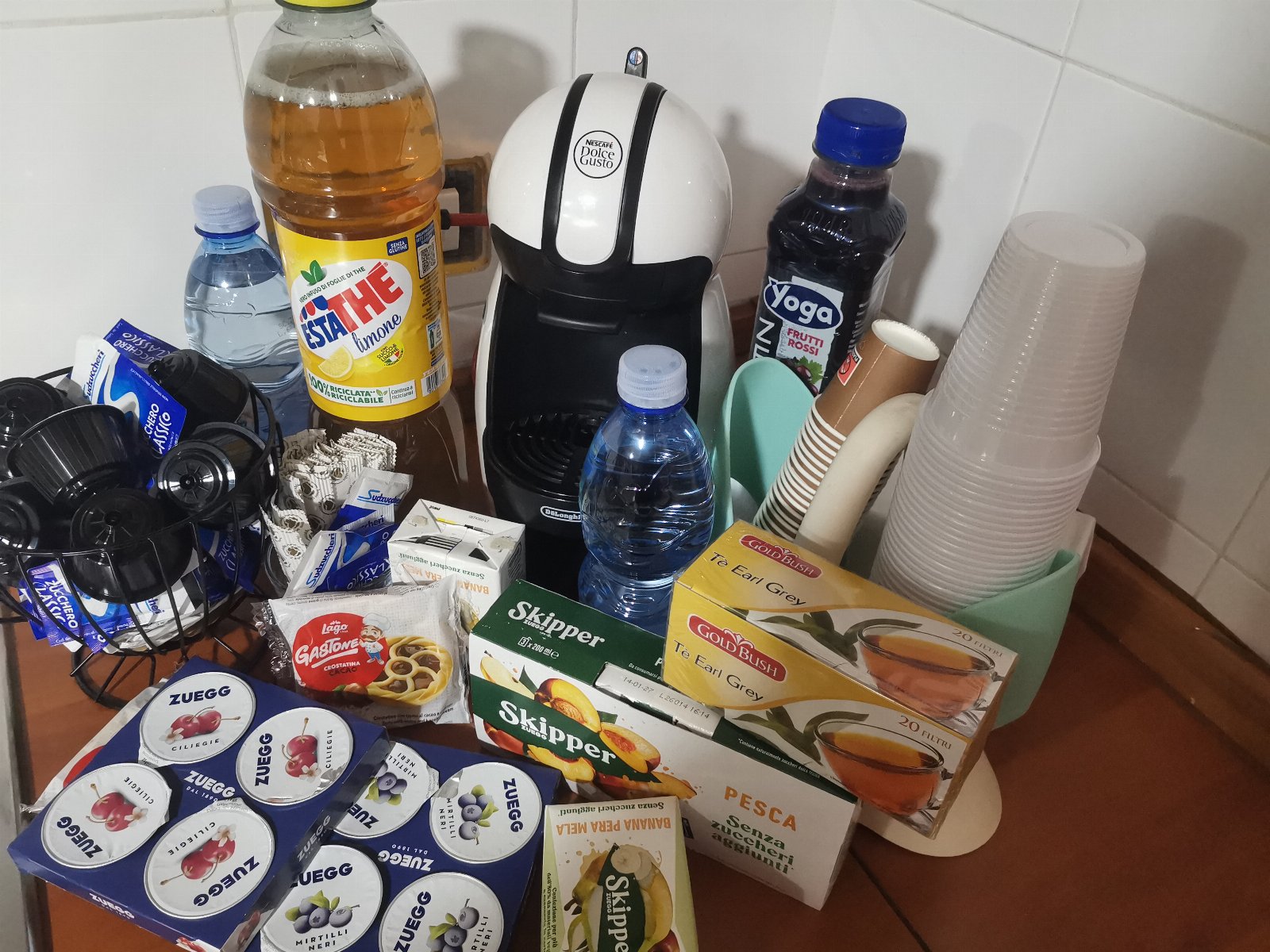
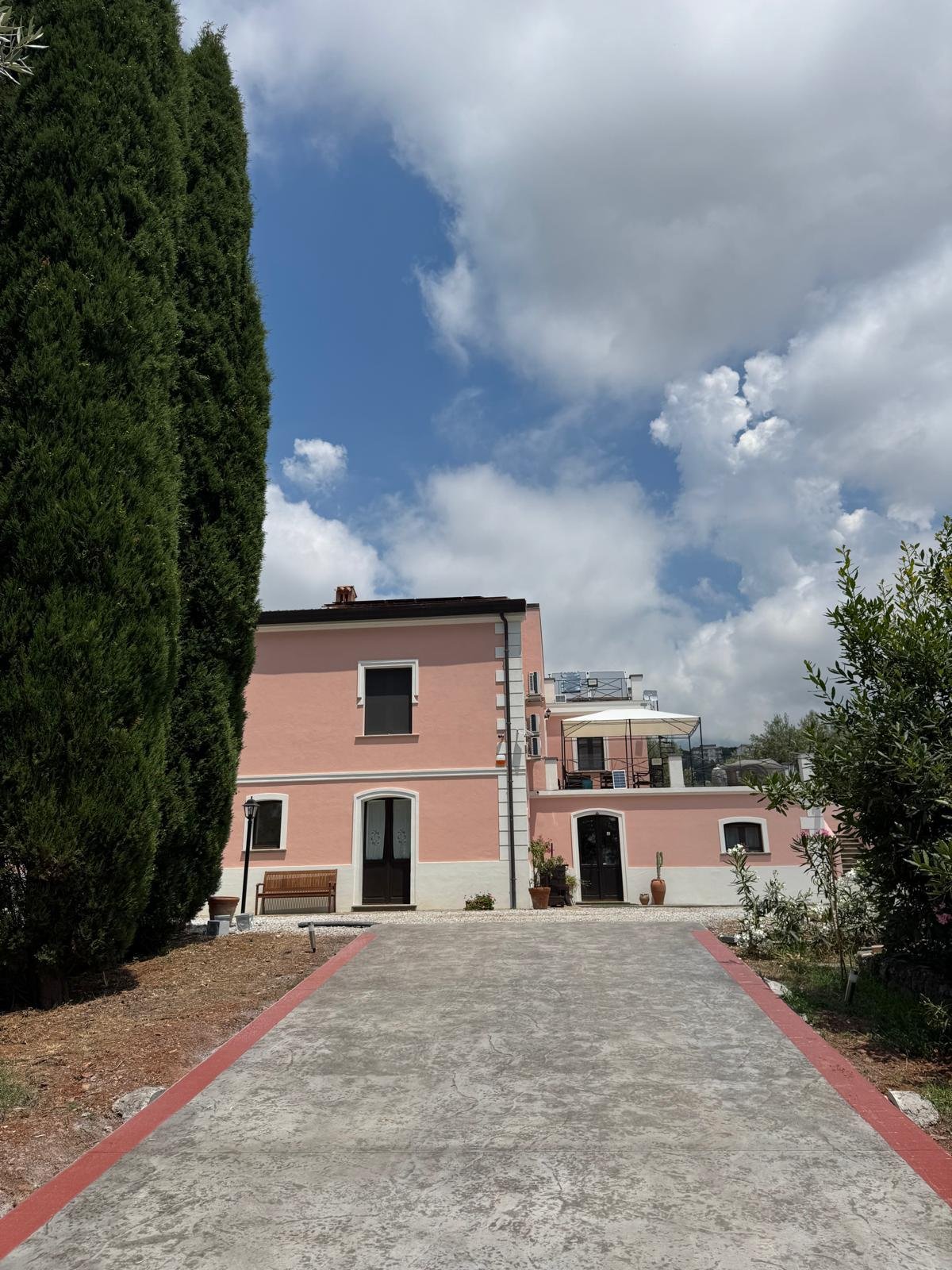
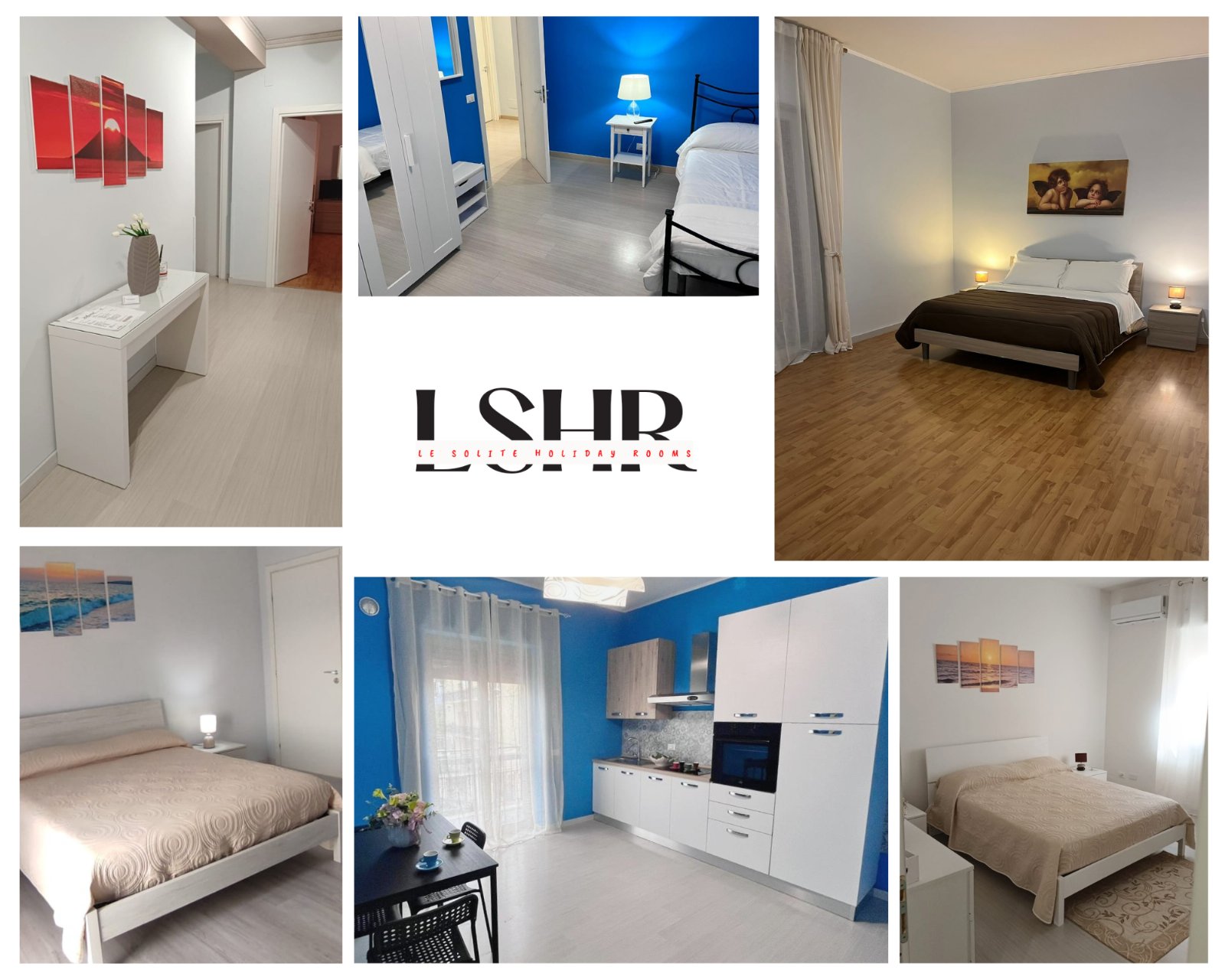
Choosing the right base is crucial for a stress-free holiday in Calabria. Staying in the city allows you to be close to transportation links while enjoying the local culture. A central location saves you time and energy, allowing you to focus on the sights rather than logistics. A Lamezia Terme are available 3 selected accommodations. Discover the accommodations in Lamezia Terme. These options provide the comfort and quality needed to make your stay memorable, offering a perfect home base to return to after your daily adventures.