Cosa Vedere Laino Borgo Calabria: The Ultimate Guide to What to See
Nestled in the rugged and breathtaking landscapes of the Pollino National Park, Laino Borgo is a hidden gem in the northernmost part of Calabria. For travelers seeking an authentic Italian experience far from the overcrowded tourist traps, this charming village offers a perfect blend of adrenaline-pumping nature, deep-rooted history, and spiritual tranquility. Whether you are an outdoor enthusiast looking to conquer the rapids of the Lao River or a history buff eager to explore ancient ruins, Laino Borgo provides an unforgettable backdrop for your southern Italian holiday.
Planning a trip to this fascinating region requires a bit of insider knowledge. The village is divided by the rushing waters of the river, creating a dramatic landscape that has shaped the local culture and architecture for centuries. As you prepare your itinerary, knowing exactly what to prioritize will ensure you make the most of your time in this pristine corner of Italy. This comprehensive guide will walk you through everything you need to know about visiting this remarkable destination.
The Main Attractions — 5 Must-See Spots in Laino Borgo
When you decide to stay in Laino Borgo, you are placing yourself at the epicenter of some of Calabria's most thrilling and visually stunning attractions. The first absolute must-see is the Lao River (Fiume Lao). Famous throughout Europe for its spectacular gorges, it is the premier destination for white-water rafting in southern Italy. Guided rafting tours operate daily from April to October. A standard 2-hour descent costs around €45 per person, while a full canyon expedition can cost up to €80. It is highly recommended to book in advance during the peak summer months of July and August.
The second unmissable attraction is the ghost town of Laino Castello. Located just across the valley, this ancient medieval village was abandoned following a series of earthquakes in the 1980s. Today, it stands as a hauntingly beautiful open-air ruin. Entrance is completely free, and it is open year-round. Wandering through the crumbling stone houses and narrow alleys offers a poignant glimpse into the region's past. We recommend visiting during the late afternoon when the setting sun casts a golden glow over the ruins.
Rounding out the top five attractions are the Sanctuary of the Madonna delle Cappelle, the towering Viaduct Italy (Viadotto Italia), and the Historic Center of Laino Borgo itself. The Viaduct is one of the highest bridges in Europe, offering jaw-dropping views of the Lao Valley (viewing is free from designated safe spots along the old roads). Meanwhile, the historic center of Laino Borgo invites you to stroll through timeless cobblestone streets, admiring ancient stone portals and enjoying the slow-paced Calabrian lifestyle. All of these central attractions are free to explore and accessible at any time of day.
Museums and Cultural Sites
While Laino Borgo may not boast massive metropolitan museums, the entire territory functions as a sprawling, interactive museum of history, ethnography, and rural Calabrian life. The cultural heart of the area is deeply tied to its religious and agricultural heritage. The village frequently hosts cultural exhibitions in its municipal buildings, showcasing traditional farming tools, historical garments, and photographic archives that document the evolution of the Lao Valley communities over the last century.
A significant cultural phenomenon in Laino Borgo is the historical reenactment known as the Giudaica. If you are lucky enough to visit during the Easter season, the streets transform into a living theater. This centuries-old tradition involves hundreds of locals dressed in period costumes, reenacting the passion and trial of Christ. It is an immersive cultural experience that draws visitors from all over the country. There are no tickets required for this open-air event, but arriving early to secure a good viewing spot is essential.
For those interested in deeper archaeological history, the surrounding Pollino area offers several excavation sites. The remnants of ancient Longobard and Norman settlements are scattered throughout the hills. Local cultural associations often organize guided historical walks during the summer weekends. These tours usually cost around €10 to €15 and provide invaluable context about how indigenous tribes, ancient Greeks, and medieval conquerors all left their mark on the borderlands between Calabria and Basilicata.
Churches and Historical Monuments
The spiritual crown jewel of Laino Borgo is undoubtedly the Sanctuary of the Madonna delle Cappelle (Our Lady of the Chapels). Built in the 16th century by a local traveler named Domenico Longo after his pilgrimage to the Holy Land, this complex was designed to replicate the holy sites of Jerusalem. The sanctuary features 15 small chapels, each adorned with vivid, albeit weathered, frescoes depicting the life of Christ and the Virgin Mary. The sanctuary is generally open to the public during daylight hours, and entry is free, though donations for its upkeep are warmly welcomed.
Another architectural marvel is the Church of Santo Spirito. Located in the heart of Laino Borgo, this church boasts a magnificent stone portal and houses significant works of local religious art, including finely carved wooden statues and ancient baptismal fonts. The architecture reflects a blend of rustic Calabrian design with subtle Renaissance influences, showcasing the historical wealth that once flowed through this river-trading town.
Beyond the churches, the historical monuments of the area include the remnants of Norman fortifications. Overlooking the valley from the abandoned Laino Castello, you can still see the ruins of a medieval castle and watchtowers. These structures were originally built to defend the territory from Saracen incursions and rival feudal lords. Hiking up to these ruins rewards visitors not only with a palpable sense of history but also with panoramic views that stretch across the Pollino mountains.
Nature and Natural Parks
Laino Borgo is proudly situated within the Pollino National Park, the largest protected natural area in Italy and a designated UNESCO Global Geopark. Nature lovers will find themselves in an absolute paradise here. The park is characterized by towering limestone peaks, deep river canyons, and vast, untouched forests. It is highly recommended to bring sturdy hiking boots, as the trails ranging from beginner to advanced offer unparalleled opportunities to spot golden eagles, Apennine wolves, and the rare roe deer.
The defining natural feature of the area is the Lao River gorge. Over millennia, the river has carved dramatic, steep-walled canyons through the rock. Even if you do not wish to go rafting, there are numerous trekking paths that follow the ridge of the gorge, providing spectacular vantage points. The forests surrounding the village are dense with beech, oak, and chestnut trees, making it a popular destination for foraging wild mushrooms and chestnuts in the autumn months.
For a truly unique botanical experience, you must seek out the Pino Loricato (Bosnian Pine), the symbol of the Pollino National Park. These ancient, resilient trees cling to the highest rocky crags of the mountains and can live for over a thousand years. Guided hiking tours to see these magnificent trees can be easily arranged from your accommodation in Laino Borgo. Most guided nature hikes cost between €20 and €35 and usually depart early in the morning to take advantage of the best weather conditions.
One-Day Itinerary in Laino Borgo
To optimize an 8-hour visit to Laino Borgo, start your morning at 9:00 AM with a peaceful walk to the Sanctuary of the Madonna delle Cappelle. Spend an hour exploring the 15 frescoed chapels and soaking in the serene atmosphere. Afterward, head into the historic center of Laino Borgo to admire the Church of Santo Spirito and grab a quick espresso and a traditional pastry at a local café, mingling with the friendly locals.
By 12:30 PM, it is time for lunch. Calabrian cuisine is rich, spicy, and unforgettable. Find a traditional trattoria in the village and order a plate of maccheroni al ferretto (handmade pasta) topped with a robust pork ragù, accompanied by locally cured meats, cheeses, and the famous crusco peppers. Pair your meal with a glass of robust Magliocco red wine to truly taste the terroir of the Pollino region.
Kick off your afternoon at 2:30 PM with an adventure. If you crave excitement, book a short afternoon rafting trip on the Lao River. If you prefer staying dry, take the short drive or hike over to the ghost town of Laino Castello. Spend a couple of hours photographing the evocative ruins and enjoying the sweeping views of the valley. Conclude your day around 5:30 PM back in the main square of Laino Borgo for an aperitivo. Enjoy an Aperol Spritz or a local craft beer as the sun sets behind the mountains, reflecting on a perfect day in Calabria.
What to See Nearby
Laino Borgo serves as an excellent base camp for exploring the wider Pollino region. Just a 30-minute drive away is Mormanno, another picturesque mountain village. Mormanno is famous for its imposing Votive Lighthouse (Faro Votivo) built in honor of the fallen soldiers of World War I, and the beautiful Cathedral of Santa Maria del Colle. It is also the perfect place to buy the renowned local delicacy, Bocconotto, a delicious shortcrust pastry filled with cherry jam or chocolate.
About 40 minutes to the west lies the village of Papasidero, home to one of the most important archaeological sites in Southern Italy: the Grotta del Romito. This prehistoric cave features stunning rock engravings dating back to the Paleolithic era, including a famous and perfectly preserved etching of a Bos primigenius (an extinct species of wild cattle). Entry to the cave and the adjacent museum costs around €5, and guided tours are available on-site.
Finally, a 35-minute drive south will bring you to Morano Calabro, officially listed as one of the "Most Beautiful Villages in Italy" (I Borghi più belli d'Italia). The town is an architectural wonder, with houses cascading down a conical hill, topped by the ruins of a Norman-Swabian castle. The visual impact of Morano Calabro is stunning, and wandering its labyrinthine streets feels like stepping back into the Middle Ages.
Where to Sleep to Visit Laino Borgo Relaxed
To truly appreciate the magic of the Pollino National Park and the Lao River valley, visiting for just a few hours is rarely enough. Staying overnight in Laino Borgo allows you to experience the crisp, silent mountain mornings and the star-filled night skies that are impossible to see in the city. Waking up to the sound of the river and the scent of the surrounding forests is an integral part of the Calabrian mountain experience.
Choosing the right accommodation ensures you are well-rested for your rafting adventures or mountain hikes. The village offers authentic hospitality, where hosts often treat you like family, providing insider tips on the best hidden trails and family-run restaurants. You will find comfortable, welcoming spaces that reflect the rustic charm of the region.
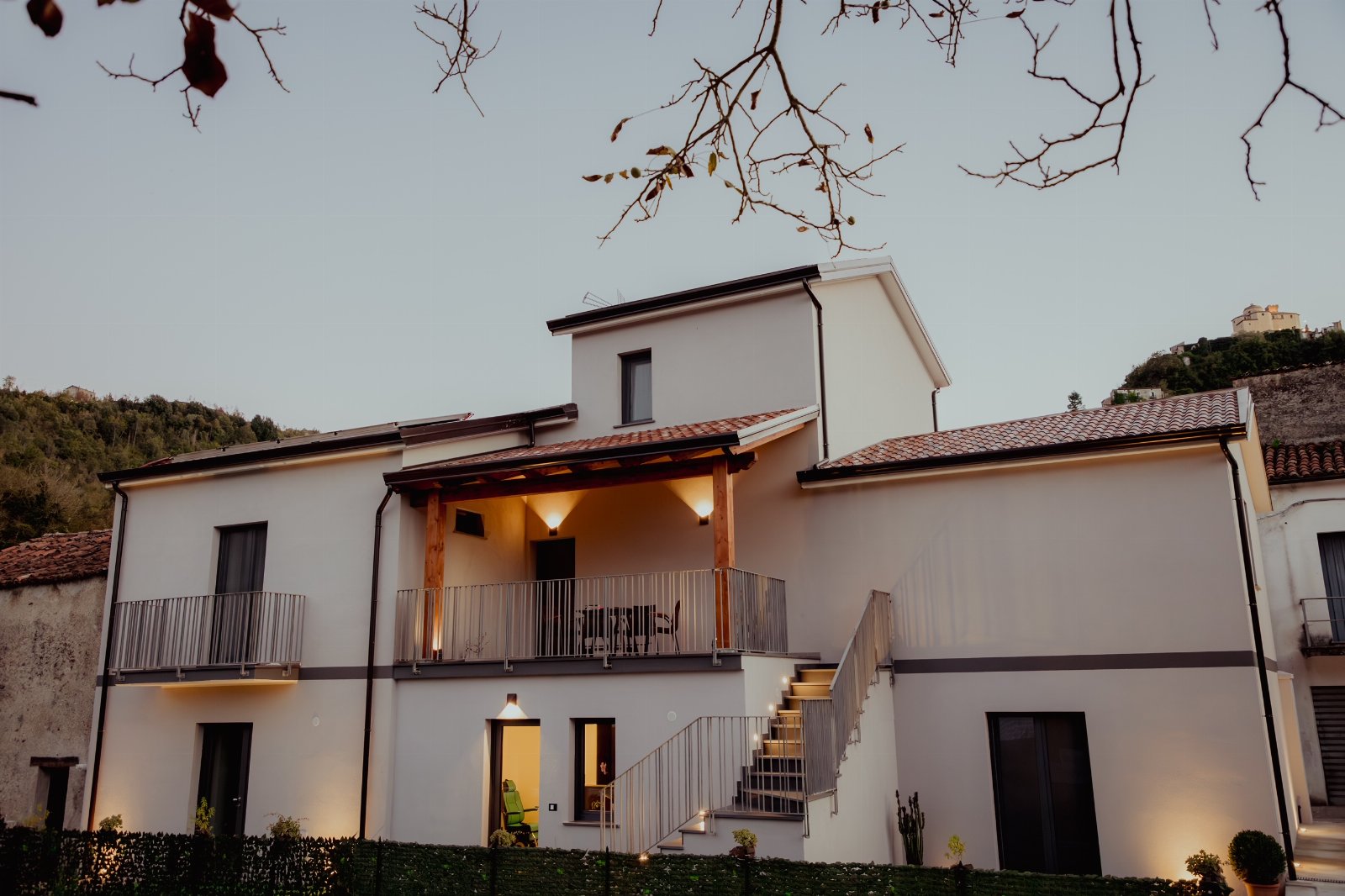
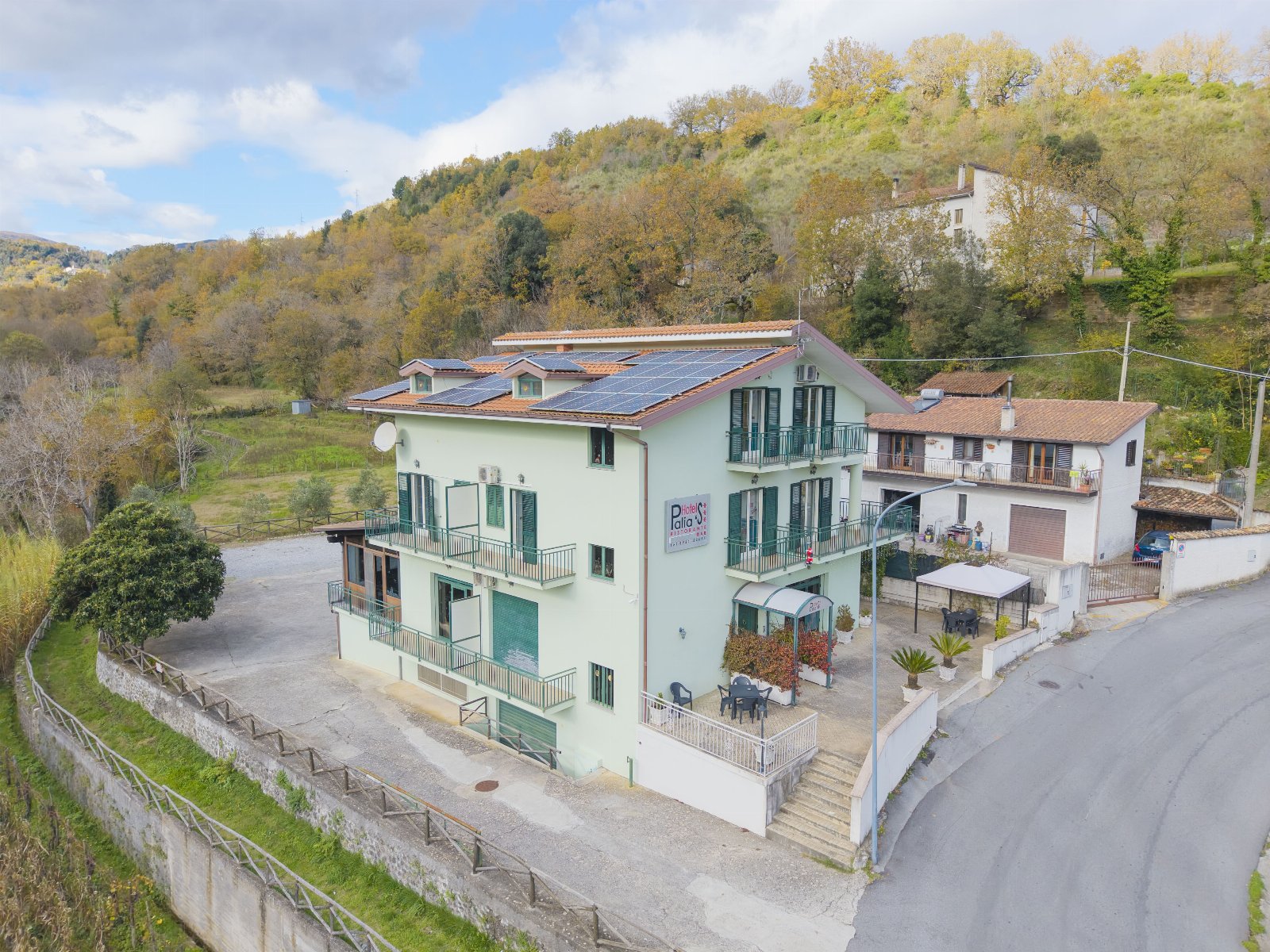
A Laino Borgo sono disponibili 2 alloggi selezionati. Scopri gli alloggi a Laino Borgo. Booking your stay here guarantees a strategic location, allowing you to easily reach the river bases, the ghost town, and the neighboring villages without the stress of long daily commutes.