Discover the Hidden Gem: What to See in Grotteria, Calabria
Nestled in the heart of the Locride region, Grotteria is a quintessential Calabrian hilltop village that time seems to have forgotten. Perched majestically above the Allaro River valley, this village offers a breathtaking blend of medieval history, Byzantine echoes, and authentic Mediterranean charm. If you are planning a trip to Southern Italy, discovering what to see in Grotteria, Calabria, is an essential step for any traveler seeking an off-the-beaten-path experience that combines deep historical roots with the serene beauty of the Aspromonte foothills.
Grotteria is not merely a destination; it is an atmosphere. As you wander through its narrow, winding alleys—locally known as "vichi"—you will encounter stone portals, ancient courtyards, and panoramic viewpoints that overlook the Ionian Sea. Unlike the crowded coastal resorts, Grotteria remains an intimate sanctuary where the pace of life slows down, allowing you to appreciate the architectural heritage and the warm hospitality of the locals. Whether you are a history buff, a nature lover, or simply someone looking to escape the hustle and bustle, Grotteria promises a journey into the soul of Calabria.
The Top 5 Must-See Attractions in Grotteria
The first stop on your tour must be the Castle of Grotteria. Perched at the highest point of the village, the remains of this Norman-era fortress offer a glimpse into the strategic importance of this site during the Middle Ages. While much of the structure has been shaped by centuries of seismic activity, the walls still emanate a sense of power. It is open to the public for free at all hours. We recommend visiting during the golden hour to capture the sunset over the valley. There is no formal ticket office, as it is an open-air historical site.
Secondly, do not miss the Church of the Immaculate Conception (Chiesa dell’Immacolata). This church is a masterpiece of local religious architecture, housing exquisite statues and altars that reflect the Baroque influence in Southern Italy. It is usually open during morning and afternoon mass hours. Entry is free, but a small donation for the upkeep of this historic monument is always appreciated by the local parish. It serves as a spiritual and artistic anchor for the village community.
Thirdly, take a stroll through the Historical Center (Borgo Antico). This is not a single building but the entire labyrinthine core of the village. Walking through the ancient stone arches and observing the weathered facades of the houses is an attraction in itself. You will find various plaques describing the history of the noble families who once resided here. It is best enjoyed on foot, allowing you to get lost in the authentic atmosphere. There is no cost to explore, and it is accessible 24/7.
Fourthly, visit the Church of San Nicola. Known for its distinct architectural style that blends different historical periods, this church is a testament to the religious devotion of the Grotteresi. Its interior is adorned with fascinating wooden carvings and religious paintings. Like most churches in the area, it follows a liturgical schedule, so it is best to visit during late mornings. It is a quiet place for reflection and offers a cool respite from the midday sun.
Finally, make sure to visit the Belvedere of Grotteria. This panoramic terrace provides an unobstructed view of the surrounding hills, the Allaro riverbed, and the distant Ionian coastline. It is the perfect spot for photography enthusiasts. There is no fee to access this public space. It is the ideal place to sit on a bench, breathe in the fresh Calabrian air, and appreciate why many travelers choose Grotteria as their base for exploring the region.
Museums and Cultural Sites
Grotteria acts as an open-air museum, but it also hosts smaller, curated collections that preserve the local heritage. The Civic Museum often features rotating exhibitions related to rural life and the agricultural history of the Locride area. These exhibits showcase traditional tools, antique garments, and historical photographs that tell the story of the village's transformation over the last century. Please check the local municipality office or social media pages for current seasonal opening hours, as these can vary significantly depending on the time of year.
The archaeological interest in Grotteria is deeply linked to the surrounding territory. While the village itself is medieval, the area has seen human settlement since the Greek colonization of Magna Graecia. You can often find remnants of these ancient civilizations in the local private collections or by visiting the nearby archaeological sites of Locri Epizefiri. To get there, you can drive down towards the coast, which takes about 20 minutes. It is a must for those interested in the transition from Greek to Roman and Byzantine influence in Calabria.
Churches and Historical Monuments
The architecture of Grotteria is a fascinating study in resilience. The village is defined by its stone masonry, which has helped it survive various earthquakes. The Church of Santa Maria del Soccorso is another notable building, featuring a facade that captures the simplicity of rural religious construction. The interior, however, surprises visitors with its rich decorative elements, demonstrating the contrast between the modest exterior and the devotion found within.
Beyond the religious buildings, the ancient gateways that once guarded the entrance to the village are still partially visible. These stone arches are iconic symbols of the medieval era when Grotteria was a fortified stronghold. Exploring these monuments allows you to visualize how the village was structured centuries ago. It is a perfect way to connect with the past while enjoying a peaceful walk through the quiet streets.
Nature and Natural Parks
Grotteria is the gateway to the Aspromonte National Park. The surrounding landscape is characterized by the Allaro River, which carves through the terrain, creating lush green gorges and hidden swimming holes. Hiking enthusiasts will find numerous trails that lead from the village into the heart of the Aspromonte mountains. These paths are perfect for trekking, mountain biking, or simply enjoying the Mediterranean flora, including wild orchids and ancient olive groves.
For those who prefer a more relaxed nature experience, the surrounding hills are dotted with orchards and vineyards. The biodiversity of this area is immense, and the sound of the river in the valley below provides a constant, soothing soundtrack to your explorations. Remember to bring sturdy hiking boots if you plan to venture into the deeper forest trails, and always carry enough water, as the Calabrian sun can be quite intense during the summer months.
Itinerary in One Day
To optimize your visit in 8 hours, start your morning at 9:00 AM by exploring the Castle of Grotteria and taking in the panoramic views from the Belvedere. By 11:00 AM, walk through the historic center, focusing on the Church of the Immaculate Conception. For lunch, find a local trattoria that serves "maccarruni" (local handmade pasta) paired with local red wine. This is the best way to taste the authentic flavors of Grotteria.
In the afternoon, spend two hours hiking along the trails overlooking the Allaro valley or visit the local civic exhibitions if they are open. Around 5:00 PM, head back to the village square for an aperitivo. Enjoy a glass of local wine while watching the sunset paint the sky in hues of orange and purple. This itinerary allows you to balance history, nature, and relaxation without feeling rushed.
What to See in the Surroundings
Within a 30-60 minute drive, you can reach several iconic locations. Locri Epizefiri, an ancient Greek city, is just 20 minutes away and offers an incredible archaeological park. The coastal town of Siderno provides beautiful beaches for a refreshing swim after your hill exploration. Further inland, the village of Gerace is a must-see, often cited as one of the most beautiful villages in Italy, famous for its massive cathedral and medieval layout.
If you have more time, drive to Stilo to witness the Cattolica, a perfect example of Byzantine architecture. These sites, combined with your visit to Grotteria, provide a comprehensive overview of the diverse cultural layers that define the Calabria region. Each of these destinations is easily accessible via the well-maintained provincial roads that wind through the stunning Calabrian landscape.
Where to Stay to Visit Grotteria with Calm
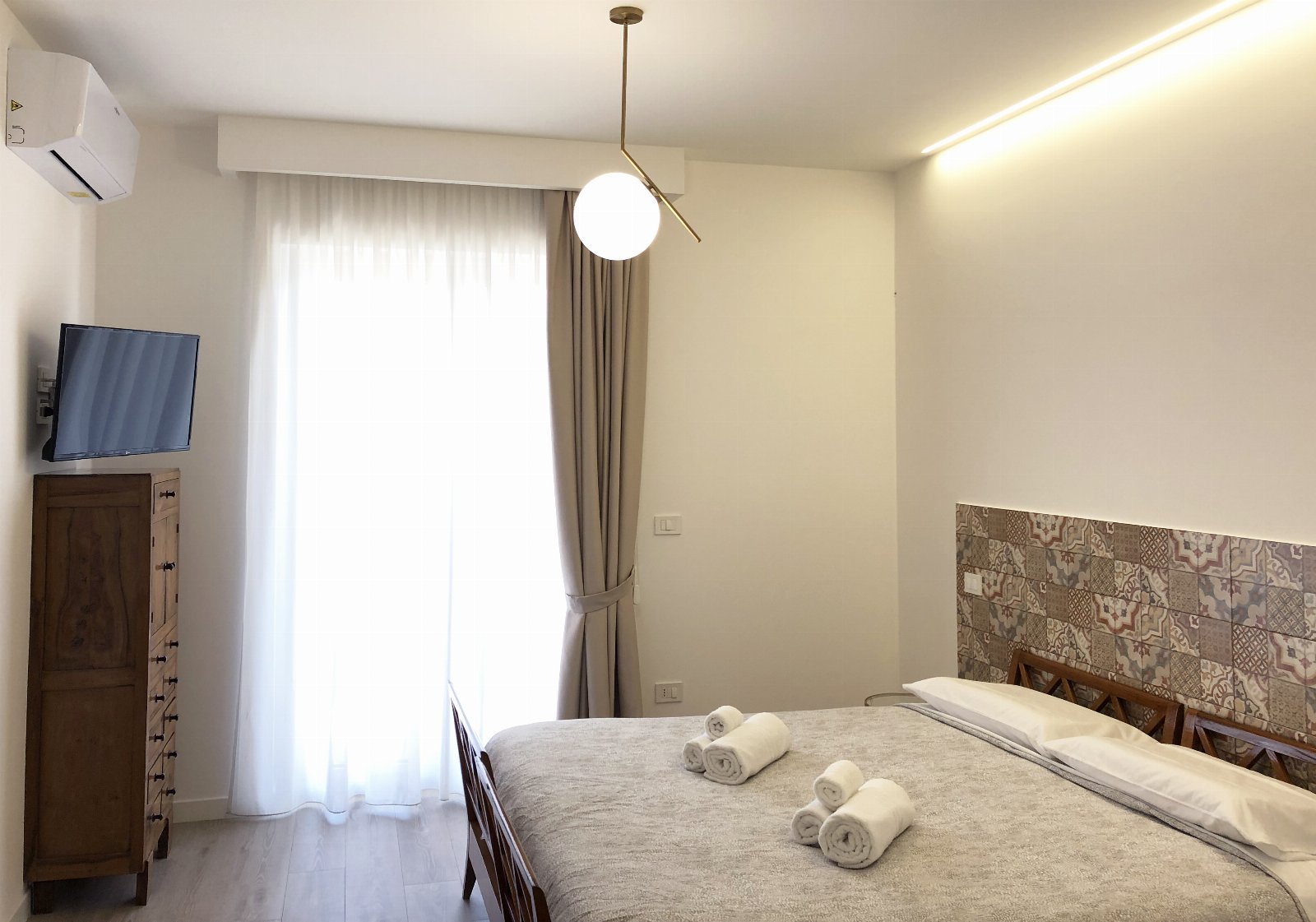
Staying in Grotteria allows you to wake up to the sound of church bells and the sight of the morning mist lifting off the valley. It is a truly immersive experience that you cannot get by staying in the coastal resorts. By choosing to stay in the village, you support the local economy and get a deeper understanding of the community. A Grotteria are available 1 selected accommodation. Discover the accommodations in Grotteria. Staying here will ensure you have a peaceful base to return to after your daily adventures in the beautiful region of Calabria.