Discovering the Hidden Gem: What to see in Celico, Calabria
Nestled in the heart of the Sila plateau, Celico is a charming village that serves as a gateway to the mountainous beauty of Calabria. Known historically as the birthplace of the mystic Joachim of Fiore, this town offers a unique blend of medieval history, spiritual heritage, and breathtaking natural vistas. Visiting Celico means stepping back in time, away from the crowded coastal resorts, to experience the authentic, slow-paced lifestyle of the Calabrian hinterland.
Whether you are a history buff, a nature enthusiast, or simply someone looking for a peaceful retreat, Celico provides an ideal setting. The town’s architecture, characterized by narrow stone alleys and ancient portals, reflects its long-standing importance in the regional history. As you wander through its streets, you will discover that the true beauty of this place lies in its quiet corners and the warm hospitality of its inhabitants.
The Top 5 Attractions: What to see in Celico, Calabria
The first must-see landmark is the Birthplace of Joachim of Fiore. Joachim was a medieval theologian and mystic whose influence spread throughout Europe. The house where he was born has been preserved as a site of historical interest, offering a glimpse into the life of this influential figure. While it is not always open for guided tours, the exterior architecture and the commemorative plaque are essential stops for anyone interested in medieval history. It is best to visit during the morning hours when the sunlight hits the stone facade perfectly.
Second, you must visit the Church of San Michele Arcangelo. This church is the spiritual heart of the community. Its interior boasts stunning baroque altars and precious paintings that narrate the religious devotion of the local population. The entry is free, though it is respectful to offer a small donation for maintenance. It is typically open for morning and evening masses; checking the local parish schedule is recommended to avoid arriving during services.
Third, take a walk through the Historic Center. The labyrinthine streets of Celico are an attraction in themselves. Look for the ancient stone portals—often carved with the symbols of the families who once lived there—and the small squares where time seems to stand still. There is no ticket price for this; just bring comfortable shoes and a camera to capture the timeless atmosphere.
Fourth, visit the Monument to Joachim of Fiore located in the town square. This sculpture is a tribute to the town's most famous son and serves as a meeting point for locals. It is a perfect spot to sit for a while, observe the local life, and enjoy the crisp mountain air. It is accessible 24/7 and costs nothing to visit.
Finally, explore the surrounding viewpoints that offer panoramic vistas of the Crati Valley. These natural balconies allow you to see the transition from the rugged Sila mountains to the rolling hills below. These spots are free and perfect for sunset photography, providing a serene backdrop for your trip to Celico.
Museums and Cultural Sites
While Celico is a small town, its cultural significance is amplified by its connection to the Cistercian order and the legacy of Joachim of Fiore. The local cultural association often organizes exhibitions related to the history of the Sila region. Visitors should inquire at the municipal office or local tourist information centers about temporary exhibits that might be running during their stay. These exhibitions often feature ancient manuscripts and historical artifacts recovered from the surrounding areas.
To reach these sites, the most convenient method is by car, traveling along the SS107 highway that connects Cosenza to the Sila plateau. Public transport is available via local bus lines from Cosenza, but a private vehicle allows for more flexibility, especially if you plan to visit the more remote archaeological sites or nearby mountain trails. The cultural richness of this region is best explored at a slow pace, allowing you to appreciate the depth of its heritage.
Churches and Historic Monuments
Celico is home to several smaller chapels and churches that reflect the architectural evolution of the region. Beyond San Michele Arcangelo, keep an eye out for the Church of the Immaculate Conception, which features a distinctive bell tower that dominates the skyline of the village. The architecture here is a mix of Romanesque foundations and later Baroque modifications, a testament to the layers of history present in the area.
The town also retains traces of its ancient defensive structures. While there is no massive castle, the layout of the houses often suggests a defensive wall system from the Norman period. Walking through the narrow passages, you can sense the strategic importance this town held in protecting the mountain passes. The stonework, often featuring local granite, is a beautiful example of traditional Calabrian masonry that has withstood the test of centuries.
Nature and Natural Parks
Celico is situated on the edge of the Sila National Park, one of Italy's most pristine natural treasures. The park is characterized by vast pine forests, ancient oaks, and crystal-clear streams. For nature lovers, this is a paradise for hiking, mountain biking, and bird watching. The air here is known for being some of the cleanest in Europe, making it an ideal destination for those looking to escape the pollution of urban centers.
Nearby, the fiumare (seasonal riverbeds) and the dense woods offer endless opportunities for exploration. During the autumn months, the forest floor becomes a haven for mushroom hunters, while spring brings a vibrant display of wildflowers. Whether you are looking for a gentle walk along the forest paths or a challenging hike to the higher peaks, the landscape surrounding Celico provides an unforgettable outdoor experience.
Itinerary in One Day
To optimize your 8-hour visit, start your morning at 9:00 AM with a coffee in the main square, immersing yourself in the local rhythm. Spend the next two hours exploring the historic center and the Church of San Michele Arcangelo. By 11:30 AM, head toward the outskirts to enjoy a short hike in the Sila woods, soaking in the fresh mountain air.
For lunch at 1:00 PM, find a local trattoria to taste authentic Calabrian cuisine, such as homemade pasta with wild mushrooms or the famous spicy "nduja." Spend the afternoon (3:00 PM to 5:00 PM) visiting the cultural sites or the Joachim of Fiore memorial. Finally, conclude your day at 6:00 PM with an aperitivo in one of the village bars, sipping local wine while watching the sunset over the valley. It is a perfect, relaxed way to experience the charm of Celico.
What to see in the surroundings
Within a 30 to 60-minute drive, you can reach several other fascinating destinations. San Giovanni in Fiore is a must-visit, home to the famous Abbey of Flore, founded by Joachim himself. It is a significant site for religious history and offers a more extensive museum collection related to the mystic.
Additionally, the city of Cosenza is just a short drive away. Known as the "City of the Bruzi," it offers a vibrant mix of modern culture and ancient history, with its historic center, the Hohenstaufen Castle, and the modern MAB (Open Air Museum) in the city center. For those who prefer nature, the Cecita Lake is a beautiful destination for water sports and picnics, offering a serene environment surrounded by the lush forests of the Sila National Park.
Where to stay to visit Celico with calm
Staying in the area allows you to fully appreciate the tranquility of the Sila mountains. Choosing a local base is the best way to ensure you have enough time to explore both the village and the surrounding wilderness without rushing. A comfortable stay will enhance your experience, allowing you to return to a cozy environment after a day of hiking or historical research.
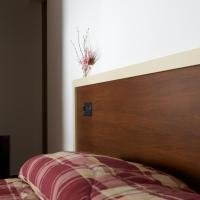
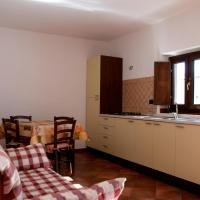
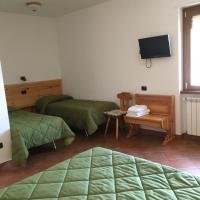
A Celico sono disponibili 4 alloggi selezionati. Scopri gli alloggi a Celico. These accommodations range from traditional guesthouses to renovated mountain homes, ensuring that every type of traveler can find the perfect place to rest. By choosing to stay locally, you also support the community and get a more authentic taste of life in the Calabrian mountains.