Exploring the Historical Borghi Near Villa San Giovanni Calabria
Calabria is a land of dramatic contrasts, where rugged mountain peaks plunge directly into the crystalline waters of the Mediterranean and Ionian seas. While many travelers are drawn to the region for its spectacular coastline, the true soul of this ancient land lies hidden in its inland hills. As an expert in Calabrian cultural tourism, I always encourage visitors to look beyond the beaches and discover the timeless magic of the local historical villages. Planning a trip to the deep south of Italy offers a unique opportunity to step back in time, wandering through cobblestone alleys that whisper tales of ancient Greeks, fierce Normans, and noble feudal lords. If you are looking for the ultimate guide to the historical borghi Villa San Giovanni Calabria, you have come to the right place.
Positioned right on the Strait of Messina, Villa San Giovanni is primarily known as the main gateway to Sicily. However, its strategic location makes it an absolutely perfect starting point for exploring the enchanting medieval settlements scattered across the Costa Viola and the Aspromonte mountains. Because the town is exceptionally well-connected by highways and coastal roads, you can spend your days marveling at ancient fortresses and Byzantine churches, knowing you can easily return to a comfortable base in Villa San Giovanni as the sun sets over the Tyrrhenian Sea. Let us embark on a journey through the most captivating historical villages this vibrant region has to offer.
The Must-See Medieval Villages
Just a short 15-minute drive north of Villa San Giovanni lies the breathtaking village of Scilla, and more specifically, its ancient fishermen's quarter known as Chianalea. Often referred to as the "Venice of the South," Chianalea features narrow alleys and old stone houses built directly on the rocks, where the waves literally crash against the walls. Above the village looms the majestic Ruffo Castle, a formidable fortress that offers panoramic views of the Strait of Messina and the Aeolian Islands. The blend of maritime tradition, Greek mythology involving the sea monster Scylla, and medieval architecture makes this an unmissable first stop on your itinerary.
Traveling approximately 45 minutes south-east from Villa San Giovanni, you will discover the hauntingly beautiful ghost town of Pentedattilo. Nestled in the rugged Aspromonte mountains, this village gets its name from the massive rock formation looming above it, which resembles a giant, five-fingered hand (from the Greek penta and daktilos). Abandoned in the mid-20th century due to the threat of landslides, the village has recently experienced a cultural rebirth. Today, visitors can wander through its silent, winding streets, visit artisan workshops that have opened in the restored stone cottages, and learn about the tragic 17th-century "Massacre of the Alberti," a tale of love, betrayal, and bloody revenge between rival noble families.
If you are willing to venture slightly further into the hills, about an hour away, you will reach Bova, the undisputed capital of the Grecanica (Greek-Calabrian) area. Perched at an altitude of 900 meters, this village offers sweeping views of the Ionian coast. Bova is a place where the ancient Greek language and culture are still fiercely preserved by the locals. Here, you can explore the ruins of the Norman Castle, visit the Sanctuary of San Leo, and immerse yourself in a unique linguistic and cultural heritage that dates back to Magna Graecia. The steep, winding alleys are lined with noble palaces and stone portals that speak to the village's prosperous past.
Finally, though it requires a slightly longer drive of about an hour and a half, Gerace is universally considered one of the most beautiful medieval villages in all of Italy. Located within the Aspromonte National Park, Gerace is famously known as the "City of a Hundred Churches." The town has impeccably preserved its medieval urban layout, complete with monumental gates, aristocratic palazzos, and a spectacular Norman Cathedral that stands as the largest religious building in Calabria. Walking through Gerace is like navigating an open-air museum, where every corner reveals a new architectural masterpiece or a breathtaking view of the valley below.
Art and Architecture of Calabrian Villages
The architectural landscape of the Calabrian borghi is a fascinating tapestry woven from centuries of conquest and cultural exchange. Because Calabria was ruled by a succession of empires—including the Byzantines, Normans, Swabians, Angevins, and Aragonese—the villages near Villa San Giovanni boast a highly eclectic mix of artistic styles. You will frequently encounter robust Norman castles, originally built for military defense against Saracen pirate raids, standing proudly at the highest points of these settlements. These fortresses, such as the ones in Scilla and Bova, are characterized by their thick stone walls, imposing watchtowers, and strategic vantage points overlooking the coastline.
Religious architecture in these villages is equally mesmerizing. Many of the small rural churches exhibit distinct Byzantine influences, featuring square layouts, small domes, and remnants of intricate frescoes that depict elongated, stylized saints. As you move into larger settlements like Gerace, the transition to Romanesque and Norman styles becomes evident. The cathedrals boast massive stone columns, crypts carved directly into the bedrock, and elegant portals adorned with intricate stone carvings. The piazzas, or historical squares, serve as the beating heart of these communities, often paved with local stone and surrounded by the elegant balconies of aristocratic palaces featuring wrought-iron details.
Beyond the grand buildings, the art of the Calabrian borghi lives on in its traditional craftsmanship. As you explore the narrow alleys, locally known as caruggi, you will find small artisan workshops keeping ancient techniques alive. The nearby village of Seminara, for example, is world-renowned for its vibrant ceramics, particularly the apotropaic masks designed to ward off evil spirits. Weaving is another historical craft, with artisans in the Grecanica area still producing beautiful textiles using broom fiber. Taking the time to appreciate these architectural details and local crafts provides a much deeper understanding of the region's resilient and creative spirit.
One-Day Itinerary
If your time is limited, organizing a well-structured day trip is the best way to experience the magic of these historical settlements. I recommend starting your day early, around 8:30 AM, to make the most of the Calabrian sunshine. Begin your morning with a short drive to Scilla. Spend your first couple of hours wandering through the romantic alleys of Chianalea, taking photographs of the fishing boats pulled up directly onto the cobblestone ramps. By 10:30 AM, hike up to the Ruffo Castle to explore its historical exhibits and enjoy a panoramic morning coffee overlooking the Strait of Messina.
For a truly memorable lunch, stay in Scilla or drive slightly south towards the coastal areas near Reggio Calabria. A typical Calabrian lunch is an event in itself. You must try a traditional swordfish sandwich (panino con pesce spada), a local specialty caught in the waters you were just admiring. Alternatively, sit down at a local trattoria for a plate of maccaroni—homemade pasta rolled on a wire—served with a rich pork ragù or a spicy tomato sauce infused with the famous Calabrian 'nduja. Pair your meal with a robust glass of local red wine, such as a Cirò or a Pellaro, to fully embrace the regional gastronomy.
In the afternoon, around 3:00 PM, drive towards the Ionian coast to visit the ghost town of Pentedattilo. The late afternoon light casts a magical, golden glow over the hand-shaped rock, making it the perfect time for photography. Explore the abandoned streets, visit the small artisan shops, and soak in the profound silence of the valley. As the sun begins to set, the village takes on a mystical atmosphere. After a full day of historical exploration and culinary delights, you can easily hop back onto the highway, ensuring a smooth return to your accommodation in Villa San Giovanni for a restful evening.
Festivals and Events in the Villages
To truly experience the vibrant culture of the Calabrian borghi, you should try to align your visit with one of the many local festivals and events. During the summer months, these ancient villages come alive with patronal feasts that blend deep religious devotion with joyous community celebrations. In Scilla, the Feast of San Rocco in August is a spectacular event. The statue of the saint is carried through the steep, narrow streets in a passionate procession, culminating in a breathtaking fireworks display over the sea that illuminates the Ruffo Castle and the entire bay.
Historical reenactments and medieval markets are also incredibly popular, offering visitors a chance to step back into the Middle Ages. While slightly further north in the village of Stilo, the Palio di Ribusa is one of the most famous medieval festivals in the region, featuring knights, flag-throwers, and fire-eaters. Closer to Villa San Giovanni, many villages host summer historical parades where locals dress in elaborate period costumes, celebrating the visits of past kings or commemorating historical victories over pirate invasions. These events are usually accompanied by street food stalls selling traditional sweets like pignolata and fried zeppole.
Music and cultural festivals provide another fantastic reason to visit the inland villages. In the Grecanica area, particularly around Bova, the Paleariza festival takes place every August. This traveling music festival celebrates the Greek-Calabrian heritage through traditional Tarantella music, folk dancing, and theatrical performances. The hypnotic rhythm of the tambourine echoes through the mountain valleys, inviting locals and tourists alike to dance late into the night. Additionally, Pentedattilo hosts an international short film festival, transforming the ghost town into a unique, open-air cinema under the stars.
How to Navigate Between the Villages
When planning your exploration of the historical villages near Villa San Giovanni, securing the right mode of transportation is absolutely crucial. While Calabria does have a regional train network that connects the main coastal towns, the trains do not reach the elevated, inland borghi. Therefore, renting a car is highly recommended. Having your own vehicle gives you the ultimate freedom to explore at your own pace, stop at scenic viewpoints, and venture off the beaten path to discover hidden mountain hamlets that tour buses simply cannot access.
Driving in Calabria is an adventure in itself, offering some of the most spectacular scenic routes in Italy. From Villa San Giovanni, the A2 Autostrada del Mediterraneo provides quick and easy access to the northern Tyrrhenian coast, while the SS106 Jonica highway wraps around the southern tip of the peninsula, leading you toward the Ionian villages. As you leave the main highways to reach places like Pentedattilo or Bova, expect the roads to become steep, winding, and narrow. It is advisable to rent a compact car, which will make navigating tight mountain curves and squeezing into small village parking spaces much easier.
If you prefer not to drive, there are alternative options, though they require more planning. You can hire a local private driver or join guided small-group tours that depart from major towns. However, if you do choose to drive, remember to always park in designated areas just outside the historical centers. Most of these medieval villages are Restricted Traffic Zones (ZTL) or entirely pedestrianized, preserving their quiet, ancient atmosphere and ensuring that you can explore their beautiful, narrow streets safely on foot.
The Ideal Base for Exploring: Sleeping in Villa San Giovanni
Choosing the right location to stay is the key to a successful Calabrian holiday. Villa San Giovanni is arguably the most strategic base you could select. Situated perfectly between the Tyrrhenian and Ionian coasts, it allows you to reach all the major historical villages with minimal driving time. Furthermore, staying here means you have immediate access to the ferry terminal if you wish to take a quick day trip to Sicily, as well as direct access to the main highway network. You get the convenience of a well-connected coastal town while being just a stone's throw away from the rugged, historical heart of the Aspromonte.
After a long day of walking up steep medieval alleys and exploring ancient castles, returning to a comfortable, welcoming environment is essential. The town offers excellent dining options where you can relax by the water, watching the lights of Messina twinkle across the strait. To ensure your stay is as perfect as your daily excursions, finding the right place to rest is vital.
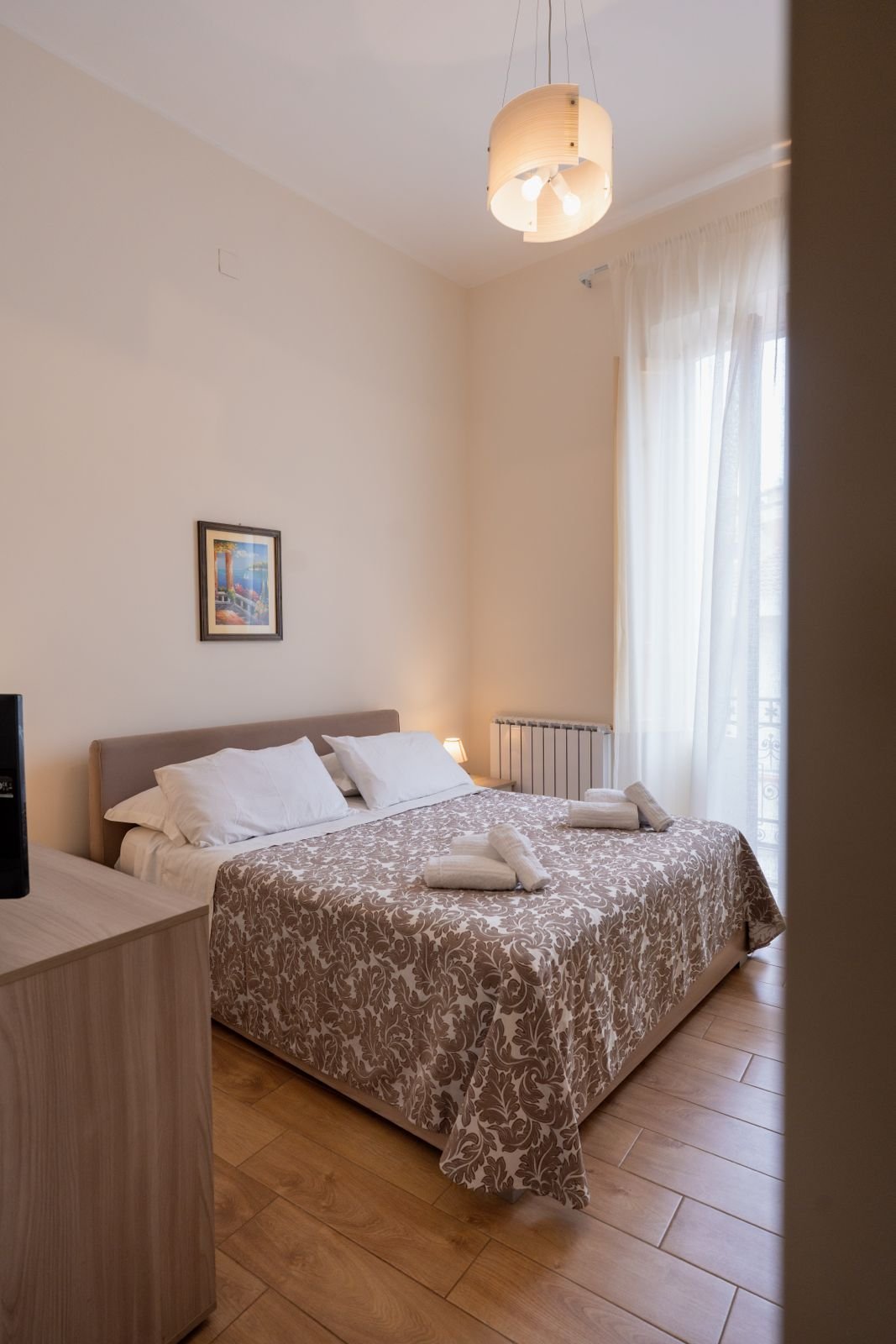
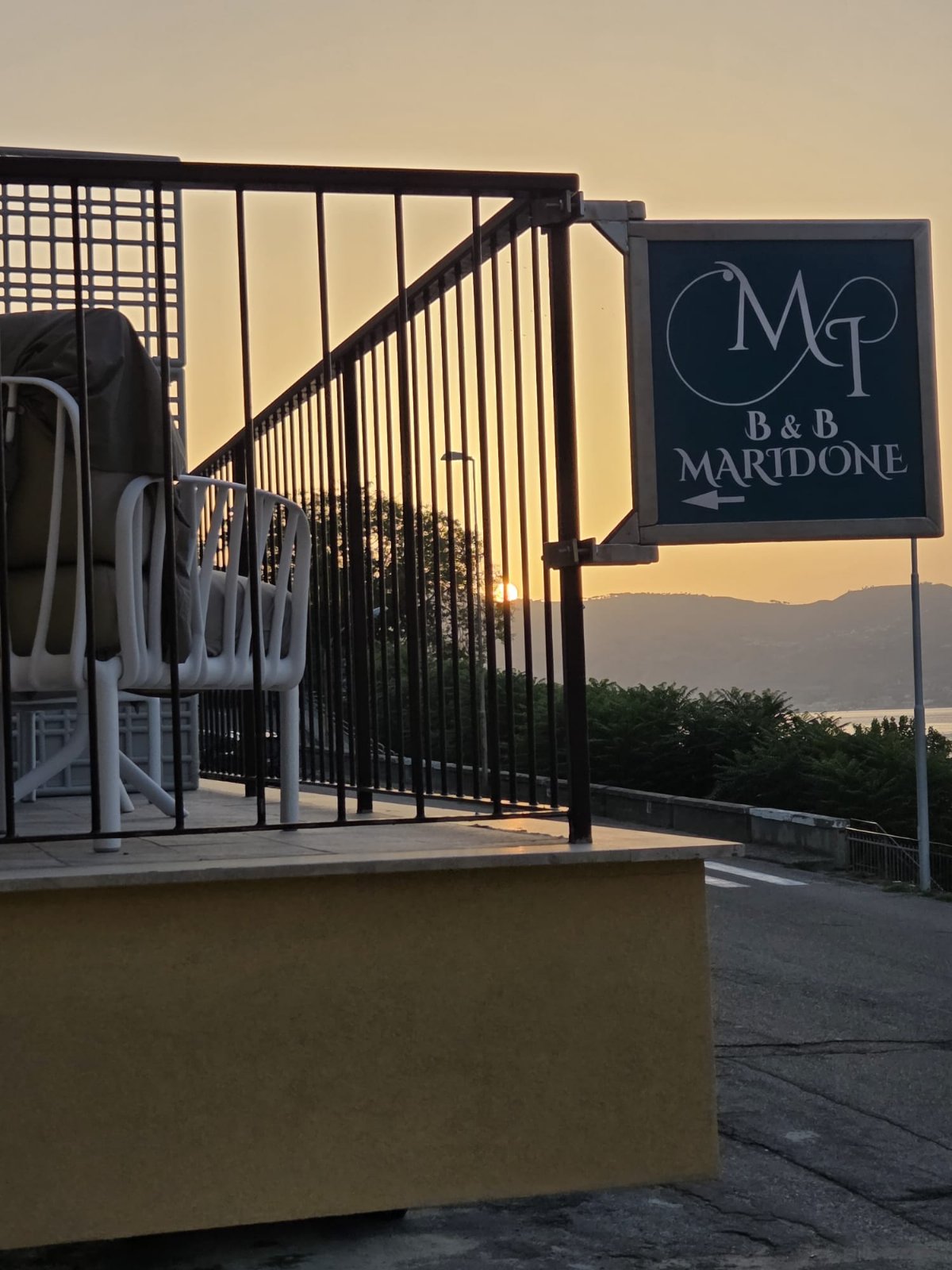
In Villa San Giovanni, 2 selected accommodations are available. Discover accommodations in Villa San Giovanni.