The Enchanting Borghi Near Tropea Calabria: A Cultural Guide
When planning a holiday to southern Italy, the dazzling turquoise waters and white sandy beaches are usually the first things that come to mind. However, to truly understand the soul of this region, you must venture beyond the coastline and explore the historic settlements that dot the rugged landscape. Discovering the best borghi Tropea Calabria has to offer is an absolute must for any cultural traveler. These ancient villages, perched on dramatic cliffs or nestled in lush valleys, are living museums where time seems to have stopped centuries ago.
The area surrounding the famous Coast of the Gods (Costa degli Dei) is incredibly rich in history. From Byzantine monks seeking refuge in sandstone caves to fierce Norman conquerors building impenetrable fortresses, the legacy of past civilizations is etched into the very stones of these towns. Visiting these enchanting hamlets allows you to experience authentic local traditions, taste ancient recipes, and marvel at breathtaking panoramas that stretch from the Apennine mountains to the Aeolian Islands.
Whether you are an architecture enthusiast, a history buff, or simply a traveler looking for the authentic Italian lifestyle, the hinterland and neighboring coastal cliffs hold endless surprises. By stepping away from the bustling summer beaches, you will uncover a quieter, more profound side of the Mediterranean. Let this guide lead you through the cobblestone streets, hidden alleyways, and majestic castles of the most beautiful historic villages located just a short distance from your coastal base.
Medieval Villages Not to Miss
Just a short drive from the famous coastal cliffs, you will find Pizzo Calabro, located roughly 30 kilometers (about a 40-minute drive) north. This vibrant fishing village is famous for two things: its historical significance and its legendary dessert. At the heart of the town stands the imposing Aragonese Castle, also known as Castello Murat, where Joachim Murat, the King of Naples and Napoleon's brother-in-law, was imprisoned and executed in 1815. After exploring the fortress, wander down to the lively Piazza della Repubblica to taste the world-famous Tartufo di Pizzo, a decadent hazelnut and chocolate ice cream bomb with a molten cocoa heart.
Moving inland, about 20 kilometers (a 30-minute drive) from the coast, lies the fascinating settlement of Zungri. Unlike traditional medieval towns, Zungri is celebrated for its "City of Stone" (Insediamento Rupestre). This unique archaeological site consists of dozens of cave dwellings carved directly into the soft sandstone cliffside by Basilian monks fleeing persecution in the 12th century. Walking through this ancient rock-hewn village offers a profound glimpse into the harsh yet ingenious rural life of early Calabrian settlers. The adjacent Museum of Peasant and Rock Civilization provides excellent context for the artifacts found in the caves.
If you are willing to travel a bit further south, approximately an hour and a half away, you will reach the mythical town of Scilla. Its oldest district, Chianalea, is affectionately known as the "Little Venice of the South." Here, the ancient fishermen's houses are built directly on the rocks, with the sea waves gently lapping against their foundations. Narrow alleys separate the buildings, leading down to small slips where traditional wooden fishing boats are still moored today. Towering above Chianalea is the majestic Ruffo Castle, an ancient fortification that offers sweeping views of the Strait of Messina and the distant coast of Sicily.
Finally, for a deep dive into Norman and Byzantine history, a day trip to Gerace is highly recommended. Located on the Ionian side of the region, about an hour and forty-five minutes away, Gerace is widely considered one of the most beautiful villages in all of Italy. Perched on a massive sandstone rock, the village retains its authentic medieval layout, complete with defensive walls, noble palaces, and ancient gateways. The crown jewel of Gerace is its magnificent Norman Cathedral, the largest religious building in the region, which perfectly blends Byzantine, Norman, and Romanesque architectural styles.
Art and Architecture of Calabrian Villages
The architectural landscape of the Calabrian hinterland is a fascinating tapestry woven by centuries of conquests and cultural exchanges. The strategic position of the region in the heart of the Mediterranean meant it was highly coveted by Greeks, Romans, Byzantines, Arabs, Normans, and the Spanish. This diverse heritage is most evident in the religious architecture found in these historic hamlets. You will frequently encounter austere Norman churches built with heavy, unadorned stone blocks, standing in stark contrast to the delicate, vibrant mosaics and frescoes left behind by Byzantine monks. The Cathedral of Gerace, with its ancient columns salvaged from older Greek temples, is a prime example of this architectural recycling and cultural blending.
Military architecture is another dominant feature of the local skyline. Almost every historic village boasts the ruins or restored remains of a castle or coastal watchtower. These fortifications were primarily constructed to defend the local populations against relentless raids by Saracen pirates. The Ruffo Castle in Scilla and the Aragonese Castle in Pizzo are spectacular examples of fortresses that were continually modified by successive ruling dynasties. Their thick walls, hidden dungeons, and strategic battlements tell tales of sieges, battles, and noble intrigue. Today, these castles serve as cultural hubs, hosting museums, art exhibitions, and panoramic viewing platforms.
Beyond the grand cathedrals and imposing castles, the everyday architecture of the historic squares (piazze) and narrow alleyways (vicoli) reveals the true charm of the region. Noble palaces feature intricately carved stone balconies supported by grotesque masks, designed to ward off evil spirits. Heavy wooden portals, decorated with elaborate ironwork, guard secret inner courtyards. Furthermore, these villages are the last strongholds of traditional Calabrian craftsmanship. As you explore, you will find small artisan workshops where locals still practice ancient arts, such as weaving vibrant textiles on wooden looms, crafting traditional terracotta ceramics, and carving olive wood into intricate sculptures.
The Perfect One-Day Itinerary
To make the most of your cultural exploration, organizing a well-paced one-day itinerary is essential. Start your morning early, departing around 8:30 AM, to beat the midday heat and the crowds. Your first stop should be the inland village of Zungri. Arriving at the rock settlement by 9:00 AM allows you to explore the fascinating cave dwellings in the cool morning air. Spend about two hours wandering through the archaeological site and visiting the local museum to fully appreciate the ingenuity of the ancient Basilian monks.
By late morning, drive back towards the coast and head north to Pizzo Calabro. Park your car just outside the historic center and take a leisurely stroll toward the main square. For a typical Calabrian lunch, find a traditional trattoria overlooking the sea. You must try a dish featuring the famous sweet red onions, perhaps paired with spicy 'nduja spread on crusty local bread, followed by a plate of fresh seafood pasta. After lunch, around 2:30 PM, take a guided tour of the Murat Castle to digest your meal while soaking in the dramatic history of the Napoleonic era.
As the late afternoon approaches, treat yourself to the obligatory Tartufo ice cream in the bustling piazza before making a short drive to the Piedigrotta Church. This incredible church is carved entirely out of a sedimentary rock cave on the beach, filled with statues sculpted directly from the stone walls by local artists over the centuries. As the sun begins to set, casting a golden glow over the Tyrrhenian Sea, you can start the short drive back, returning to your holiday apartments in Tropea just in time for a relaxing evening stroll and a late dinner.
Festivals, Events, and Medieval Reenactments
The historic villages of the region truly come alive during their traditional festivals and events, which offer a vibrant window into the local culture. The most deeply rooted celebrations are the patron saint feasts. Almost every village has a dedicated day where the statue of their protector is carried through the narrow streets in a solemn yet joyful procession, often accompanied by local brass bands, fireworks, and streets illuminated by elaborate light displays. These religious events are characterized by an intense atmosphere of devotion and community spirit that has remained unchanged for generations.
Food festivals, known as Sagre, are another incredible way to experience the local heritage. During the summer months, the villages host lively outdoor markets and communal feasts celebrating specific regional products. You can attend festivals dedicated to the sweet red onion, the fiery 'nduja sausage, locally produced pecorino cheese, and robust regional wines. These events are filled with folk music, traditional Tarantella dancing, and an abundance of incredible street food, allowing visitors to mingle with the locals in a joyous, welcoming environment.
For history enthusiasts, several towns organize spectacular medieval reenactments. Gerace, for instance, is famous for its historical parades where locals dress in meticulously crafted Norman and noble costumes, marching through the ancient stone gates. These events often include flag-throwers, mock sword fights, and medieval markets selling traditional crafts and ancient recipes. Attending one of these reenactments feels like stepping into a time machine, providing a thrilling and immersive educational experience for visitors of all ages.
How to Get Around the Villages
While the coastal train line is highly efficient for traveling between seaside towns like Pizzo, Scilla, and the main tourist hubs, exploring the inland historic villages requires a bit more flexibility. Renting a car is highly recommended, if not absolutely essential, for this type of cultural itinerary. Public transportation to rural and elevated settlements like Zungri or Gerace can be infrequent and difficult to coordinate with a tight holiday schedule. Having your own vehicle allows you to travel at your own pace and stop at impromptu scenic viewpoints along the way.
Driving in this region is an experience in itself. The roads winding through the hills offer spectacular panoramic views, particularly the coastal highway (SS18) and the twisting routes that climb up into the Serre mountains. However, drivers should be prepared for narrow, winding roads and occasional steep inclines. It is also crucial to pay attention to parking regulations. Most historic centers are designated as Limited Traffic Zones (ZTL), meaning non-resident cars are strictly prohibited. Always look for designated parking areas just outside the ancient walls and proceed on foot.
If you prefer not to drive, several local tour operators offer guided minivan excursions to the most popular villages. These tours often include knowledgeable local guides who can provide deep historical context that you might otherwise miss. However, for the ultimate freedom to explore hidden gems, booking your stay in Tropea and securing a rental car for a few days remains the most practical and rewarding choice for independent travelers.
The Ideal Base for Exploring: Sleeping in Tropea
To comfortably explore the magnificent historic villages of the region, choosing the right home base is crucial. Staying on the Coast of the Gods provides the perfect balance between relaxing beach days and exciting cultural excursions. The central location allows you to easily reach northern villages like Pizzo, inland gems like Zungri, and southern coastal towns like Scilla. After a long day of navigating ancient cobblestones and medieval castles, returning to a vibrant town with excellent dining options, lively evening entertainment, and spectacular sunset views over the Aeolian Islands is incredibly rewarding.
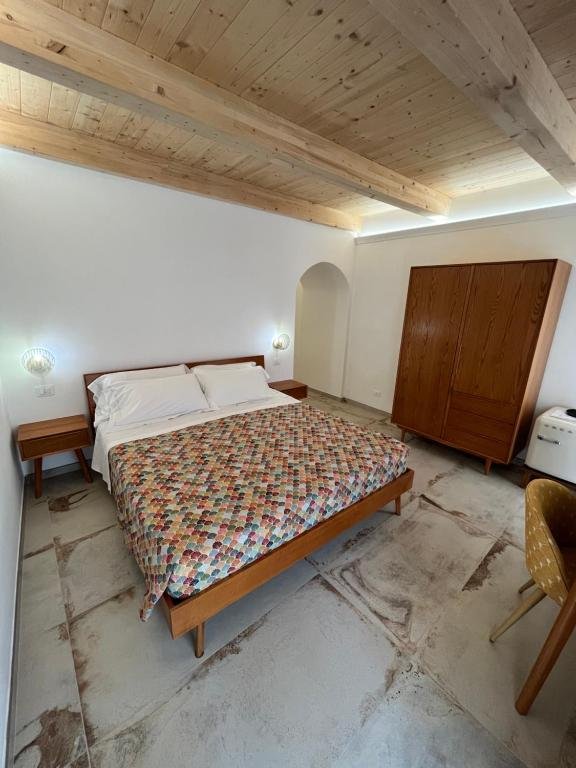
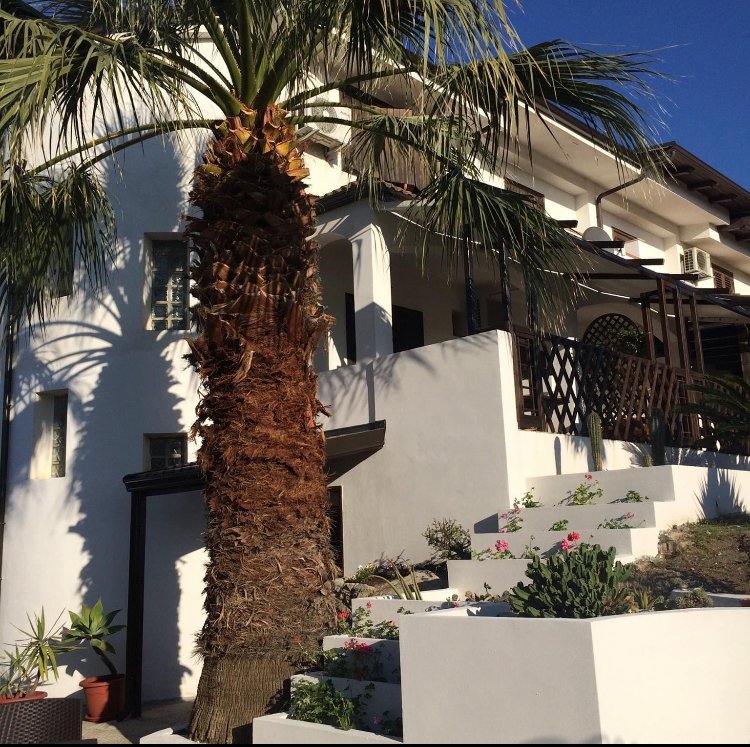
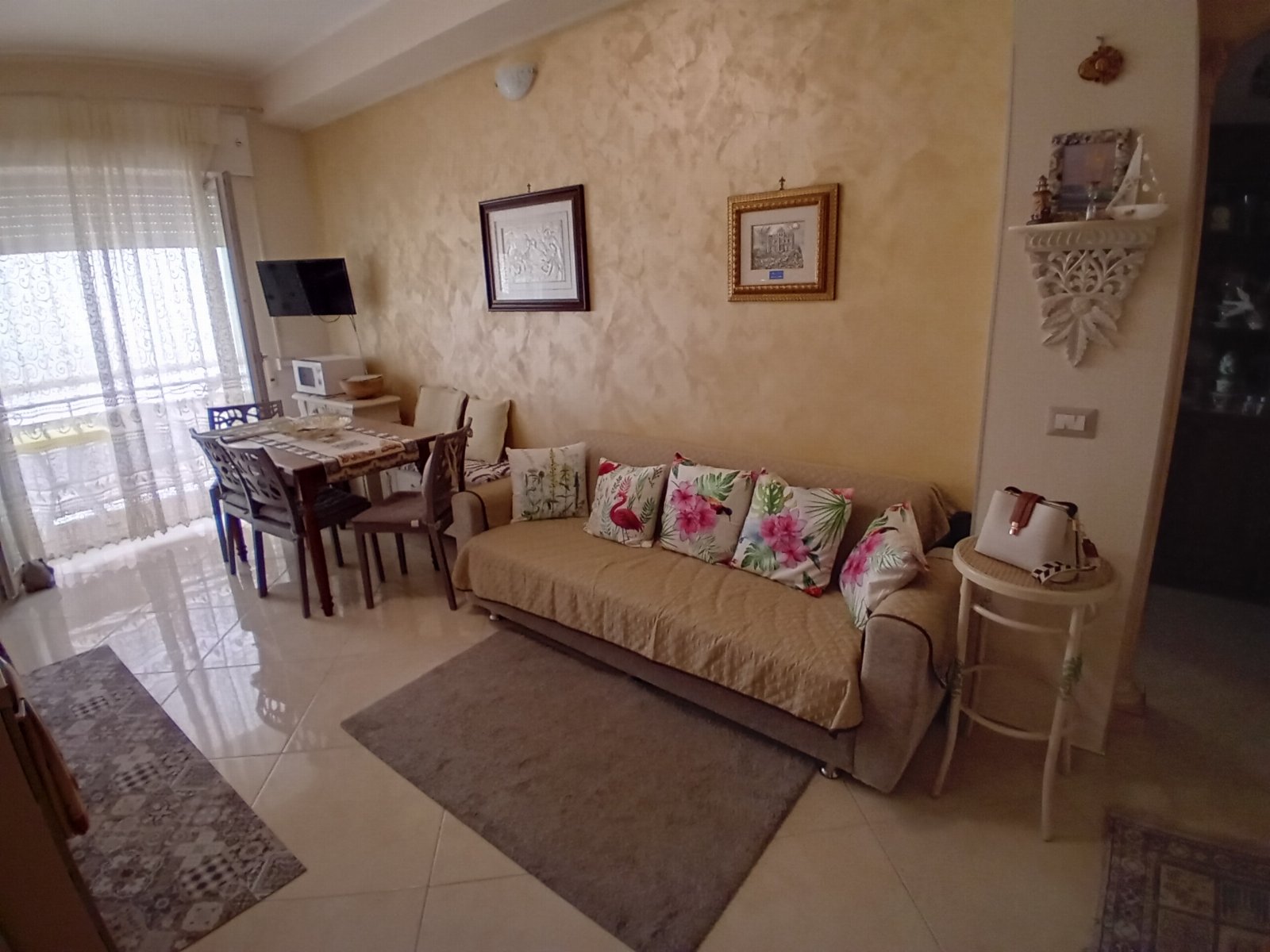
Finding the perfect accommodation will ensure your cultural holiday is as comfortable as it is enriching. From charming bed and breakfasts tucked away in historic alleys to modern apartments with sea views, there are options to suit every type of traveler. A Tropea sono disponibili 9 alloggi selezionati. Scopri gli alloggi a Tropea.
By making the coast your temporary home, you grant yourself the ultimate Calabrian experience. You can wake up to the sound of the sea, spend your afternoon uncovering the secrets of Norman knights and Byzantine monks in the surrounding hills, and end your day sipping local wine on a terrace overlooking the Mediterranean. Start planning your itinerary today, and prepare to be captivated by the timeless magic of the southern Italian borghi.