Exploring the Hidden Gems: A Guide to the Charming Borghi Near Trebisacce, Calabria
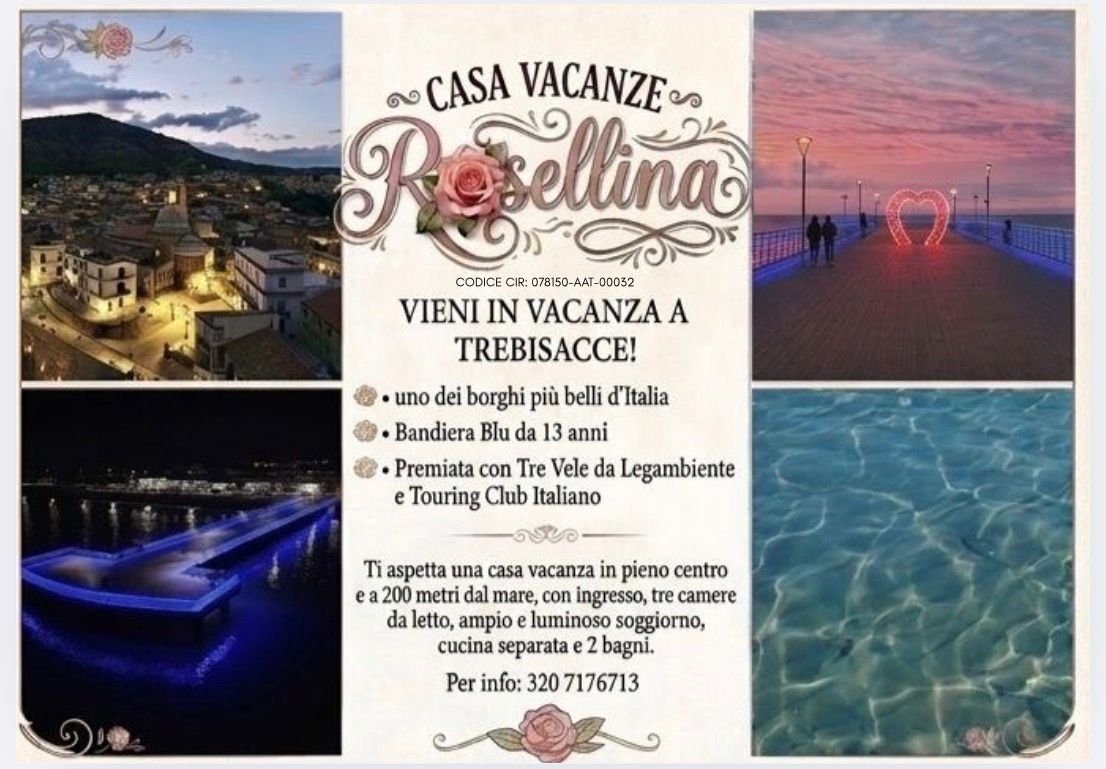
Calabria is a region of profound contrasts, where the sparkling turquoise waters of the Ionian Sea meet the rugged, silent beauty of the Apennine Mountains. If you are planning a trip to Southern Italy, starting your journey from the coastal town of Trebisacce is a brilliant choice. Known for its "Blue Flag" beaches and its strategic position at the foot of the Pollino National Park, Trebisacce serves as the perfect gateway to the lesser-known, authentic historical villages—the so-called borghi—that dot the northern Calabrian landscape. These stone-walled settlements are time capsules where history, tradition, and slow living converge.
Exploring the hinterland of the Alto Ionio Cosentino allows you to step away from the crowded tourist trails and immerse yourself in a world of medieval architecture, ancient folklore, and breathtaking panoramas. Whether you are a history enthusiast, a photography lover, or simply a traveler looking for the soul of Italy, the borghi near Trebisacce offer an unforgettable experience. In this guide, we will navigate through the best-kept secrets of the region, ensuring your stay at Trebisacce is enriched by cultural discoveries.
I borghi medievali da non perdere: Discovering the Soul of Calabria
The first stop on your cultural itinerary should be Albidona, located just 15 kilometers from Trebisacce. Perched at 800 meters above sea level, this village offers a stunning "balcony" view over the Ionian coast. Walking through its narrow alleys, you will encounter ancient stone portals and the majestic Church of San Michele Arcangelo. The village is famously known as the "Village of Poetry," with verses inscribed on the walls of houses, turning the entire town into an open-air literary museum.
Another essential destination is Amendolara, situated roughly 12 kilometers from Trebisacce. This village is divided into two parts: the modern seaside area and the historic "Borgo" located on a rocky hill. The medieval center is dominated by the ruins of a Norman castle and the Church of Santa Maria della Stella. The atmosphere here is serene, and the view of the surrounding olive groves—producing the famous Amendolara oil—is spectacular. It is the perfect place to experience the authentic rural life of Calabria.
For those interested in history, Oriolo is a must-visit, located about 30 kilometers from Trebisacce. It is widely considered one of the most beautiful villages in Italy. Its crowning glory is the Castello di Oriolo, a fortress that stands guard over the valley. The village is a labyrinth of winding streets, hidden courtyards, and ancient churches. Its preservation is remarkable, and it feels as though time has stood still since the Middle Ages. The panoramic view from the castle ramparts is arguably the best in the entire province of Cosenza.
Finally, do not miss Civita, located about 45 kilometers away. While a bit further, it is arguably the most unique village in the area. Founded by Albanian refugees in the 15th century, Civita is the heart of the Arbëreshë culture in Calabria. You will be enchanted by the "chimneys" of the houses, which are considered works of art, and the breathtaking Raganello Gorge, which can be seen from the famous "Devil’s Bridge" (Ponte del Diavolo). It is a vibrant cultural enclave that offers a completely different aesthetic and historical experience compared to the surrounding Italian villages.
Arte e architettura dei borghi calabresi: A Journey Through Time
The architecture of the borghi near Trebisacce is a fascinating tapestry of influences. Throughout the centuries, this area has been shaped by Greeks, Romans, Normans, and Byzantines. You will notice this in the structure of the churches, many of which feature the characteristic Norman-Romanesque style. These buildings are often simple on the outside but filled with intricate Baroque altars and ancient frescoes on the inside. The use of local sandstone gives these structures a warm, golden hue that glows beautifully during the golden hour.
The piazze (town squares) are the beating heart of these villages. They are the social hubs where elders gather to discuss local affairs and where children play in the shadow of centuries-old clock towers. In these squares, you can often find local craftsmen working on traditional products. From woodcarving to the production of handmade textiles and the famous Calabrian ceramics, the craftsmanship here is a living tradition passed down through generations. Visiting a local workshop is a great way to connect with the artisans and understand the dedication required to keep these historical trades alive.
Castles and defensive fortifications are also a defining feature of the local landscape. Many of these structures were built to protect the inland populations from Saracen pirate raids, which were common along the Ionian coast. Today, these castles have been repurposed into cultural centers, museums, or simply serve as the most iconic landmarks of the borghi. Exploring the defensive walls allows you to visualize the strategic importance of these villages and appreciate the resilience of the people who inhabited them for centuries.
Itinerario in un giorno: Planning Your Cultural Adventure
To make the most of your trip, start your day early in Trebisacce. A recommended itinerary begins with a morning drive to Oriolo. Aim to arrive by 9:30 AM to explore the castle before the midday heat sets in. Spend about two hours wandering the alleys and taking photos of the stone architecture. The cool morning air is perfect for the uphill walks that characterize these hilltop settlements.
For lunch, head towards a traditional trattoria in a nearby village like Amendolara. Look for dishes that highlight the "cucina povera" tradition: homemade pasta with mollica di pane (toasted breadcrumbs), local legumes, and the famous hot chili pepper that defines Calabrian cuisine. Don't forget to pair your meal with a glass of local Gaglioppo wine. After lunch, spend a relaxed afternoon in Civita, where you can walk across the Devil’s Bridge and enjoy a traditional Albanian coffee in one of the small, vibrant cafes.
If you prefer a more structured experience, check the local tourism office websites for guided tours. Many villages offer walking tours that include access to private chapels or historical palaces that are not usually open to the public. Always carry a bottle of water and wear comfortable walking shoes, as the cobblestone streets can be steep and uneven. By late afternoon, you can head back to the coast, perhaps stopping for a sunset swim in the Ionian Sea, a perfect conclusion to a day of cultural immersion.
Sagre ed eventi nei borghi: Celebrating Local Traditions
The true spirit of the Calabrian borghi comes alive during the many festivals and sagre (food festivals) held throughout the year. If you visit in summer, you will likely encounter religious processions where the entire community participates, carrying statues of patron saints through the streets adorned with flowers and lights. These events are deeply emotional and offer a rare glimpse into the spiritual life of the locals.
Food-themed sagre are equally common and are a celebration of the harvest. Whether it is a festival dedicated to the local olive oil, the famous Calabrian red onion, or handmade pasta, these events are the best places to taste authentic, home-cooked food. You will often find music bands playing the tarantella, the traditional folk dance of Southern Italy, which is infectious and guaranteed to get you moving.
Medieval reenactments are also gaining popularity, particularly in villages like Oriolo. During these events, the townspeople dress in period costumes, and the streets are filled with jesters, knights, and market stalls selling artisanal goods. These events are not just for show; they are a proud assertion of the village’s identity and a way to educate visitors about the rich history of the region. Checking the local event calendars before your trip is highly recommended.
Come muoversi tra i borghi: The Best Way to Travel
The most effective way to explore the borghi near Trebisacce is by private car. Public transportation in the hinterland can be infrequent, and having your own vehicle gives you the freedom to stop at panoramic viewpoints, take detours, and explore at your own pace. The roads are generally well-maintained, though they can be winding as they climb into the mountains. Driving through the Calabrian countryside is an experience in itself, with views that change from olive groves to dense forests and rocky cliffs.
If you are arriving by plane, the nearest airport is Lamezia Terme, where you can easily find car rental agencies. Renting a car at the airport and driving to Trebisacce is the most convenient option for international travelers. Make sure to have a GPS, although the best way to navigate is often to follow the clear road signs that point towards the "borghi più belli d'Italia."
If you are not comfortable driving on mountain roads, consider hiring a local taxi or a private driver for a day trip. Many local agencies in Trebisacce offer excursions to the nearby villages, which can be a stress-free way to explore the region. Regardless of how you choose to travel, the journey through the Alto Ionio landscape is guaranteed to be one of the highlights of your Calabrian holiday.
Base ideale per esplorare: dormire a Trebisacce
Choosing the right base for your holiday is crucial. Trebisacce offers the perfect balance between the convenience of the coast and proximity to the mountains. You can spend your days exploring the historical borghi and your evenings relaxing by the sea, enjoying the fresh breeze and the local seafood. A comfortable stay is the foundation of a great holiday, and having a reliable place to return to after a long day of sightseeing is essential.
A Trebisacce sono disponibili 1 alloggi selezionati. Scopri gli alloggi a Trebisacce. Whether you are looking for a cozy apartment or a boutique room, you will find options that provide a peaceful retreat after your adventures. Staying in Trebisacce allows you to wake up to the sound of the sea while being only a short drive away from the ancient, stone-walled villages that make Calabria such a unique destination.