A Cultural Guide to the Historic Borghi San Ferdinando Calabria
Calabria is a land of profound contrasts, where the deep blue of the Tyrrhenian Sea meets rugged, olive-draped mountains. While many travelers flock to its pristine beaches, the true cultural heartbeat of this southern Italian region lies hidden in its ancient hilltop settlements. Exploring the historic borghi San Ferdinando Calabria offers an unparalleled journey through time, revealing centuries of Greek, Roman, Byzantine, Norman, and Aragonese influences. As a cultural tourism expert, I invite you to step off the beaten path and discover the soul of Calabria.
San Ferdinando, strategically nestled on the Tyrrhenian coast, serves as the perfect geographical pivot for your explorations. Bordering the famous Costa degli Dei (Coast of the Gods) to the north and the enchanting Costa Viola (Purple Coast) to the south, this welcoming coastal town provides easy access to some of the most beautifully preserved medieval villages in southern Italy. Whether you are an architecture enthusiast, a history buff, or a lover of authentic local gastronomy, the surrounding borghi promise an unforgettable Mediterranean adventure.
The Must-See Medieval Villages Around San Ferdinando
The landscape surrounding San Ferdinando is dotted with spectacular medieval villages, each boasting its own unique character, ancient legends, and architectural triumphs. Just a short drive from the coast, you will find settlements clinging to dramatic cliffs or hidden within lush valleys. Here are the essential borghi you simply cannot miss during your Calabrian holiday.
Nicotera: Located just 15 kilometers (about a 20-minute drive) north of San Ferdinando, Nicotera is a magnificent balcony overlooking the Tyrrhenian Sea and the Aeolian Islands. Founded in antiquity, its current historic center is a maze of narrow alleys, covered passages, and stone stairways. The crown jewel is the Castello dei Ruffo, originally built by the Normans and later reconstructed in the 18th century. Right next to it stands the Cathedral of Santa Maria Assunta, housing precious sacred art. The Jewish quarter, known as the Giudecca, remains one of the best-preserved in southern Italy, offering a fascinating glimpse into the town's diverse historical demographics.
Seminara: Situated roughly 25 kilometers inland to the southeast, Seminara is the undisputed capital of Calabrian ceramics. This ancient village, deeply rooted in Greek-Byzantine culture, was once one of the most important economic centers of the region. Today, you can wander through its historic center to admire the impressive Basilica Sanctuary of Maria Santissima dei Poveri. However, the true highlight is visiting the traditional artisan workshops. Here, master potters still craft the apotropaic masks (babbaluti) designed to ward off evil spirits, using techniques passed down through generations since the Byzantine era.
Scilla (Chianalea): About 40 kilometers south along the breathtaking Costa Viola lies Scilla, a place where mythology and maritime history collide. The village is famously associated with the sea monster Scylla from Homer's Odyssey. The imposing Ruffo Castle sits atop a rocky promontory, dividing the town's sandy beaches from its most picturesque neighborhood: Chianalea. Known as the "Little Venice of the South," Chianalea is an ancient fishing village where the houses are built directly on the water. Listening to the waves crash against the stone walls while walking through its narrow, boat-lined alleys is a truly magical experience.
Pizzo Calabro: Driving 45 kilometers north brings you to Pizzo, a vibrant coastal village perched on a steep cliff. Pizzo is steeped in history, most notably as the site where Joachim Murat, Napoleon's brother-in-law and former King of Naples, was imprisoned and executed in the Aragonese Castle (now known as Castello Murat). Beyond the castle, you must visit the extraordinary Chiesetta di Piedigrotta, a church carved entirely out of a coastal cave by shipwrecked sailors in the 17th century. Pizzo is also world-famous for its culinary masterpiece: the Tartufo di Pizzo, a decadent hazelnut and chocolate ice cream dome with a molten chocolate core.
Art and Architecture of Calabrian Villages
The architectural tapestry of the villages near San Ferdinando is a physical testament to the many civilizations that have conquered and settled in Calabria. The defensive military structures are perhaps the most prominent. Because the Calabrian coast was historically plagued by Saracen pirate raids, almost every coastal and near-coastal village features robust fortifications. The Norman castles, heavily modified by the Swabians, Angevins, and Aragonese, dominate the skylines of Scilla, Nicotera, and Pizzo. These fortresses, with their thick stone walls and strategic watchtowers, offer both a history lesson and the best panoramic viewpoints in the region.
Religious architecture in these borghi is equally fascinating, characterized by a unique blend of styles. Following the devastating earthquake of 1783, many ancient Byzantine and Norman churches were rebuilt in a distinct Calabrian Baroque style. You will frequently encounter ornate stone portals carved by local stonemasons, intricate wooden altars, and stunning stucco work. Despite the Baroque overlays, many churches still retain their original medieval layouts and occasionally reveal hidden Byzantine frescoes, reminding visitors of the Greek-speaking monks who once sought refuge in these rugged hills.
Beyond grand castles and churches, the everyday domestic architecture and urban planning of these villages are captivating. The historic centers are intentionally designed as labyrinths—narrow, winding streets known as vinedde that were meant to confuse invading forces and provide shade during the scorching summer months. You will notice beautiful wrought-iron balconies, ancient stone doorways adorned with family crests, and vibrant piazzas that serve as the communal living rooms for the locals. To fully appreciate these artistic treasures, establishing a comfortable base is key, which is why staying in San Ferdinando is highly recommended for cultural travelers.
A Perfect One-Day Itinerary
If you have a single day dedicated to exploring the historic borghi, a well-planned itinerary is essential to maximize your cultural immersion without feeling rushed. Start your morning early, around 8:30 AM, departing from San Ferdinando and heading north along the scenic coastal road to Pizzo Calabro. Spend your first two hours exploring the Castello Murat and marveling at the stone statues inside the Piedigrotta cave church. By 11:00 AM, make your way to the main piazza overlooking the sea to enjoy a mid-morning espresso paired with the famous Tartufo di Pizzo.
Around midday, drive south toward Nicotera. This short journey takes you through the heart of the Costa degli Dei. Arrive in Nicotera by 1:00 PM for a traditional Calabrian lunch. Seek out an authentic trattoria in the historic center and order a plate of homemade fileja pasta topped with a rich tomato sauce and spicy 'nduja, the region's famous spreadable pork salumi. After lunch, take a leisurely stroll through the Giudecca quarter and visit the Cathedral, allowing your food to settle while you soak in the sweeping views of the Gioia Tauro plain.
In the late afternoon, around 4:30 PM, drive south past San Ferdinando toward the Costa Viola to reach Scilla. Aim to arrive as the golden hour begins. Tour the Ruffo Castle to understand its strategic maritime importance, then descend into the Chianalea district. As the sun sets, the ancient fishing houses glow with warm light. Conclude your perfect day with a dinner of freshly caught swordfish—Scilla's culinary specialty—at a restaurant built on stilts over the water, before making the short drive back to your accommodation in San Ferdinando.
Festivals and Events in the Villages
To truly understand the spirit of Calabria, one must experience its vibrant local festivals. The borghi around San Ferdinando come alive, particularly during the summer months, with events that seamlessly blend deep religious devotion with exuberant folklore. Patron saint festivals are the highlight of the calendar. In these celebrations, heavy wooden statues of saints are carried through the narrow, steep streets by devoted locals, accompanied by brass bands, spectacular fireworks, and a deeply emotional atmosphere. The Feast of San Rocco in Scilla (mid-August) and the celebrations of the Madonna del Carmine are prime examples of this passionate heritage.
Food festivals, known as sagre, offer another fantastic way to engage with the local culture. These events celebrate the agricultural and maritime bounty of the region. Just a short drive from Nicotera, the village of Spilinga hosts the world-famous Sagra della 'Nduja every August, drawing thousands of visitors to taste this spicy delicacy in every imaginable culinary combination. Down in Scilla, the Sagra del Pesce Spada (Swordfish Festival) honors the ancient, sustainable hunting techniques used by local fishermen in the Strait of Messina, offering visitors the chance to eat grilled swordfish right by the sea.
Historical reenactments also play a major role in village life. Many borghi host medieval parades where locals dress in meticulously crafted period costumes, representing Norman knights, Aragonese royalty, and Byzantine clergy. Palmi, located very close to San Ferdinando, hosts the Varia di Palmi (an event recognized by UNESCO as an Intangible Cultural Heritage). Though it occurs only every few years, this monumental mechanical float, carrying living people high into the sky, is one of the most astonishing cultural spectacles in all of Europe.
How to Navigate Between the Villages
While public transportation in Calabria has improved, relying on trains and buses to visit the smaller, elevated borghi can be highly restrictive. To truly embrace the freedom of exploration, renting a car is strongly recommended. Having your own vehicle allows you to dictate your schedule, stop at impromptu roadside viewpoints, and reach inland villages like Seminara that are poorly served by public transit. The roads connecting these towns are generally well-maintained, with the A2 Autostrada del Mediterraneo providing a fast north-south artery, while the SS18 coastal road offers a slower, much more scenic alternative.
Driving the coastal routes is an experience in itself. The road winding along the Costa Viola toward Scilla offers dramatic cliffs plunging into the Tyrrhenian Sea, with the island of Sicily looming clearly on the horizon. The route north toward Nicotera and Pizzo weaves through fragrant citrus groves and silver-leafed olive orchards. However, drivers should be prepared for the topography; roads leading up to the historic centers can be steep and feature sharp hairpin turns.
When arriving at a medieval village, it is crucial to pay attention to parking regulations. Most historic centers are designated as ZTL (Zona a Traffico Limitato), meaning only residents can drive within the ancient walls. Visitors should look for marked public parking lots just outside the historic perimeters. From there, these borghi are best explored on foot. Be sure to wear comfortable walking shoes, as you will be navigating uneven cobblestones, ancient stone stairways, and steep inclines throughout your cultural journey.
The Ideal Base for Exploring: Sleeping in San Ferdinando
Choosing the right location to stay is the secret to a successful Calabrian holiday. San Ferdinando is the ideal strategic hub for your cultural itinerary. Unlike the heavily crowded tourist hotspots, San Ferdinando offers a tranquil, authentic Calabrian atmosphere with a beautiful, expansive waterfront. Its geographical position is flawless: situated exactly halfway between the rugged Costa Viola to the south and the sandy coves of the Costa degli Dei to the north, it minimizes your driving time to all the major historical sites.
After a long, fulfilling day of climbing the steps of Norman castles, marveling at Baroque churches, and tasting fiery local cuisine, returning to a peaceful and comfortable environment is essential. San Ferdinando provides a relaxing evening environment where you can enjoy a quiet seaside walk or a sunset aperitivo without the overwhelming summer crowds found in neighboring towns. It offers the perfect balance of accessibility and serenity.
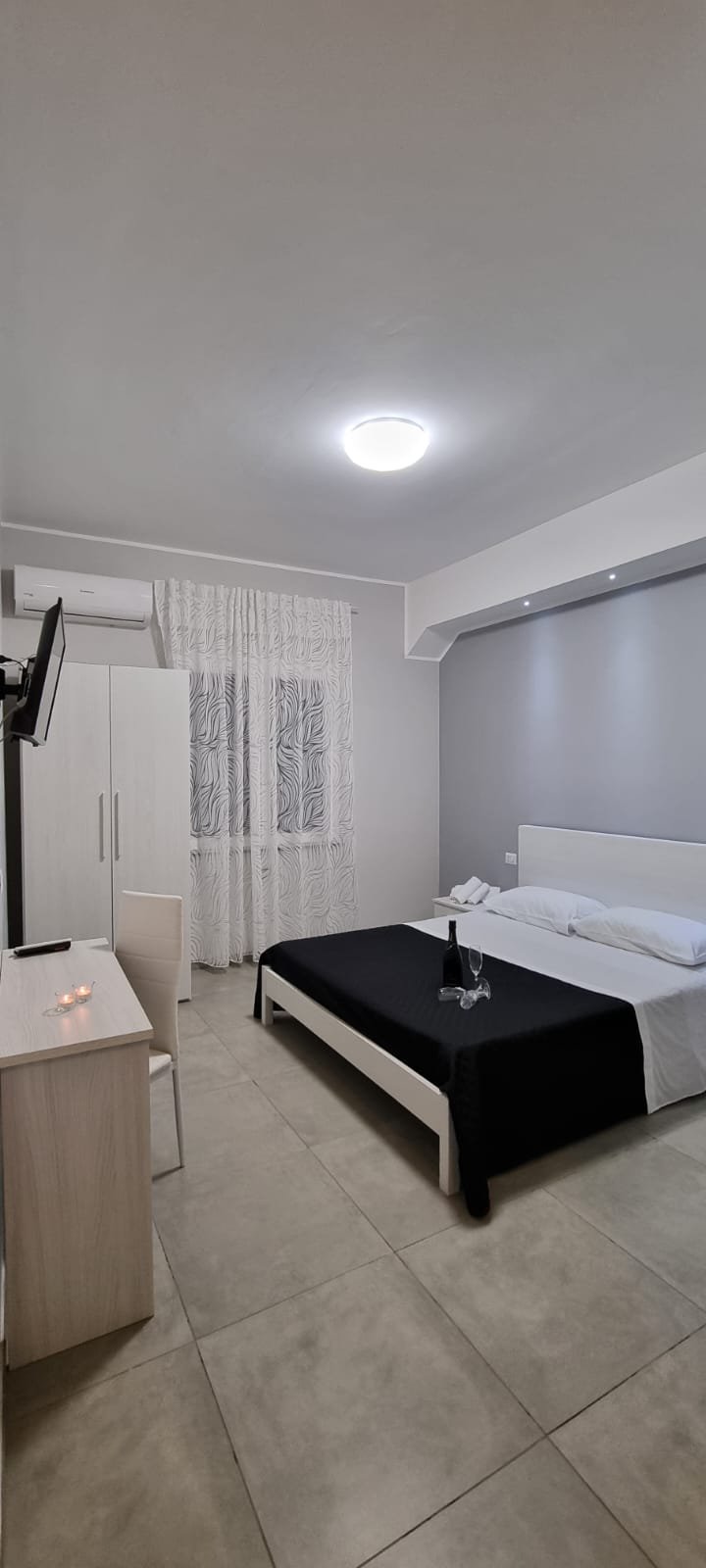
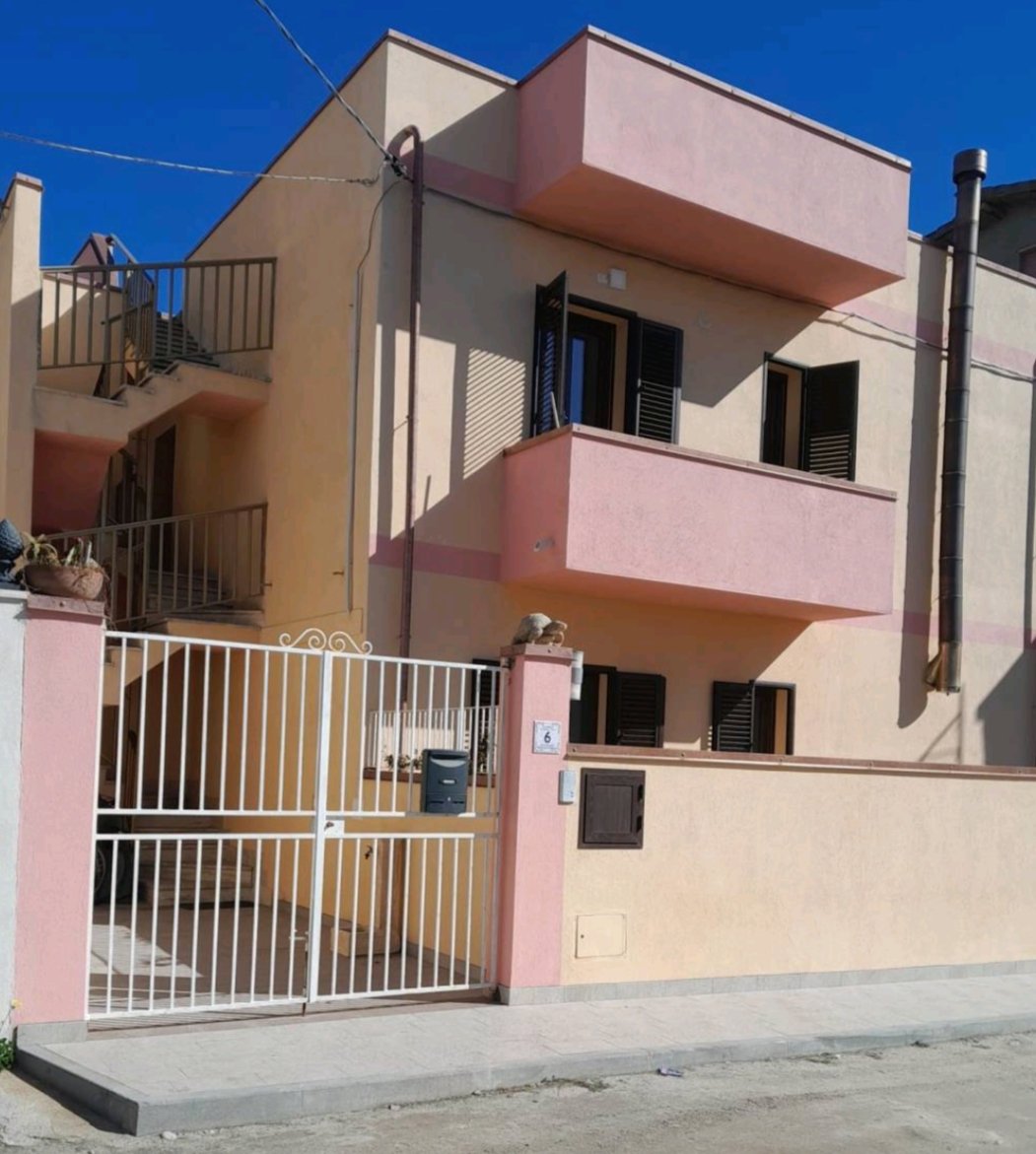
When planning your trip, securing comfortable and well-located lodging is your first step. A San Ferdinando sono disponibili 2 alloggi selezionati. Scopri gli alloggi a San Ferdinando.