Discovering the Timeless Borghi San Ferdinando Calabria
Welcome to the deep south of Italy, a land where ancient history, captivating myths, and breathtaking landscapes seamlessly intertwine. Calabria is much more than just a summer beach destination; it is a region dotted with historic hilltop settlements known as borghi. As a cultural tourism expert, I invite you to step away from the modern world and journey through the cobblestone streets of these ancient towns. If you are planning to stay in San Ferdinando, you are perfectly positioned to explore some of the most fascinating medieval villages the region has to offer. This guide will take you through the hidden treasures that lie just beyond the pristine beaches of the Tyrrhenian coast.
The area surrounding San Ferdinando is a cultural crossroads where Greek, Roman, Byzantine, Norman, and Aragonese influences have left indelible marks. Exploring these villages is like walking through an open-air museum, where every stone tells a story of conquests, noble families, and resilient local traditions. Whether you are an architecture enthusiast, a foodie, or simply a traveler seeking authentic Italian experiences, the villages near San Ferdinando will leave you spellbound.
The Unmissable Medieval Villages
Just a short drive from San Ferdinando, you will find Nicotera, located approximately 15 kilometers away. Perched on a panoramic terrace overlooking the Tyrrhenian Sea and the Aeolian Islands, Nicotera is a quintessential Calabrian borgo. Its historical center is dominated by the magnificent Ruffo Castle, originally built by the Normans and later reconstructed. As you wander through the narrow alleys, you must visit the ancient Jewish quarter, known as the Giudecca, and the beautiful Cathedral of Santa Maria Assunta. The views from the town's main balcony are simply unforgettable, offering a sweeping panorama of the Costa degli Dei.
Heading inland, about 25 kilometers from San Ferdinando, lies Seminara. This village holds a crucial place in Calabrian history, having been a major Byzantine stronghold and the site of famous battles during the Italian Wars. Today, Seminara is celebrated worldwide for its ancient tradition of ceramic making. The local artisans craft vibrant, grotesque masks known as babbaluti, which were historically placed on houses to ward off evil spirits. A visit to the local ceramic workshops and the Sanctuary of Maria Santissima dei Poveri provides a deep dive into the spiritual and artisanal soul of the region.
Traveling south along the stunning Costa Viola for about 40 kilometers, you will reach the mythical village of Scilla. Famous for the Homeric legend of the sea monster Scylla, this town is divided into the higher historical center and the enchanting fishermen's district known as Chianalea. In Chianalea, the houses are built directly on the rocks, with the sea waves crashing against their foundations, earning it the nickname "The Venice of the South." Overlooking this picturesque scene is the imposing Ruffo Castle of Scilla, a fortress that has guarded the Strait of Messina for centuries.
If you are willing to venture a bit further (around 50 kilometers), the majestic village of Gerace is an absolute must-see. Located within the Aspromonte National Park, Gerace is often listed among the most beautiful villages in Italy. Known as the "City of a Hundred Churches," it boasts a stunningly preserved medieval layout. The crown jewel of Gerace is its massive Norman Cathedral, the largest religious building in Calabria, which features columns salvaged from ancient Greek temples. Walking through Gerace feels like stepping back into the 11th century.
Art and Architecture of Calabrian Villages
The architectural landscape of the Calabrian borghi is a fascinating tapestry woven by centuries of foreign domination and local resilience. The most prominent architectural features are undoubtedly the Norman castles and fortresses. Built to defend the coastlines from Saracen pirate raids, these imposing stone structures, such as those found in Scilla and Nicotera, feature thick walls, strategic watchtowers, and grand courtyards. They stand as silent sentinels of a turbulent past, offering visitors a glimpse into medieval military architecture.
Religious architecture in these villages is equally captivating. You will frequently encounter a blend of Byzantine and Norman styles. Many churches feature austere stone facades that hide incredibly ornate interiors, complete with wooden carved ceilings, marble altars, and ancient frescoes. The squares, or piazze, serve as the beating heart of these communities. Surrounded by noble palazzos with intricately carved stone portals and wrought-iron balconies, these squares are masterpieces of urban design where the local community still gathers daily.
Beyond the grand buildings, the art of the Calabrian villages lives in its traditional craftsmanship. The artistic heritage is tangible in the hands of the local artisans. From the vibrant, apotropaic ceramics of Seminara to the intricate wood carvings and traditional textile weaving found in the inland villages, the art here is deeply connected to daily life and folklore. Purchasing a piece of local craft is not just buying a souvenir; it is taking home a fragment of Calabrian history.
One-Day Itinerary: A Journey Through Time
To make the most of your time, organizing a well-paced daily itinerary is key. Start your morning early with a hearty Italian breakfast of cappuccino and a warm cornetto. Hit the road by 9:00 AM and head straight to Nicotera. Spend your morning exploring the Ruffo Castle and wandering through the shaded, narrow streets of the Giudecca. The morning light provides the perfect illumination for photographing the spectacular views of the coastline from the town's panoramic terraces.
By 1:00 PM, it is time to indulge in a traditional Calabrian lunch. Stop at a family-run trattoria in the historical center. You must try a plate of fileja—a traditional handmade pasta—served with a rich pork ragù or a spicy tomato sauce infused with local 'nduja. Pair your meal with a platter of aged pecorino cheese, locally cured meats, and a robust glass of Calabrian red wine, such as Magliocco or Cirò. Lunch here is a slow, savory affair, meant to be enjoyed without rushing.
In the late afternoon, drive south towards Scilla. Arrive around 4:30 PM, when the sun begins to lower, casting a golden glow over the Ruffo Castle. Spend your time walking through the alleys of Chianalea, listening to the sound of the sea echoing between the houses. As evening approaches, grab a gelato or a refreshing aperitivo by the water, watching the fishermen prepare their traditional spadare boats for the night. It is the perfect, peaceful conclusion to a day of historical exploration.
Festivals and Events in the Villages
The true spirit of the Calabrian borghi comes alive during their vibrant festivals and events. Throughout the year, but especially during the summer months, these villages host a variety of celebrations that mix deep religious devotion with joyous pagan traditions. Patronal feasts are the highlight of the local calendar. During these events, ancient wooden statues of saints are paraded through the narrow streets, accompanied by the solemn music of local brass bands, spectacular fireworks displays, and the enthusiastic cheers of the devoted locals.
Historical reenactments are another fantastic way to experience the culture. Villages like Gerace host spectacular medieval days, where the entire town transforms. Locals dress in historically accurate costumes, flag throwers perform in the main squares, and medieval markets sell traditional crafts and ancient recipes. These events offer an immersive experience that transports visitors back to the era of knights and noblewomen.
Finally, no cultural guide to Calabria would be complete without mentioning the sagre (food festivals). These events celebrate the region's rich agricultural bounty. From the famous 'Nduja festival in Spilinga to the Red Onion festival in nearby Tropea, these street parties are filled with folk music, traditional tarantella dancing, and endless stalls offering incredible local street food. Attending a sagra is the best way to mingle with the locals and taste the authentic flavors of the land.
How to Move Between the Villages
While public transportation exists in Calabria, it is often infrequent and does not reliably connect the smaller, more remote historical villages. Therefore, renting a car is highly recommended for exploring the borghi around San Ferdinando. Having your own vehicle gives you the freedom to travel at your own pace, stop at hidden panoramic viewpoints, and alter your itinerary on a whim. You can easily rent a car at the Lamezia Terme or Reggio Calabria airports upon your arrival.
Driving in Calabria is an experience in itself. The coastal roads, such as the famous SS18, offer breathtaking views of the sea and dramatic cliffs. However, when you turn inland to reach the hilltop villages, be prepared for winding, mountainous roads. These routes are incredibly scenic, passing through ancient olive groves and dense forests, but they require careful driving.
When you arrive at a medieval village, it is crucial to remember that their historical centers were built for horses and carts, not modern vehicles. The streets are often incredibly narrow and feature restricted traffic zones (ZTL). The best practice is to look for designated parking areas just outside the historical center and explore the village on foot. Comfortable walking shoes are a must, as you will be navigating steep cobblestone paths and ancient staircases.
Ideal Base for Exploring: Sleeping in San Ferdinando
Choosing the right base camp is essential for a successful cultural holiday, and San Ferdinando is an exceptional choice. Geographically situated between the famous Costa degli Dei to the north and the enchanting Costa Viola to the south, it provides unparalleled access to the region's best historical villages. After a long day of walking through ancient castles and bustling medieval markets, returning to the quiet, welcoming atmosphere of San Ferdinando is a true blessing.
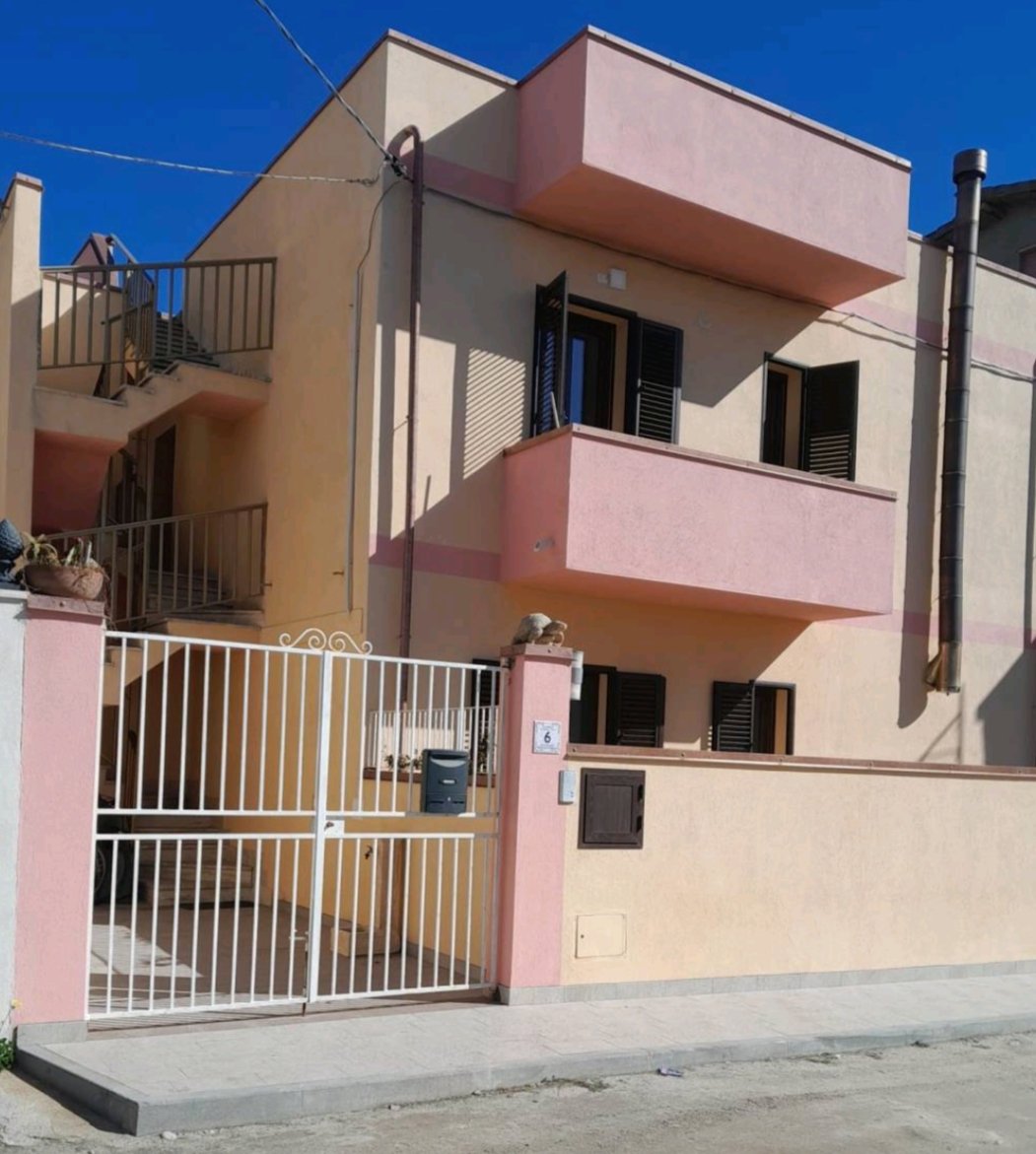
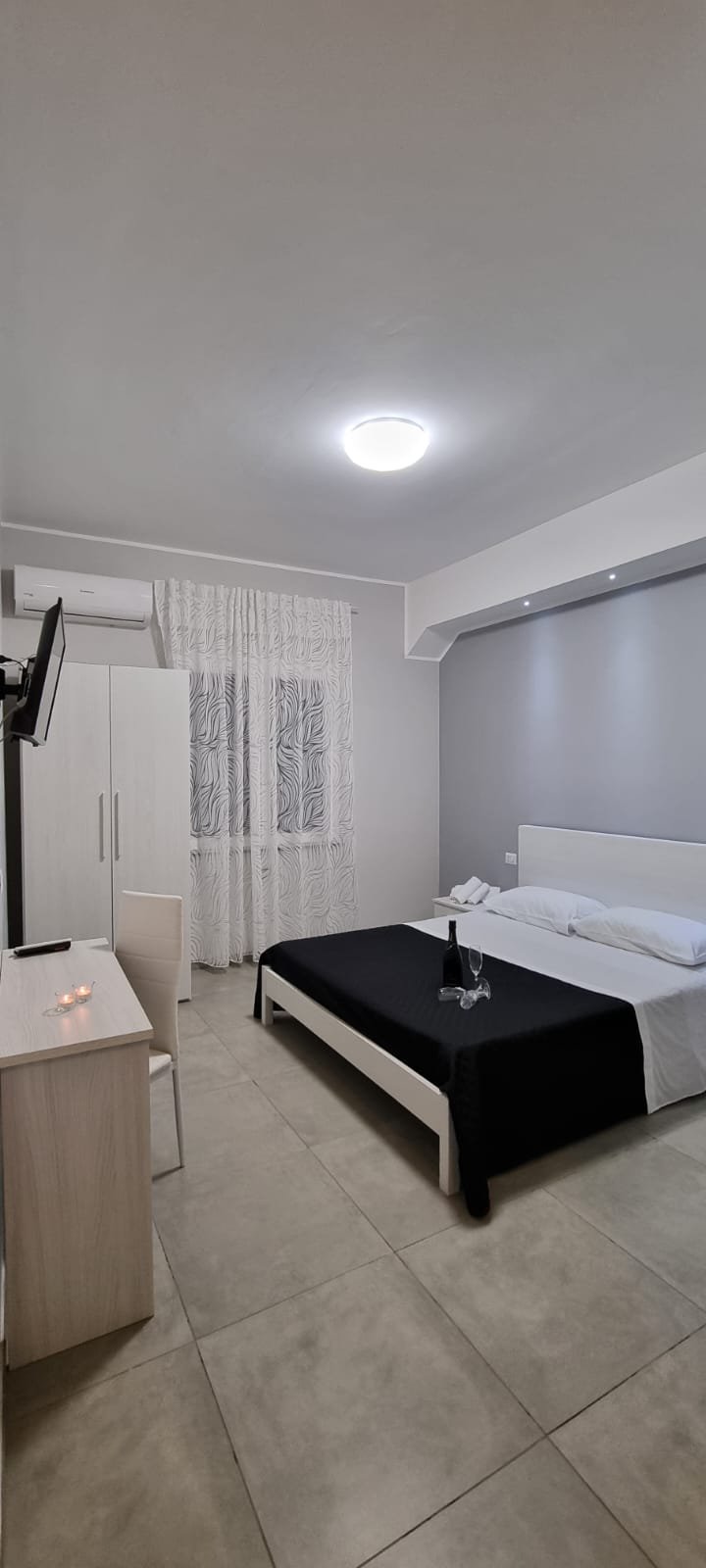
The town itself offers a relaxing seafront promenade, excellent local dining options, and a strategic position near major highway access points, making your daily road trips smooth and hassle-free. Finding a comfortable place to rest is easy and convenient. In San Ferdinando there are 2 selected accommodations available. Discover accommodations in San Ferdinando.
By securing a high-quality room in San Ferdinando, you ensure that your Calabrian adventure is rooted in comfort and convenience. Pack your bags, rent a car, and get ready to uncover the timeless magic, art, and history of the spectacular borghi of Calabria.