Exploring the Best Historical Borghi Ricadi Calabria Has to Offer
Welcome to the stunning Coast of the Gods, a stretch of the Tyrrhenian coastline where crystal-clear waters meet dramatic cliffs and ancient history. While the beaches are undoubtedly magnificent, the true soul of this southern Italian region lies hidden in its historic villages. Exploring the borghi Ricadi Calabria offers travelers a unique journey back in time, revealing a world of medieval architecture, vibrant local traditions, and unparalleled culinary delights. Whether you are an architecture enthusiast, a history buff, or simply a traveler seeking authentic experiences, the hinterland and coastal cliffs surrounding Ricadi are waiting to be discovered.
These ancient settlements, often perched on hilltops to defend against pirate raids, are a testament to the diverse civilizations that have called this land home. From the Greeks and Romans to the Byzantines, Normans, and Swabians, each era has left an indelible mark on the local culture. By choosing to stay in Ricadi, you position yourself perfectly to explore these timeless gems. This guide will take you through the most enchanting historical villages, detailing their art, culture, and the best ways to experience them during your Calabrian holiday.
The Must-See Medieval Villages Near Ricadi
Just a short drive from the stunning beaches of Capo Vaticano, Tropea is perhaps the most famous of all Calabrian coastal villages. Located roughly 15 minutes from Ricadi, this "Pearl of the Tyrrhenian" is built directly upon a sheer sandstone cliff. The historical center is a labyrinth of narrow cobblestone streets, aristocratic palaces with ornate portals, and hidden squares that suddenly open up to breathtaking sea views. The absolute highlight is the Sanctuary of Santa Maria dell'Isola, an ancient monastic settlement sitting atop a rocky promontory jutting into the sea.
Heading slightly north, about 45 minutes from Ricadi, you will find the charming fishing village of Pizzo Calabro. This borgo is famous for two main attractions: the imposing Aragonese Castle where the King of Naples, Joachim Murat, was imprisoned and executed, and the world-renowned Tartufo di Pizzo, a decadent hazelnut and chocolate ice cream dessert. The historical center cascades down the hillside toward the bustling marina, offering visitors a delightful mix of history and vibrant coastal life.
For a completely different experience, head inland for about 30 minutes to reach Zungri, famously known as the "City of Stone." Unlike the coastal towns, Zungri offers a fascinating glimpse into rural, ancient Calabria. The main attraction here is the Rock Settlement of the Sbariati, a mesmerizing village carved entirely into the sandstone cliffs by Byzantine monks fleeing persecution in the 8th to 12th centuries. Walking through these ancient cave dwellings is a mystical experience that transports you to another era.
Finally, just 25 minutes south of Ricadi lies Nicotera, a splendid medieval village offering panoramic views over the Gioia Tauro plain and the Aeolian Islands. Nicotera boasts a beautifully preserved historical center featuring the majestic Ruffo Castle and a fascinating historical Jewish quarter known as the Giudecca. The narrow alleys, arched passageways, and ancient stone balconies make Nicotera a perfect destination for those seeking a quiet, authentic Calabrian atmosphere away from the heavy tourist crowds.
Art and Architecture of Calabrian Villages
The architectural landscape of the villages surrounding Ricadi is a fascinating tapestry woven by centuries of conquests and cultural exchanges. The most prominent structural features are the formidable castles and defensive towers built during the Norman, Swabian, and Aragonese periods. Structures like the Murat Castle in Pizzo and the Ruffo Castle in Nicotera were designed strictly for military defense, featuring thick stone walls, deep moats, and strategic vantage points. Today, these fortresses serve as cultural hubs, hosting museums and art exhibitions while offering visitors sweeping views of the Tyrrhenian Sea.
Religious architecture is equally captivating in this region. The churches in these borghi often hide Byzantine origins beneath later Baroque or Neoclassical renovations. In Tropea, the Norman Cathedral stands as a prime example of 12th-century religious architecture, housing the revered icon of the Madonna of Romania, the town's protector. Another architectural marvel is the Chiesetta di Piedigrotta in Pizzo, a unique chapel carved entirely out of a tufa rock cave on the beach, filled with statues sculpted directly from the stone walls by local artists over generations.
Beyond monumental buildings, the everyday art and architecture of the villages reflect a deep-rooted artisan tradition. The historical piazzas are surrounded by noble palaces featuring intricate wrought-iron balconies and grand stone portals carved by local stonemasons. Traditional craftsmanship is still alive in these alleys, where you can find small workshops producing handmade ceramics, intricately woven textiles, and carved wooden objects. Exploring these streets is like walking through an open-air museum where the art is embedded in the very fabric of the town.
The Perfect One-Day Itinerary
To make the most of your time exploring the historical villages, a well-planned itinerary is essential. Start your morning early, around 9:00 AM, by heading inland to the rock settlement of Zungri. Visiting the caves in the morning allows you to beat the midday heat and enjoy the mystical atmosphere of the Byzantine ruins in peace. Spend about an hour and a half exploring the caves and the adjacent Museum of Peasant and Rock Civilization to understand the historical context of the area.
By late morning, drive down toward the coast to Tropea. Park your car just outside the historical center and take a leisurely stroll through the ancient streets. This is the perfect time to browse the artisan boutiques and admire the aristocratic palaces. For a traditional Calabrian lunch, find a cozy *trattoria* hidden in the alleys. Be sure to order a plate of *Fileja*, the local handmade pasta, topped with a rich sauce made from the famous sweet red onions of Tropea and a touch of spicy *'Nduja* from nearby Spilinga.
In the afternoon, continue your journey north to Pizzo Calabro. Arrive around 4:00 PM to explore the Murat Castle and the fascinating Piedigrotta Church. As the late afternoon sun begins to soften, make your way to the main piazza overlooking the sea. This is the ultimate spot to indulge in the famous Tartufo ice cream. Watch the sunset paint the sky in hues of orange and pink over the Mediterranean before returning to your holiday home in Ricadi for a restful evening.
Festivals and Events in the Villages
The historical borghi of Calabria truly come alive during their traditional festivals and events, which are deeply rooted in religion, history, and agriculture. The summer months are the peak season for *feste patronali* (patronal feasts). These celebrations are a spectacular blend of sacred devotion and vibrant street parties. In Tropea, the feast of the Madonna of Romania involves solemn processions through the cobblestone streets, accompanied by local marching bands, followed by spectacular midnight fireworks illuminating the sea and the cliffs.
Historical reenactments are another thrilling way to experience the heritage of these villages. Many towns organize medieval parades where locals dress in meticulously crafted period costumes, representing Norman knights, Byzantine nobles, and local peasants. These events often include flag-throwing displays, traditional music performances, and theatrical representations of historical battles or the arrival of ancient kings, allowing visitors to step directly into the pages of Calabrian history.
No visit to the villages near Ricadi is complete without attending a *sagra*, a traditional food festival celebrating local produce. The most famous in the immediate vicinity is the Sagra della 'Nduja in Spilinga, held every August. The entire village transforms into a massive culinary celebration dedicated to the spicy, spreadable salami. Visitors can taste 'nduja in countless variations, from pasta dishes to bruschetta, while dancing the traditional *Tarantella* in the main square alongside the welcoming locals.
How to Move Between the Villages
While public transportation exists in Calabria, the absolute best way to explore the scattered historical villages is by renting a car. Having your own vehicle provides the freedom to travel at your own pace, stop at hidden panoramic viewpoints, and reach inland destinations like Zungri that are poorly served by buses or trains. Car rental agencies are available at the Lamezia Terme airport and in larger towns like Tropea, making it easy to secure a vehicle for your holiday.
Driving between these borghi is an experience in itself. The primary coastal route is the SS522, famously known as the "Costa degli Dei" (Coast of the Gods) road. This scenic drive offers spectacular, uninterrupted views of the turquoise Tyrrhenian Sea, dramatic cliffs, and, on clear days, the smoking crater of the Stromboli volcano on the horizon. The roads winding up to the inland villages are often surrounded by fragrant olive groves and citrus orchards, providing a beautiful backdrop for your road trip.
When driving in Calabria, it is important to keep a few practical tips in mind. The roads leading into the historical centers are often very narrow, steep, and paved with ancient cobblestones. Furthermore, most historical centers are designated as ZTL (Restricted Traffic Zones), meaning non-residents cannot drive through them. Always look for designated public parking lots located just outside the historical walls of towns like Tropea and Pizzo, and be prepared to explore the actual villages comfortably on foot.
Ideal Base for Exploring: Sleeping in Ricadi
Choosing the right base is crucial for a successful cultural holiday in Calabria, and Ricadi stands out as the perfect choice. Situated strategically on the Capo Vaticano promontory, Ricadi offers a tranquil, relaxing environment away from the intense summer crowds of the larger towns, while remaining incredibly close to all the major historical villages. After a long day of exploring medieval castles and ancient caves, returning to the peaceful atmosphere and stunning beaches of Ricadi is the ultimate luxury.
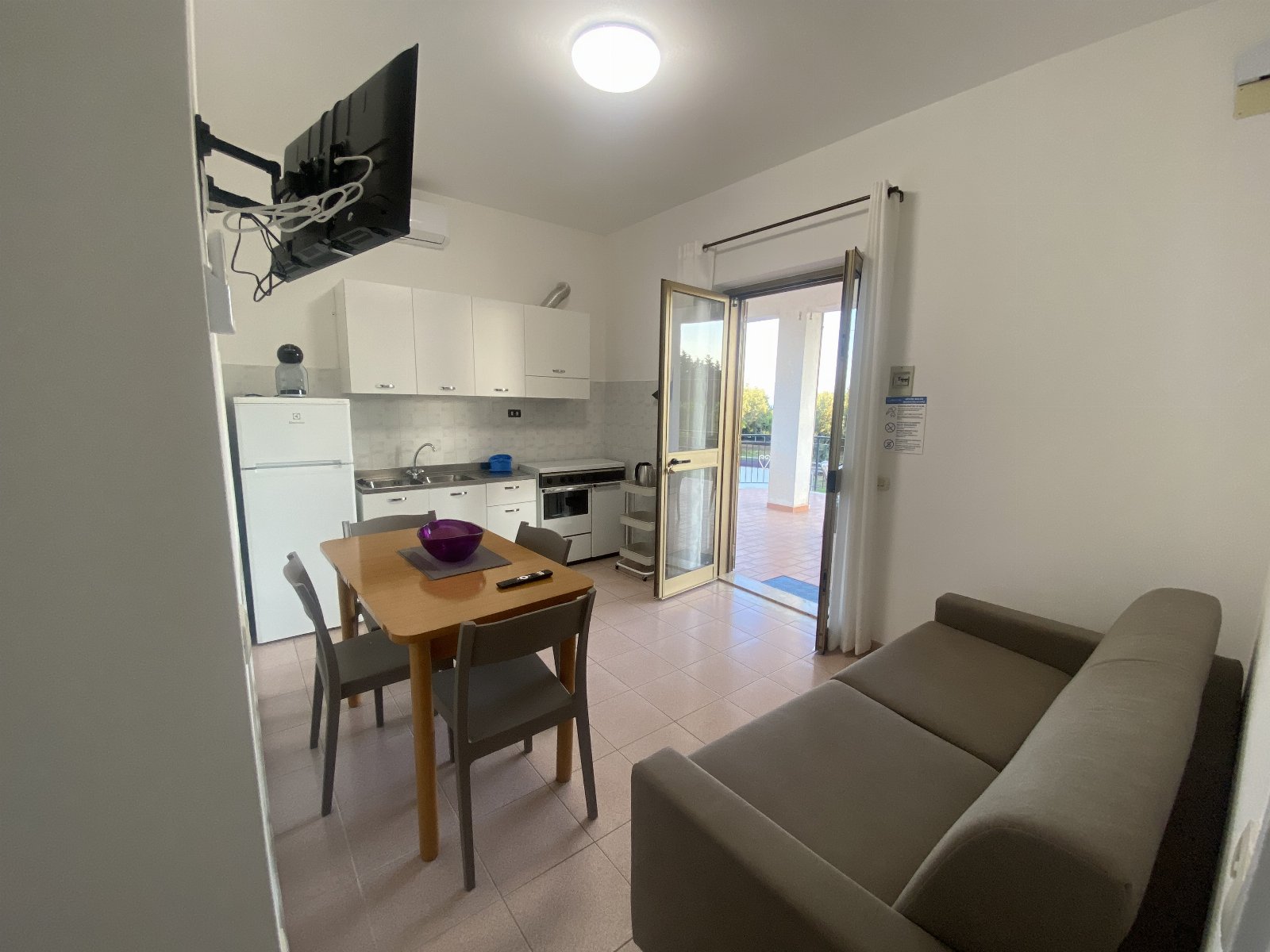
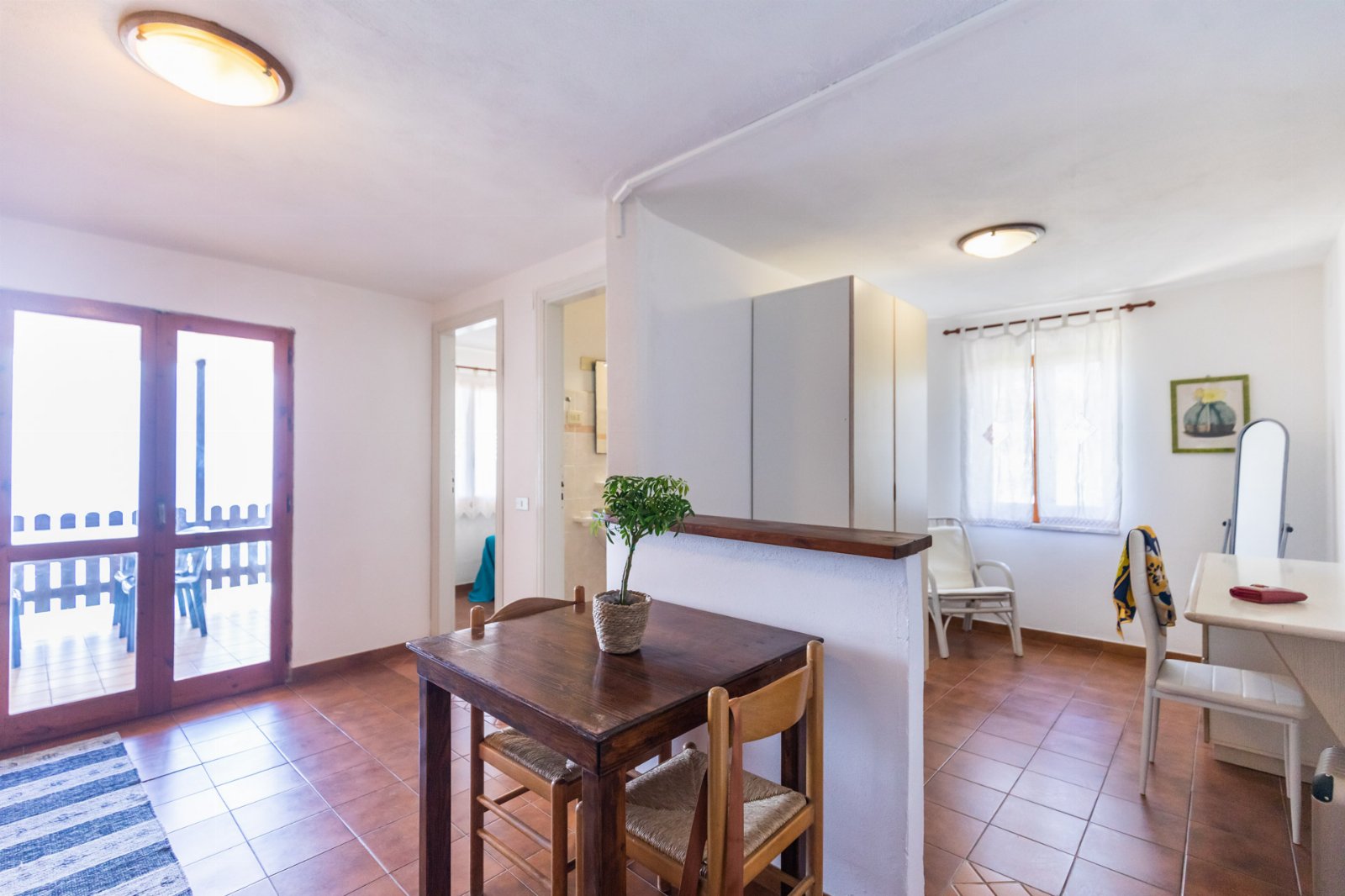
Whether you are looking for a cozy bed and breakfast, a modern apartment, or a traditional villa surrounded by Mediterranean gardens, the area offers excellent hospitality options to suit every traveler's needs. In Ricadi, there are 5 selected accommodations available. Discover accommodations in Ricadi.