Discovering the Best Borghi Reggio Calabria Calabria: A Time-Traveler's Guide
Calabria is a land of dramatic contrasts, where sparkling turquoise coastlines give way to rugged, mountainous interiors. While the beaches are undeniably beautiful, the true soul of this southern Italian region lies hidden in its ancient hillside towns. If you are searching for authentic history, breathtaking panoramas, and timeless traditions, exploring the historic borghi Reggio Calabria Calabria is an absolute must for your itinerary.
These medieval villages, often perched precariously on cliffs or nestled within the lush Aspromonte National Park, offer a glimpse into a world that has remained largely unchanged for centuries. From ghost towns with fascinating legends to vibrant communities keeping ancient Greek dialects alive, the province of Reggio Calabria boasts some of the most captivating settlements in all of Italy. Embarking on a journey through these towns is like stepping directly into a living museum.
The Must-See Medieval Villages Near Reggio Calabria
No trip to the toe of Italy's boot is complete without visiting Scilla, located just 30 minutes north of the city. Specifically, the fishermen's district of Chianalea is renowned as the "Venice of the South." Here, the houses are built directly on the rocks, with the waves of the Tyrrhenian Sea lapping against their foundations. Narrow alleys lead down to the water, where small boats are moored right outside the residents' front doors. Dominating the skyline is the imposing Ruffo Castle, which offers sweeping views of the Strait of Messina and the distant Sicilian coast.
Traveling about 40 minutes southeast of the city, you will discover the hauntingly beautiful ghost town of Pentedattilo. Abandoned decades ago due to the threat of landslides, this village takes its name from the Greek words for "five fingers," referring to the unique shape of the massive sandstone rock that looms over it. Today, Pentedattilo has experienced a minor renaissance, with local artisans opening small workshops in the restored stone cottages. It is a place of profound silence, stunning views, and lingering legends of seventeenth-century noble feuds.
Further inland, about an hour's drive away, lies Bova, the undisputed capital of the Bovesia region. This area is the heartland of the Grecanici, a linguistic minority that still speaks a dialect derived from ancient Greek. Bova is characterized by its steep, winding streets, ancient aristocratic palazzi, and the ruins of a Norman castle at its peak. Exploring these diverse settlements is incredibly rewarding, especially when you have a comfortable Reggio Calabria accommodation to return to after a long day of historical adventuring.
Art and Architecture of Calabrian Villages
The architectural landscape of the Calabrian borghi is a fascinating tapestry woven from the various civilizations that have conquered and settled the region over millennia. The Greeks, Romans, Byzantines, Normans, and Spanish have all left indelible marks on the stone and mortar of these towns. You will frequently encounter robust Norman castles, originally built as defensive fortresses against pirate raids, which now serve as dramatic viewpoints. The Ruffo Castle in Scilla and the sprawling fortress ruins in Gerace are prime examples of this formidable military architecture.
Religious architecture is equally stunning, heavily influenced by Byzantine and later Baroque styles. In the village of Stilo, you will find the Cattolica, a spectacular 9th-century Byzantine church. This tiny, square brick structure with its five distinctive cylindrical domes is one of the most important examples of Eastern religious architecture in Italy. Meanwhile, in towns like Gerace—often called the "City of a Hundred Churches"—you can marvel at the massive Norman Cathedral, which incorporates ancient columns salvaged from older Greek and Roman temples.
Beyond the grand castles and churches, the everyday architecture of the historic squares (piazze) and alleyways is captivating. You will wander through labyrinths of cobblestone streets, passing beneath ancient stone archways and intricately carved wooden portals. This environment has fostered generations of traditional craftsmanship. Many villages still host skilled artisans who practice centuries-old techniques, from weaving traditional textiles using broom fiber in the Grecanic area to hand-painting intricate ceramics in the workshops of Gerace and Seminara.
A Perfect One-Day Itinerary
To truly appreciate the magic of these ancient towns, you need a well-paced itinerary that balances sightseeing with culinary indulgence. Start your day early, leaving your base around 8:30 AM to catch the soft morning light. Head first to the ghost town of Pentedattilo. The morning hours are the best time to photograph the "five-fingered" rock formation and wander the silent, atmospheric streets before the midday heat sets in. Spend an hour exploring the artisan shops and soaking in the sweeping views of the Ionian Sea.
By late morning, drive up the winding mountain roads into the Aspromonte National Park to reach Bova. After exploring the Norman castle ruins and the Museum of the Grecanic Language, it will be time for a traditional Calabrian lunch. Seek out a local trattoria and order a plate of homemade maccheroni al ferretto topped with a rich goat ragù. Pair this with a platter of local pecorino cheese, capocollo, and a glass of robust regional red wine. The food here is rustic, flavorful, and deeply connected to the mountain terrain.
In the late afternoon, descend back toward the Tyrrhenian coast to visit Scilla. Arriving a couple of hours before sunset allows you to tour the Ruffo Castle before wandering down into the Chianalea district. As the sun dips below the horizon, painting the sky in shades of pink and orange, find a seaside restaurant built on stilts over the water. Dine on freshly caught swordfish—a local specialty—before heading back to stay in Reggio Calabria, bringing a perfect day of exploration to a close.
Festivals and Events in the Villages
Visiting the Calabrian borghi during a local festival provides a unique opportunity to witness the region's vibrant culture come to life. Summer is the undisputed season of the sagre (food festivals) and historical reenactments. One of the most famous events is the Palio di Ribusa in the village of Stilo, usually held in August. This spectacular Renaissance reenactment features flag-throwers, fire-breathers, knights, and musicians parading through the ancient streets, completely transforming the town into a living medieval tableau.
Religious devotion is also a cornerstone of village life, and the Feste Patronali (patron saint feasts) are celebrated with incredible fervor. These events typically involve solemn processions where heavy, ornate statues of saints are carried through the narrow, steep streets by the local men. The religious ceremonies are always followed by joyous secular celebrations, featuring lively brass bands, bustling street markets selling local sweets like torrone, and spectacular midnight fireworks displays that echo through the valleys.
Music and cultural heritage are celebrated through events like the Paleariza Festival. This traveling music and cultural festival takes place across various villages in the Grecanic area of the Aspromonte. It celebrates traditional folk music, particularly the hypnotic rhythms of the tarantella played on the tambourine and the traditional Calabrian lyre. Attending these events allows travelers to connect with the locals, taste authentic street food, and experience the passionate, welcoming spirit of southern Italy.
How to Get Around the Villages
While public transportation in Italy is generally excellent between major cities, relying on trains and buses to explore the remote hillside borghi of Calabria can be highly restrictive. To truly experience the freedom of these ancient landscapes, renting a car is strongly recommended. Having your own vehicle allows you to travel at your own pace, stop for impromptu photographs of the dramatic coastlines, and reach mountain villages where bus services may only run once or twice a day.
Driving in Calabria is an adventure in itself. The coastal highways, such as the SS106 Ionica, offer endless views of sparkling blue waters and rugged cliffs. However, as you turn inland toward the Aspromonte National Park, the roads become steep, winding, and narrow. Drivers should be prepared for hairpin turns and occasional encounters with local wildlife or herds of goats crossing the road. The scenic drives are breathtaking, but they require careful, unhurried driving.
When you arrive at the historical villages, be aware that the historic centers are almost always pedestrian-only or designated as ZTL (Zona a Traffico Limitato) areas, where non-resident cars are strictly prohibited. You will need to utilize the designated parking areas located just outside or at the bottom of the villages, and proceed on foot. Comfortable walking shoes are essential, as exploring these towns involves navigating steep staircases, uneven cobblestones, and significant inclines.
Ideal Base for Exploring: Sleeping in Reggio Calabria
Choosing the right home base is crucial for a successful trip to the deep south of Italy. Reggio Calabria is undoubtedly the most strategic and enjoyable location to anchor your vacation. Situated right on the Strait of Messina, the city offers excellent infrastructure, a wide variety of dining options, and seamless access to the main highways leading to both the Ionian and Tyrrhenian coasts. You get the benefit of exploring remote, silent mountain villages during the day, while enjoying the lively atmosphere of a vibrant coastal city at night.
Staying in the city means you can spend your evenings strolling along the famous Lungomare Falcomatà, famously described as the "most beautiful kilometer in Italy." You can enjoy a world-class gelato, visit the National Archaeological Museum to see the legendary Riace Bronzes, and shop in elegant boutiques. It provides the perfect modern counterpoint to the rustic, ancient environments of the inland borghi.
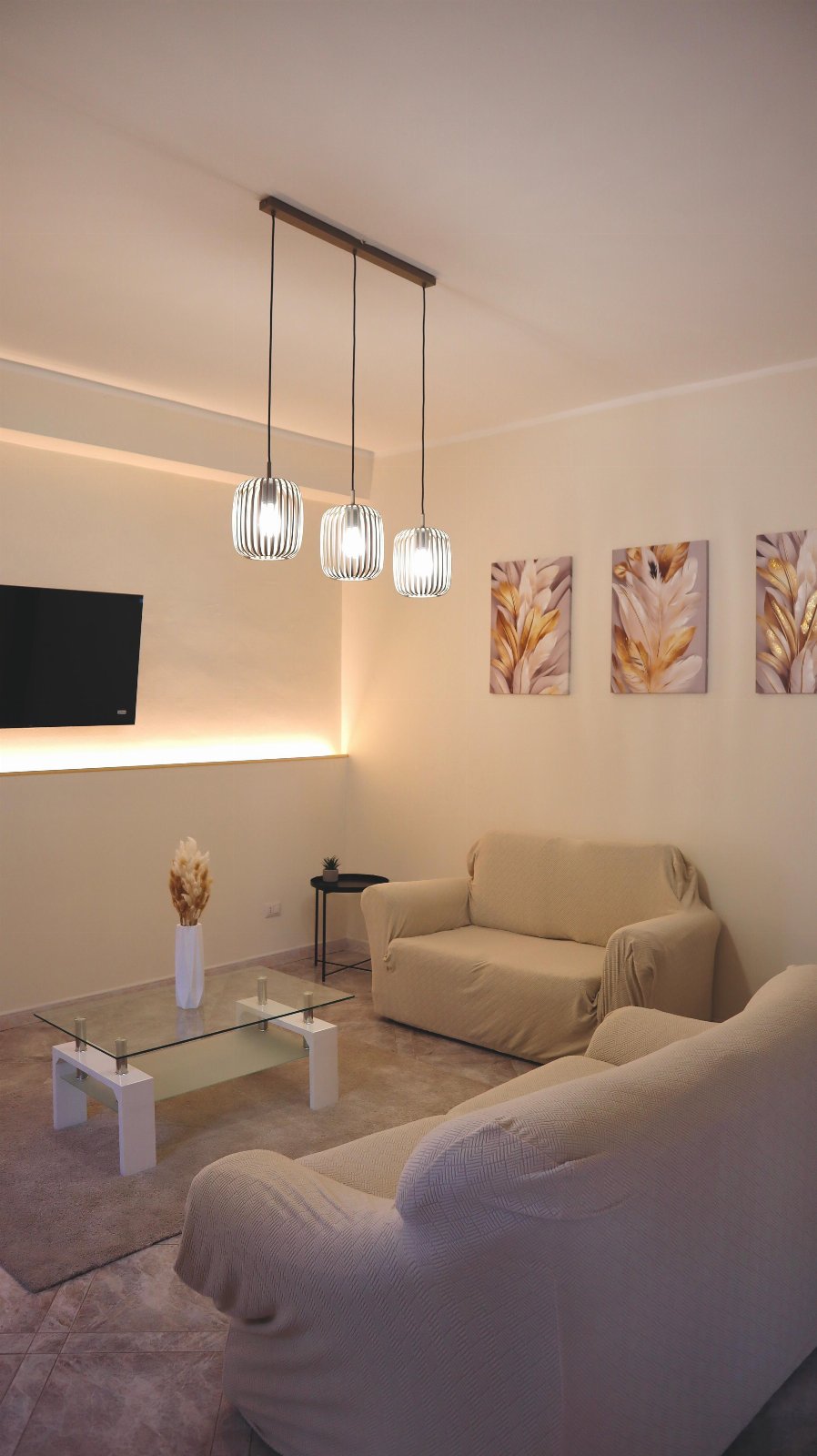
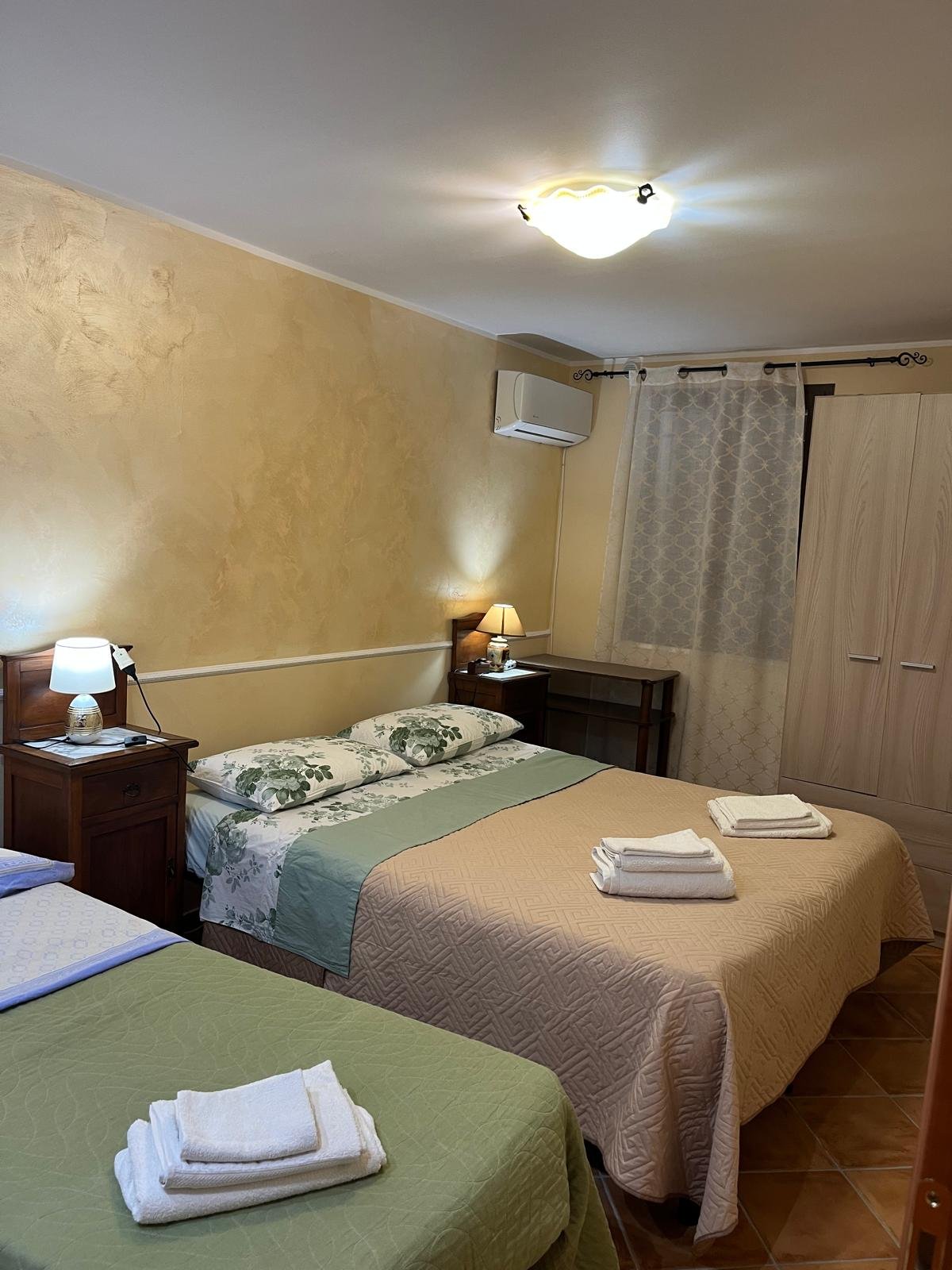
When it comes to finding the perfect place to rest after a long day of driving and exploring, you want comfort, convenience, and excellent local hospitality. A Reggio Calabria sono disponibili 24 alloggi selezionati. Scopri gli alloggi a Reggio Calabria. By securing a central location, you ensure that the historical wonders of the Calabrian villages are always just a short, scenic drive away.