Time Travel in the South: Exploring the Finest Borghi Reggio Calabria Calabria Has to Offer
Calabria is a land of dramatic contrasts, where pristine coastlines meet rugged, untouched mountains. While many travelers flock to the region for its spectacular beaches, the true soul of this southern Italian paradise lies hidden in its ancient villages. These historic settlements, perched on rocky cliffs or nestled deep within lush valleys, are the keepers of millennia-old traditions, breathtaking architecture, and a slow-paced lifestyle that feels worlds away from modern chaos. If you are planning a trip to the toe of Italy's boot, venturing beyond the main cities is an absolute must for a truly authentic experience.
The area surrounding the metropolitan hub of Reggio Calabria is particularly rich in these historical gems. Exploring the inland and coastal villages allows you to trace the footsteps of ancient Greeks, Romans, Byzantines, and Normans who all left their indelible marks on the landscape. From ghost towns that inspire legends to vibrant fishing hamlets where the sea laps directly against the houses, the diversity of these locations is astounding. This comprehensive guide will help you navigate the rich cultural tapestry of the region and plan an unforgettable journey through time.
Whether you are an architecture enthusiast, a lover of traditional gastronomy, or simply a traveler seeking off-the-beaten-path destinations, the villages in this province offer something uniquely captivating. Prepare to wander through labyrinthine alleys, admire panoramic views that stretch all the way to Sicily, and experience the legendary warmth of Calabrian hospitality. Let us embark on a journey to discover the most enchanting historic settlements this remarkable region has to offer.
Must-Visit Medieval Villages Near Reggio Calabria
No trip to the region is complete without visiting Chianalea di Scilla, often referred to as the "Venice of the South." Located just 22 kilometers north of Reggio Calabria, this ancient fishing village is famous for its houses built directly on the rocks, where the waves of the Tyrrhenian Sea crash against the foundations. The village is dominated by the imposing Ruffo Castle, which sits on a rocky promontory separating Chianalea from the main beach of Marina Grande. Strolling through its narrow alleys, you will see fishermen repairing their nets and traditional boats used for hunting swordfish, a practice that has defined the local economy and culture for centuries.
Heading south along the Ionian coast, about 30 kilometers from the city, lies the mesmerizing ghost town of Pentedattilo. Its name derives from the Greek words "penta" and "daktylos," meaning five fingers, a reference to the shape of the towering sandstone cliff that looms over the abandoned stone houses. Founded in 640 BC, the village was entirely evacuated in the 20th century due to the threat of landslides. Today, it has been partially restored by local artisans and associations. Walking through its silent, winding streets offers a hauntingly beautiful experience, filled with legends of romance, betrayal, and the infamous "Massacre of the Alberti" that took place in the 17th century.
Further inland, perched at an altitude of 820 meters in the Aspromonte National Park, is Bova (about 50 kilometers from Reggio Calabria). Bova is the undisputed capital of the "Bovesia," the Greek-speaking area of Calabria where an ancient dialect of Homeric Greek is still spoken by the elders. The village offers spectacular views of the Ionian Sea and Mount Etna in the distance. Here, you can explore the ruins of a Norman castle, visit the Cathedral of San Leo, and immerse yourself in a culture that has fiercely preserved its Hellenic roots. Finally, though a bit further away (around 100 kilometers), the majestic village of Gerace is an absolute must-see. Known as the "City of a Hundred Churches," Gerace boasts a stunningly preserved medieval layout, a magnificent Norman Cathedral, and sweeping views of the Locride coast.
Art and Architecture of Calabrian Villages
The architectural landscape of the Calabrian villages is a fascinating visual history book, chronicling the various empires that have swept through the Mediterranean. The Byzantine influence is profoundly visible in the religious structures scattered across the region. Small, square-plan churches with characteristic domes, such as the famous Cattolica di Stilo (located further up the coast), reflect the deep spiritual connection to the Eastern Roman Empire. In villages like Gerace and Bova, the Norman conquest brought a shift towards grander, more imposing structures. The Norman Cathedral of Gerace, the largest religious building in Calabria, is a masterpiece of Romanesque-Norman architecture, featuring massive stone columns salvaged from ancient Greek temples.
Beyond the grand churches, the secular architecture of these villages is equally captivating. The historic centers are characterized by their intricate urban planning, designed primarily for defense against pirate raids. You will find a maze of narrow, winding alleys known locally as caruggi, steep stone staircases, and hidden squares (piazze) that suddenly open up to reveal breathtaking panoramas. The castles, such as the Ruffo Castle in Scilla or the Aragonese fortresses dotting the coastline, serve as stark reminders of the region's turbulent past. The masonry techniques, utilizing local stone and terracotta, blend the villages seamlessly into their rugged natural surroundings.
Art in these historic settlements is not confined to museums; it is a living, breathing part of daily life through traditional craftsmanship. In many of these villages, artisans continue to practice centuries-old trades. You can find exquisite handmade ceramics, intricate woodcarvings, and traditional weaving using broom fiber, particularly in the Grecanica area. If you are planning to immerse yourself in this rich artistic heritage, finding a comfortable base is essential. You can easily take day trips to meet these artisans when you book a stay in the city center, allowing you to combine cultural exploration with modern comforts.
The Perfect One-Day Itinerary
If your time is limited, organizing a well-paced one-day itinerary allows you to experience the contrasting beauties of the Tyrrhenian and Ionian coasts. Begin your morning early by driving north from Reggio Calabria to the picturesque village of Scilla. Arrive around 9:00 AM to enjoy a quiet cappuccino and a warm brioche at a café overlooking the sea in Chianalea. Spend the morning exploring the labyrinth of waterfront houses and climb up to the Ruffo Castle for a spectacular panoramic view of the Strait of Messina and the Sicilian coast. The morning light here is perfect for photography.
For lunch, you cannot leave Scilla without tasting the local specialty: swordfish. Find a traditional trattoria built on stilts over the water in Chianalea. Indulge in a plate of homemade pasta with swordfish, cherry tomatoes, and capers, accompanied by a glass of crisp, chilled Calabrian white wine. After a leisurely lunch, retrieve your car and embark on a scenic drive across the tip of the peninsula towards the Ionian coast, heading for the ghost town of Pentedattilo. The drive takes approximately an hour, taking you through contrasting landscapes of coastal blues and rugged mountain greens.
Arrive in Pentedattilo by mid-afternoon. The late afternoon sun casts a golden glow on the five-fingered rock formation, creating a truly magical atmosphere. Wander through the abandoned streets, visit the small artisan shops that have brought life back to the lower part of the village, and take in the profound silence of the valley. As the sun begins to set, the shadows lengthen over the ruins, offering an unforgettable, mystical experience. Afterward, you can easily drive back to Reggio Calabria in under 45 minutes, just in time for an evening stroll (the famous passeggiata) along the Falcomatà promenade before dinner.
Festivals and Events in the Villages
To truly understand the spirit of Calabria, you must experience its vibrant local festivals. The historic villages come alive during patron saint feasts, which are a fascinating blend of deep Catholic devotion and ancient pagan traditions. These celebrations usually involve solemn processions where heavy statues of saints are carried on the shoulders of the faithful through the steep, narrow streets. The religious ceremonies are always followed by joyous secular celebrations featuring spectacular fireworks, marching bands, and late-night dancing to the rhythmic, hypnotic beats of the traditional Calabrian tarantella.
During the summer months, many villages host historical reenactments and medieval markets that transport visitors back in time. Gerace, for instance, hosts "Il Borgo Incantato" (The Enchanted Village), a festival dedicated to street art, medieval music, and historical parades. The village streets are illuminated by torches, and locals dress in elaborate period costumes, creating an immersive atmosphere. Similarly, other inland towns celebrate their Norman or Byzantine roots with jousting tournaments, falconry displays, and markets selling traditional medieval crafts and foods.
Gastronomy is, of course, at the heart of any Calabrian celebration, and the local sagre (food festivals) are the best places to taste authentic regional cuisine. Depending on the season and the village, you might stumble upon a festival dedicated to the Bergamot orange, the spicy 'Nduja sausage, wild mushrooms from the Aspromonte, or the prized swordfish. These events are incredibly welcoming to tourists, offering a chance to eat at long communal tables with the locals. Attending these evening festivals is much easier when you have a convenient place to return to at night; checking out the best local accommodations ensures you can enjoy the late-night festivities without worrying about a long, exhausting drive back.
How to Navigate Between the Villages
While the major cities in Calabria are connected by trains and buses, public transportation to the smaller, historic villages can be infrequent and limited, especially on weekends. Therefore, renting a car is highly recommended for anyone wanting to explore the region thoroughly and at their own pace. Having your own vehicle gives you the absolute freedom to stop at spontaneous viewpoints, linger longer at a hidden artisan shop, or change your itinerary based on a local's recommendation. Car rental agencies are readily available at the Reggio Calabria airport and in the city center.
Driving in this part of Italy is an experience in itself, offering some of the most scenic routes in the country. To reach the Tyrrhenian villages like Scilla, you will take the A2 motorway or the coastal SS18, which provides stunning, elevated views of the sea and Sicily. To explore the Ionian side and villages like Pentedattilo or Bova, you will navigate the SS106 Jonica. If you decide to venture up to Bova or other villages within the Aspromonte National Park, be prepared for winding, steep mountain roads. These routes require careful driving but reward you with breathtaking landscapes of dense forests and deep gorges.
When visiting these historic settlements, it is crucial to pay attention to parking regulations. Most medieval villages were not built for cars, and their historic centers are usually designated as Restricted Traffic Zones (ZTL - Zona a Traffico Limitato). You will generally need to park your car in designated lots at the entrance or at the bottom of the village and proceed on foot. Comfortable walking shoes are an absolute necessity, as you will be navigating steep inclines, uneven cobblestones, and numerous staircases. The physical effort, however, is always rewarded by the charm and beauty of the destinations.
The Ideal Base for Exploring: Staying in Reggio Calabria
Choosing the right base for your Calabrian adventure is key to a successful trip, and Reggio Calabria stands out as the perfect hub. Strategically located at the very tip of the peninsula, the city offers unparalleled access to both the Tyrrhenian and Ionian coasts, as well as the mountainous interior. By staying in the city, you benefit from excellent infrastructure, including the airport, the central train station, and easy access to major highways. Furthermore, Reggio Calabria is home to the National Archaeological Museum, where you can marvel at the world-famous Riace Bronzes before heading out to see the lands where such ancient history took place.
Returning to Reggio Calabria after a quiet, introspective day in the ancient villages provides a delightful contrast. The city boasts a vibrant evening atmosphere. You can enjoy a leisurely walk along the Lungomare Falcomatà, famously described as "Italy's most beautiful kilometer," while eating a generous portion of artisanal gelato. The city center is packed with excellent restaurants, wine bars, and boutiques, ensuring that your evenings are just as fulfilling as your days spent exploring medieval ruins and coastal hamlets.
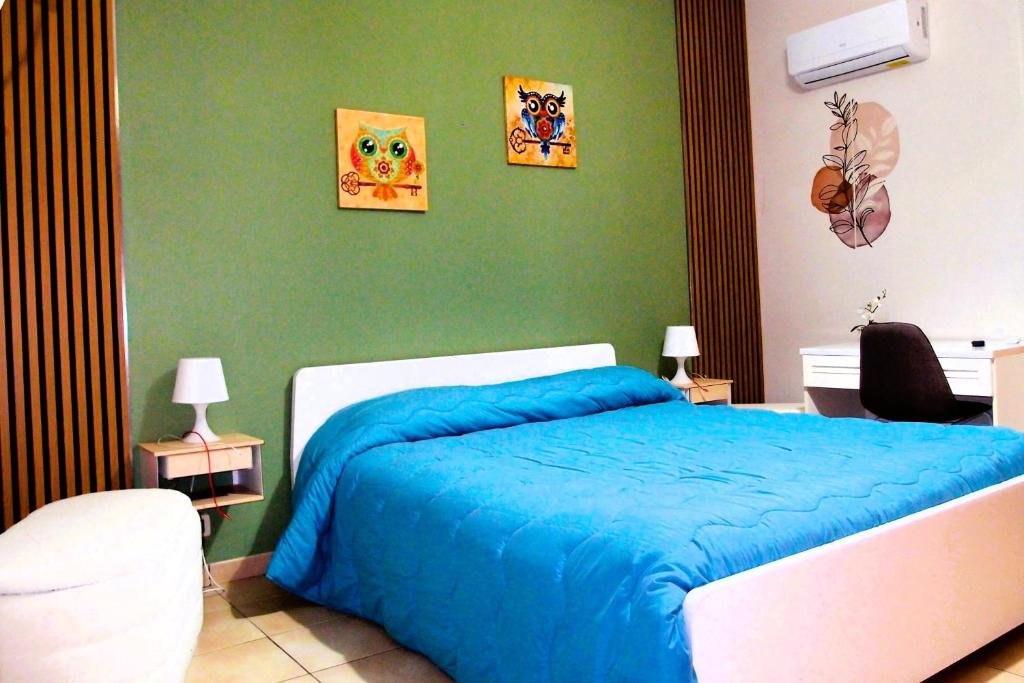
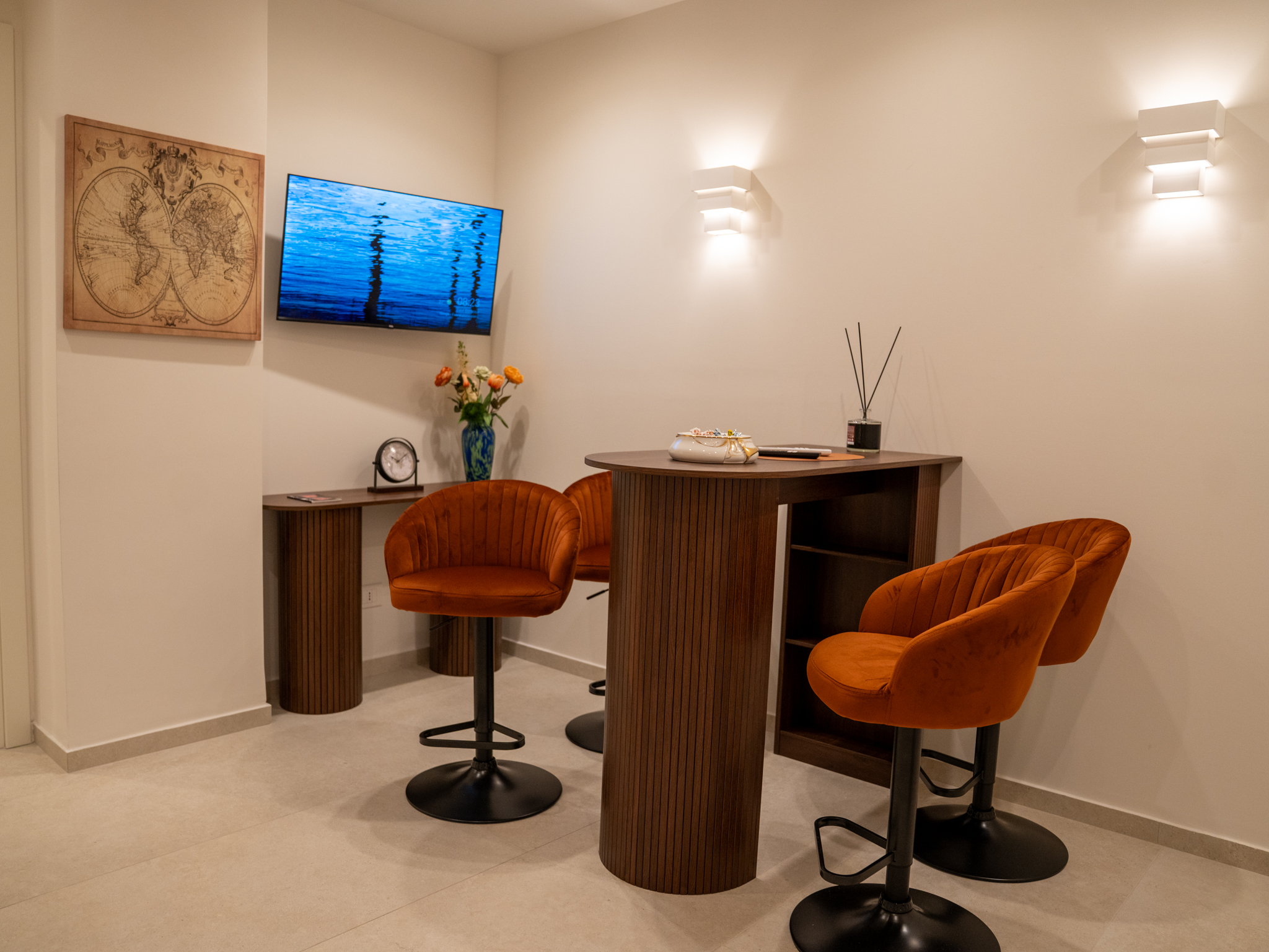
Finding the perfect place to rest after a day of exploration is effortless in this welcoming city. Whether you are looking for a boutique bed and breakfast with sea views, a modern apartment in the historic center, or a comfortable guesthouse, the options are plentiful and cater to all budgets and travel styles. In Reggio Calabria, 24 selected accommodations are available. Discover accommodations in Reggio Calabria to secure the perfect home base for your unforgettable journey through the ancient heart of southern Italy.