Discovering the Best Borghi Pizzo Calabria: A Guide to Historic Villages
Calabria is a region of dramatic contrasts, where pristine coastlines give way to rugged mountains dotted with ancient settlements. For the cultural traveler, exploring the traditional borghi (historic villages) is an absolute must. These timeless towns offer a glimpse into the authentic soul of Southern Italy, preserving centuries of history, art, and culinary traditions. If you are planning a trip to this magnificent region, focusing your itinerary on the borghi Pizzo Calabria and its surrounding areas will guarantee an unforgettable experience.
Pizzo itself is a breathtaking coastal town, famous for its historic center, the imposing Aragonese Castle, and the delicious Tartufo ice cream. However, its strategic location makes it the ultimate starting point for exploring the wider region. From ancient Greek ruins to medieval fortresses and Byzantine churches, the villages scattered around this area are waiting to be discovered. This guide will take you through the most captivating historic towns, helping you plan the perfect cultural holiday.
The Must-See Medieval Villages Near Pizzo
The landscape surrounding Pizzo is a treasure trove of medieval architecture and fascinating local legends. Just a short drive from the coast, you can transport yourself back in time by wandering through narrow cobblestone alleys and admiring ancient stone portals. Here are some of the most remarkable historic villages you simply cannot miss during your stay.
Tropea is located just 30 kilometers south of Pizzo and is widely known as the Pearl of the Tyrrhenian Sea. While international tourists often flock here for the spectacular white sand beaches, the historic center perched on a dramatic cliff is a cultural masterpiece. You can spend hours exploring the labyrinth of noble palaces, hidden squares, and the iconic Sanctuary of Santa Maria dell'Isola, which sits on a rocky promontory overlooking the crystal-clear water.
Badolato sits on the Ionian coast, requiring a scenic drive of about an hour and a half (roughly 70 kilometers) from Pizzo. This medieval hilltop village is a fascinating tale of rebirth. Once nearly abandoned, it has been revitalized by international artists and travelers. Badolato boasts an incredible 14 historic churches, winding alleys known locally as vinedde, and sweeping views that stretch from the mountains down to the sparkling Ionian Sea.
Gerace, located further south about 80 kilometers away, is officially recognized as one of the most beautiful villages in Italy. Nestled within the Aspromonte National Park, Gerace is a perfectly preserved medieval jewel. Visitors can explore the ruins of the imposing Norman Castle, walk through ancient city gates, and marvel at the stunning Cathedral. As the largest religious building in Calabria, the cathedral perfectly blends Byzantine, Romanesque, and Norman architectural styles.
Art and Architecture of Calabrian Villages
The architectural landscape of the villages around Pizzo is a striking testament to the region's complex and layered history. Over the centuries, Calabria has been shaped by Greeks, Romans, Byzantines, Normans, and Aragonese conquerors. The Norman legacy is particularly prominent, visible in the robust castles, defensive watchtowers, and imposing fortifications that proudly crown many of these hill towns, originally built to protect the local populations from pirate raids.
Religious architecture plays a central and magnificent role in these communities. As you explore, you will find small, intimate Byzantine chapels adorned with fading ancient frescoes standing alongside grand Norman cathedrals. Historic squares act as the beating heart of these villages. These piazzas are typically surrounded by aristocratic palaces featuring ornate wrought-iron balconies, intricately carved stone portals, and hidden interior courtyards that speak of a wealthy, noble past.
Beyond the grand stone structures, the true art of these villages lives on in their traditional craftsmanship. From the renowned, vibrant ceramics of Seminara to the intricate textile weaving and woodworking found in the mountainous hinterland, local artisans continue to preserve techniques passed down through countless generations. Visitors can often step directly into small, family-run workshops to witness this living history firsthand and purchase authentic, handmade souvenirs.
One-Day Itinerary: Exploring the Hinterland
Planning a day trip from your base requires a good balance of scenic driving and leisurely exploring. Start your morning early by leaving your comfortable accommodation in Pizzo and heading south towards the famous Costa degli Dei. Arrive in the historic center of Tropea around 9:00 AM to enjoy the quiet, sunlit streets and visit the Norman Cathedral before the peak daytime crowds arrive.
Around midday, venture slightly inland towards the fascinating village of Zungri, located just 20 kilometers from the coast. Here, you can explore the remarkable City of Stone, an ancient cave settlement carved directly into the sandstone cliffs by Byzantine monks. For lunch, stop at a traditional agriturismo in the surrounding countryside. A typical Calabrian lunch will feature local cured meats like spicy 'nduja, homemade fileja pasta with a rich pork ragù, and a glass of robust regional red wine.
In the late afternoon, make your way back along the scenic coastal road, stopping at a panoramic viewpoint at Capo Vaticano to watch the sunset over the Tyrrhenian Sea, with the Aeolian Islands visible on the horizon. Return to Pizzo in the evening for a relaxing stroll through Piazza della Repubblica, mingling with the locals and finishing your day with a taste of the world-famous Tartufo di Pizzo for dessert.
Festivals and Events in the Villages
To truly experience the vibrant soul of these historic settlements, timing your visit to coincide with local festivals is highly recommended. Throughout the summer and early autumn, the villages transform into lively hubs of celebration. Patronal feasts are deeply rooted in tradition, featuring solemn religious processions where heavy wooden statues of saints are carried through the narrow, winding streets, accompanied by passionate local marching bands and spectacular fireworks.
Historical reenactments are another thrilling aspect of Calabrian village life. Many towns proudly celebrate their medieval or Renaissance heritage with elaborate costume parades, skilled flag-throwers, and traditional folk music. These events often commemorate significant historical victories, ancient legends, or the visits of past monarchs, effectively bringing the ancient stone streets back to life for both locals and visitors.
Food festivals, known locally as sagre, are perhaps the most anticipated events for cultural tourists. These joyful gatherings celebrate local harvests and unique culinary specialties. Whether it is the red onion festival in the coastal towns, the wild mushroom festival in the Serre mountains, or celebrations dedicated to the fiery 'nduja sausage in Spilinga, these historic street markets offer an authentic, unforgettable taste of the region's gastronomic wealth.
How to Get Around the Villages
While public transportation in Calabria connects the major coastal towns reasonably well, exploring the smaller, historic villages requires much more flexibility. Renting a car is absolutely the most highly recommended option for travelers wanting to discover the hidden gems scattered across the hills and mountains. Having your own vehicle allows you to travel at your own pace, stop for spontaneous photos, and reach isolated historic sites where trains and buses simply do not go.
The driving experience itself is a memorable part of the adventure. The roads winding through the Calabrian hinterland offer some of the most spectacular panoramic views in Southern Italy. You will navigate thrilling coastal highways that hug the dramatic cliffs and tranquil mountain passes surrounded by dense olive groves, citrus orchards, and chestnut forests. Just be prepared for narrow, curving roads as you approach the older, elevated hilltop settlements.
If you are not comfortable driving on winding Italian roads, another excellent option is to hire a local private driver or join a small-group guided tour. Many reliable transport services operate directly from the main tourist hubs along the coast. Whether you choose to drive yourself or hire a knowledgeable local guide, making your base in a central, highly accessible location is crucial for a smooth and enjoyable travel experience.
Ideal Base for Exploring: Sleeping in Pizzo
Choosing the right location to stay is the absolute key to a successful cultural holiday in Calabria. Pizzo is undeniably the perfect strategic base for your adventures. Not only is it a stunning historic village in its own right—home to the fascinating Piedigrotta Church carved into the beach rock and a vibrant historic center—but it also offers excellent, quick connectivity to both the main coastal highway and the scenic inland mountain roads.
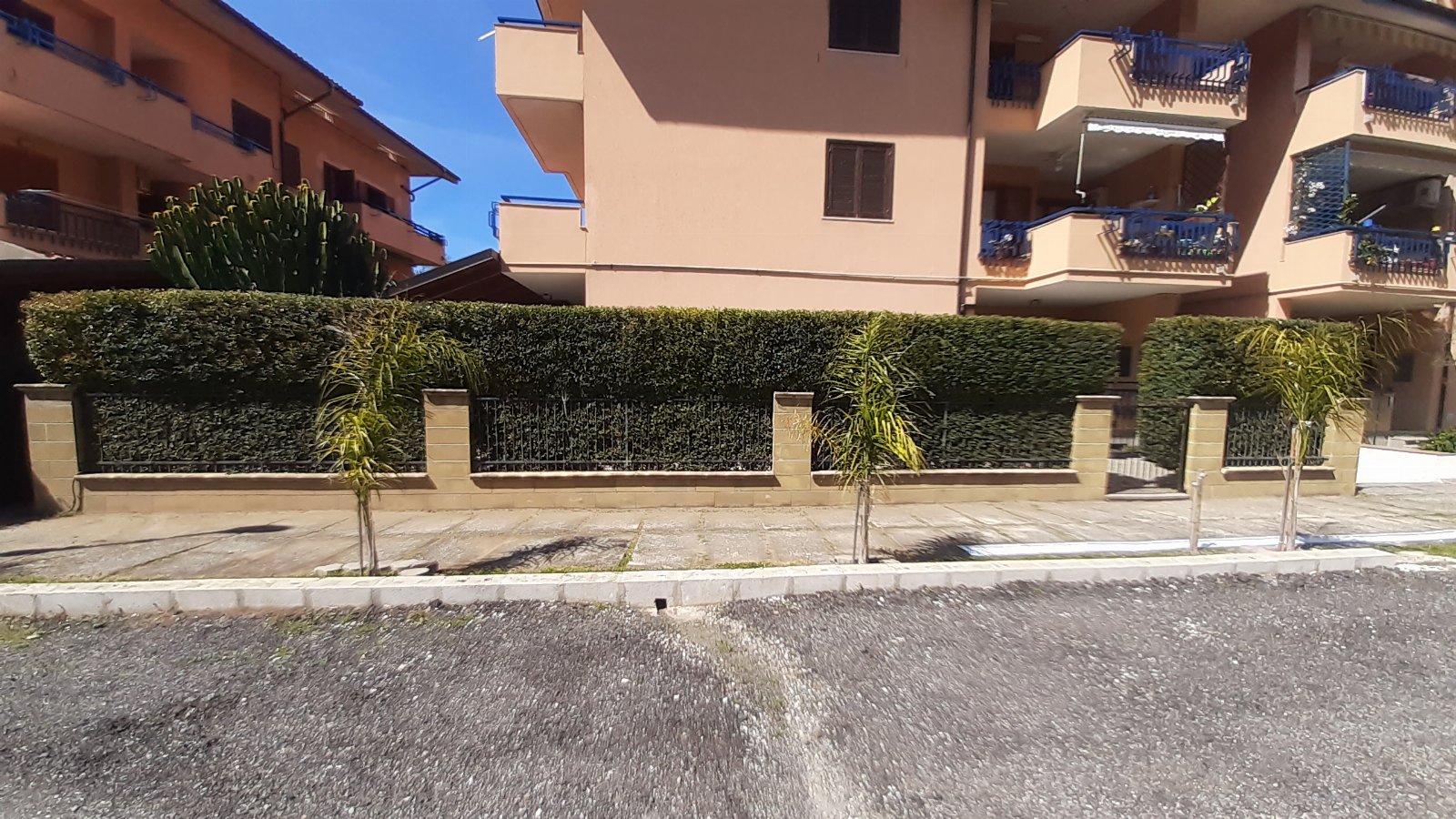
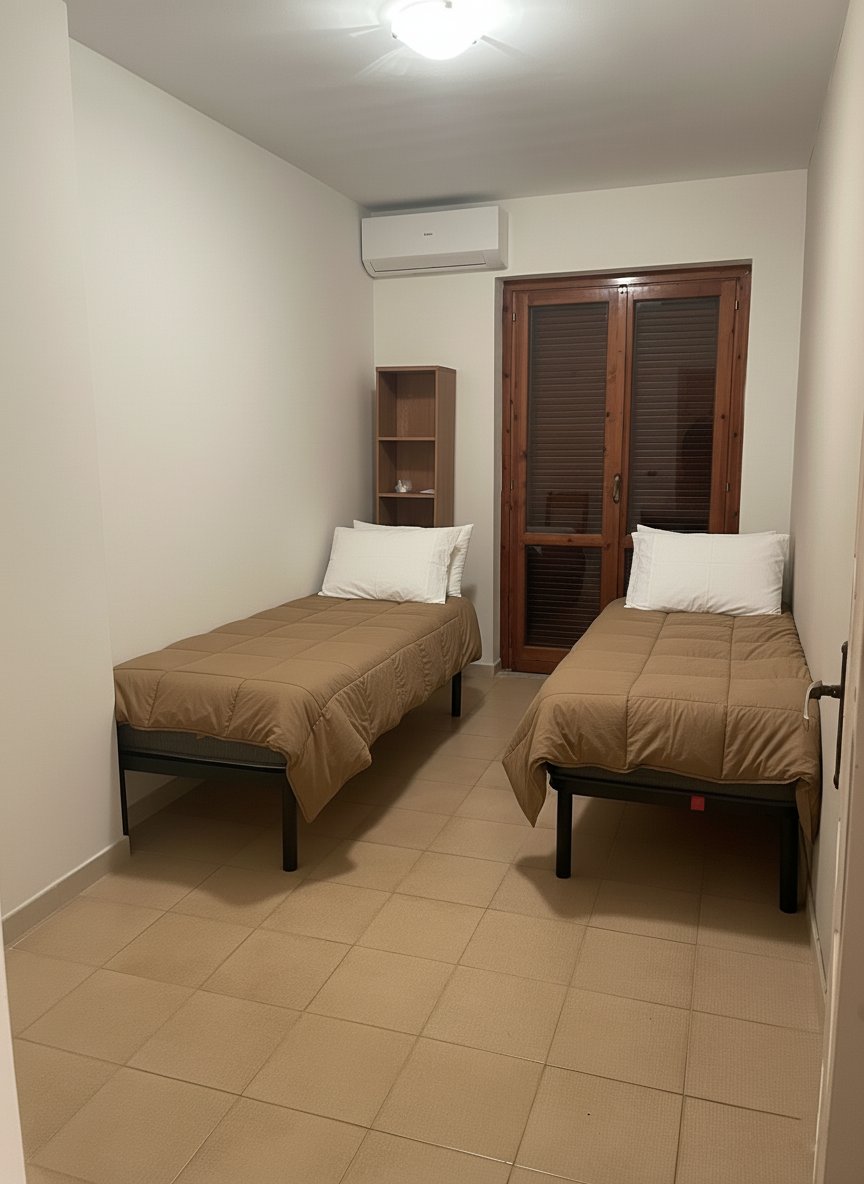
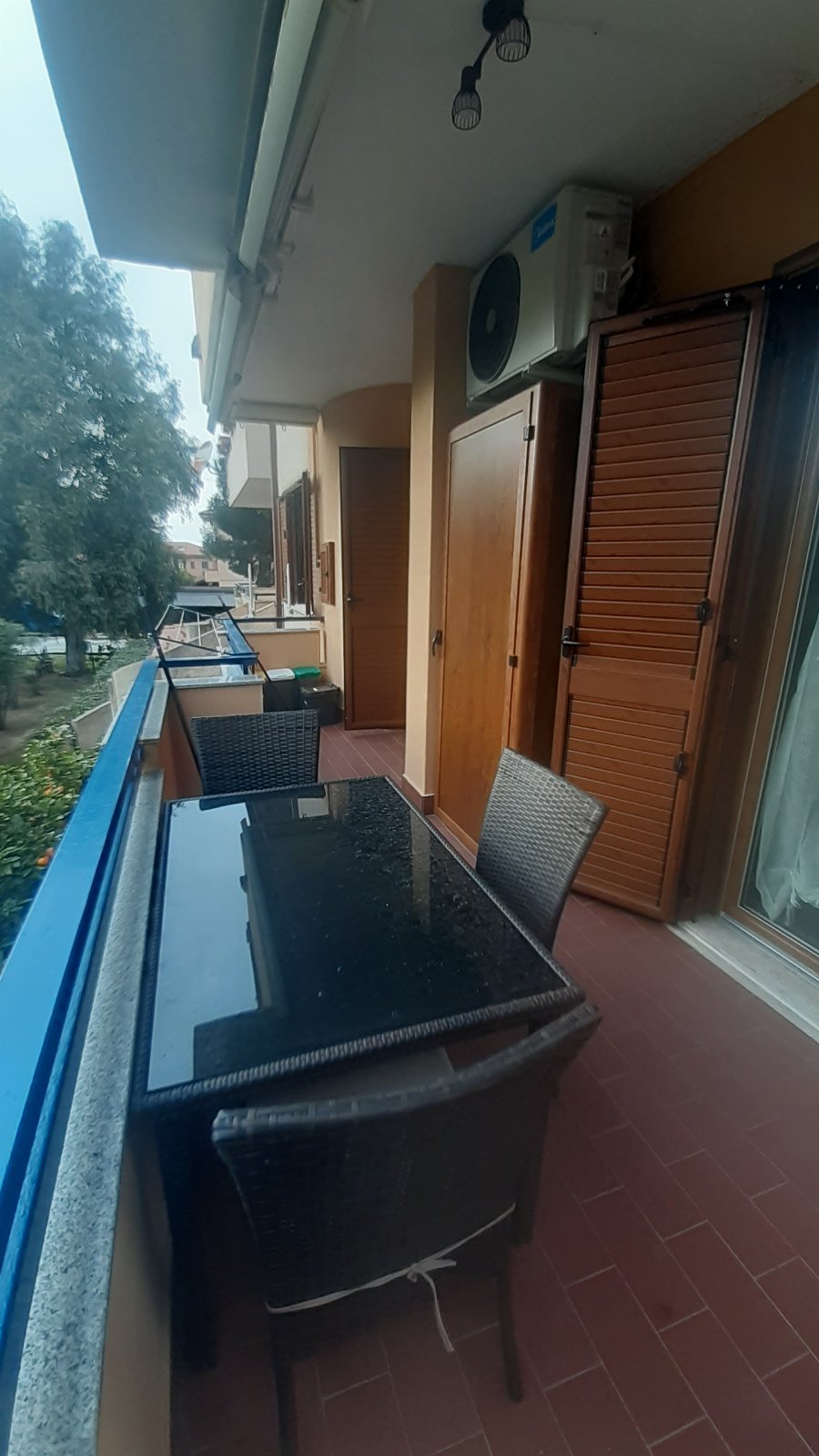
Staying here means you can easily embark on daily excursions to the surrounding medieval villages and return to a lively, welcoming atmosphere in the evening. You can enjoy incredible fresh seafood dinners, stroll along the romantic marina, and relax in premium accommodations in Pizzo that cater perfectly to the needs of international travelers looking for both comfort and authenticity.
Finding the perfect place to rest after a long day of historical exploration is easy and stress-free. In Pizzo there are 4 selected accommodations available. Discover accommodations in Pizzo to secure your ideal home away from home and start planning your unforgettable Calabrian adventure today.