Discovering the Hidden Gems: Borghi near Paola, Calabria
Calabria is a region of profound contrasts, where the crystalline waters of the Tyrrhenian Sea meet rugged, sun-drenched mountains. While many tourists flock to the beaches, the true soul of this land lies in its medieval villages, or borghi, perched high above the coastline. If you are looking to explore the authentic heritage of Southern Italy, the area surrounding the historic town of Paola serves as the perfect gateway to a world of stone alleys, ancient legends, and breathtaking vistas.
Exploring the borghi near Paola, Calabria, offers a journey through time. From the Byzantine influence to the architectural legacies of the Normans and the Aragonese, these hilltop settlements are living museums. Whether you are an avid history buff, a photography enthusiast, or simply a traveler seeking the slow-paced rhythm of Italian village life, this guide will help you navigate the most enchanting spots within a short driving distance from the coast.
I borghi medievali da non perdere near Paola, Calabria
The first stop on your cultural itinerary should undoubtedly be San Lucido. Located just 10 minutes south of Paola, this charming village sits on a cliff overlooking the sea. Its historical center is a labyrinth of narrow stairways and arches. You must visit the ruins of the ancient castle, which provide a spectacular vantage point for sunset photography, and wander through the "Vicoletti," where the traditional lifestyle of the locals remains unchanged by time.
Heading inland toward the mountains, you will encounter Fiumefreddo Bruzio, often cited as one of the most beautiful villages in Italy. Perched on a rocky spur, this borgo is famous for its artistic soul. The ruins of the Castle of Valle are a highlight, but the real magic lies in the murals painted by the artist Salvatore Fiume, which decorate the walls of the historical center. It is located approximately 25 minutes from Paola and offers a serene atmosphere that feels miles away from the modern world.
Further north, you will find Belvedere Marittimo, a town that perfectly balances its medieval roots with coastal beauty. The Aragonese Castle, which dominates the old town, is a stunning example of military architecture. The village is known for its production of "cedro" (citron), a fruit deeply tied to local religious traditions. Wandering through its steep, paved streets, you will find hidden gardens and churches that date back centuries, all within a 30-minute drive from your base in Paola.
Finally, consider a trip to Aieta, nestled deep within the Pollino National Park area. While a bit further away—about an hour's drive—it is well worth the journey. This village is a masterpiece of Renaissance architecture, with its impressive Palazzo Rinascimentale and intricate stone portals. The mountain air here is crisp, and the surrounding landscape is a paradise for nature lovers, making it an ideal day trip for those who want to see the wilder side of the region.
Arte e architettura dei borghi calabresi
The architectural landscape of these villages is a testament to the complex history of Southern Italy. Many of the churches found within these borghi display a unique blend of Norman-Byzantine styles. You will often see simple, austere facades that hide interior treasures, such as ornate Baroque altars, carved wooden pulpits, and precious relics of local saints. These churches were not just places of worship but served as fortresses and community hubs during times of pirate raids and invasions.
Beyond the religious buildings, the civil architecture is equally captivating. The stone portals, known as portali in pietra, are a hallmark of Calabrian craftsmanship. Local stonemasons spent generations perfecting the art of carving these doorways, often embedding the family crest or the date of construction into the lintels. As you walk through the squares, or piazze, you will notice the central role of these spaces as the "living room" of the town, where the community gathers to exchange news and enjoy the shade.
Artisanship remains a vital part of the local economy and culture. In many of these villages, you can still find workshops where traditional weaving, wood carving, and pottery are practiced. The preservation of these crafts is a source of great pride for the residents. When visiting, take the time to step into a local studio; you might find a master craftsman shaping terracotta or weaving intricate patterns that have been passed down through centuries, offering a tangible piece of history to take home.
Itinerario in un giorno
To make the most of your day, start your morning early in Paola. Begin with a hearty breakfast at a local cafe to fuel your journey. Since you are staying at a base in Paola, you can easily reach Fiumefreddo Bruzio by 10:00 AM. Spend your morning wandering the mural-filled alleys and visiting the ruins of the castle. The light in the morning is perfect for capturing the contrast between the stone architecture and the lush green mountains behind.
For lunch, avoid the tourist traps and look for a small trattoria in the heart of the village. Ask for local specialties such as pasta e fagioli, salsiccia calabrese, or fresh vegetables grown in the local gardens. The cuisine here is simple, rustic, and incredibly flavorful. After lunch, take a leisurely drive toward San Lucido for a digestive stroll along the cliffside paths, enjoying the sea breeze as the afternoon sun begins to mellow.
Conclude your day back in Paola. Before dinner, take a walk to the Sanctuary of San Francesco di Paola, a monumental site that anchors the town’s history. It is a place of peace and spiritual reflection, offering a perfect end to a day spent exploring the cultural depth of the region. If you need help planning your stay, you can always find the best accommodation in Paola to ensure you have a comfortable retreat after your daily adventures.
Sagre ed eventi nei borghi
The calendar in these villages is marked by vibrant festivals and sagre, which are essentially food-themed street parties. If you visit in the summer or autumn, you are likely to stumble upon a celebration dedicated to a specific local product, such as wild mushrooms, local wine, or chestnuts. These events are the best way to experience the genuine warmth of the Calabrian people, as they often involve communal tables, live folk music, and traditional dancing.
Rievocazioni medievali (medieval reenactments) are another highlight. Many villages host events where the streets are filled with people in historical costumes, knights, and jesters, bringing the history of the castle and the feudal era to life. These events are not just for tourists; they are deeply felt celebrations of local identity. Check the local municipal websites before your trip, as dates can change, but attending one of these events will undoubtedly be a memory you will cherish forever.
Religious processions are also a fundamental part of the village experience. Feast days of patron saints are celebrated with great pomp, involving elaborate statues carried through the streets, accompanied by brass bands and fireworks. These traditions have survived for centuries and provide a fascinating window into the religious devotion and social cohesion that define the smaller communities of the region.
Come muoversi tra i borghi
Having your own vehicle is essential when exploring the borghi near Paola, Calabria. While public transport exists, it is often infrequent and does not easily reach the more remote hilltop villages. Renting a car at the nearest airport—Lamezia Terme—is highly recommended. Driving through these winding, panoramic roads is an adventure in itself, offering sweeping views of the coastline and the dense forests of the Apennine range.
Be prepared for narrow, winding roads as you head inland. The Italian driving style can be assertive, so stay focused and take your time. Parking is usually available on the outskirts of the historical centers, as cars are often prohibited within the narrowest alleys. Walking is the only way to truly explore these borghi, so bring comfortable shoes and be prepared for some steep climbs—the views from the top are always worth the effort.
If you prefer not to drive, consider hiring a private driver for a day or joining an organized small-group tour. This allows you to relax and enjoy the scenery without worrying about navigation or parking. Regardless of your choice, make sure your starting point is centrally located, such as choosing your accommodation in Paola to minimize travel time and maximize your exploration hours.
Base ideale per esplorare: dormire a Paola
Paola is the strategic heart of the Upper Tyrrhenian coast. Its location allows for easy access both to the sea and the mountain villages, making it the most convenient choice for travelers who want to see as much as possible without constantly changing hotels. The town itself offers a mix of history, religious significance, and local amenities that make for a very comfortable stay.
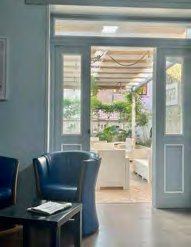
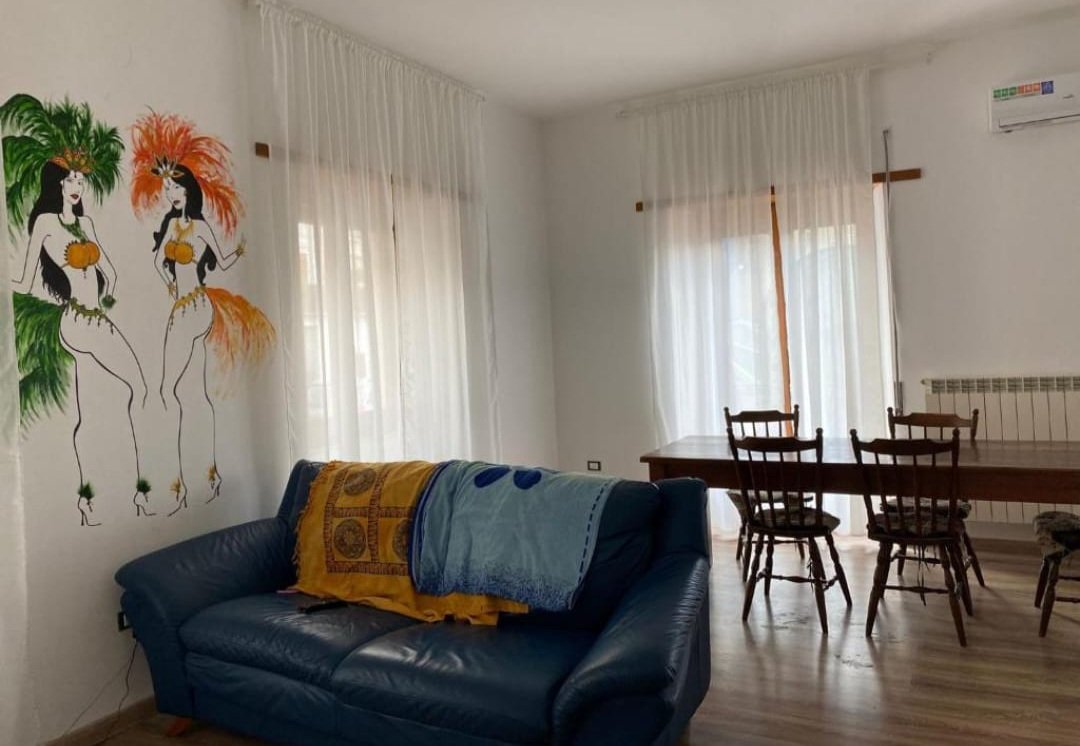
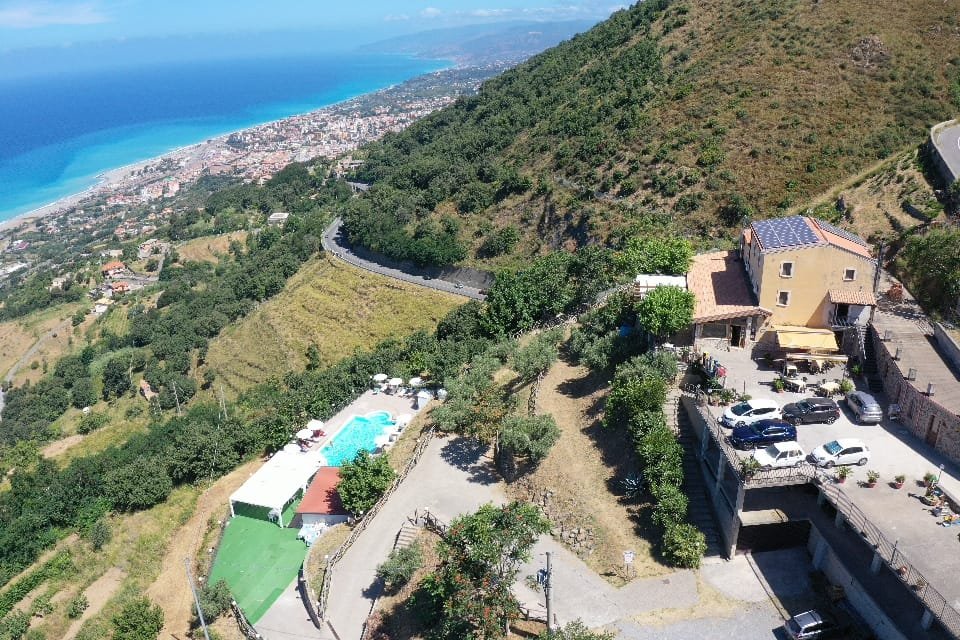
A Paola sono disponibili 1 alloggi selezionati. Scopri gli alloggi a Paola. By basing yourself here, you have the advantage of being close to the train station and major road connections, while still enjoying a town that is not overwhelmed by mass tourism. It is a place where you can experience the authentic daily life of Calabria, from the morning market bustle to the quiet evenings spent in a local piazza.