Discovering the Hidden Gems: A Guide to the Historic Borghi near Palizzi Marina, Calabria
Calabria is a land of profound contrasts, where the sparkling Ionian Sea meets the rugged, ancient peaks of the Aspromonte National Park. While many travelers flock to the famous coastal resorts, the true soul of this region lies in its perched medieval villages—the "borghi." If you are staying in Palizzi Marina, you are perfectly positioned to explore a landscape where time seems to have stood still. These hilltop sanctuaries offer a journey through centuries of Greek, Roman, Byzantine, and Norman influences, all wrapped in the warm hospitality of the Calabrian people.
Exploring the hinterland of the Grecanic area (Bovesìa) from your base in Palizzi Marina is an experience that engages all the senses. From the scent of bergamot groves to the sight of crumbling stone fortifications overlooking the sea, these borghi are not just tourist destinations; they are living testaments to a resilient culture. In this guide, we will navigate the winding roads of the southern tip of Italy to uncover the most enchanting historic villages that make Calabria a unique destination for cultural travelers.
I borghi medievali da non perdere — Medieval villages near Palizzi Marina
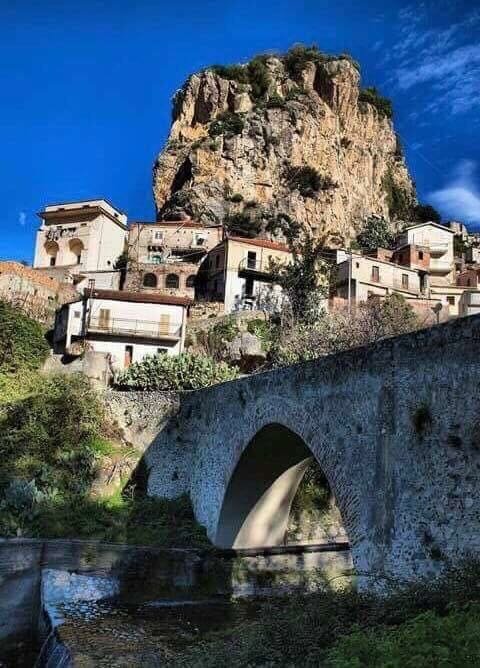
The first stop on your journey must be Palizzi Superiore. Located just a short drive up the hill from the marina, this village is a masterclass in vertical architecture. The town is dominated by the imposing ruins of the Norman-Swabian Castle, which offers a breathtaking panoramic view of the Ionian coastline. Walking through the narrow "vichi" (alleyways), you will encounter stone portals and ancient houses carved directly into the rock. It is a place of silence and history, where the local dialect still carries echoes of ancient Greek.
Moving further into the Aspromonte, Pentedattilo is perhaps the most evocative village in the entire region. Named after its resemblance to a giant hand with five fingers ("penta daktilos"), this abandoned village has been partially restored to house artists and craftsmen. The atmosphere here is hauntingly beautiful, especially during sunset when the light hits the rocky crags. It is about a 40-minute drive from your coastal base and offers a unique opportunity to witness how art can breathe life back into history.
Bova, known as the capital of the Grecanic area, is a must-visit. Perched high above the sea, it is officially recognized as one of the "Borghi più belli d'Italia" (Most Beautiful Villages in Italy). You can spend hours wandering through its historic center, visiting the Cathedral of Santa Maria dell'Isola, and exploring the Museum of the Grecanic Language. The distance from the coast is roughly 35 kilometers, making it a perfect half-day trip that combines cultural enrichment with stunning mountain vistas.
Finally, do not miss Staiti. This tiny village is famous for its proximity to the ruins of the Santa Maria di Tridetti abbey, a masterpiece of Byzantine architecture. Staiti feels like a secret kept from the rest of the world. Its quiet piazzas and the surrounding landscape of "calanchi" (badlands) create a dramatic backdrop for photography and quiet reflection. It represents the authentic, unpolished beauty of the Aspromonte hinterland, far removed from the mass tourism of larger cities.
Arte e architettura dei borghi calabresi — A legacy of stone and faith
The architecture of the borghi near Palizzi Marina is a tapestry woven from the diverse civilizations that have occupied Calabria over the millennia. The Norman influence is particularly visible in the defensive structures, such as the watchtowers and castles that dot the ridges. These stone fortresses were designed not only for protection but also to project power over the fertile coastal plains below. Many of these structures now house small museums or are open for public viewing, allowing visitors to appreciate the intricate masonry and the strategic genius of the medieval builders.
Religious architecture is the heart and soul of these villages. You will encounter numerous churches adorned with Byzantine-style icons, baroque altars, and wooden statues carved by local artisans. The Church of San Leo in Bova, for instance, is a treasure trove of religious art that reflects the deep-seated spiritual traditions of the region. The piazzas, often the only flat ground in these vertical towns, serve as the social hub. Here, you can admire the craftsmanship of local stone carvers who have maintained the tradition of decorating doorways and lintels with intricate motifs for generations.
Artisanal heritage is still very much alive in these hills. In many of these villages, you can still find weavers working on ancient looms, creating traditional fabrics, or potters crafting ceramics that echo the designs of the Magna Graecia period. This connection between the past and the present is what makes visiting these borghi so rewarding. It is not just about seeing the architecture; it is about meeting the people who keep the traditional skills alive, ensuring that the cultural identity of the area remains intact despite the pressures of the modern world.
Itinerario in un giorno — A perfect day exploring the hinterland
To make the most of your day, start early in the morning to avoid the midday heat. Begin your journey from your accommodation in Palizzi Marina and head towards Bova for a mid-morning coffee in the main square. Spend two hours exploring the village, visiting the museum and the cathedral. The morning light in Bova is spectacular for photography, and the cool mountain air provides a refreshing break from the coastal warmth.
For lunch, look for a traditional "trattoria" that serves local specialties. You must try the "strangugghi" (a type of handmade pasta) with goat ragu, a staple of the Aspromonte culinary tradition. Pair your meal with a glass of local red wine, specifically the Palizzi IGT, which is famous for its robust flavor and deep color. After a leisurely lunch, drive towards Pentedattilo. Spend your afternoon wandering the stone streets and visiting the artisan workshops that have sprung up among the ruins.
As the sun begins to set, make your way back down toward the coast. If you have time, stop at a local viewpoint along the road to watch the colors change over the Ionian Sea. By the time you return to your base in the evening, you will have experienced the perfect blend of history, culture, and gastronomy. This itinerary is designed to be relaxed, allowing you to soak in the atmosphere of each village without feeling rushed by a tight schedule.
Sagre ed eventi nei borghi — Celebrating tradition
The cultural life of these villages is best experienced during their traditional festivals, or "sagre." These events are a vibrant celebration of local food, music, and history. If you are visiting in the summer or autumn, check the local calendars for food festivals dedicated to products like bergamot, chestnuts, or wild mushrooms. These events are not just about eating; they are social gatherings where local folk music—often featuring the "tamburello" (tambourine) and "organetto" (accordion)—fills the air.
Religious festivals, or "feste patronali," are also highly significant. Each village celebrates its patron saint with elaborate processions, fireworks, and communal dinners. These events are deeply moving and offer a rare glimpse into the authentic religious fervor of the Calabrian people. If you happen to be in the area during a patronal feast, you will be welcomed with open arms to share in the celebrations, which often last late into the night.
Additionally, some villages host medieval reenactments that transport you back in time. With actors in period costumes, sword fighting displays, and historical markets, these events are particularly popular with families and history enthusiasts. They provide an educational and entertaining way to learn about the complex history of the region, from the Byzantine era to the Spanish influence. Always ask your hosts at your accommodation for the latest updates on local events, as these can vary from year to year.
Come muoversi tra i borghi — Tips for your journey
The most effective way to explore the borghi surrounding Palizzi Marina is by car. While there are some public bus services, they are often infrequent and do not reach the smaller, more remote villages easily. Having your own vehicle gives you the freedom to stop whenever you see a beautiful viewpoint or a hidden trail. The roads in the Aspromonte are winding and narrow, so it is recommended to drive with caution and patience, especially in the mountain sections.
If you are planning to rent a car, choose a compact model, as navigating the narrow streets of the medieval centers can be challenging. Many of these villages have restricted traffic zones (ZTL) at their entrances, so be prepared to park your car in designated areas outside the historic core and continue your visit on foot. Walking is actually the best way to experience these villages, as it allows you to discover the hidden details that you would miss from behind the wheel.
The drive itself is part of the adventure. The roads offer panoramic views of the coastline, the deep valleys of the Aspromonte, and the rugged peaks that define the Calabrian interior. Make sure to check your fuel levels before heading into the mountains, as gas stations are scarce in the smaller villages. Most of all, enjoy the journey—the slow pace of travel is exactly what makes a holiday in this corner of Italy so restorative and unique.
Base ideale per esplorare: dormire a Palizzi Marina
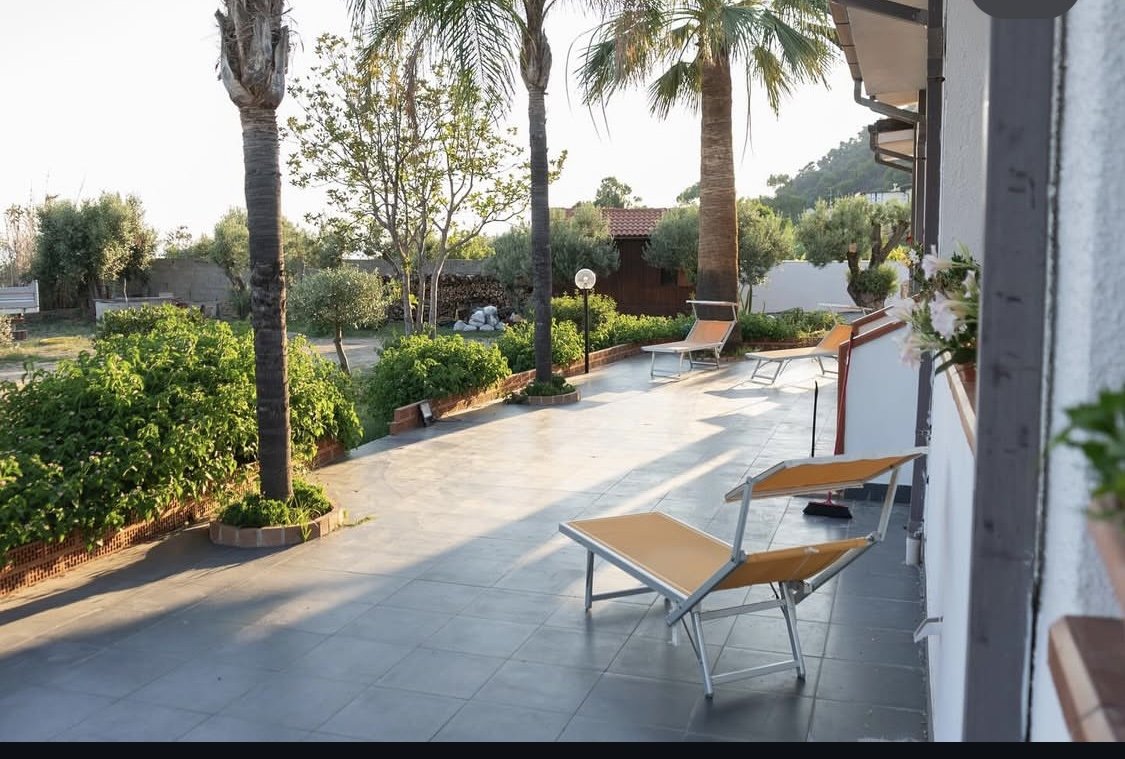
Choosing the right base for your Calabrian adventure is key to a stress-free holiday. By staying in a coastal location, you enjoy the best of both worlds: the refreshing sea breeze and the proximity to the historic mountains. A comfortable and well-located accommodation allows you to plan your daily excursions into the hinterland while returning to the comfort of the beach each evening. A Palizzi Marina sono disponibili 1 alloggi selezionati. Scopri gli alloggi a Palizzi Marina.