A Journey Through Time: Exploring the Best Borghi Locri Calabria Has to Offer
The Must-See Medieval Villages Near Locri
Start your journey with Gerace. Located just a short 10-kilometer drive from Locri, Gerace is widely considered one of the most beautiful medieval villages in all of Italy. Perched on a dramatic sandstone rock, it offers sweeping, panoramic views of the sparkling Ionian Sea. Historically known as the "City of a Hundred Churches," Gerace retains a deeply authentic medieval atmosphere. Visitors must explore the magnificent Norman Cathedral, the largest religious building in Calabria, and wander through the winding cobblestone streets leading up to the ruins of the majestic Norman Castle.
Next on the list is Stilo, situated about 40 kilometers north of Locri. Clinging to the rugged slopes of Mount Consolino, Stilo is an absolute jewel of Byzantine history. It is world-renowned for the Cattolica di Stilo, a tiny, perfectly preserved 9th-century church that stands as a stunning testament to the region's ancient Greek-Orthodox past. Beyond the Cattolica, Stilo boasts a rich intellectual history as the birthplace of the famous philosopher Tommaso Campanella, whose enduring legacy can be felt throughout the town's ancient libraries and monuments.
Do not miss Mammola and Caulonia, two distinct but equally fascinating destinations. Mammola, located roughly 15 kilometers inland from Locri, is an absolute paradise for food lovers and contemporary art enthusiasts alike. It is famous for its traditional preparation of stockfish and the incredible MuSaBa, an open-air modern art museum built around the ruins of an ancient monastery. Caulonia, about 25 kilometers away, features an intricate maze of narrow alleys, stunning aristocratic palaces, and hidden Byzantine frescoes that transport visitors straight back to the Middle Ages.
Art and Architecture of the Calabrian Villages
The architectural landscape of the villages surrounding Locri is a fascinating tapestry woven from centuries of diverse conquests and cultural influences. The most prominent architectural styles you will encounter are Byzantine and Norman. The Byzantines left behind intimate, cross-in-square churches adorned with intricate brickwork and beautiful, albeit fading, frescoes. The Normans, on the other hand, imposed their power through monumental stone structures. The imposing cathedrals, with their robust columns and austere facades, reflect the sheer strength of the Norman kingdom that once ruled southern Italy.
Beyond religious buildings, the military architecture of these hilltop towns is truly awe-inspiring. Almost every village features the remnants of a fortified castle or massive defensive walls. These structures were not merely symbolic; they were absolutely essential for protecting the local populations from relentless Saracen pirate raids along the Ionian coast. Today, the ruins of these fortresses, such as the castle in Gerace or the Norman watchtower in Stilo, serve as dramatic viewpoints where history enthusiasts can trace ancient defensive perimeters while enjoying breathtaking vistas.
The artistic heritage of these villages extends into their historic squares and enduring local craftsmanship. The piazzas, often framed by elegant Baroque or Renaissance palazzi, remain the beating heart of community life. Inside the small workshops tucked away in the shaded alleys, artisans continue age-old traditions. You will find exquisite handmade ceramics, delicate lacework, and intricate wrought-iron creations. Staying close to these cultural hubs is highly recommended, and you can easily do so by booking comfortable accommodations in Locri, which serves as the perfect gateway to these artistic treasures.
A Perfect One-Day Itinerary
If you only have one day to explore the hinterland, a well-planned itinerary is essential to maximize your experience without feeling rushed. Begin your morning early by driving from the coast up the winding road to Gerace. Arriving around 9:00 AM allows you to beat the intense summer heat and the larger tour groups. Spend your morning marveling at the Cathedral, exploring the Diocesan Museum, and sipping a rich espresso in Piazza del Tocco. The morning light hitting the ancient stone buildings provides the perfect opportunity for stunning photography.
For lunch, take a scenic drive toward Mammola, timing your arrival for around 1:00 PM. This village is the undisputed culinary capital of the area, specifically renowned for Stocco alla Mammolese—a hearty, flavorful dish made from dried cod imported from Norway, slow-cooked with local tomatoes, potatoes, olives, and a hint of fiery Calabrian chili pepper. Enjoying a long, relaxed lunch in a traditional local osteria is not just a meal; it is a profound cultural experience that connects you with the authentic flavors of the Aspromonte mountains.
In the late afternoon, make your way north to Stilo. The goal is to reach the Cattolica di Stilo just before sunset. As the sun dips lower in the sky, the red bricks of the Byzantine church glow brilliantly against the rugged mountain backdrop, creating a truly magical and serene atmosphere. After soaking in the views and exploring the historic center of Stilo, you can enjoy a quiet evening passeggiata (stroll) before heading back down the mountain to the coast for a restful night.
Festivals and Events in the Borghi
The historical villages near Locri are not just silent open-air museums; they are vibrant, living communities that celebrate their heritage through numerous festivals and events throughout the year. The summer months are particularly lively. One of the most famous events is the Kaulonia Tarantella Festival, held every August in the main square of Caulonia. This multi-day music festival attracts thousands of visitors and celebrates traditional Calabrian folk music, featuring passionate tarantella dancing that lasts well into the early hours of the morning.
Food festivals, locally known as sagre, are another fantastic way to experience local culture. Almost every village hosts its own sagra dedicated to a specific regional product. Mammola's Sagra dello Stocco, held in August, transforms the entire village into a massive outdoor dining room with live music, local wine, and endless servings of their famous fish dish. Similarly, the autumn months bring festivals dedicated to wild mushrooms, roasted chestnuts, and the new wine, offering a cozy, authentic glimpse into the agricultural rhythms of the Calabrian mountains.
Religious and historical reenactments also play a crucial role in the cultural calendar. During Holy Week, villages like Gerace and Caulonia host deeply moving processions featuring ancient wooden statues, traditional chants, and hooded confraternities. In the summer, you might also stumble upon medieval reenactments, where locals dress in elaborate period costumes, and the streets are filled with flag-throwers, archers, and traditional craft markets, allowing visitors to step back in time and experience the medieval glory of these ancient settlements.
How to Get Around the Villages
To truly appreciate the beauty and isolation of the Calabrian hinterland, renting a car is absolutely essential. While there are some local buses that connect the coastal towns to the inland villages, the schedules are often infrequent and not tailored to the dynamic needs of tourists. Having your own vehicle gives you the ultimate freedom to explore at your own pace, stop at spontaneous panoramic viewpoints, and visit multiple villages in a single day without worrying about missing the last bus down the mountain.
Driving in this region is a thrilling adventure in itself. The roads leading up to the borghi are incredibly scenic, characterized by steep inclines, tight hairpin turns, and dramatic drop-offs overlooking the valleys. The State Road 106 (SS106) runs along the Ionian coast, acting as the main artery from which smaller, winding provincial roads branch off toward the mountains. Drivers should be prepared for narrow streets, especially when entering the villages themselves, where it is usually best to park in designated areas just outside the historic centers and proceed on foot.
If you are flying into Calabria, you can easily rent a car at the Lamezia Terme or Reggio Calabria airports. It is highly advisable to book a smaller, compact car, which will make navigating the tight medieval alleys and finding parking much easier. Having a reliable vehicle also means you can easily travel back and forth from your coastal base. Ensure you have a great place to park and rest your head by booking one of the many excellent places to stay in Locri.
The Ideal Base for Exploring: Sleeping in Locri
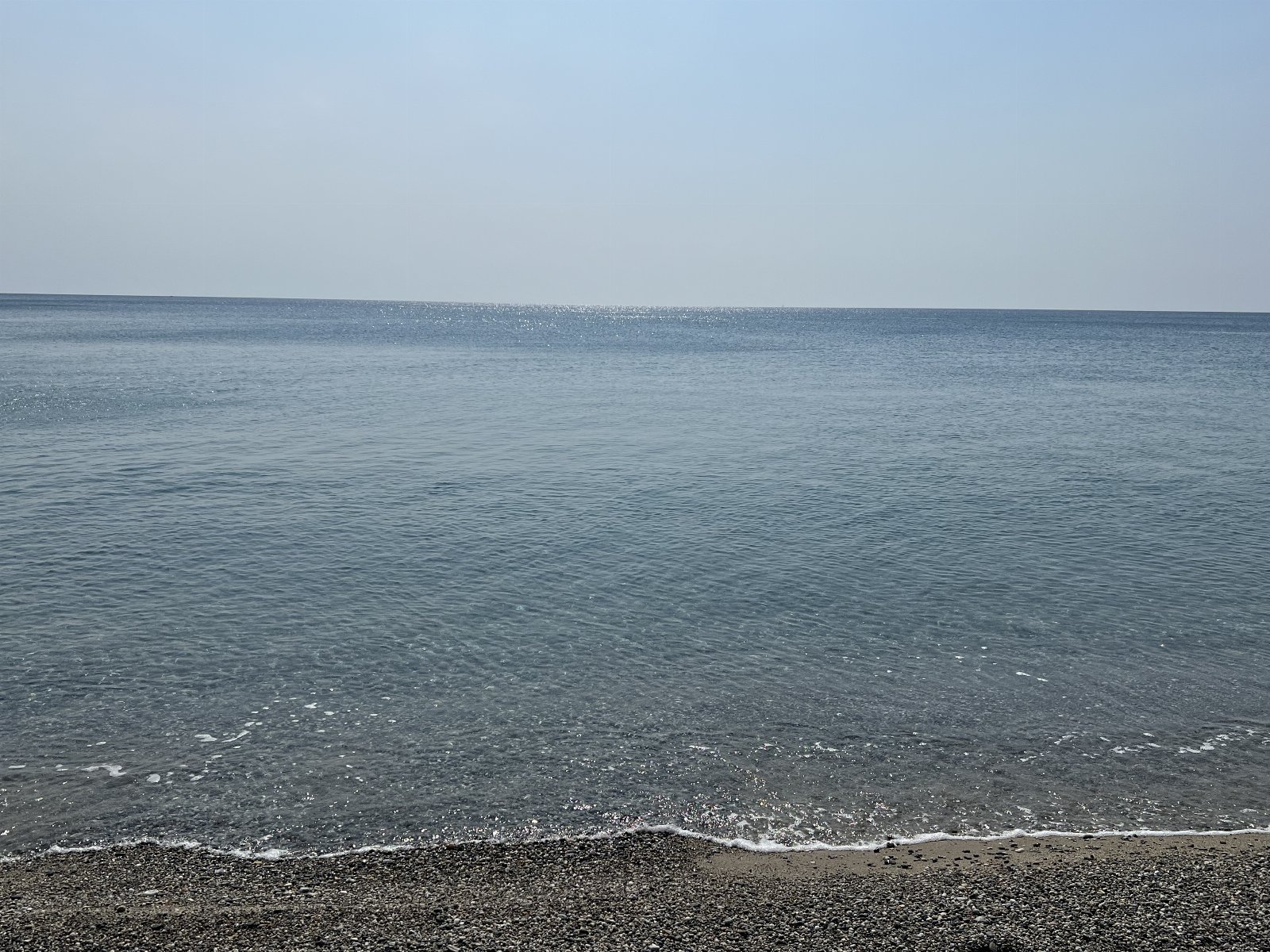
When planning a trip to explore these magnificent historical villages, choosing the right base camp is crucial. Locri is undeniably the perfect starting point. Situated right on the sparkling Ionian coast, it offers the ideal balance between relaxing beach holidays and cultural mountain excursions. By staying in Locri, you can spend your mornings hiking through medieval alleys and your afternoons swimming in the crystal-clear waters of the sea, enjoying the absolute best of both worlds without spending hours in transit.
Furthermore, Locri provides all the modern amenities a traveler could need, including excellent seafood restaurants, artisan gelaterias, well-stocked supermarkets, and a lively evening promenade. After a long day of driving through the Aspromonte mountains and walking up steep cobblestone paths, returning to a comfortable, welcoming environment is exactly what you need to recharge for the next day's adventures. The town's strategic position makes heading north to Stilo or south to Bova incredibly fast and convenient.
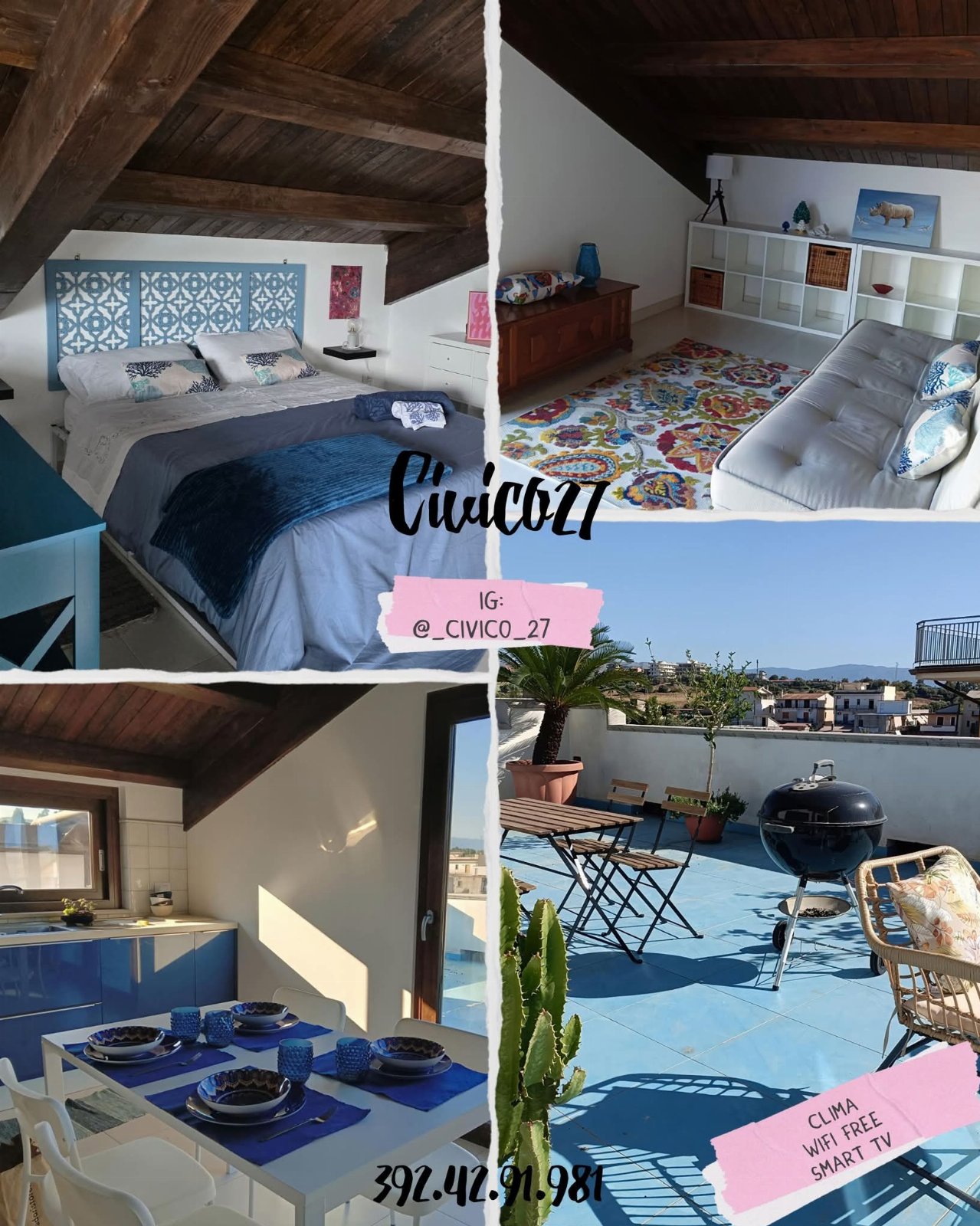
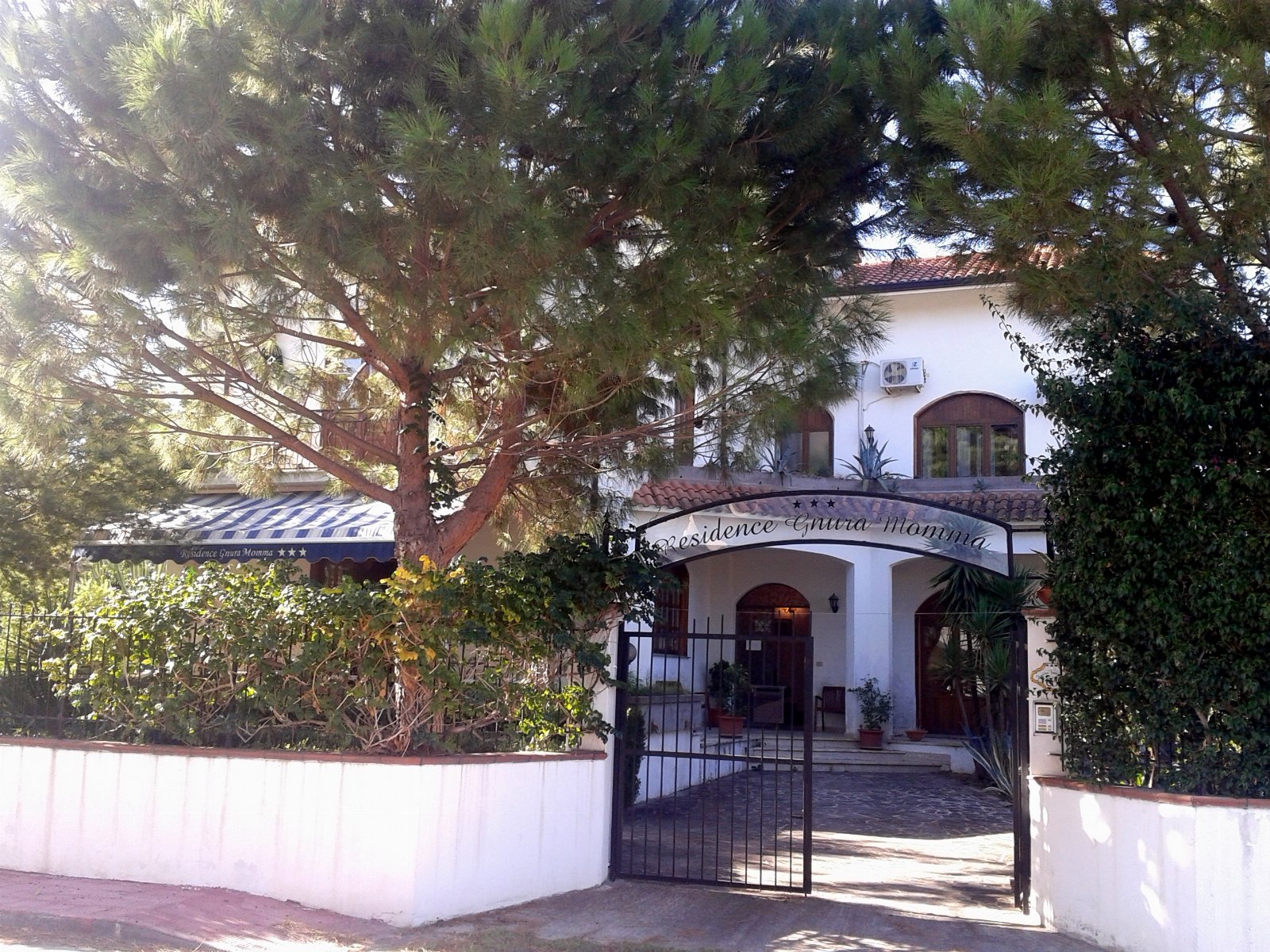
Finding the right accommodation will elevate your entire Calabrian experience. Whether you are looking for a cozy bed and breakfast, a modern apartment with sea views, or a quiet room in the center, you will find options that suit your travel style perfectly. In Locri, there are 1 selected accommodations available. Discover the accommodations in Locri and start planning your unforgettable journey into the heart of Calabria's medieval history today.