Discovering the Timeless borghi Laino Borgo Calabria
Nestled within the breathtaking landscapes of the Pollino National Park, the area surrounding Laino Borgo is a treasure trove of history, culture, and untouched beauty. For travelers seeking an authentic Italian experience away from the crowded tourist hotspots, exploring the historical villages—or borghi—of this region offers a journey back in time. The borghi Laino Borgo Calabria are characterized by their winding cobblestone streets, ancient stone houses, and panoramic views that stretch across deep river valleys and towering mountain peaks.
Calabria is a land of profound contrasts and deep historical roots, and its northern frontier is no exception. Serving as the perfect gateway to this enchanting region, Laino Borgo is surrounded by a constellation of medieval settlements that have stood the test of time. Whether you are an architecture enthusiast, a history buff, or simply a traveler looking to soak in the slow-paced Italian lifestyle, these hidden gems provide an unforgettable cultural immersion.
This comprehensive guide will take you through the most captivating historical villages near Laino Borgo. From ghost towns frozen in time to vibrant communities celebrating centuries-old traditions, you will discover the art, architecture, flavors, and festivals that make this corner of southern Italy truly magical. Prepare to embark on a mesmerizing journey through the heart of Calabria's mountainous soul.
The Must-See Medieval Villages Near Laino Borgo
Just a stone's throw away from Laino Borgo lies the fascinating ghost town of Laino Castello. Located merely 2 kilometers away, this ancient settlement sits atop a steep rocky spur overlooking the Lao River. Abandoned in the 1980s due to seismic risks, Laino Castello has recently been the focus of careful restoration efforts. Walking through its silent, narrow alleys, visitors can admire the ruins of the medieval castle, the remnants of ancient gateways, and the hauntingly beautiful Church of San Teodoro. It is a surreal, atmospheric experience that perfectly encapsulates the rugged history of the region.
Traveling about 15 kilometers south, you will reach Mormanno, a village famous for its crisp mountain air and rich culinary heritage. Mormanno is a quintessential Calabrian mountain town, characterized by its elegant noble palaces and the imposing Faro Votivo, a monument dedicated to the fallen soldiers of the region. The crown jewel of the village is the Cathedral of Santa Maria del Colle, perched at the highest point of the town. With its stunning Baroque facade and richly decorated interior, Mormanno offers a perfect blend of spiritual history and welcoming local culture.
Further south, approximately 30 kilometers from Laino Borgo, lies Morano Calabro, widely considered one of the most beautiful villages in Italy. Often described as a "nativity scene carved into the mountain," the houses of Morano cascade down a conical hill, tightly packed together in a mesmerizing architectural display. At the very top sits the Norman-Swabian Castle, offering sweeping views of the Pollino massif. Visitors must also explore the Church of San Bernardino of Siena, a masterpiece of late-Gothic architecture featuring a stunning wooden polyptych by Bartolomeo Vivarini. To the west, about 20 kilometers away, the village of Papasidero awaits, famous for the Romito Cave with its prehistoric engravings and the breathtaking Sanctuary of Santa Maria di Costantinopoli, built directly into a rocky gorge.
Art and Architecture of Calabrian Villages
The architectural landscape of the villages surrounding Laino Borgo is a testament to the diverse civilizations that have conquered and settled in Calabria over the millennia. The most prominent structural features are the imposing Norman and Swabian castles that crown almost every significant hilltop in the region. These fortresses, such as the one found in Morano Calabro, were built for strategic defense, utilizing the rugged terrain to their advantage. Today, their weathered stone walls and ruined towers provide a dramatic backdrop against the lush green mountains, offering a glimpse into a turbulent, medieval past.
Religious architecture in these borghi is equally captivating, showcasing a fascinating transition from Byzantine influences to opulent Southern Italian Baroque. Many of the older, smaller chapels hidden in the valleys retain traces of Byzantine frescoes, painted by Greek-Orthodox monks who sought refuge in the Pollino mountains centuries ago. In contrast, the main town squares are often dominated by grand Baroque churches. These structures feature intricately carved stone portals, soaring bell towers, and interiors adorned with gilded stucco, wooden statues, and magnificent altarpieces crafted by local and Neapolitan masters.
Beyond the grand castles and churches, the true artistic soul of these villages lies in their vernacular architecture and traditional craftsmanship. The historical centers are labyrinths of narrow alleys, steep staircases, and hidden piazzas designed to protect inhabitants from both harsh winters and historical invaders. Wrought iron balconies, intricately carved wooden doors, and stone archways are ubiquitous. The local artisans continue to preserve ancient techniques, particularly in woodworking, ceramics, and textile weaving. Exploring these villages allows you to witness a living museum where the art of the past is still very much part of daily life.
A Perfect One-Day Itinerary
To truly appreciate the magic of the region, organizing a well-paced daily itinerary is essential. Start your morning early with a short trip to the ghost town of Laino Castello. The morning light filtering through the abandoned ruins creates a spectacular atmosphere for photography. Spend an hour wandering through the silent streets before driving toward Mormanno. Here, you can enjoy a mid-morning espresso in the main square, visit the Cathedral of Santa Maria del Colle, and take a leisurely stroll to the Faro Votivo to take in the panoramic views of the surrounding valleys.
By midday, your appetite will be ready for a traditional Calabrian lunch. The cuisine of the Pollino National Park is robust and flavorful. Seek out a local trattoria and order a plate of maccheroni al ferretto adorned with a rich pork ragù or a simple tomato and basil sauce. You must also try the famous peperoni cruschi—sun-dried, crispy sweet peppers that are a staple of the area—alongside the local Poverello white beans and a platter of cured meats like capocollo and soppressata. Pair your meal with a robust local red wine to complete the authentic culinary experience.
In the afternoon, make your way to Morano Calabro. Aim to arrive a few hours before sunset. The climb up through the labyrinthine streets to the Norman-Swabian Castle is a rewarding challenge. As the sun begins to set, the fading light turns the stone houses of Morano into a glowing, golden tapestry against the darkening mountains. After soaking in the sunset, you can enjoy a relaxed dinner in the lower part of the village before returning to your comfortable accommodation in Laino Borgo for a well-deserved rest.
Festivals and Events in the Villages
The historical villages of northern Calabria are not just static museums; they are vibrant communities that come alive during their numerous traditional festivals and events. Religious devotion plays a massive role in local culture, and the patron saint feasts are the highlight of the year. During these celebrations, the quiet cobblestone streets are transformed by colorful processions, marching bands, and spectacular fireworks displays. In Laino Borgo, the Festa of the Madonna dello Spasimo is a deeply felt event, drawing locals and visitors alike to witness the solemn yet joyous traditions that have been passed down through generations.
Historical reenactments and medieval markets are another fantastic way to experience the heritage of these borghi. Many towns host summer events where locals dress in period costumes, bringing the medieval and Renaissance history of the region back to life. These festivals often feature flag-throwers, archery competitions, and traditional music played on ancient instruments like the zampogna (a type of Italian bagpipe). Wandering through a historical market, you can purchase local handicrafts, taste ancient recipes, and feel as though you have stepped directly into the Middle Ages.
No visit to Calabria is complete without attending a sagra, a local food festival dedicated to a specific regional product. Throughout the summer and autumn, the villages around Laino Borgo host numerous sagre celebrating everything from wild boar and truffles to chestnuts and the iconic peperoni cruschi. These events are characterized by long communal tables, copious amounts of local wine, and traditional folk dancing, such as the lively Tarantella. Attending a sagra is undoubtedly one of the most joyful and immersive ways to connect with the welcoming spirit of the Calabrian people.
How to Get Around the Villages
To fully experience the freedom of exploring the scattered villages of the Pollino National Park, renting a car is highly recommended. While public transportation exists in the form of regional buses, the schedules can be infrequent and may not reach the more isolated, panoramic spots. Having your own vehicle allows you to travel at your own pace, stop for impromptu photo opportunities, and easily navigate the distances between towns like Mormanno, Morano Calabro, and Papasidero.
Driving in this part of Calabria is an experience in itself. The roads winding through the Pollino National Park are incredibly scenic, offering dramatic vistas of deep river gorges, dense beech forests, and towering limestone peaks. The route connecting Laino Borgo to Morano Calabro, for instance, is a driver's delight, full of sweeping curves and breathtaking overlooks. However, these mountain roads can be narrow and winding, so it is advisable to drive carefully, respect the local speed limits, and be mindful of occasional wildlife or local farmers moving their livestock.
If you are flying into the region, the most convenient airports are Lamezia Terme in Calabria or Naples to the north. Both airports offer extensive car rental options. Once you have your vehicle, the A2 "Autostrada del Mediterraneo" provides a smooth and direct route to the Laino Borgo exit. From there, the local provincial roads will be your gateway to adventure, making it incredibly easy to travel back to your Laino Borgo vacation rental safely after a long day of exploration.
Ideal Base for Exploring: Sleeping in Laino Borgo
When planning your cultural tour of northern Calabria, choosing the right base camp is crucial. Laino Borgo stands out as the absolute best location for your stay. Strategically situated near the highway exit yet deeply embedded in the natural beauty of the Pollino National Park, it offers the perfect balance of accessibility and tranquility. From here, you can easily reach all the major historical villages, embark on thrilling rafting excursions on the Lao River, or hike the pristine mountain trails.
Staying in Laino Borgo means waking up to the sound of nature, enjoying a slow morning coffee with views of the mountains, and experiencing the genuine hospitality of a small Calabrian town. After a long day of exploring Norman castles and Byzantine churches, returning to a welcoming and comfortable room ensures you are rested and ready for your next adventure in this spectacular region.
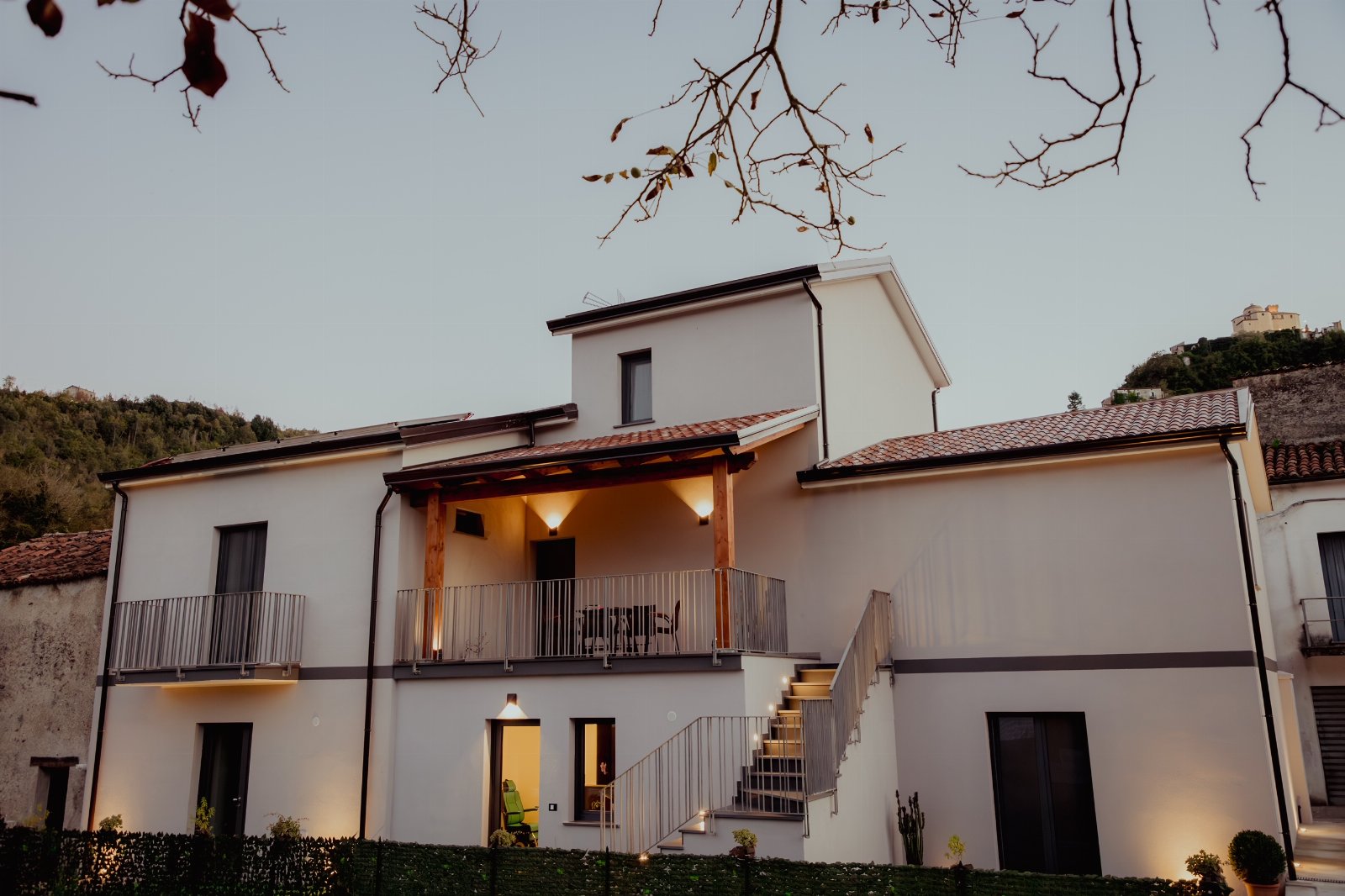
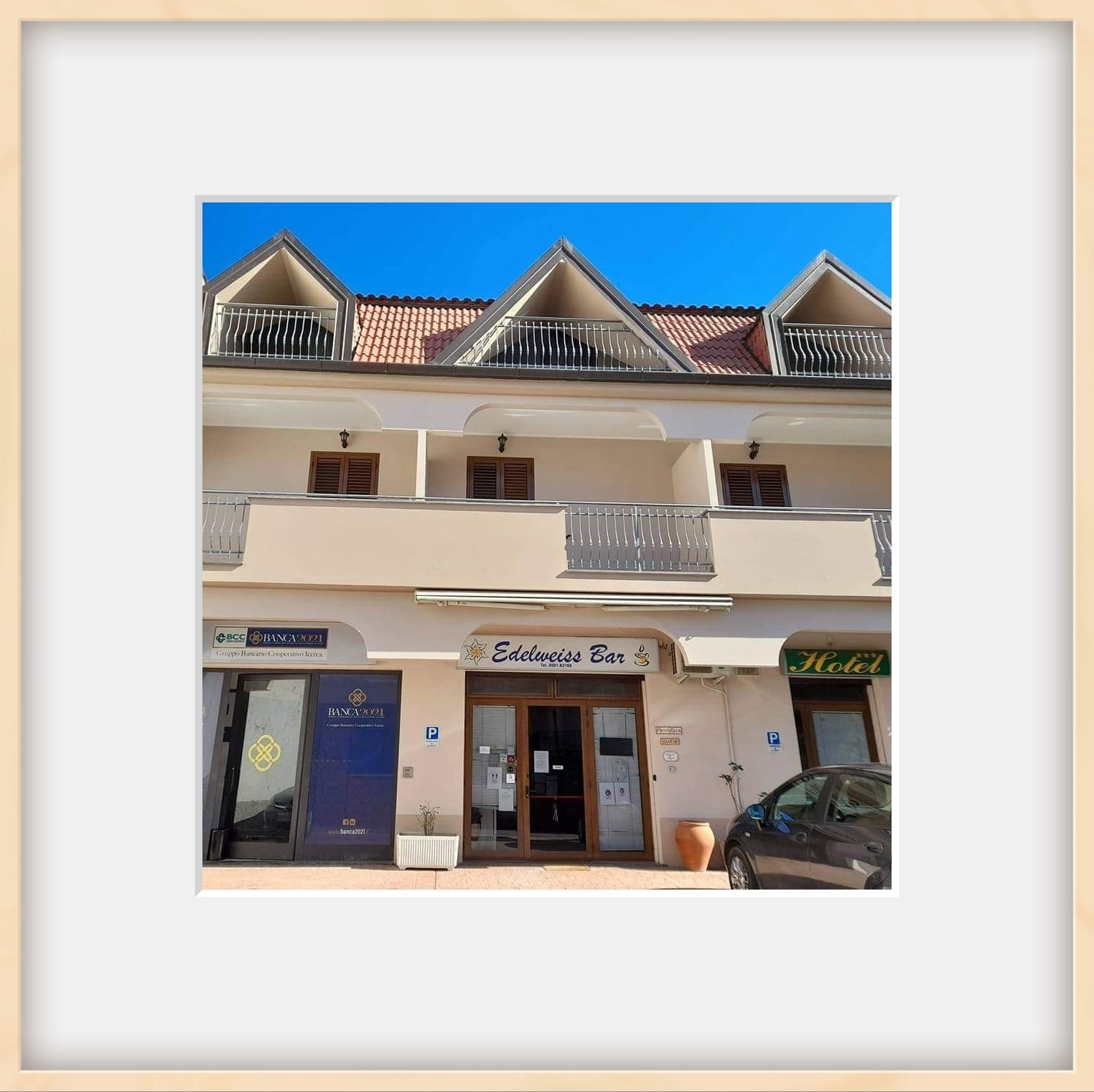
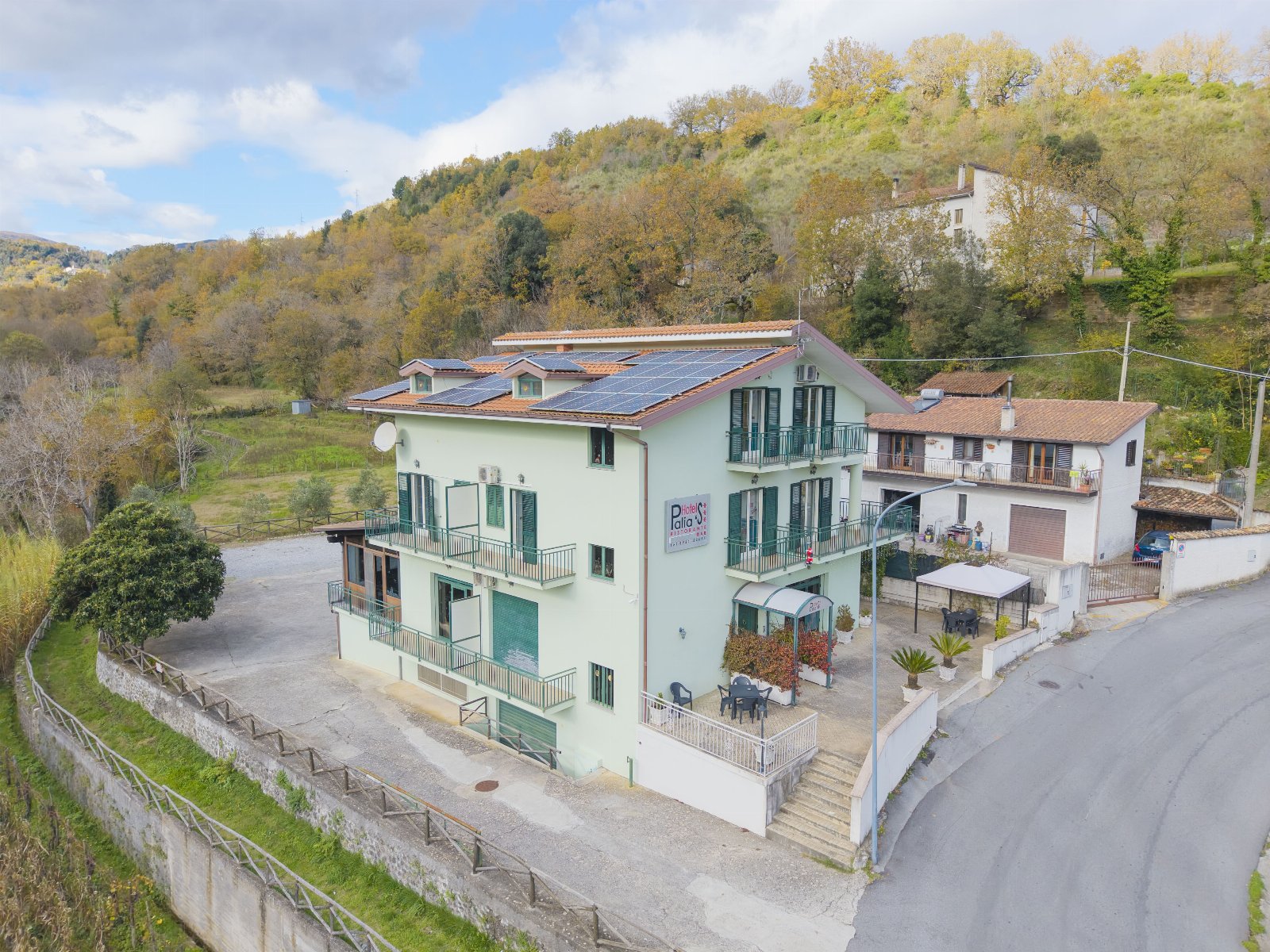
In Laino Borgo, there are 2 selected accommodations available. Discover the accommodations in Laino Borgo.