Discovering the Hidden Gems: A Guide to the Best Borghi near Diamante, Calabria
Calabria is a land of contrasts, where the sparkling turquoise waters of the Tyrrhenian Sea meet the rugged, silent peaks of the Apennines. While the coastal town of Diamante is world-famous for its colorful murals and fiery peperoncino, the true soul of this region lies in the ancient villages—the borghi—perched precariously on rocky outcrops just a few kilometers inland. These stone-carved settlements offer a window into a medieval past that has remained largely untouched by the frenetic pace of modern tourism.
Exploring the hinterland of the Riviera dei Cedri allows you to step back in time. As you leave the coastline, the air grows cooler, the scent of wild oregano replaces the salt air, and you find yourself in a labyrinth of narrow alleys, arched doorways, and secret squares. This guide will take you through the most enchanting villages surrounding Diamante, providing you with the essential knowledge to plan an unforgettable cultural journey through the heart of Southern Italy.
I borghi medievali da non perdere: A journey through time near Diamante
The first stop on your journey should undoubtedly be Belvedere Marittimo, located just 15 minutes south of Diamante. This village is dominated by a majestic Aragonese castle that looms over the town, offering panoramic views of the coastline. The historic center is a maze of steep, winding streets that lead to the ruins of the old defensive walls. Walking through its ancient gates, you can feel the weight of history in every stone, making it a perfect spot for photography enthusiasts and history buffs alike.
Heading north, you will encounter Aieta, a hidden jewel nestled within the Pollino National Park. Situated about 30 minutes from the coast, Aieta is renowned for its Renaissance architecture, which is quite rare for this part of Calabria. The Palazzo Rinascimentale is the centerpiece of the village, showcasing a level of artistic sophistication that contrasts beautifully with the wild, rugged mountains surrounding it. It is a place of profound silence and beauty, where time seems to have stopped several centuries ago.
Further inland, Orsomarso offers a dramatic setting along the banks of the Lao River. This village is famous for its "Grotte delle Ninfe" and the imposing clock tower that stands as a silent sentinel over the valley. Orsomarso is not just a destination; it is an experience of nature and architecture intertwined. The village is characterized by its stone houses that seem to emerge directly from the cliffs, creating a vertical landscape that is breathtaking to behold from the valley floor.
Finally, do not miss Santa Maria del Cedro. While it shares its name with the famous fruit that grows in this region, the old village—often referred to as the "upper town"—is a testament to the resilient spirit of the Calabrian people. It is situated roughly 10 minutes from Diamante. Here, the narrow alleys are filled with the scent of cedars, and the local history is deeply tied to the Jewish tradition of harvesting the "Etrog," a sacred citrus fruit used during the Sukkot festival. It is a place of immense cultural depth and spiritual significance.
Arte e architettura dei borghi calabresi: A legacy of stone and faith
The architecture of the Calabrian borghi is a fascinating blend of various cultural influences, ranging from Norman fortifications to Baroque religious artistry. As you walk through these villages, look for the intricate stone portals that adorn even the humblest dwellings. These portals were often carved by local artisans and served as a status symbol for the families who lived within. They reflect a pride in craftsmanship that has been passed down through generations, surviving earthquakes and social upheaval.
The churches in these villages are the true repositories of local history. Many originated as small Norman chapels before being expanded during the Baroque period. Inside, you will often find gilded wooden altars, canvas paintings from the 17th and 18th centuries, and terracotta floors worn smooth by centuries of footsteps. The campaniles (bell towers) are iconic landmarks, often designed to be visible from miles away, serving as both religious beacons and defensive watchtowers in times of pirate raids.
Beyond architecture, the art of the borghi is found in their squares—the piazze. These are the living rooms of the village, where the elderly gather to discuss politics and the youth socialize under the shade of ancient trees. The craftsmanship here is also alive in the local workshops, where you can still find artisans weaving traditional fabrics, crafting terracotta pottery, or producing intricate woodwork. Supporting these local creators is the best way to ensure that the unique cultural fabric of these villages remains vibrant for years to come.
Itinerario in un giorno: How to organize your cultural escape
To make the most of your visit, start your day early, around 8:30 AM, to beat the midday sun and the afternoon heat. Begin your morning in Aieta, enjoying a strong Italian espresso in the main square while the village slowly wakes up. Spend two hours exploring the Renaissance palace and the surrounding alleys. By 11:30 AM, drive toward Orsomarso. The road is scenic, winding through the lush green valleys of the Pollino, and offers plenty of spots to pull over for photos.
For lunch, skip the tourist traps and seek out a traditional trattoria in the heart of the village. Look for menus that feature "Lagane e Cicciari" (a traditional pasta with chickpeas) or local cheeses and cured meats like the famous "Soppressata di Calabria." Eating in a local osteria is not just about the food; it is about the hospitality. Don't be surprised if the owner stops by your table to tell you a story about the village’s history or to recommend a secret viewpoint that isn't on any map.
In the afternoon, head toward Belvedere Marittimo to catch the golden hour light hitting the castle walls. Stroll through the historic center at a leisurely pace, allowing yourself to get lost in the labyrinthine streets. As the sun begins to set, head back toward the coast. You will find that the contrast between the quiet, ancient stone walls of the mountains and the vibrant, sunset-drenched promenade of the coast provides the perfect end to a day of exploration.
Sagre ed eventi nei borghi: Celebrating local traditions
The best time to visit the borghi near Diamante is during the summer and early autumn when the villages come alive with festivals, or sagre. These events are deeply rooted in the agricultural cycle and religious calendar. Many villages host festivals dedicated to specific local products, such as the chestnut, the mushroom, or the local wine. These gatherings are characterized by long tables set up in the streets, music played on traditional instruments like the zampogna (bagpipes) or organetto, and an atmosphere of genuine community joy.
If you are lucky, your visit might coincide with a religious feast day, such as the patron saint’s festival. These are spectacular events where the entire village follows a statue of the saint in a solemn but festive procession through the streets, often accompanied by a brass band and fireworks. It is a powerful display of faith and tradition that connects the modern inhabitants to their ancestors in a way that is both moving and visually stunning.
For those interested in history, keep an eye out for medieval re-enactments. Some villages organize events where locals dress in period costumes, perform traditional dances, and demonstrate ancient crafts. These events are not just for show; they are an attempt to reclaim and celebrate the identity of the village. Participating in these festivals is the most authentic way to experience the warmth of the Calabrian people and to understand why they are so fiercely proud of their heritage.
Come muoversi tra i borghi: Navigating the Calabrian landscape
To explore the borghi effectively, renting a car is highly recommended. While there are local bus services, they are often infrequent and do not allow for the flexibility required to explore the smaller, more remote villages at your own pace. Having your own vehicle allows you to stop at the many panoramic viewpoints along the mountain roads, where the view of the sea from the heights is truly unparalleled.
The roads in this part of Calabria are generally well-maintained but can be quite winding and steep as you climb toward the Pollino mountains. Drive cautiously, respect the speed limits, and be prepared for narrow passages within the villages themselves. Most historic centers are restricted to pedestrian traffic, so plan to park your car in the designated areas just outside the village walls and continue on foot. Comfortable walking shoes are an absolute necessity, as you will be navigating cobblestone streets and many sets of stairs.
If you are uncomfortable driving on winding mountain roads, consider hiring a local private driver or joining a small group tour organized by local agencies. This allows you to relax and enjoy the scenery without the stress of navigation. Regardless of how you travel, remember that the journey is just as important as the destination. The drive itself, through olive groves and dense forests, is a core part of the Calabrian experience.
Base ideale per esplorare: dormire a Diamante
Choosing the right base is crucial for a stress-free holiday. Diamante is the perfect strategic location because it sits right on the coast, allowing you to enjoy the beach in the morning and the mountains in the afternoon. Its vibrant atmosphere, filled with restaurants, bars, and shops, ensures that your evenings are never dull. Whether you want to enjoy a glass of local wine overlooking the sea or take a sunset walk among the famous murals, the town provides everything you need.
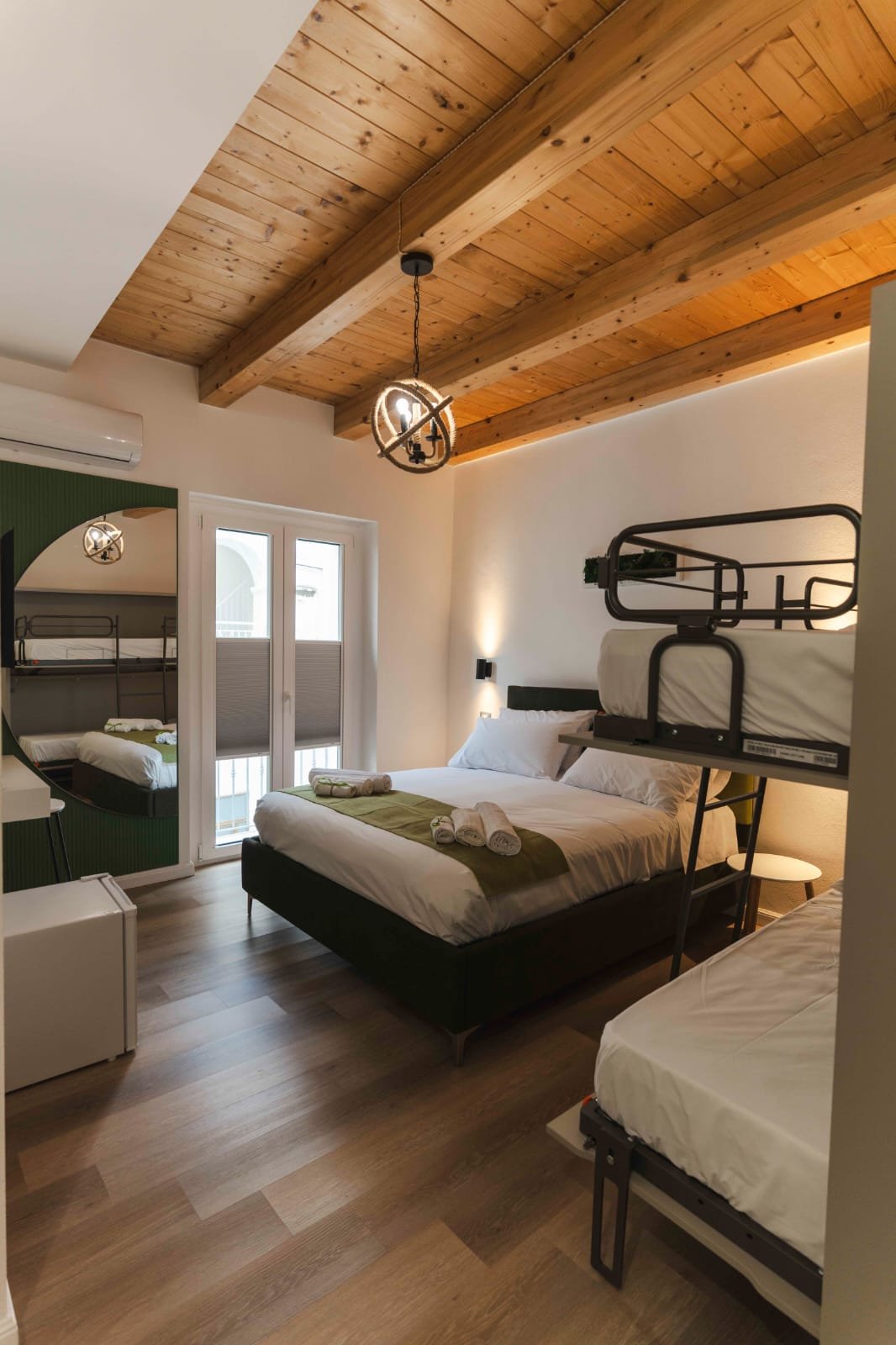
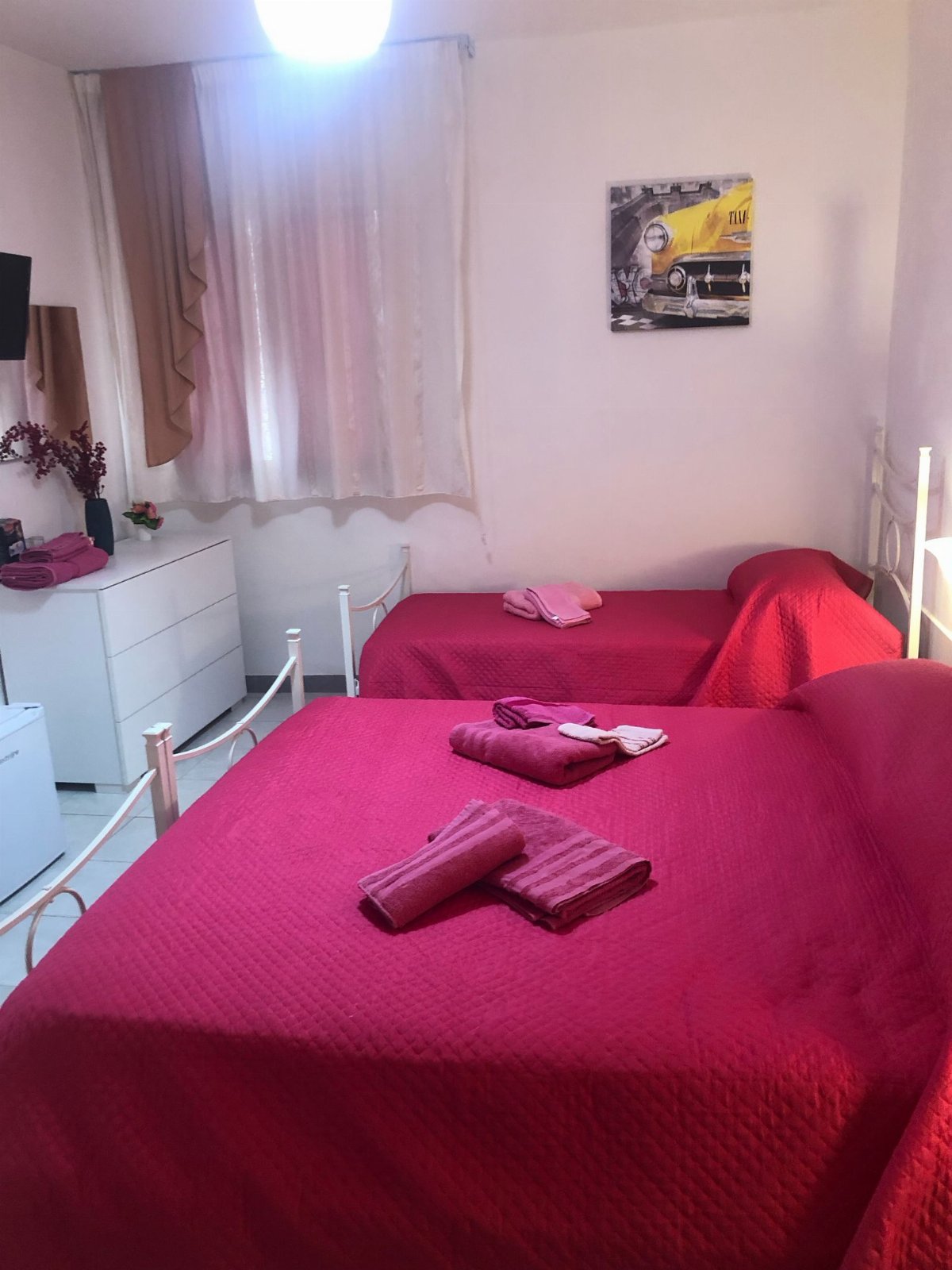
At Diamante are available 2 selected accommodations. Discover the accommodations in Diamante. Staying in a central location allows you to easily reach the major roads that lead to the inland villages, saving you time and energy. By choosing a high-quality accommodation, you ensure that you have a comfortable and relaxing sanctuary to return to after a long day of hiking and cultural discovery.