Discovering the Timeless Borghi Crotone Calabria: A Cultural Guide
Calabria is a land of striking contrasts, where the crystal-clear waters of the Ionian Sea meet the rugged, untamed peaks of the Sila mountains. For the cultural traveler, the true soul of this region is not found on the crowded beaches, but hidden within its ancient hilltop towns. Exploring the borghi Crotone Calabria offers a fascinating journey back in time, allowing visitors to walk in the footsteps of ancient Greeks, Byzantine monks, Norman knights, and Aragonese kings. This comprehensive guide will help you navigate the rich history, stunning architecture, and vibrant traditions of the historical villages surrounding the city of Crotone.
Whether you are an architecture enthusiast, a lover of authentic Italian cuisine, or simply a traveler seeking off-the-beaten-path destinations, the province of Crotone has something extraordinary to offer. These medieval hamlets, often perched dramatically on rocky outcrops, have preserved their unique identities through centuries of isolation. Preparing for a trip here means getting ready to slow down, embrace the local rhythm, and immerse yourself in a deeply authentic southern Italian experience.
The Must-See Medieval Villages Near Crotone
No trip to the Ionian coast is complete without visiting Santa Severina, famously known as the "Stone Ship" due to its imposing position atop a rocky cliff. Located just 30 kilometers (about a 40-minute drive) inland from Crotone, this village is widely considered one of the most beautiful in Italy. The town is dominated by the magnificently preserved Carafa Castle, which houses a fascinating museum detailing the region's complex history. Just steps away, the Cathedral square boasts a stunning 8th-century Byzantine Baptistery, the oldest monument of its kind in Calabria, featuring original frescoes and a profound spiritual atmosphere.
Traveling slightly further inland, about an hour from Crotone, you will discover Caccuri. Nestled in the foothills of the Sila National Park, this village is a maze of narrow, winding alleys that lead up to the impressive Caccuri Castle. The fortress, with its distinctive Palatine Tower, offers sweeping views of the surrounding olive groves and the distant sea. Caccuri is not just a visual delight; it is a cultural hub that has perfectly preserved its medieval urban layout, making every stroll through its cobblestone streets feel like a cinematic experience.
For a completely different coastal atmosphere, Le Castella (part of the Isola di Capo Rizzuto municipality) is an absolute must-visit, located just 30 minutes south of Crotone. Unlike the hilltop towns, this village is famous for its breathtaking Aragonese fortress that sits on a small islet connected to the mainland by a narrow strip of sand. Further north, about an hour from Crotone, lie the villages of Crucoli and Melissa. Crucoli is celebrated for its Norman castle ruins and its fierce culinary traditions, while Melissa is renowned for its excellent DOC wine and the tragic, yet heroic, history of its peasant uprisings, commemorated by a monument by artist Ernesto Treccani.
Art and Architecture of the Calabrian Villages
The architectural landscape of the villages around Crotone is a remarkable tapestry woven by centuries of foreign domination and cultural exchange. The Byzantine influence is deeply rooted in the area, evident not only in the famous Baptistery of Santa Severina but also in the layout of the historical centers. The Greeks and Byzantines favored high, defensible positions, creating intricate networks of narrow alleys designed to shelter inhabitants from the harsh sun and confuse invading pirates. These ancient urban planning techniques are still perfectly visible today when you wander through the historic cores of these towns.
Following the Byzantines, the Normans and the House of Aragon left an indelible mark on the region's skyline. The military architecture is particularly striking. The castles of Santa Severina and Caccuri, along with the coastal fortress of Le Castella, showcase the evolution of defensive engineering. You will notice massive cylindrical towers, fortified walls, and strategic drawbridges that were essential for protecting the local populations from frequent Saracen raids. The churches interspersed among these fortresses often blend Romanesque austerity with later Baroque additions, creating a fascinating juxtaposition of artistic styles.
Beyond monumental architecture, the true artistic spirit of these villages is found in their historical squares and local craftsmanship. The piazza remains the beating heart of Calabrian village life, framed by ancient stone portals and wrought-iron balconies. In many of these hamlets, artisanal traditions have been passed down through generations. Visitors can still find workshops dedicated to traditional weaving, using techniques that date back centuries, as well as master potters and woodworkers who create beautiful, rustic pieces reflecting the rugged nature of the Calabrian landscape.
The Perfect One-Day Itinerary
To make the most of your time, organizing a structured yet flexible itinerary is key. Start your day early by departing from your base—ideally staying in a comfortable room in Crotone to minimize travel time. Head straight to Santa Severina in the morning. Arriving around 9:30 AM allows you to explore the Carafa Castle and the Byzantine Baptistery before the midday heat sets in and the tour buses arrive. Take your time wandering around the main square, enjoying an espresso and a traditional pastry at a local café while soaking in the historic ambiance.
By 1:00 PM, it is time to indulge in a traditional Calabrian lunch. Seek out a local trattoria or an agriturismo nestled in the hills between Santa Severina and the coast. A typical lunch here is a feast for the senses. Start with an abundant antipasto featuring local capocollo, spicy 'nduja, and aged pecorino cheese. For the main course, you must try maccheroni al ferretto (handmade pasta) smothered in a rich pork ragù, all perfectly paired with a robust glass of local Cirò red wine. Lunch in Calabria is a slow, joyous affair, so expect to spend at least two hours at the table.
In the late afternoon, drive down toward the coast to visit Le Castella. Arriving around 4:30 PM is ideal, as the sun begins to lower, casting a golden hue over the Aragonese fortress. Walk across the sandy causeway to explore the castle's ancient rooms and climb its tower for a spectacular panoramic view of the Marine Protected Area of Capo Rizzuto. As evening falls, stay in the village for a relaxed seafood dinner by the water, enjoying fresh swordfish or a classic seafood risotto, before making the short drive back to your accommodation.
Festivals and Events in the Villages
If you want to experience the vibrant soul of Calabria, timing your visit to coincide with a local festival is highly recommended. Throughout the summer months, the villages around Crotone come alive with sagre (food festivals), historical reenactments, and religious celebrations. These events are not just tourist attractions; they are deeply felt community gatherings where ancient traditions are proudly displayed. The streets are illuminated with colorful lights, and the air is filled with the sounds of the traditional tambourine and the fast-paced rhythm of the tarantella dance.
One of the most prestigious cultural events in the region is the Premio Letterario Caccuri (Caccuri Literary Prize), held every August. This event transforms the quiet medieval village of Caccuri into a bustling hub of literature, art, and music, attracting famous Italian writers, journalists, and intellectuals. Meanwhile, in the village of Crucoli, food lovers flock to the annual Sagra della Sardella. Usually held in August, this festival celebrates the town's signature product: a spicy, fermented paste made from newborn fish and chili peppers, affectionately known as the "caviar of the South."
Religious festivals, or patron saint feasts, offer a profound look into the spiritual life of the locals. These events often feature elaborate processions where heavy, ornate wooden statues of saints are carried through the steep, narrow streets by devoted locals. In Santa Severina, historical parades are also a highlight, with hundreds of citizens dressing in meticulously crafted medieval, Norman, and Aragonese costumes. These living history events provide a spectacular visual feast and a unique opportunity to connect with the proud heritage of the Calabrian people.
How to Get Around the Villages
To truly unlock the magic of the Crotone province and its surrounding villages, renting a car is absolutely essential. While there are local buses that connect the main towns, public transportation in rural Calabria is often infrequent and schedules can be unpredictable. Having your own vehicle gives you the ultimate freedom to explore hidden viewpoints, stop at roadside olive oil mills, and linger in a village square long after the sun has gone down. Car rental agencies are readily available at the nearby Crotone Airport or Lamezia Terme Airport.
Driving in this part of Italy is an experience in itself. The main coastal road, the SS106 Jonica, offers sweeping views of the sparkling Ionian Sea. However, the real adventure begins when you turn inland. The provincial roads that lead to villages like Santa Severina and Caccuri wind their way through breathtaking landscapes of rolling hills, ancient olive groves, and dramatic canyons. These scenic routes require careful driving due to their curves and occasional steep inclines, but the spectacular panoramas around every corner make the journey incredibly rewarding.
When approaching the historical villages, it is important to be aware of local driving regulations. Most medieval centers have narrow, cobblestone streets that are not suitable for modern vehicles and are often designated as ZTL (Limited Traffic Zones). The best practice is to look for public parking areas located just outside the ancient city walls or at the base of the hill. From there, you can comfortably explore the historic centers on foot, which is undoubtedly the best way to appreciate the architectural details and the charming atmosphere of the borghi.
The Ideal Base for Exploring: Sleeping in Crotone
When planning your cultural tour of the Calabrian villages, choosing the right base is crucial for a smooth and enjoyable trip. The city of Crotone serves as the perfect hub for your adventures. By staying in the city, you benefit from the convenience of modern amenities, excellent seafood restaurants, and a lively evening promenade along the seafront, while remaining within a 30 to 60-minute drive of all the major historical hamlets. It offers the perfect balance between urban comfort and easy access to rural authenticity.
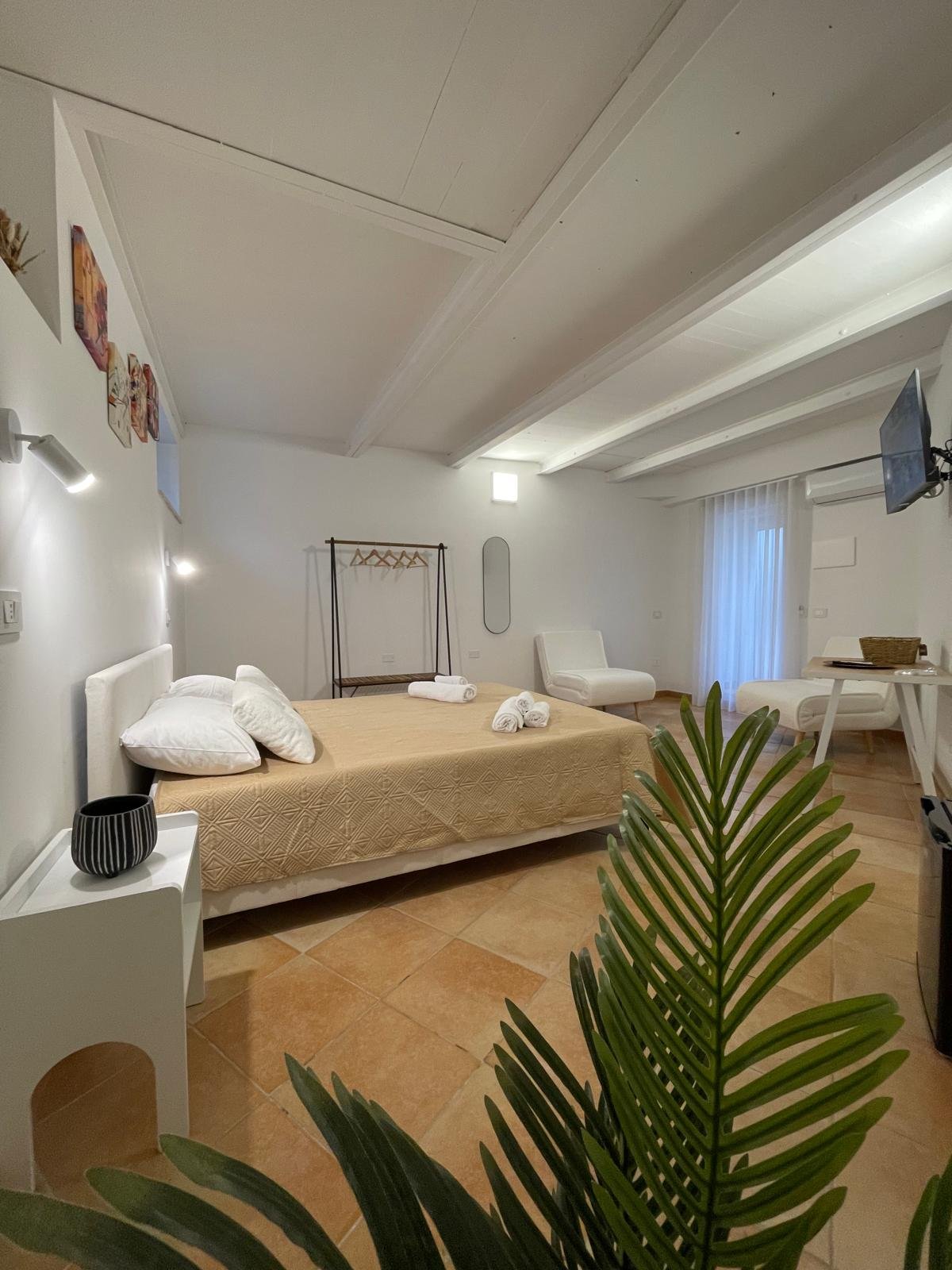
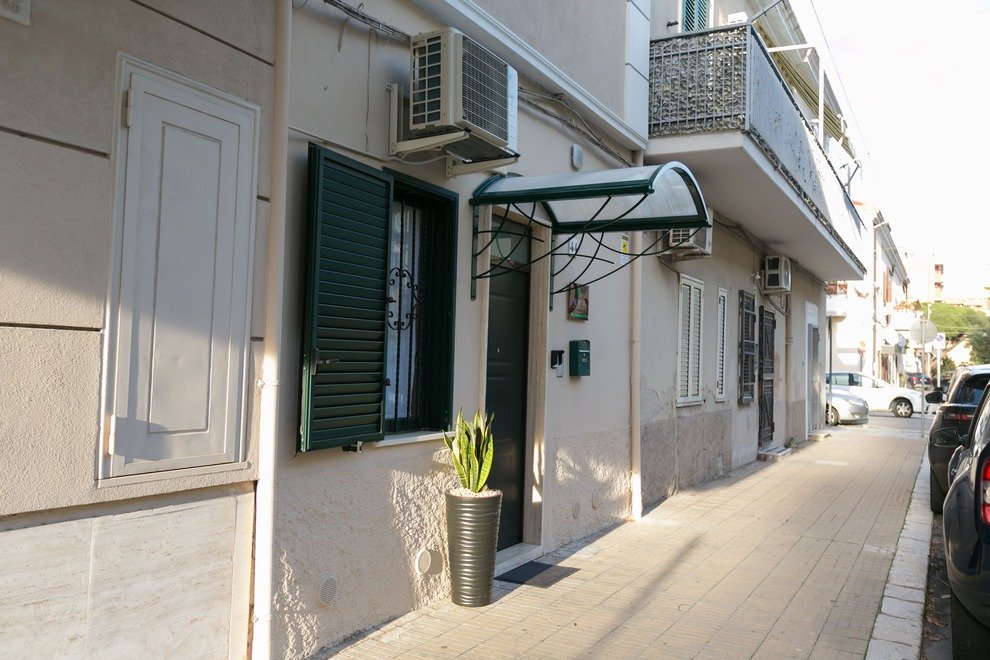
Finding the right place to rest after a long day of climbing medieval steps and exploring ancient castles is vital. Crotone offers a variety of excellent lodging options, from boutique bed and breakfasts in the historic center to modern apartments near the beach. By securing a strategic location, you can easily plan your day trips without the hassle of constantly packing and unpacking. If you want to ensure a high-quality stay, you can easily book the perfect room in Crotone to serve as your relaxing sanctuary.
Whether you are traveling solo, as a couple, or with family, the local hospitality will make you feel right at home. The hosts in this region are known for their warmth and are often the best source of insider tips for your daily excursions. A Crotone sono disponibili 5 alloggi selezionati. Scopri gli alloggi a Crotone.