Discovering the Most Beautiful Borghi Cosenza Calabria: A Journey Through Time
When you think of southern Italy, your mind might immediately wander to pristine beaches and dramatic coastlines. However, the true soul of this region lies hidden in its breathtaking interior. Exploring the historical borghi Cosenza Calabria is an experience that transports you back in time, offering a profound connection with centuries of art, culture, and untouched traditions. These ancient hilltop villages, clinging to rugged mountainsides or overlooking sweeping valleys, are the ultimate destination for cultural tourism and slow travel.
The province of Cosenza is incredibly vast and geographically diverse, stretching from the sparkling Ionian Sea to the Tyrrhenian coast, and encompassing the towering peaks of the Pollino and Sila National Parks. Within this dramatic landscape lie dozens of medieval settlements, each with its own unique dialect, culinary heritage, and architectural marvels. Visiting these villages is not just a sightseeing tour; it is an immersive journey into the authentic heart of the Mediterranean.
Whether you are an architecture enthusiast, a history buff, or simply a traveler seeking off-the-beaten-path destinations, the villages surrounding Cosenza offer an unforgettable adventure. From ancient Norman castles to vibrant local festivals, every cobblestone street has a story to tell. Let us guide you through the ultimate itinerary to discover the magic of Calabria's most enchanting historical hamlets.
The Unmissable Medieval Villages Near Cosenza
To truly appreciate the historical depth of the region, you must visit its most celebrated medieval settlements. First on your list should be Fiumefreddo Bruzio, located just 40 kilometers from Cosenza. Perched on a rocky promontory overlooking the Tyrrhenian Sea, this village offers some of the most spectacular coastal views in southern Italy. As you wander through its narrow alleys, you will encounter the majestic ruins of the Castello della Valle. The village is also famous for the striking contemporary frescoes painted by the renowned Italian artist Salvatore Fiume, which adorn the castle walls and local churches, creating a fascinating dialogue between medieval architecture and modern art.
Heading inland, about 60 kilometers north of Cosenza, lies the elegant village of Altomonte. Often referred to as the "Spoleto of the South," Altomonte is a masterpiece of medieval urban planning. Its crown jewel is the Church of Santa Maria della Consolazione, a rare and exquisite example of Angevin-Gothic architecture in Calabria. The village is characterized by its noble palaces, peaceful stone-paved squares, and a refined atmosphere that has made it a favorite destination for cultural events and romantic getaways.
Further north, approximately 70 kilometers from the city, you will find Morano Calabro. Approaching this village is like looking at a beautifully crafted nativity scene. The houses are stacked tightly upon one another on a conical hill, culminating in the evocative ruins of a Norman-Swabian castle. Set against the dramatic backdrop of the Pollino National Park mountains, Morano Calabro is a labyrinth of steep stairs, ancient arches, and breathtaking viewpoints. Do not miss the Collegiate Church of San Nicola and the fascinating Museum of Agriculture and Pastoralism.
Finally, a visit to the province would be incomplete without experiencing the unique cultural heritage of Civita, located about 75 kilometers from Cosenza. Civita is one of the historic Arbëreshë communities founded by Albanian refugees in the 15th century. Here, the locals still speak an ancient Albanian dialect and practice the Byzantine religious rite. The village is famous for its "Kodra houses"—buildings with facades that resemble human faces—and its spectacular position above the Raganello Gorges, where the dizzying Devil's Bridge spans the deep canyon below.
Art and Architecture of the Calabrian Borghi
The architectural landscape of the villages around Cosenza is a testament to the region's complex history of conquests and cultural exchanges. The strategic importance of these hilltop settlements is evident in the widespread presence of fortifications. Norman and Swabian castles dominate almost every major village skyline. These formidable stone structures, originally built for defense against coastal pirate raids and rival factions, now serve as romantic ruins that offer panoramic views of the surrounding valleys. Exploring the remnants of these fortresses allows you to trace the footsteps of ancient knights and feudal lords.
Religious architecture in these hamlets is equally captivating, reflecting a blend of different artistic eras. You will frequently encounter small, austere Byzantine chapels alongside grander structures boasting intricate Gothic portals and opulent Baroque interiors. The historic piazzas, often anchored by a central fountain and a mother church, serve as the social and architectural heart of the communities. Inside these churches, visitors can often find masterfully carved wooden altars, ancient frescoes, and precious silverware, all preserved with deep devotion by the local parishes.
Beyond monumental architecture, the true artistic soul of these villages is found in their traditional craftsmanship. Strolling through the historic centers, you can still find small artisan workshops where ancient techniques are kept alive. Woodcarving, traditional loom weaving, and ceramic making are deeply rooted in the local culture. Purchasing a piece of local terracotta or a hand-woven textile is not just acquiring a souvenir; it is supporting the survival of centuries-old artisanal traditions that define the identity of these Calabrian communities.
A Perfect One-Day Itinerary Among the Villages
Organizing a day trip to explore these historical gems requires a bit of planning, but it guarantees an incredibly rewarding experience. Begin your day early, departing around 9:00 AM from your base. Start by heading north to Altomonte. Spend your morning walking through its Gothic alleyways, visiting the Civic Museum, and enjoying a quiet coffee in the main square while admiring the surrounding olive groves and vineyards. The morning light provides the perfect illumination for photographing the ancient stone facades.
By midday, it is time to indulge in the legendary Calabrian gastronomy. Choose a traditional trattoria hidden within the village walls for an authentic lunch. A typical meal must include a starter of local cured meats like capocollo and the famous spicy 'nduja, paired with aged caciocavallo cheese. For the main course, order a plate of maccheroni al ferretto (handmade pasta shaped with a knitting needle) smothered in a rich pork ragù. Pair your meal with a robust glass of local Magliocco red wine to complete the culinary experience.
In the afternoon, take a scenic drive towards Morano Calabro or the Arbëreshë village of Civita. Spend a few hours exploring the steep, winding streets, visiting the local artisan shops, and hiking up to the highest castle ruins to catch the sunset. Watching the sun dip behind the rugged peaks of the Pollino mountains, casting a golden glow over the terracotta roofs, is a memory you will cherish forever. After a full day of exploration, you can easily drive back, knowing you have a comfortable base in Cosenza waiting for you to rest and recharge for your next adventure.
Festivals and Events in the Borghi
To truly experience the vibrant pulse of Calabrian culture, you should try to align your visit with one of the many local festivals. During the summer months, the historical villages come alive with spectacular medieval reenactments. Villages like Altomonte and Fiumefreddo Bruzio host events where locals dress in elaborate period costumes, parading through the streets alongside flag-throwers, musicians, and knights. These historical markets and theatrical performances transform the ancient alleys into a living, breathing medieval world.
Religious devotion is deeply ingrained in the culture of southern Italy, and the patron saint feasts are the most important events of the year for these small communities. These celebrations are a fascinating blend of solemn Christian rituals and ancient, almost pagan, traditions. Elaborate statues of saints are carried on the shoulders of the faithful through the narrow, winding streets, accompanied by marching bands, spectacular fireworks displays, and an atmosphere of profound communal joy. Participating in one of these processions offers a rare glimpse into the authentic soul of the region.
Autumn brings a different kind of celebration: the Sagre, or traditional food festivals. As the weather cools, the villages celebrate the harvest with events dedicated to local produce. You can find festivals celebrating porcini mushrooms, roasted chestnuts, newly pressed olive oil, and the first wine of the season. These events are characterized by long communal tables set up in the historic squares, folk music featuring the traditional tamburello and diatonic accordion, and an abundance of delicious, rustic food shared among locals and visitors alike.
How to Get Around the Villages
While public transportation in Italy is generally reliable between major cities, exploring the remote historical villages of Calabria requires a different approach. Renting a car is highly recommended, if not essential, for this type of itinerary. Buses connecting Cosenza to the smaller mountain hamlets are infrequent and often designed around school or local commuter schedules rather than tourism. Having your own vehicle gives you the absolute freedom to explore at your own pace, stop for impromptu photographs, and discover hidden gems off the main routes.
Driving in Calabria is an adventure in itself. The roads connecting the villages are often winding and steep, climbing up mountainsides and plunging into deep valleys. However, they are also incredibly scenic. Routes like the state roads winding through the Pollino National Park or the coastal drives along the Tyrrhenian Sea offer breathtaking panoramas at every turn. Drivers should be prepared for narrow passages and occasional encounters with local wildlife or flocks of sheep, adding to the rustic charm of the journey.
When arriving at a medieval village, it is crucial to pay attention to parking regulations. Most historical centers are designated as Limited Traffic Zones (ZTL) and are strictly pedestrian-only. The streets were built for carts and horses, not modern vehicles. Always look for public parking areas located just outside the ancient city walls or at the base of the hill. From there, you can comfortably explore the village on foot, which is the only true way to appreciate the intricate details of these ancient settlements.
The Ideal Base for Exploring: Sleeping in Cosenza
When planning a cultural tour of the surrounding villages, choosing the right place to stay is crucial. Cosenza serves as the absolute perfect hub for your Calabrian adventure. Geographically situated in the center of the province, it offers easy access to the highways and scenic routes leading to both the mountains and the sea. After a long, quiet day exploring ancient ruins and silent mountain hamlets, returning to Cosenza allows you to enjoy the vibrant atmosphere of a lively city, complete with excellent restaurants, modern amenities, and its own beautiful historic center and open-air museum.
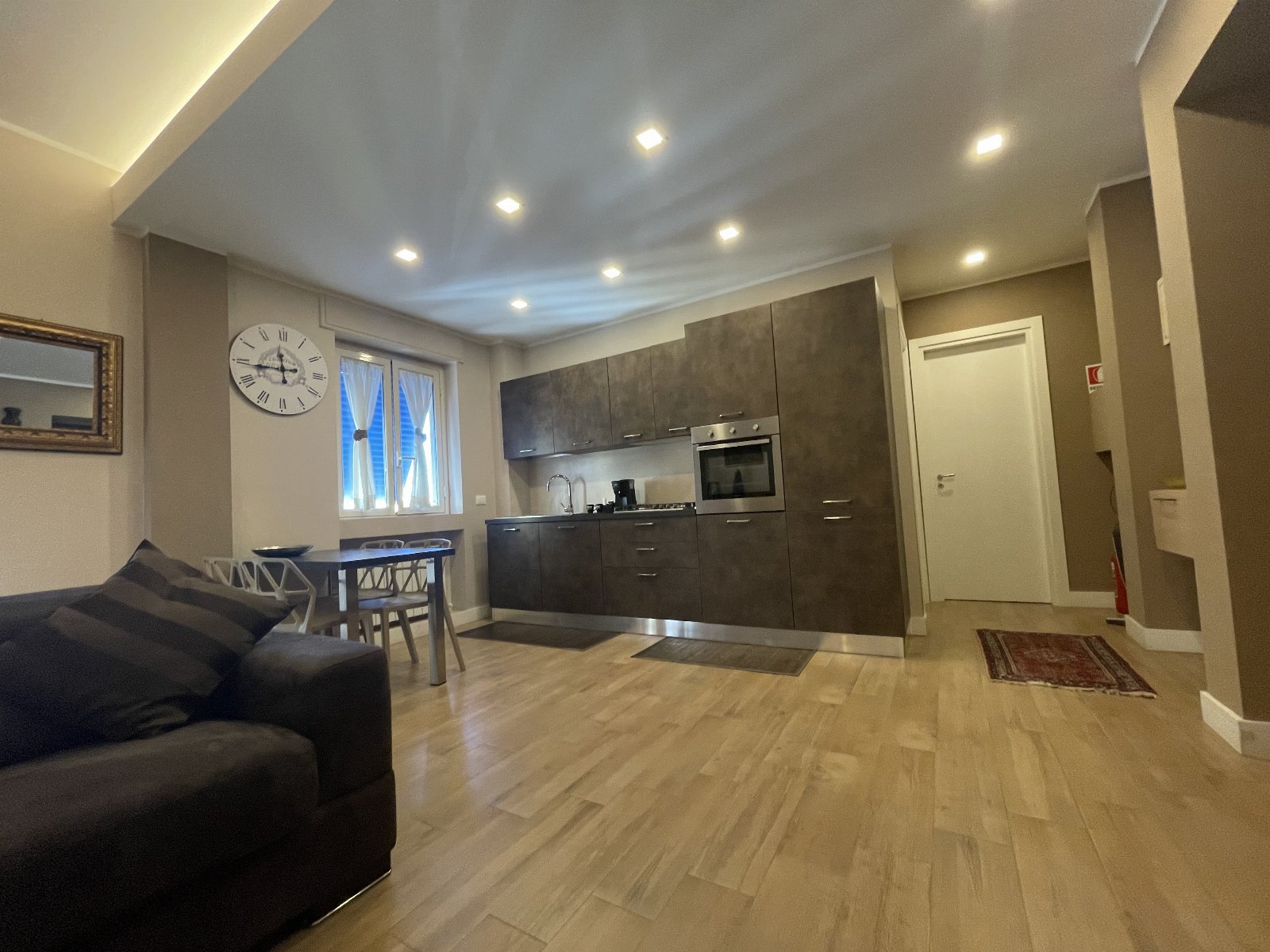
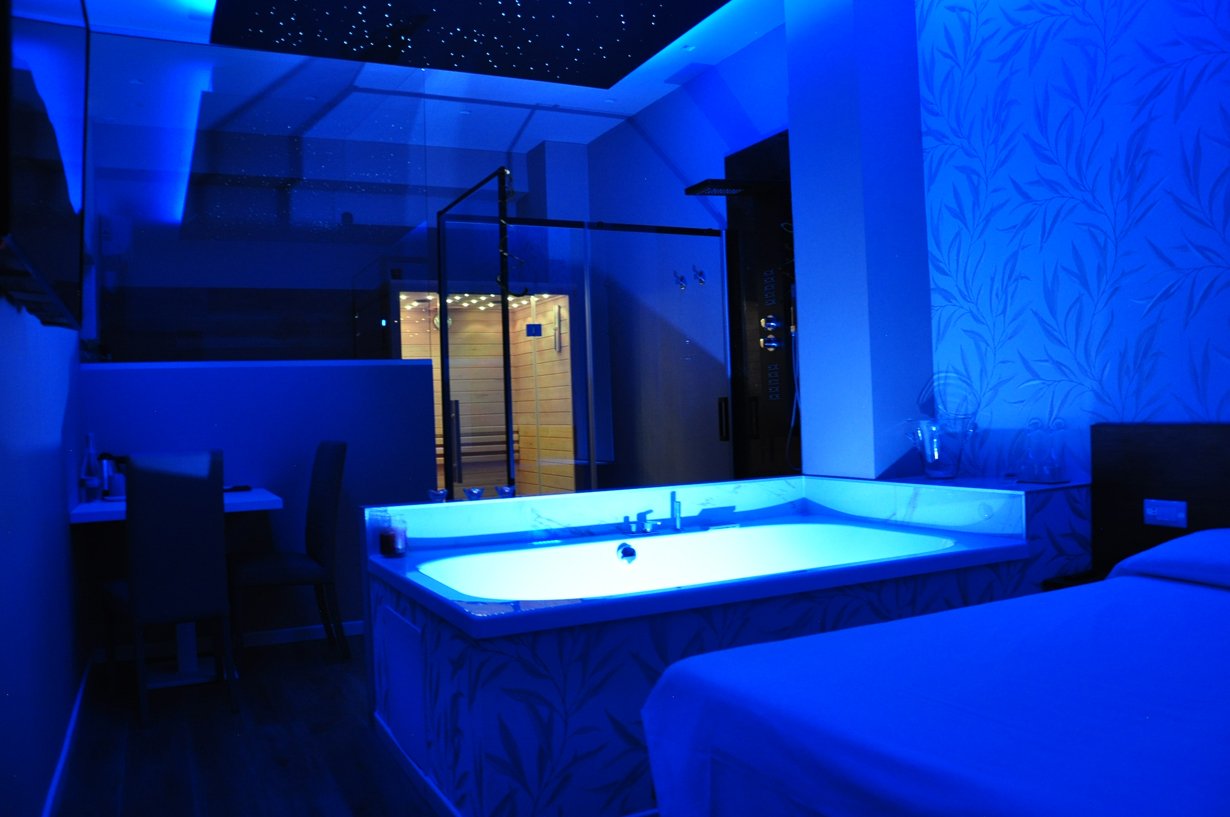
Finding the right accommodation will make your trip seamless and relaxing. In Cosenza there are 2 selected accommodations available. Discover accommodations in Cosenza. These options provide the perfect blend of comfort, strategic location, and authentic local hospitality, ensuring you wake up refreshed and ready for another day of historical exploration.
Do not miss the opportunity to immerse yourself in the rich history, stunning architecture, and warm hospitality of southern Italy. The medieval villages are waiting to reveal their ancient secrets to you. Plan your itinerary, rent your car, and book your stay in Cosenza today to embark on an unforgettable journey through the most beautiful borghi of Calabria.