Discovering the Hidden Gems: The Best Borghi Near Corigliano-Rossano, Calabria
Calabria is a land of profound contrasts, where the azure waters of the Ionian Sea meet the rugged, silent peaks of the Sila Massif. For the traveler seeking more than just a beach vacation, the hinterland surrounding the vibrant city of Corigliano-Rossano offers a journey back in time. This area, deeply rooted in Byzantine history and feudal traditions, is home to some of Italy’s most enchanting and overlooked medieval villages. Exploring the borghi Corigliano-Rossano Calabria region is an invitation to wander through labyrinthine alleys, discover ancient stone portals, and experience the slow, authentic pace of Southern Italian life.
Whether you are a history enthusiast, a lover of traditional gastronomy, or simply someone looking to escape the modern rush, these villages provide a unique window into the soul of Calabria. From the mountain retreats of the Pollino National Park to the coastal hillsides overlooking the Gulf of Taranto, each village tells a story of invasions, resilience, and artistic brilliance. By using a central hub like Corigliano-Rossano as your base, you are perfectly positioned to explore this tapestry of culture at your own pace.
I borghi medievali da non perdere
The first stop on your journey should be Altomonte. Located about 45 minutes from Corigliano-Rossano, this village is widely considered one of the "Borghi più belli d'Italia." Known for its exquisite Gothic architecture and the stunning Church of Santa Maria della Consolazione, Altomonte is a sanctuary of art and tranquility. Walking through its narrow streets feels like stepping into a medieval painting, with stone-paved paths that lead to panoramic viewpoints overlooking the surrounding valleys.
Another essential destination is Civita, an Albanian-founded village (Arbëreshë) nestled within the dramatic gorges of the Pollino National Park. Situated roughly an hour’s drive away, Civita is famous for its "Devil’s Bridge" (Ponte del Diavolo) and its unique chimneys, which are considered pieces of folk art. The cultural heritage of the Arbëreshë people, with their distinct language, customs, and religious rites, provides a fascinating contrast to the surrounding Italian towns, making it a truly unique stop.
For those who love history, San Demetrio Corone is a must-visit. Just 30 minutes from the coast, this village is home to the ancient Badia di Sant’Adriano, a masterpiece of Basilian monasticism founded in the 10th century. The intricate floor mosaics and the atmosphere of quiet contemplation make it a spiritual highlight. Finally, do not miss Oriolo, a village dominated by its imposing medieval castle that stands as a sentinel over the valley. Its well-preserved historic center and the breathtaking views of the Ionian coast make it a perfect place for photography and reflection.
Arte e architettura dei borghi calabresi
The architectural landscape of the villages around Corigliano-Rossano is a testament to the diverse civilizations that have graced this soil. You will frequently encounter the influence of the Normans, who fortified these hilltops with formidable castles, and the Basilian monks, who left behind spiritual centers adorned with Byzantine-style frescoes. The churches here are often simple on the outside, yet they hide intricate stone carvings and religious icons that date back centuries, reflecting the deep faith and artistic dedication of the local communities.
Piazze, or town squares, serve as the heart of these villages. They are the stage for daily life, where elders discuss the news of the day and children play under the shade of ancient trees. These spaces are often framed by noble palazzi with arched doorways and wrought-iron balconies, showcasing the craftsmanship of local artisans. When visiting, keep an eye out for traditional workshops where you might find master weavers or woodcarvers practicing techniques passed down through generations. This is the true living museum of Calabria.
The urban planning of these borghi is equally intriguing. Built primarily for defense, the villages feature narrow, winding roads designed to confuse invaders and provide protection from the elements. This defensive architecture has created a charming, intimate atmosphere that is best enjoyed on foot. As you explore, notice the use of local stone, which gives each village a unique color palette—from the warm, honey-toned stones of the foothills to the darker, more rustic masonry found in the higher mountain villages.
Itinerario in un giorno
To make the most of your time, start your day early in Corigliano-Rossano. Grab a traditional Italian breakfast—an espresso and a warm cornetto—before heading out by car. Spend your morning in Altomonte. Wander through the historic center, visit the Gothic church, and enjoy the crisp mountain air. By mid-morning, you will be ready for a light snack; look for local bakeries selling pitta, a traditional Calabrian flatbread that is essential to the local culinary experience.
For lunch, choose a local trattoria in a village like Civita. Order dishes featuring local ingredients such as peperoni cruschi (dried, crunchy red peppers), handmade fusilli pasta, and local cheeses like caciocavallo. Calabrian cuisine is hearty and flavorful, often using simple, high-quality ingredients. After lunch, take a leisurely stroll to the Raganello Gorge viewpoints to admire the dramatic natural landscape before heading back toward the coast.
In the late afternoon, return toward the Ionian coast. If you have energy left, stop at a local winery to taste the regional wines, such as those produced from the Gaglioppo grape. Ending your day back at your comfortable accommodation in Corigliano-Rossano allows you to relax and reflect on the day's discoveries while enjoying the sea breeze, which is the perfect way to wrap up a day of cultural immersion.
Sagre ed eventi nei borghi
Calabria is a land of festivals, and timing your visit to coincide with a sagra (food festival) or a religious celebration can transform your trip. These events are the heartbeat of the villages, where the entire community gathers to celebrate their patron saints or the harvest of specific local products. You might find yourself in the middle of a procession featuring traditional music, colorful costumes, and the scent of grilled meats and local sweets filling the air.
Rievocazioni medievali (medieval reenactments) are also popular in the historic centers. During these events, the villages are decorated with banners, and locals don period costumes to recreate historical battles or court life. It is an immersive experience that brings the stones of the castle walls to life. Check local tourism calendars before your trip, as these events are often announced a few weeks in advance and provide an authentic, joyous look into the local identity.
Market days are another fantastic way to engage with the local culture. Visiting a weekly market in one of these smaller towns allows you to see the variety of local produce, from sun-ripened olives and citrus fruits to handmade ceramics. It is here that you will find the most genuine interactions with locals, who are often proud to share the history of their village and the secrets of their traditional recipes with curious travelers.
Come muoversi tra i borghi
The most effective way to explore the hinterland of the borghi Corigliano-Rossano Calabria region is by car. Public transport is available, but it is infrequent and often does not connect the smaller, more remote villages efficiently, which would limit your ability to explore at your own pace. Renting a car gives you the freedom to take the scenic routes, stop for photos whenever you see a breathtaking view, and reach the hidden corners of the Pollino mountains that buses simply cannot access.
The roads in this part of Calabria are generally well-maintained, though they can be winding as they climb into the hills. Driving here is an experience in itself, offering panoramic views of the Ionian Sea on one side and the dramatic peaks of the Sila or Pollino mountains on the other. Be prepared for slow driving, as the terrain is rugged and steep. Always ensure your rental car is in good condition, and if you are traveling during the winter months, confirm that you have the necessary safety equipment for mountain driving.
If you prefer not to drive, consider hiring a private driver for a day trip. Many local agencies offer guided tours that include transportation, which can be a relaxing way to see the sights without the stress of navigating unfamiliar mountain roads. Regardless of how you choose to travel, the journey through these landscapes is a significant part of the charm of visiting Calabria, offering glimpses of wild nature and ancient history at every turn.
Base ideale per esplorare: dormire a Corigliano-Rossano
Choosing the right location for your stay is crucial for a stress-free holiday. By staying in a coastal city, you get the best of both worlds: easy access to the sandy beaches of the Ionian Sea and a central starting point for your inland adventures. A comfortable and well-located room allows you to recharge after a long day of hiking and sightseeing. Whether you prefer a boutique room or a more traditional guesthouse, you will find that the hospitality in this region is warm and welcoming.
A strategic base allows you to plan day trips to the mountains in the morning and enjoy a seaside dinner in the evening. This balance is what makes a holiday in this part of Italy so special. A central location also means you are close to essential services, restaurants, and cultural landmarks like the Codex Purpureus Rossanensis, a UNESCO-recognized manuscript. A great stay is the foundation of a great trip, and having a reliable home base makes all the difference.
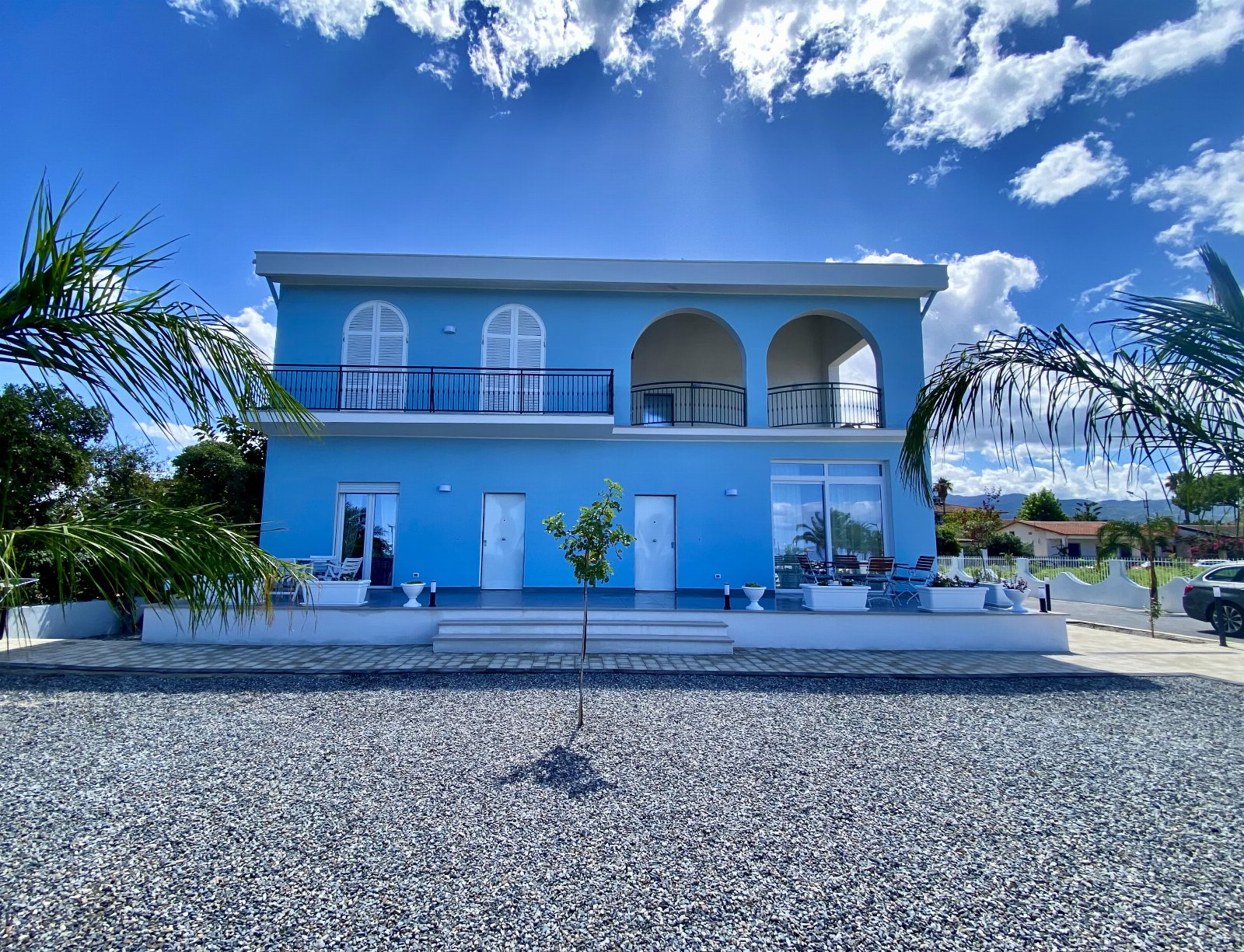
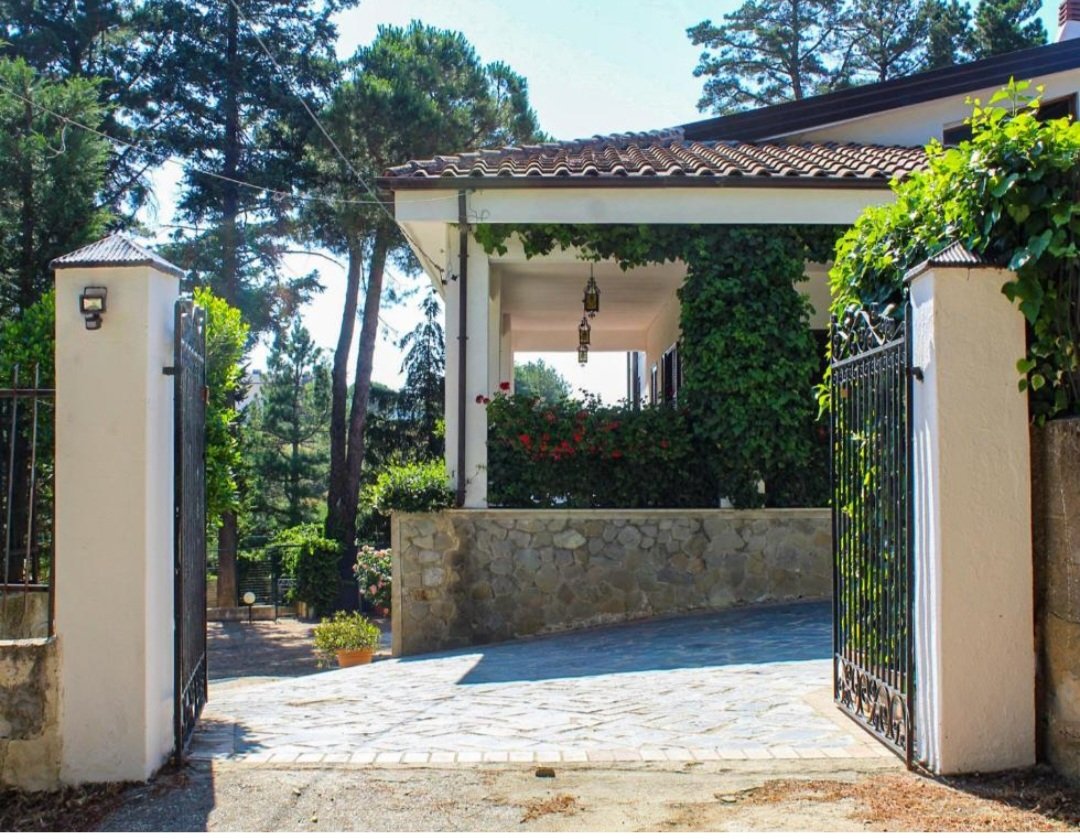
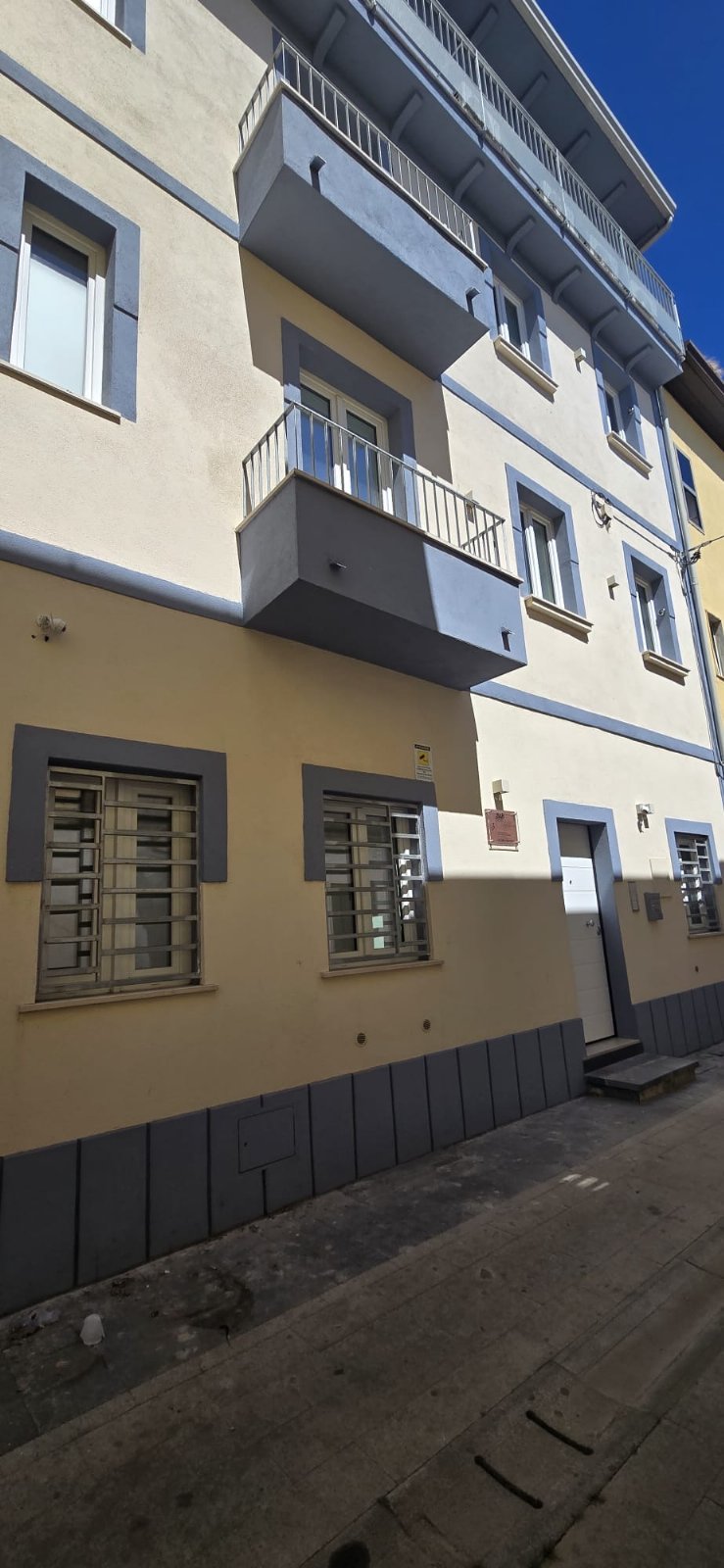
A Corigliano-Rossano sono disponibili 4 alloggi selezionati. Scopri gli alloggi a Corigliano-Rossano. These selected properties are designed to provide you with comfort, convenience, and an authentic feel of the local lifestyle. Choosing to stay in this area ensures that you are never more than a short drive away from the most beautiful hidden treasures of the Calabrian hinterland.