Discovering the Hidden Gems: A Guide to the Historic Borghi near Briatico, Calabria
Calabria is a land of profound contrasts, where the crystalline Tyrrhenian Sea meets rugged, history-steeped hills. While many travelers flock to the famous beaches, the true soul of the region lies tucked away in its hilltop villages. If you choose to base yourself in Briatico, you are perfectly positioned to explore a constellation of ancient "borghi" that offer a journey back in time. These stone-walled settlements, perched precariously on cliffs or nestled in green valleys, are the keepers of Calabrian heritage, folklore, and timeless traditions.
Exploring the hinterland surrounding Briatico allows you to escape the modern rush and embrace the "slow living" philosophy that defines southern Italy. From the dramatic vistas of Pizzo to the mystical atmosphere of Zungri, these villages provide a unique perspective on the Mediterranean identity. This guide will help you navigate the rich tapestry of history, art, and flavors that define the historic borghi near Briatico, Calabria, ensuring your stay is as enriching as it is relaxing.
The Must-Visit Medieval Borghi near Briatico, Calabria
The first stop on your journey should undoubtedly be Pizzo Calabro, located approximately 15 kilometers from Briatico. This charming town is famous for its dramatic position on a cliff overlooking the sea. The highlight here is the Castello Murat, an imposing fortress where Joachim Murat, King of Naples, was executed. Beyond the history, Pizzo is world-renowned for its "Tartufo," a decadent hazelnut and chocolate gelato that you must taste in the main piazza while watching the sunset over the Gulf of Sant'Eufemia.
A short drive inland brings you to Zungri, a fascinating village known for its "Città di Pietra" (City of Stone). This archaeological site consists of ancient rock-hewn dwellings carved directly into the sandstone cliffs by monks and farmers centuries ago. It is a surreal, almost prehistoric landscape that feels worlds away from the coast. Walking through the narrow, winding streets of the village center, you will feel the authentic, quiet pulse of rural Calabria, far removed from the tourist crowds.
For those seeking artistic beauty, Tropea is an essential destination just 20 minutes from Briatico. Often called the "Pearl of the Tyrrhenian," it is famous for its dramatic cliffside location and the Sanctuary of Santa Maria dell'Isola, which sits on a rocky promontory jutting into the sea. The historic center is a labyrinth of aristocratic palaces, narrow alleys, and hidden courtyards. Every corner reveals a new perspective of the turquoise water below, making it one of the most photogenic spots in all of Italy.
Finally, consider visiting Vibo Valentia, the provincial capital. Its historic center is dominated by the Norman-Swabian Castle, which offers panoramic views extending all the way to the Aeolian Islands on clear days. The town is rich in archaeological significance, housing the M.A.P.V. (Archaeological Museum of Vibo Valentia), which displays findings from the ancient Greek city of Hipponion. It is a place where layers of history—Greek, Roman, Norman, and Aragonese—are visible in every stone, providing a deeper understanding of the region's complex past.
Art and Architecture of the Calabrian Borghi
The architecture of the villages near Briatico is a testament to the resilience and creativity of the local people. You will find that many churches in these borghi feature a unique blend of Norman-Byzantine influences, characterized by thick stone walls and simple, yet imposing, facades. These structures were built not only for worship but also as fortresses to protect the population from frequent pirate raids that plagued the Calabrian coast for centuries. Inside, you can often find intricate wooden carvings and baroque altars that showcase the skill of local craftsmen.
The civil architecture is equally captivating. Many of the aristocratic palazzi in towns like Tropea and Vibo Valentia feature internal courtyards adorned with citrus trees and stone fountains, designed to keep the interiors cool during the sweltering Mediterranean summers. These buildings are often embellished with ornate portals carved from local tuff stone, a soft volcanic rock that has allowed artisans to create delicate floral and geometric motifs that have survived the test of time.
Artisanship remains a living tradition in these hills. In the smaller villages, you can still find workshops where masters work with terracotta, weaving, and wood. The traditional "ceramica calabrese," with its earthy tones and functional designs, is a staple of the local culture. Exploring these borghi means having the chance to meet these artisans, who are often happy to share the secrets of their trade. Whether it is the intricate lace-making in the quieter hamlets or the production of local olive oil, the craftsmanship reflects a profound connection to the land.
A One-Day Itinerary: Exploring the Hinterland
To make the most of your day, start early in the morning, around 9:00 AM, to beat the midday heat. Begin your journey in Zungri to explore the rock-hewn caves while the air is still cool. The site is best enjoyed in the quiet of the morning light, which highlights the textures of the sandstone. By 11:30 AM, drive toward the coast to reach the center of Pizzo. Spend an hour walking through its narrow, winding lanes, and make sure to visit the Church of Piedigrotta, a unique chapel dug into the sea caves.
For lunch, choose a traditional trattoria in Pizzo or a nearby village. Look for dishes that feature the famous "Cipolla Rossa di Tropea" (Red Onion of Tropea) and fresh local catch. A typical meal might include "fileja" pasta, a hand-rolled local specialty served with a rich ragu or eggplant sauce. The simplicity of the ingredients, combined with the quality of local olive oil, makes every meal an unforgettable experience. After lunch, enjoy a slow stroll through the piazza with a coffee or a glass of local wine.
Spend your afternoon in Tropea. Wander the historic center at your own pace, stopping to admire the balconies overlooking the sea. As the sun begins to dip, head toward the Sanctuary of Santa Maria dell'Isola. The walk up is well worth the effort for the breathtaking views. You will find that Briatico is the perfect home base to return to after such a full day, allowing you to relax by the sea and reflect on the beauty of the inland villages you have discovered.
Festivals and Events in the Borghi
Calabrian villages truly come alive during their local festivals, or "sagre." These events are deeply rooted in religious tradition and the agricultural calendar. Throughout the summer and early autumn, you will find celebrations dedicated to everything from local wine and mushrooms to the famous red onion. These festivals are the best time to experience authentic Calabrian music, with the rhythmic sound of the "tamburello" accompanying traditional folk dances like the tarantella.
Religious festivals, or "feste patronali," are perhaps the most significant events. Each village honors its patron saint with elaborate processions where statues are carried through the streets, accompanied by brass bands and fireworks. These occasions bring the entire community together and are a wonderful opportunity for visitors to witness the deep-seated faith and social bonds that hold these villages together. The atmosphere is electric, filled with the scent of street food and the sound of joyous crowds.
If you are lucky, you might encounter a medieval reenactment or a historical market. These events transform the stone-paved streets into scenes from centuries past, with locals dressed in period costumes and artisans demonstrating ancient techniques. It is a sensory immersion into the history of the region. Checking the local event calendars at your hotel in Briatico is highly recommended, as these small, local events often provide the most genuine and memorable experiences of your trip.
How to Get Around the Borghi
The best way to explore the region surrounding Briatico is undoubtedly by car. Public transport exists, but it can be infrequent and often does not reach the more remote, picturesque villages that make the area so special. Renting a car gives you the freedom to set your own pace, stop at scenic viewpoints along the coastal roads, and take spontaneous detours into the green, mountainous interior. The roads are generally well-maintained, though they can be winding, so take your time and enjoy the journey.
When driving, keep in mind that the landscape is mountainous. You will often find yourself driving on roads that hug the side of steep hills, offering incredible views of the sea on one side and the rugged Apennine mountains on the other. It is a driving experience that requires concentration but rewards you with some of the most spectacular scenery in Southern Italy. Be sure to use a reliable GPS, as the roads in the historic centers can be extremely narrow and sometimes confusing.
If you prefer not to drive, consider hiring a private driver for a day trip. Many local agencies offer guided tours that take you to the most important sites, providing the added benefit of local knowledge and history. This allows you to relax and enjoy the scenery without the stress of navigating. Regardless of your choice, ensure you have comfortable walking shoes, as the historic centers are almost entirely pedestrianized and feature steep, uneven cobblestone paths.
Ideal Base for Exploring: Stay in Briatico
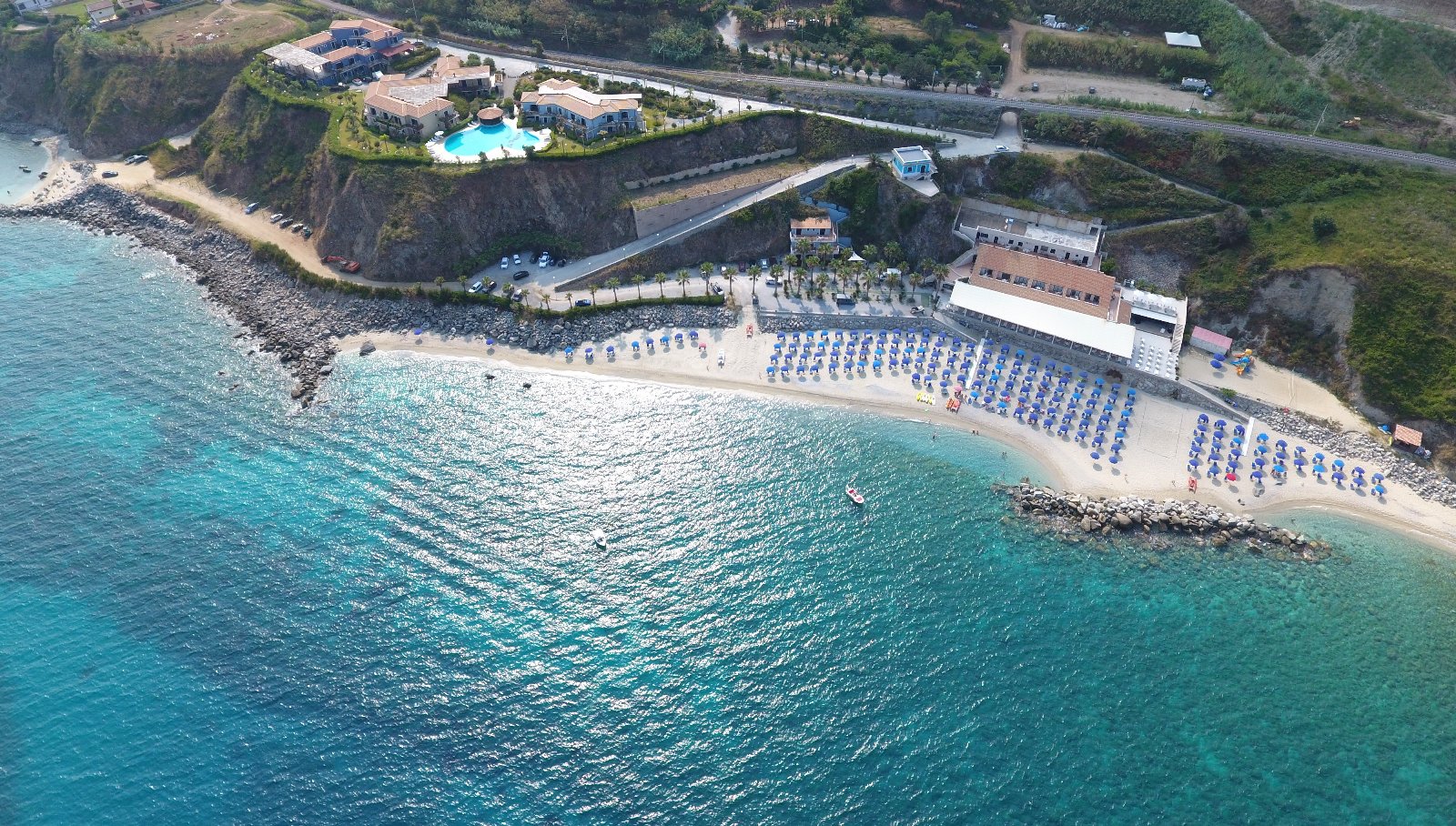
Choosing the right location for your stay is crucial for a balanced holiday. Briatico offers a strategic position that allows you to enjoy both the coastal beauty of the Tyrrhenian Sea and the cultural richness of the inland borghi. It is a quiet, authentic town that avoids the overwhelming crowds of larger tourist hubs, making it a peaceful sanctuary to return to after a day of exploration. Staying here allows you to experience the true, unhurried pace of Calabrian life.
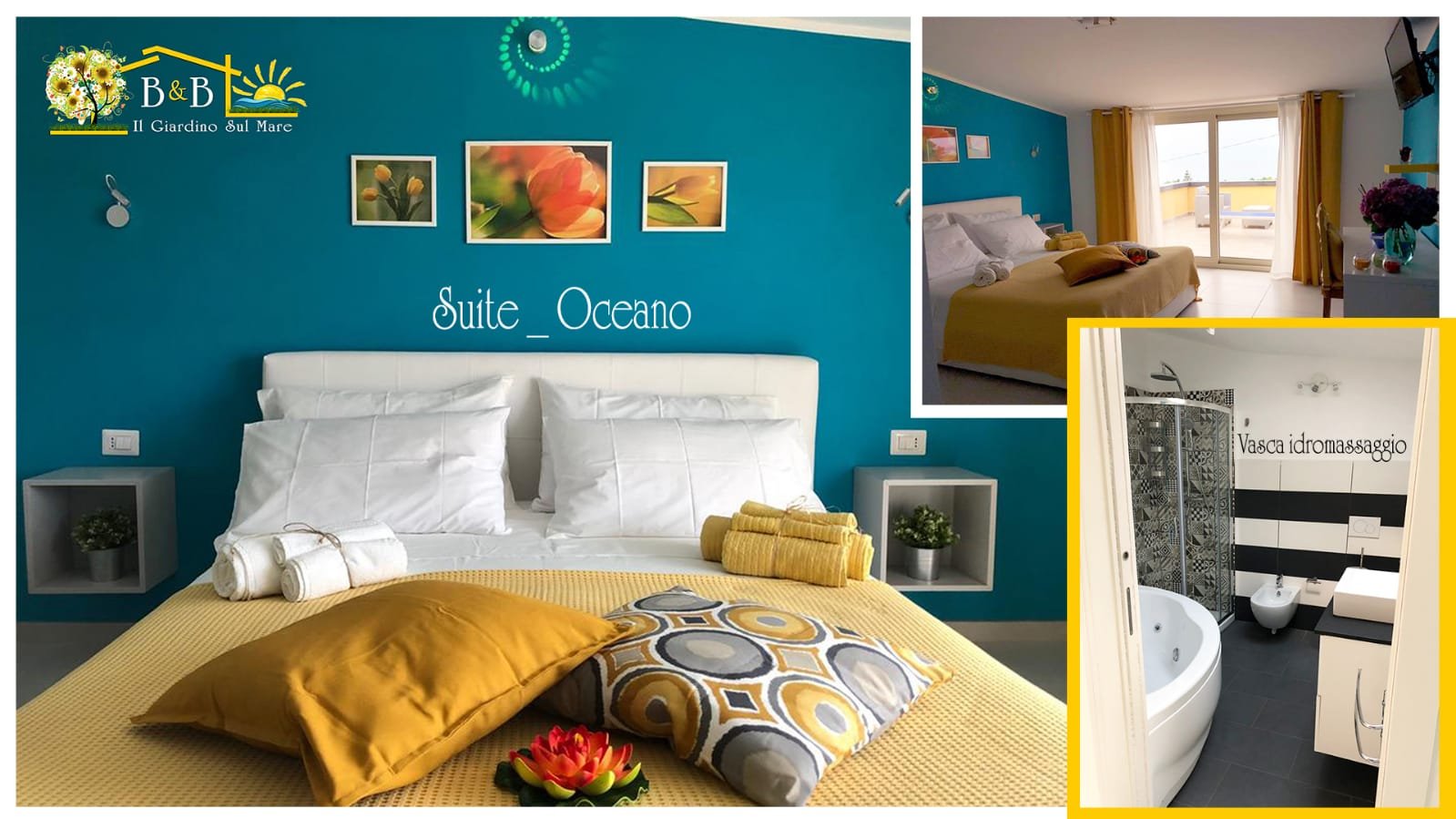
A great place to stay provides not just comfort, but also a sense of place. Whether you prefer a boutique room with sea views or a traditional guesthouse in the heart of the town, you will find that the hospitality here is warm and welcoming. Having a comfortable home base allows you to plan your excursions to Pizzo, Tropea, and Zungri with ease, while still having time to enjoy the local beaches and the excellent seafood restaurants found along the Briatico waterfront.
A Briatico sono disponibili 1 alloggi selezionati. Scopri gli alloggi a Briatico. By choosing to stay here, you support the local economy and ensure that your visit contributes to the preservation of this beautiful part of Italy. We invite you to immerse yourself in the charm of Briatico and use it as your gateway to the hidden treasures of the Calabrian hinterland.