Exploring the Hidden Gems: A Guide to the Historical Borghi near Bagnara Calabra, Calabria
Calabria is a land of profound contrasts, where the jagged peaks of the Aspromonte mountains plunge dramatically into the crystal-clear turquoise waters of the Tyrrhenian Sea. While many travelers flock to the famous coastal resorts, the true soul of this region lies nestled in the rugged hillsides: the historical borghi (ancient villages). If you are looking to immerse yourself in authentic Italian culture, starting your journey from Bagnara Calabra offers the perfect gateway to these timeless settlements. These villages are not just tourist stops; they are living museums where history, folklore, and gastronomy intertwine to create an unforgettable experience.
The area surrounding Bagnara Calabra, often referred to as the "Costa Viola" or Violet Coast, is steeped in myths of sirens and ancient sailors. By venturing just a few kilometers inland, you step away from the modern world and into a landscape of stone-paved alleys, centuries-old churches, and panoramic viewpoints that overlook the Strait of Messina. This guide will help you navigate the rich historical tapestry of these hilltop treasures, ensuring you capture the essence of southern Italy’s hidden heritage.
I borghi medievali da non perdere vicino a Bagnara Calabra
The first stop on your journey should be Scilla, located just 15 minutes away from Bagnara. Known as the legendary home of the sea monster Scylla from Homer’s Odyssey, this village is divided into the modern town and the ancient fishing district of Chianalea. Chianalea is often called the "Venice of the South" because the houses are built directly on the rocks, with waves lapping at their foundations. Walking through its narrow, labyrinthine alleys is an atmospheric experience that transports you back to the Middle Ages, especially when you reach the majestic Ruffo Castle, which dominates the promontory.
Moving slightly inland, you will find Gerace, about an hour and a half away but absolutely essential for any history enthusiast. Often described as a "stone balcony" overlooking the Ionian Sea, Gerace is one of the most beautiful medieval villages in Italy. Its history is deeply rooted in the Byzantine and Norman eras. The Cathedral of Gerace, the largest religious building in Calabria, stands as a testament to its former glory. Wander through the Piazza del Tocco, surrounded by noble palaces, and lose yourself in the quiet, silent streets that feel untouched by the passage of time.
Pentedattilo is perhaps the most evocative, though slightly further afield (about 70 minutes). Perched on a cliff shaped like a giant hand with five fingers, this ghost town was once a thriving center of culture. Abandoned in the 1960s due to geological instability, it has since been partially restored by artisans and volunteers. The atmosphere here is hauntingly beautiful, particularly at sunset when the light hits the sandstone cliffs. It is a place of legends, including the tragic massacre of the Alberti family, which adds a layer of mystery to every crumbling wall you encounter.
Finally, do not miss Stilo, famous for the Cattolica di Stilo. This small 10th-century Byzantine church is a masterpiece of architecture, featuring a Greek-cross plan and five small domes. It is a symbol of the spiritual and artistic influence of the East in Calabria. Stilo itself is a charming village that clings to the side of Mount Consolino, offering breathtaking views of the valley below. The history here is palpable, with layers of Roman, Byzantine, and Norman influences visible in every corner of the village.
Arte e architettura dei borghi calabresi
The architecture of these Calabrian villages is a fascinating study in resilience and adaptation. You will notice that many of these structures were built with defensive purposes in mind, as the region was frequently subject to pirate raids and foreign invasions. Norman castles, such as the one in Scilla, were strategically placed to monitor the sea, while churches were often fortified or built into the rock face to protect sacred relics and local communities. The use of local stone, such as the yellow sandstone of the Ionian side, gives these villages a warm, golden hue that glows during the "golden hour."
Inside the churches, you will find a treasure trove of religious art, ranging from Byzantine frescoes to elaborate Baroque altars. The skill of local woodcarvers and silversmiths is evident in the intricate statues and liturgical objects found in village cathedrals. Craftsmanship is still very much alive in these areas; in villages like Gerace, you can still find workshops where artisans practice the ancient art of terracotta pottery and weaving, techniques passed down through generations. These crafts are not just souvenirs but reflections of a culture that values slow, deliberate work.
Piazze (town squares) serve as the social heart of these communities. They are usually flanked by the most important buildings—the town hall, the parish church, and the local café. It is in these squares that you will see the authentic rhythm of Calabrian life: elderly men discussing politics, children playing in the shadow of historical monuments, and neighbors sharing stories. Whether you are admiring the stonework of an ancient portal or the delicate carvings of a balcony, the architecture of these borghi tells the story of a people who have survived and thrived in a challenging yet beautiful environment.
Itinerario in un giorno
To make the most of your day, start early in the morning, around 8:30 AM, to beat the heat and the crowds. Begin your trip in Scilla, where you can enjoy a coffee by the harbor in Chianalea. Spend the morning exploring the Ruffo Castle and wandering the narrow streets before heading inland toward the mountains. By midday, you should reach the Aspromonte foothills, where the air becomes cooler and the landscape changes from coastal scrub to lush forests. Plan your lunch in a traditional trattoria in a village like Gambarie or a smaller, lesser-known hamlet.
For lunch, look for local specialties such as pasta alla calabrese (often featuring nduja or fresh swordfish if you are near the coast), local cheeses like caciocavallo, and homemade bread. After lunch, take a leisurely stroll through the village, visiting the local church and any artisan shops that are open. In the afternoon, head to a panoramic viewpoint to watch the sunset over the Strait of Messina. The transition of colors—from the deep blue of the sea to the violet hues of the sky—is what gives the "Costa Viola" its name.
If you are looking for a more relaxed pace, focus on just two villages rather than trying to see too many. Spend more time interacting with the locals, visiting the small museums that are often tucked away in renovated houses, and simply enjoying the silence of the mountains. A day trip from your base in Bagnara Calabra is easy to manage because the distances are relatively short, allowing you to return to the coast in time for a late dinner by the sea.
Sagre ed eventi nei borghi
Calabria is a land of festivals, and the borghi are the best places to experience them. Throughout the year, almost every village celebrates its patron saint with a procession that involves the entire community. These events are deeply emotional, often featuring brass bands, colorful banners, and statues carried on the shoulders of local men. If you are lucky enough to be in the area during a feast day, you will witness a side of Calabria that is rarely seen by tourists, characterized by genuine devotion and communal joy.
During the summer and autumn months, many villages host food festivals known as sagre. These are dedicated to specific local products, such as mushrooms, chestnuts, or local varieties of wine. These festivals are a fantastic way to taste authentic recipes that you won't find in restaurants. Additionally, summer evenings often feature historical reenactments, where the streets are filled with people in medieval costumes, street performers, and music that echoes the traditions of the past. These events are a great way to immerse yourself in the culture and meet local families.
Always check the local tourist office boards or social media pages of the specific municipalities before you travel. Even a small village might host a concert, a literary presentation, or an open-air art exhibition. These events turn the historical squares into vibrant stages, and participating in them is the fastest way to feel like a resident rather than a visitor. Remember to bring your camera, as the combination of traditional clothing, festive lights, and ancient stone architecture creates a magical atmosphere that is perfect for photography.
Come muoversi tra i borghi
The best way to explore the region surrounding Bagnara Calabra is by car. While there is public transport, it is often infrequent and does not reach the more remote hilltop villages efficiently. Renting a car gives you the freedom to stop whenever you see a beautiful view, and there are many such moments on the winding roads of the Aspromonte. Be prepared for narrow, curving roads; driving here requires patience and a bit of confidence, but the scenery is worth every hairpin turn.
If you prefer not to drive, consider hiring a private driver for a day. This is a popular option for tourists who want to enjoy the local wine or simply relax without worrying about navigation. Many local agencies offer guided tours that include transportation, which can be a great way to learn more about the history of the area from an expert guide. Some of the coastal roads are spectacular, offering views that stretch all the way to Sicily, so make sure your route includes the coastal highway whenever possible.
Regardless of how you choose to travel, always keep a physical map or a downloaded offline map on your phone, as cellular signal can be inconsistent in the deep valleys of the mountains. Wear comfortable walking shoes, as the borghi are almost entirely pedestrianized and often involve steep climbs on cobblestone streets. Exploring these villages is a physical experience, and having the right equipment will make your day much more enjoyable as you navigate the ancient stairs and paths.
Base ideale per esplorare: dormire a Bagnara Calabra
Choosing the right base for your Calabrian adventure is key to a stress-free holiday. Bagnara Calabra is perfectly situated between the mountains and the sea, making it the ideal starting point for daily excursions. Its central location allows you to easily reach the northern coast, the southern tip of the region, and the inland mountain paths. Furthermore, the town itself has a beautiful beach and a vibrant local life, offering you a place to relax after a long day of exploring.
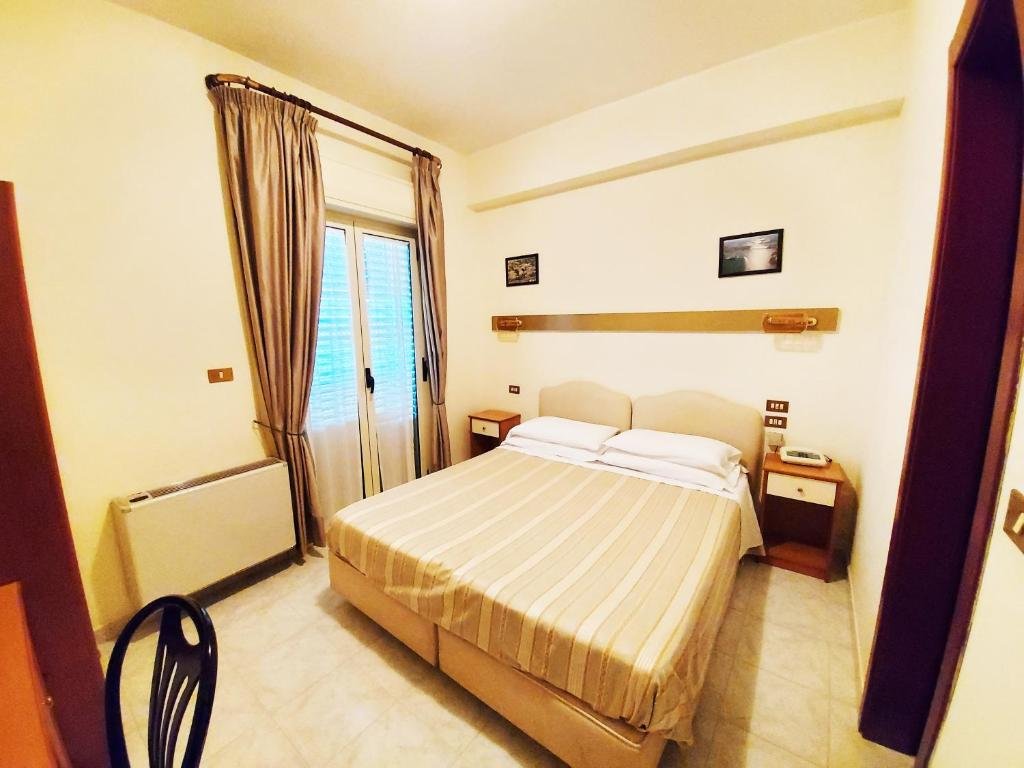
Staying in a local accommodation allows you to wake up to the sound of the sea and enjoy fresh local produce for breakfast. Whether you are looking for a quiet retreat or a place close to the local taverns and shops, you will find that the hospitality in this area is second to none. By staying here, you support the local economy and get a true taste of the Calabrian lifestyle, far from the mass tourism found in other parts of Italy.
A Bagnara Calabra sono disponibili 1 alloggi selezionati. Scopri gli alloggi a Bagnara Calabra. These accommodations provide the perfect blend of comfort and authenticity, ensuring you have a restful home base while you discover the hidden beauty of the surrounding historical villages. Plan your trip today and get ready to fall in love with the timeless charm of Calabria.