The Ultimate 3-Day Itinerary: Morano Calabro and the Hidden Wonders of Calabria
Perched like a stone crown atop a conical hill, Morano Calabro is not merely a village; it is a masterpiece of medieval urban planning. Often cited as one of the "Borghi più belli d'Italia" (the most beautiful villages in Italy), this destination offers a sensory journey through time, deep within the heart of the Pollino National Park. If you are planning an itinerary in Morano Calabro, Calabria, you are preparing to step into a world where ancient traditions, dramatic mountain landscapes, and authentic culinary heritage converge in a silent, breathtaking embrace.
This three-day guide is designed for the traveler who seeks more than just a vacation—it is for the explorer who wants to touch the soul of Southern Italy. From the winding, narrow alleys of the historic center to the wild peaks of the Pollino massif and the shimmering coastlines of the Ionian Sea, this journey will reveal why Calabria remains the Mediterranean’s best-kept secret. Prepare your senses for the scent of wood-burning ovens, the sight of limestone architecture against a cobalt sky, and the taste of authentic Calabrian hospitality.
Day 1 — Discover Morano Calabro: A Journey Through Time
Begin your first morning by ascending the labyrinthine streets of Morano. Your primary destination is the imposing Norman-Swabian Castle, which dominates the skyline. As you climb, you will pass through a maze of "cafi" (narrow passages) and stone staircases that seem to defy gravity. The view from the castle ruins offers a panoramic vista of the entire Pollino range, a sight that justifies every step taken. After descending, make your way to the Collegiate Church of Santa Maria Maddalena, renowned for its majestic dome and its collection of artistic treasures that reflect the village’s religious and cultural prominence throughout the centuries.
In the afternoon, immerse yourself in the daily life of the village. Wander through the local markets where the scent of wild oregano and dried peppers hangs in the air. This is the perfect time to visit the Monastery of San Bernardino da Siena, a stunning example of late Gothic architecture that houses the Museum of Rural History. The museum provides an intimate look at the agricultural past of the region, showcasing tools and artifacts that defined the life of the ancestors who built this village. The slow pace here is intentional; take a seat on a stone bench in a quiet piazza and watch the locals go about their day, a quintessential Calabrian experience.
As the sun sets, the village transforms. The golden hour light hits the limestone houses, turning them a warm, honey-colored hue. For dinner, seek out a traditional trattoria tucked away in the historic center. Here, you will dine on "lagane e cicciari" (a traditional pasta with chickpeas) or the famous "peperoni cruschi." The atmosphere is intimate and welcoming, often accompanied by the sound of distant chatter and the soft clinking of glasses. Staying in the heart of the village allows you to fully appreciate the evening silence; you can find the perfect place to rest by visiting Morano Calabro accommodation options to ensure your base is as charming as the town itself.
Day 2 — Excursions in the Surroundings: Pollino and Beyond
On your second day, venture beyond the village walls to explore the Pollino National Park, the largest in Italy. Nature lovers will find their paradise here. A short drive takes you to the Piano Ruggio, a high-altitude plateau perfect for trekking. If you are feeling adventurous, hike toward the "Sentiero dei Pini Loricati," where you can witness the ancient, twisted Bosnian pine trees that have stood as silent sentinels of the mountains for thousands of years. The air is crisp, the silence is profound, and the landscape feels untouched by the modern world.
If you prefer a mix of history and nature, head toward the nearby village of Civita, famous for its "Ponte del Diavolo" (Devil’s Bridge) and its deep Raganello Gorges. This village is an enclave of Arbëreshë culture, where the Albanian language and traditions have been preserved for centuries. The contrast between the stark, dramatic cliffs of the gorges and the colorful, welcoming streets of the village creates a unique photographic opportunity. It is a testament to the cultural diversity that defines the Calabrian hinterland.
For those seeking a coastal escape, the Ionian coast is within reach. A drive of about an hour will bring you to the beaches of the Sibari Plain or the historic site of Parco Archeologico di Sibari. Walking through the ruins of the ancient Greek colony of Sybaris, you can reflect on the millennia of history that have shaped this land. Whether you spend the afternoon trekking in the mountains or relaxing by the sea, the transition between the rugged peaks and the serene blue waters of the Ionian is what makes this region so incredibly diverse.
Day 3 — Sea, Nature, or Culture: Choose Your Adventure
For your final day, choose one of these three distinct paths to round off your Calabrian experience:
Option 1: The Mountain Retreat. Dedicate the entire day to the Pollino massif. Hire a local guide and embark on a more challenging trek to the summit of Serra Dolcedorme. The challenge is rewarded with views that span from the Tyrrhenian to the Ionian Sea on a clear day. It is an exhilarating way to connect with the raw, untamed spirit of the Calabrian wilderness.
Option 2: The Coastal Relaxation. Drive to the seaside town of Trebisacce or Amendolara. Spend your day on the pebble beaches, enjoying the crystal-clear waters of the Ionian Sea. This is the day to indulge in fresh seafood, particularly the local "gambero rosso" (red shrimp), and simply soak up the Mediterranean sun before your departure.
Option 3: The Cultural Deep-Dive. Explore the nearby town of Castrovillari. Visit the Aragonese Castle and the various churches that house important masterpieces of Calabrian art. Spend the afternoon visiting a local winery on the slopes of the Pollino, where you can taste the robust Gaglioppo wines that define the viticulture of this ancient land.
Where to Eat During the Itinerary
Dining in Morano Calabro is an exercise in tradition. For an authentic experience, look for restaurants serving "Pasta e Fagioli" or wild boar ragù. Budget-friendly options abound, with a typical meal ranging between 20 and 35 euros. In the historic center, seek out trattorias that emphasize "km zero" ingredients, sourced directly from the surrounding mountains.
For a more refined experience, look for establishments that serve local cheeses like Pecorino del Pollino and cured meats such as the famous 'Nduja or Soppressata. Don't forget to pair your meal with a local red wine from the Cosenza province. If you are staying in the village, ask your hosts for their personal favorite—locals are always proud to share the hidden gems that don't appear on tourist maps.
Where to Sleep
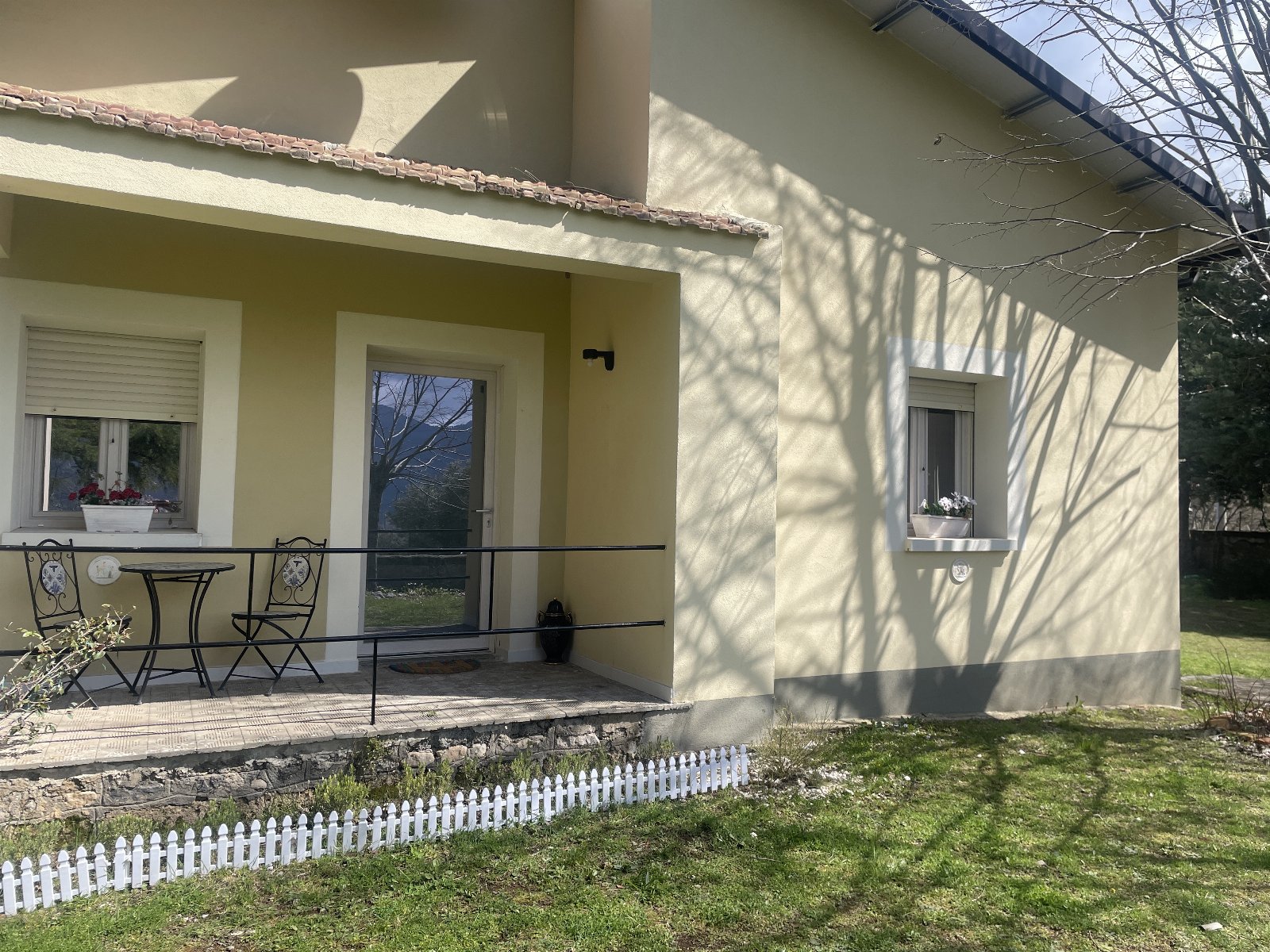
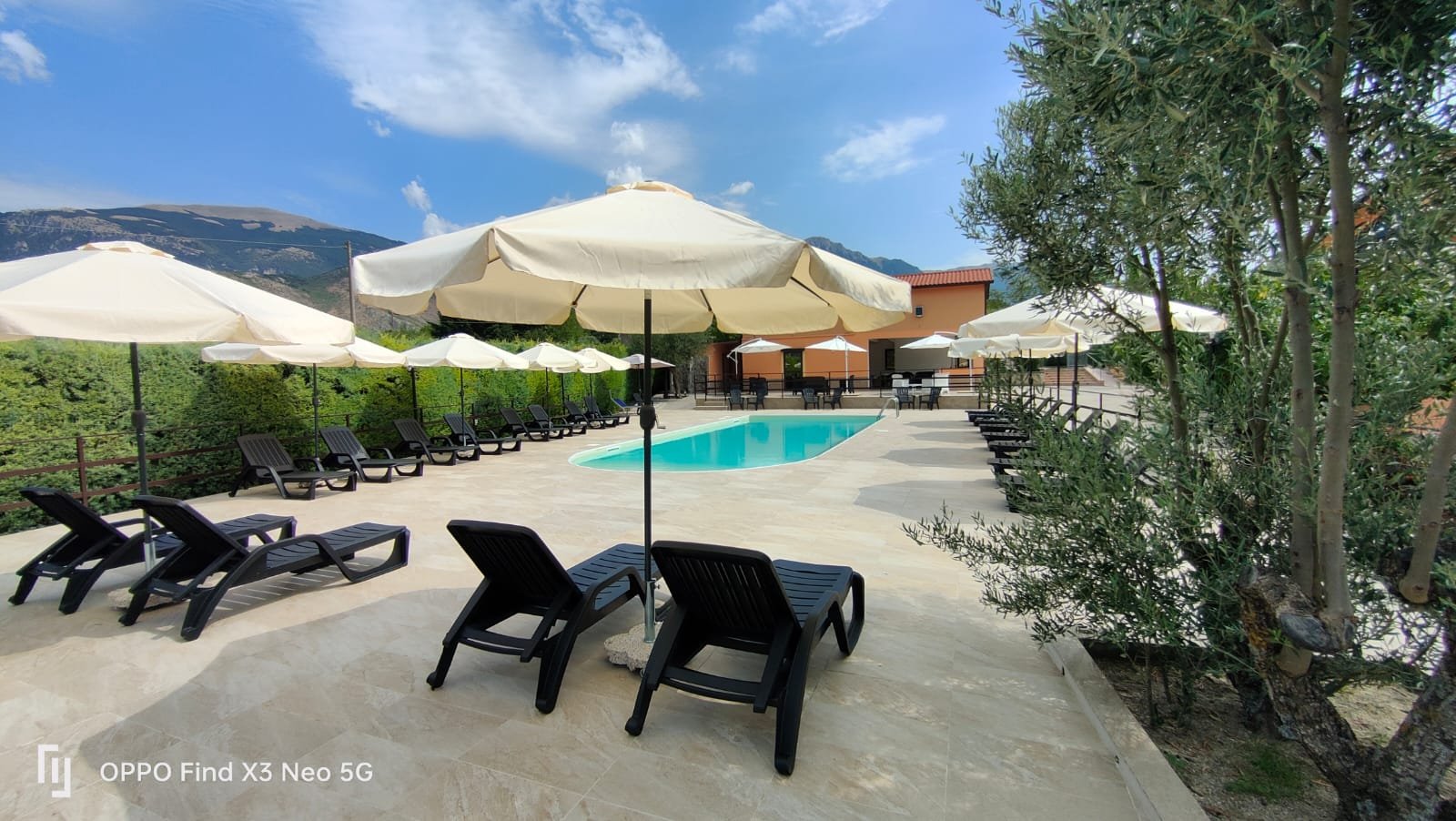
Staying in Morano Calabro provides an immersive experience that you simply cannot get by staying in a modern hotel in the city. The village offers a range of boutique guesthouses and converted historic homes that allow you to wake up to the sound of church bells and the sight of the sun rising over the Pollino mountains. A Morano Calabro accommodation ensures you are steps away from the best viewpoints and the most authentic dining experiences. A Morano Calabro are available 2 selected accommodations. Discover the accommodations in Morano Calabro to find your perfect home away from home.
How to Get There and Move Around
The most convenient way to reach Morano Calabro is by car, as it offers the freedom to explore the winding mountain roads and reach the remote trailheads of the Pollino National Park. If you are arriving by train, the closest major station is Castrovillari or Sibari, from where you can rent a car or take a local bus. The drive from Lamezia Terme airport takes approximately 90 minutes, taking you through the heart of the Calabrian landscape.
Once you are in the village, walking is the only way to navigate. The streets are designed for pedestrians, and the narrow, steep alleys are not accessible by car. Pack comfortable shoes with good grip, as the cobblestones can be slippery. If you plan to explore the surrounding areas, a rental car is highly recommended as public transport in rural Calabria can be infrequent and limited in its reach.
Budget and Practical Tips
Calabria is a highly affordable destination compared to the more tourist-heavy regions of Italy. Expect to pay around 60-100 euros per day per person, including mid-range accommodation, meals, and activities. Always carry some cash, as smaller shops and mountain huts may not accept cards. When shopping, look for local handicrafts, such as hand-woven textiles or high-quality olive oil, which make for perfect, authentic souvenirs.
For navigation, download offline maps, as cell service can be spotty in the deep valleys of the Pollino. The best time to visit is during the spring (May-June) or autumn (September-October) when the weather is mild and the landscape is at its most vibrant. Finally, keep an open mind—the "calabrese" way of life is slow and deliberate. Take your time, chat with the locals, and let the rhythm of the village dictate your day; you will find that the best experiences in Calabria are the ones you didn't plan for.