The Ultimate 3-Day Itinerary Locri Calabria: A Journey Through Time and Sea
Welcome to the heart of the Costa dei Gelsomini, where the Ionian Sea kisses the ancient shores of Magna Graecia. Locri is not merely a destination; it is a profound journey into the soul of Southern Italy. As a travel writer who has traversed the rugged landscapes of Calabria, I find that Locri holds a unique position—it is a bridge between the glorious archaeological past and the vibrant, sun-drenched present. This three-day itinerary is designed to immerse you in the authentic rhythm of this corner of Reggio Calabria, ensuring you experience the best of history, gastronomy, and Mediterranean bliss.
Whether you are a history buff eager to walk the same paths as ancient philosophers or a traveler seeking the quiet serenity of pristine beaches, Locri offers a sanctuary. By choosing to base yourself in this strategic location, you unlock the secrets of the Locride area, a region often overlooked by mainstream tourism but teeming with hidden gems waiting to be discovered. Let us embark on this adventure through time and light, exploring the heritage and the hospitality that make Locri a quintessential Calabrian experience.
Day 1 — Discover Locri: Morning, Afternoon, and Evening
Your journey begins at the Archaeological Park of Locri Epizephiri, one of the most significant sites of Magna Graecia. Spend your morning wandering through the remnants of the ancient city, which was founded in the 7th century BC. As you walk toward the sanctuary of Persephone, you will feel the weight of centuries beneath your feet. The site is vast, and the museum houses the famous Pinakes—votive terracotta reliefs that offer a glimpse into the religious life of the ancient Locrians. The morning light provides the perfect atmosphere to photograph the Doric columns against the backdrop of the Ionian coastline.
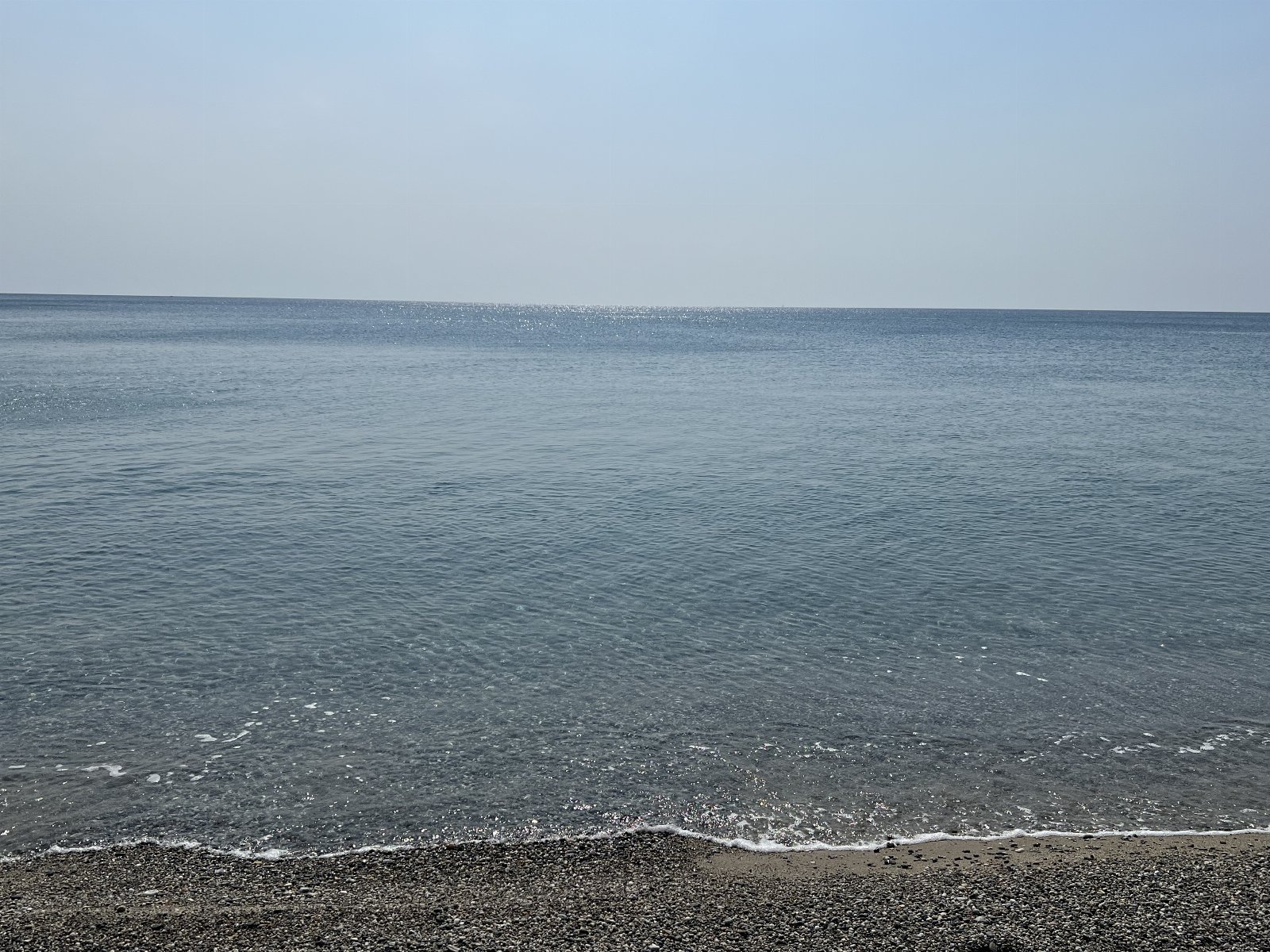
After immersing yourself in history, head toward the center of modern Locri for a change of pace. The town’s main street is a lively artery where locals gather for their daily errands. Visit the local markets if you are lucky enough to be there on a market day, where the scent of bergamot—a citrus fruit native to this specific strip of the Calabrian coast—fills the air. Take a slow stroll toward the seafront promenade, the "Lungomare," which stretches for kilometers. Here, the pace of life slows down significantly, and the blue expanse of the sea invites you to sit on a bench and simply watch the horizon.
As the sun dips below the Aspromonte mountains, the evening in Locri truly comes alive. The town offers a relaxed yet sophisticated dining scene where tradition is king. Find a cozy trattoria in the historic center to sample local specialties like "maccarruni" (handmade pasta) with goat ragu or fresh swordfish caught in the nearby Strait of Messina. Conclude your night with a gelato or an espresso at a local café, listening to the melodic cadence of the local dialect, a reminder that you are in one of the most authentic regions of Italy.
Day 2 — Excursions in the Surroundings: Villages and Landscapes
Day two is dedicated to exploring the treasures that lie just a short drive from your base. Start your morning by heading inland toward Gerace, a breathtaking medieval village perched on a rocky outcrop overlooking the valley. Known as the "City of a Hundred Churches," Gerace is a labyrinth of stone alleys, ancient portals, and panoramic viewpoints. The Cathedral of Gerace is a masterpiece of Norman architecture and is an absolute must-see. The silence of the village, broken only by the bells of the churches, provides a stark and beautiful contrast to the coastal buzz.
In the afternoon, continue your exploration by venturing toward the nearby town of Mammola. This village is famous for its culinary heritage, particularly the "stocco" (stockfish). The drive itself is an experience, winding through lush hills and olive groves that have defined the Calabrian landscape for millennia. If you prefer the sea, head south toward the beaches of Bovalino or Bianco. These stretches of coastline are less crowded than the northern resorts, offering crystal-clear water and a sense of solitude that is becoming increasingly rare in Europe.
Return to your accommodation in the evening, perhaps stopping to buy some local wine or olive oil from a producer along the road. The beauty of the Locride area lies in its diversity; within a few kilometers, you can move from the mountain air of the Aspromonte foothills to the salty breeze of the Ionian Sea. This versatility makes Locri the perfect hub for those who want to see a side of Italy that remains untouched by mass tourism.
Day 3 — Sea, Nature, or Culture: Choose Your Adventure
For your final day, I have curated three distinct paths depending on your personal travel style. Option one is the "Deep Blue" experience: spend the entire day at the beach in the nearby town of Siderno. Here, you can rent a sunbed at a local lido, enjoy a refreshing swim in the Ionian, and participate in water sports. It is the perfect way to unwind before your trip home, with the convenience of beachside bars serving cold drinks and local snacks all day long.
Option two is the "Nature Enthusiast" route. Drive into the heart of the Aspromonte National Park. This wild, mountainous terrain is a paradise for hikers. Follow the trails that lead to the Pietra Cappa, a massive monolith that dominates the landscape, or explore the waterfalls of the Val di Canale. The air here is crisp, the forests are ancient, and the views from the peaks offer a breathtaking perspective of the entire Ionian coast. It is a soul-cleansing experience that connects you directly with the raw beauty of Calabria.
Option three is the "Cultural Immersion" day. Spend your time in the smaller, hidden hamlets of the area, such as Antonimina or Ciminà. These villages are the keepers of ancient traditions, from weaving to the production of artisanal cheeses. Engage with the locals, visit small workshops, and learn about the "Grecanico" heritage—a unique blend of Greek and Calabrian cultures that still survives in the language and customs of the region. This is the most profound way to understand why Locri and its surroundings are so special.
Where to eat during the itinerary
Dining in the Locride area is an affordable and delicious affair. For your first night in Locri, look for restaurants near the main square that focus on "cucina povera"—the traditional peasant cuisine that celebrates seasonal vegetables, legumes, and fresh pasta. Expect to pay between 25 and 40 euros for a full meal with wine. Don't leave without trying the local "pecorino" cheese and the famous Calabrian "nduja," a spicy spreadable sausage that adds a kick to any appetizer.
During your excursion to Gerace, stop at one of the small family-run osterias. Many of these serve dishes that have been passed down through generations, such as "cuddurieddi" (fried dough) or homemade sausages. The atmosphere is usually rustic and warm. In the coastal towns, prioritize the catch of the day. Swordfish is the local specialty, prepared simply with olive oil, lemon, and oregano. Budgeting for meals is easy here, as the quality-to-price ratio is exceptionally high compared to more tourist-heavy regions.
Where to stay
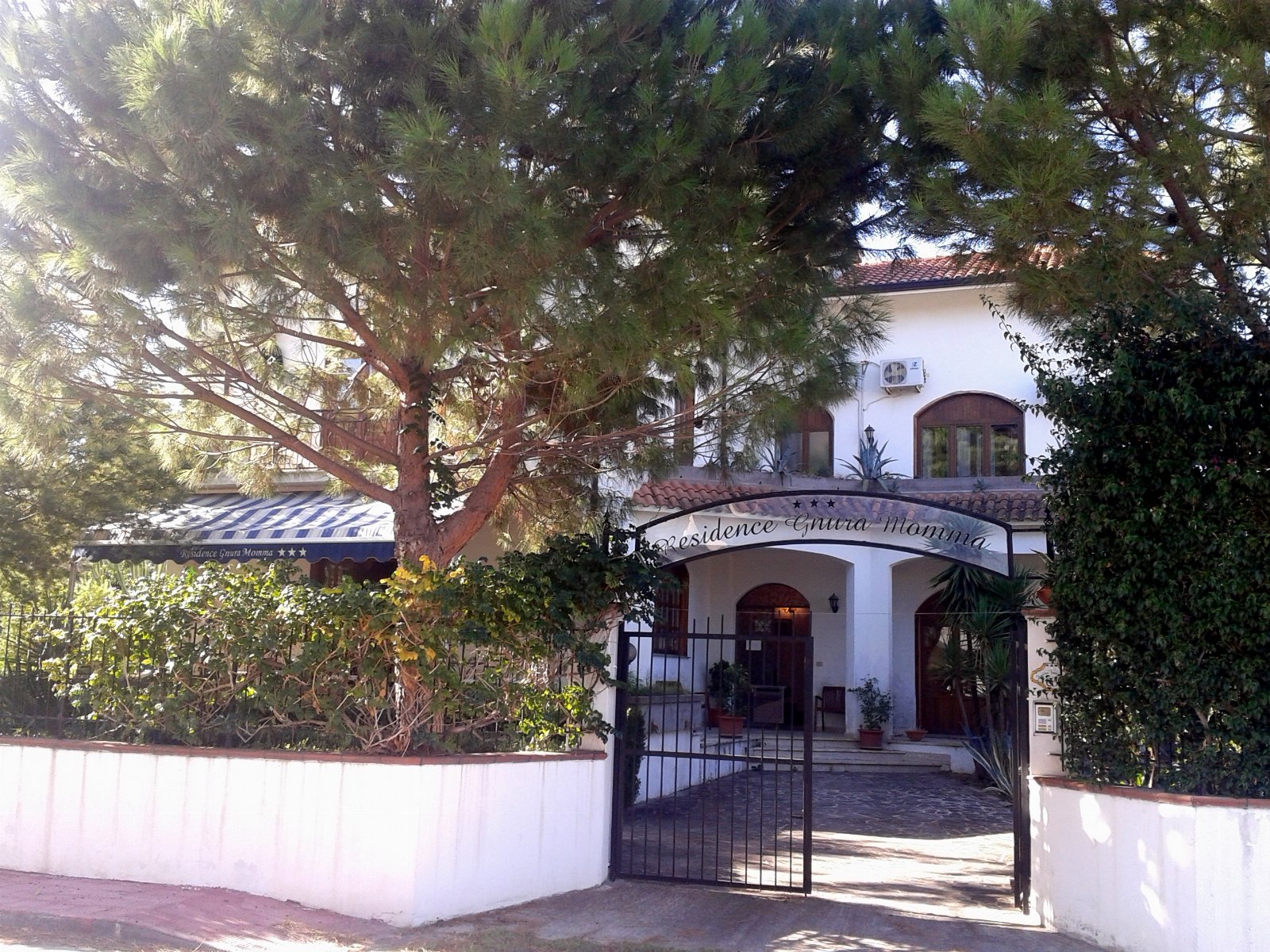
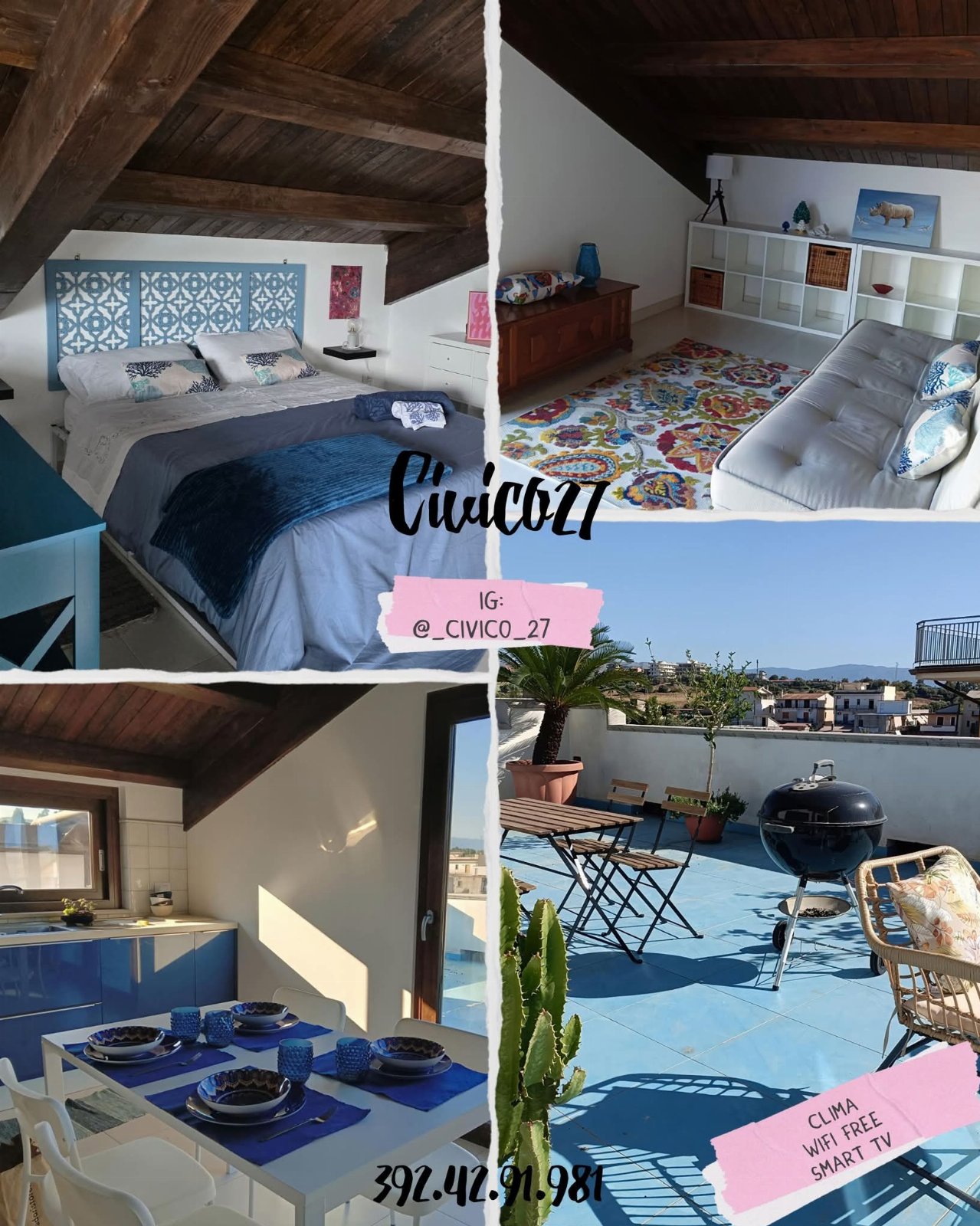
Choosing the right base is essential for a stress-free trip. Locri is centrally located, making it the most convenient point to reach both the archaeological sites and the mountain trails. By staying in the heart of the town, you have easy access to the train station, local shops, and the beach. A centralized location allows you to minimize travel time and maximize your exploration. A Locri are available 1 selected accommodation. Scopri gli alloggi a Locri.
How to arrive and move around
The most flexible way to explore the region is by car. You can rent a vehicle at the Lamezia Terme International Airport (SUF), which is the primary gateway to Calabria, and drive down the coast. The journey from the airport to Locri takes approximately 90 minutes and offers stunning views. If you prefer public transport, the train network connects the major coastal towns effectively. Regional trains run along the Ionian line, stopping at Locri, and are quite affordable.
Once you are in Locri, the town center is perfectly walkable. However, to visit inland villages like Gerace or the Aspromonte trails, having a car is highly recommended. Parking is generally easy to find, even in the peak summer months. If you decide not to rent a car, you can rely on local buses, though they run on a less frequent schedule, so planning your day in advance is key. Taxis are available but can be expensive for long distances.
Budget and practical tips
Calabria is one of Italy's most budget-friendly regions. A mid-range daily budget of 70-100 euros per person (including accommodation, food, and activities) is more than enough to enjoy a comfortable stay. When it comes to shopping, look for local products like bergamot essence, dried oregano, and artisanal ceramics. These make excellent souvenirs that capture the essence of the region.
For practical apps, download "Moovit" for local bus schedules and "Google Maps" for offline navigation—crucial when you are driving through the winding mountain roads of the Aspromonte. Also, keep in mind that many small shops in the interior close for a few hours in the afternoon for the traditional "riposo." Plan your activities accordingly, and always carry a bit of cash for smaller bars and markets where card machines might not be available. Enjoy the slow pace of life; that is the true luxury of a trip to Locri.