An Enchanting 3-Day Itinerary: Crotone, Calabria and the Shores of Myth
Welcome to Crotone, a city where the echoes of ancient Greece meet the vibrant pulse of modern Mediterranean life. Known historically as Kroton, the home of the philosopher Pythagoras, this city offers a unique blend of archaeological wonder, crystalline waters, and authentic Calabrian hospitality. If you are looking for a destination that remains off the beaten path while offering profound cultural depth, Crotone is your ideal starting point.
This three-day guide is designed to help you navigate the rich history of the Ionian coast while soaking in the sun-drenched atmosphere of Southern Italy. Whether you are a history buff, a beach lover, or a foodie seeking the true flavors of the Mediterranean, this itinerary will ensure you experience the very best of the region. Let’s embark on a journey through time and tide in one of Italy’s most underrated gems.
Day 1 — Discover Crotone: History, Markets, and Sea Breezes
Begin your morning in the heart of the historic center. Start at the National Archaeological Museum of Crotone, which houses artifacts from the ancient site of Capo Colonna, including the famous treasure of Hera Lacinia. After immersing yourself in history, wander through the narrow, winding alleys of the old town, where peeling facades and hidden courtyards tell the story of a city that has survived centuries of change. Make your way to the majestic Castle of Charles V, a fortress that stands as a sentinel over the city, offering panoramic views of the entire Gulf of Taranto.
In the afternoon, dive into the local culture by visiting the bustling markets near the harbor. The scent of fresh seafood and local produce fills the air as locals haggle for the catch of the day. It is the perfect time to stroll along the Lungomare, a beautiful seaside promenade that stretches for kilometers. Stop for a granita at a local café, watch the fishing boats bobbing in the water, and feel the gentle Ionian breeze. This is the authentic Crotone, a place that moves at its own relaxed, unhurried pace.
As evening falls, the city transforms. The streets fill with the sound of laughter and the clinking of glasses. Head to a traditional trattoria to taste the famous "pitta," a local flatbread, and sample dishes featuring Crotone’s signature pecorino cheese. After dinner, walk toward the harbor area where several lively bars offer a perfect vantage point to enjoy a digestivo while looking out at the shimmering reflections on the dark sea. If you are looking for a comfortable base for your stay, you can explore the best accommodation options in Crotone to ensure you are perfectly positioned for your adventure.
Day 2 — Excursions Around Crotone: Landscapes and Ancient Ruins
On your second day, venture beyond the city limits to discover the breathtaking surroundings of the Crotone province. Your first stop must be Capo Colonna, located just a few kilometers south. Here, the solitary Doric column—the last remaining piece of the once-grand Temple of Hera Lacinia—stands defiantly against the horizon. It is a place of immense spiritual and historical weight, where the land meets the sea in a dramatic display of natural beauty. Walking the path toward the cliff edge provides a perspective on the ancient world that is impossible to replicate anywhere else.
After soaking in the history, head toward the village of Santa Severina. Known as the "Ship of Stone," this medieval town is perched atop a cliff overlooking the Neto River valley. Its Byzantine-era castle is one of the best-preserved in the entire region. Wander through the town’s ancient streets, visit the Baptistery, and enjoy the silence that envelops this hilltop fortress. The panoramic views from the castle ramparts are truly spectacular, offering a bird’s-eye view of the rugged Calabrian landscape.
For the afternoon, choose between the pristine beaches of Le Castella or a relaxing drive through the rolling hills of the hinterland. Le Castella is famous for its Aragonese fortress, which is entirely surrounded by water and connected to the mainland by a thin strip of sand. It is an iconic sight that has graced countless postcards. Whether you choose to swim in the turquoise waters surrounding the castle or simply explore the nearby artisanal shops, the area offers a perfect conclusion to a day of exploration.
Day 3 — Sea, Nature, or Culture: Choose Your Adventure
On your final day, you have the freedom to curate your own experience based on your personal interests. Here are three distinct ways to spend your last day in this beautiful region:
- The Nature Lover’s Route: Head to the Sila National Park. Just over an hour's drive from Crotone, the Sila is a lush, mountainous plateau filled with ancient pine forests, crystal-clear lakes, and diverse wildlife. It is the perfect escape for those who want to trade the heat of the coast for the refreshing mountain air and scenic hiking trails.
- The Maritime Explorer’s Route: Book a boat excursion to the Marine Protected Area of Capo Rizzuto. This is one of the most significant marine reserves in Italy. With a glass-bottom boat or a snorkeling tour, you can discover hidden shipwrecks and a vibrant underwater world filled with colorful fish and thriving posidonia meadows.
- The Cultural Immersion Route: Spend a relaxed day visiting the smaller, lesser-known villages surrounding Crotone, such as Mesoraca or Petilia Policastro. These towns offer a glimpse into the traditional way of life in Calabria, with local artisan workshops, ancient churches, and slow-food experiences that celebrate the local culinary heritage.
Where to Eat During the Itinerary
Crotone is a paradise for food lovers, offering a mix of seafood and mountain-influenced dishes. For a high-end experience, look for restaurants near the Lungomare that specialize in "pesce azzurro" (blue fish). Expect to pay around 35-50 euros for a full seafood dinner with wine. For a budget-friendly lunch, seek out local bakeries that serve "pitta" stuffed with local vegetables, salami, or cheese—a quick and delicious meal that will cost you less than 10 euros.
Don't miss out on trying "Sardella," often called the "Calabrian caviar," a spicy fish spread that represents the soul of the local cuisine. Pair your meals with a glass of Cirò, the famous local wine produced from the Gaglioppo grape. Many of the best eateries are family-run businesses where the ingredients are sourced daily from the nearby markets, ensuring freshness and authentic flavors in every bite.
Where to Sleep
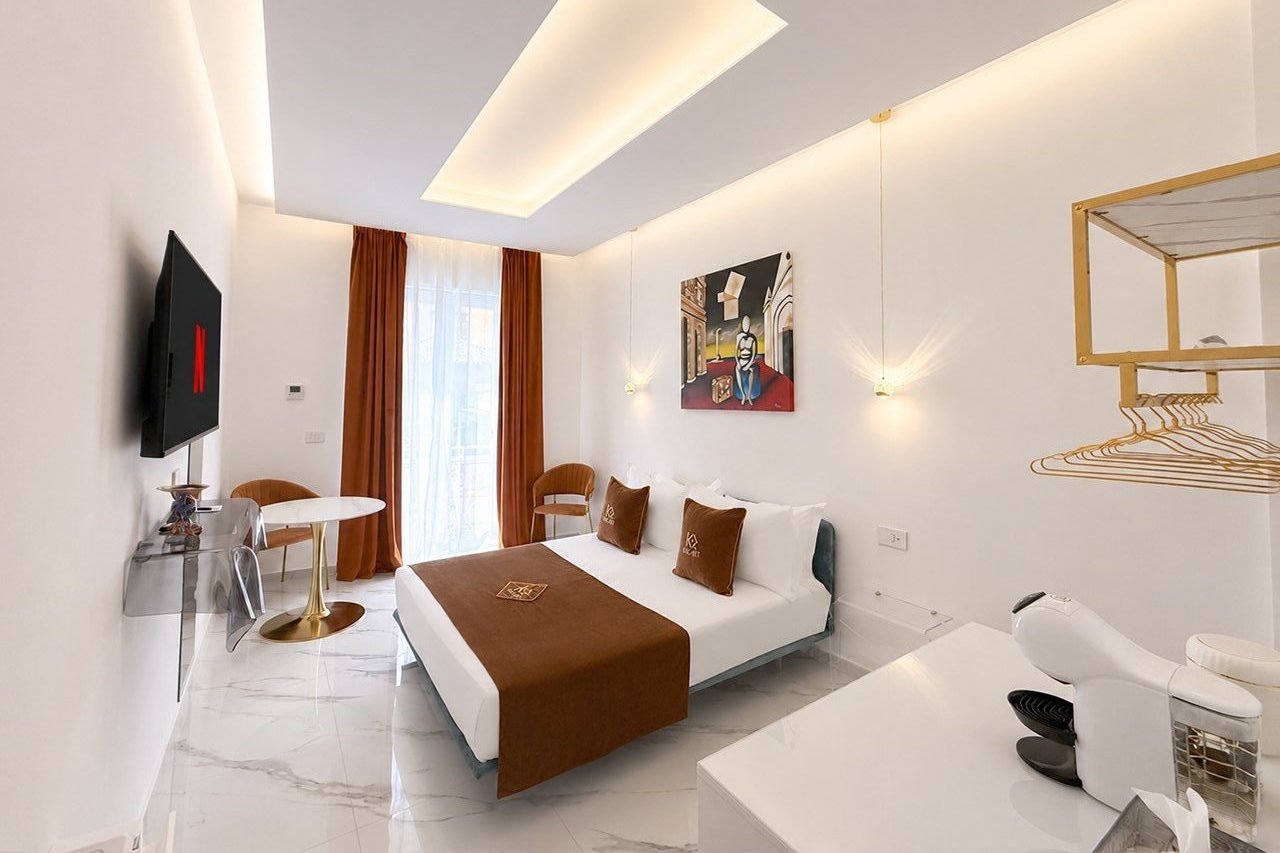
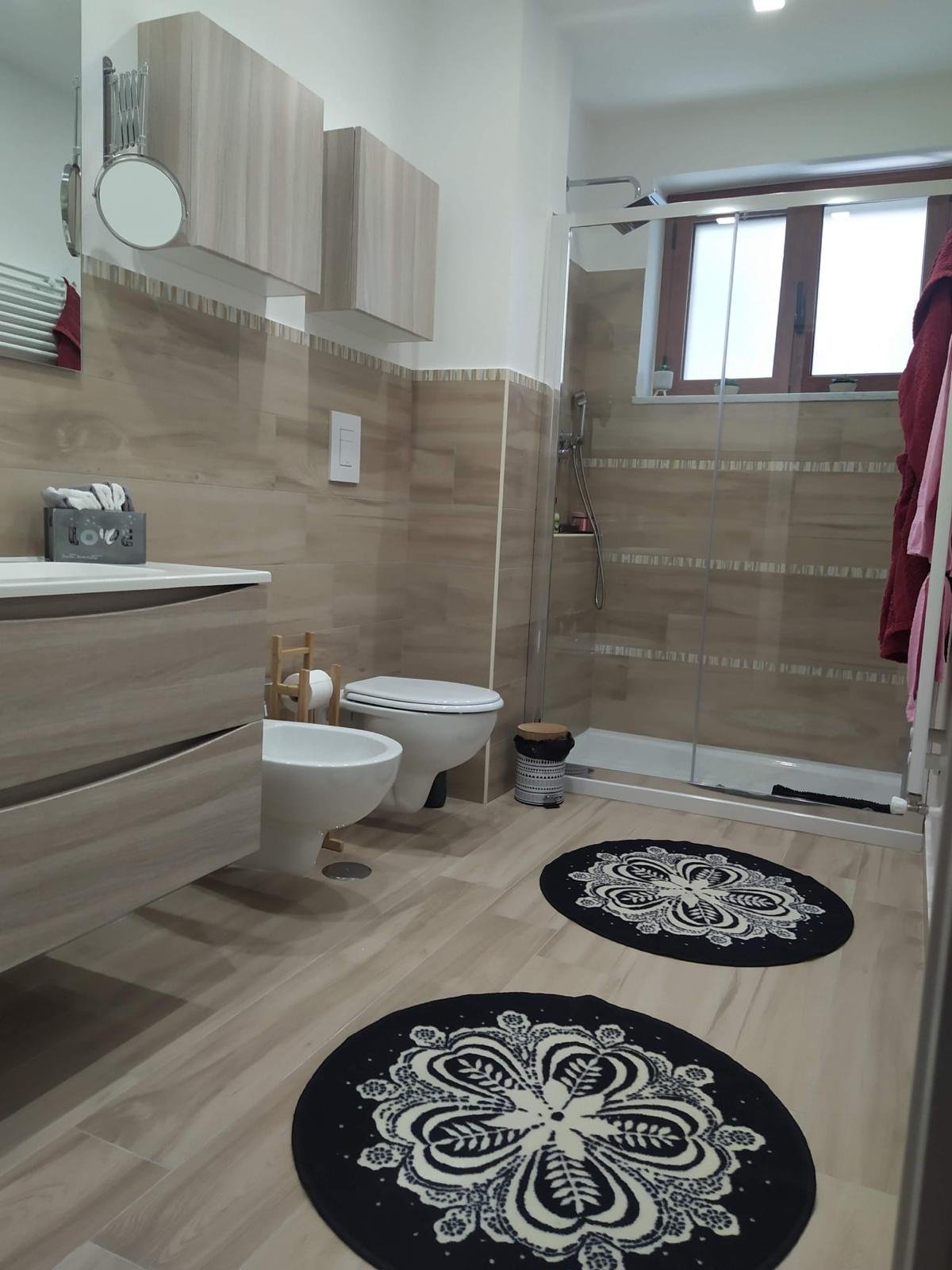
Staying in Crotone allows you to experience the city at night, when the local life truly comes alive. The city offers a variety of accommodations ranging from historic townhouses to modern seaside apartments. Having a central base makes it easy to move between the historical sites and the coastal areas. A central location is highly recommended to minimize travel time and maximize your experience. A Crotone are available 8 selected accommodations. Discover the accommodations in Crotone to find the perfect place for your stay.
How to Get There and Get Around
Reaching Crotone is straightforward, though having a car is highly recommended for exploring the surrounding regions. The Crotone Airport (Sant'Anna) offers limited connections, so many travelers fly into Lamezia Terme, which is the main hub for Calabria. From Lamezia, you can rent a car and drive about 90 minutes to reach Crotone. If you prefer public transport, there are train connections, though they can be slow and less flexible for visiting the smaller villages.
Once in the city, the historic center is easily walkable. However, to visit sites like Capo Colonna or Santa Severina, a rental car is essential. Parking is generally available, but be prepared for narrow streets in the older parts of the town. If you don't drive, local taxis and some bus services are available, but they require careful planning in advance.
Budget and Practical Tips
Crotone is a very affordable destination compared to the more famous tourist hotspots in Northern Italy. A daily budget of 80-120 euros per person (including accommodation, food, and activities) is more than sufficient for a comfortable trip. When shopping for souvenirs, look for local ceramics, hand-woven textiles, or bottles of high-quality olive oil and local wine, which make for perfect gifts.
Download apps like Google Maps for navigation and a reliable translation app to help with menus in smaller villages where English might not be widely spoken. Most importantly, remember that in Southern Italy, the "siesta" is still a real thing; many shops close between 1:30 PM and 4:30 PM. Plan your day accordingly, and embrace the slow pace—it is the secret to enjoying the true magic of Crotone.