Discovering the Ionian Pearl: A 3-Day itinerario Crotone Calabria
Welcome to the sparkling Ionian coast of southern Italy, a land where ancient Greek mythology blends seamlessly with rugged landscapes and pristine beaches. If you are planning a trip to this undiscovered corner of the Mediterranean, crafting the perfect itinerario Crotone Calabria is the key to experiencing the profound beauty of the region. Known historically as Kroton, this city was once a powerhouse of Magna Graecia and the chosen home of the legendary philosopher Pythagoras. Today, it serves as an extraordinary gateway to exploring authentic southern Italian culture.
This comprehensive three-day guide is designed to help English-speaking travelers navigate the best that Crotone and its surrounding province have to offer. From the golden artifacts of ancient goddesses to the spicy, robust flavors of traditional Calabrian cuisine, every moment here is steeped in history and passion. Whether you are a history buff, a beach lover, or a culinary enthusiast, this itinerary will ensure you capture the true essence of the Calabrian spirit.
Day 1 — Discover Crotone: Ancient History, Lively Markets, and Coastal Evenings
Your first morning in Crotone should begin with a deep dive into its glorious past. Start your day at the imposing Castle of Charles V, a massive 16th-century fortress built to defend the city from pirate incursions. Wandering through its robust stone walls provides panoramic views of the Ionian Sea and the city below. Just a short walk from the castle is the National Archaeological Museum of Crotone. Here, you will find one of the most significant collections of Magna Graecia artifacts, including the breathtaking Golden Diadem of Hera Lacinia, a masterpiece of ancient jewelry that will leave you in awe of the city's ancient wealth.
As the morning transitions into the afternoon, immerse yourself in the vibrant local life by heading to Piazza Pitagora, the beating heart of the modern city. From here, take a leisurely stroll through the historic center's narrow alleys, where you will stumble upon lively local markets. The air here is filled with the scent of wild oregano, sun-dried tomatoes, and fresh seafood. Take the time to mingle with the friendly vendors and perhaps pick up some fresh fruit or local cheeses. Afterward, make your way to the Lungomare Cristoforo Colombo, Crotone's expansive seaside promenade, perfect for a relaxing afternoon walk with a gelato in hand.
When the sun sets, the Lungomare transforms into the epicenter of Crotone's nightlife. For your first dinner, choose a traditional trattoria in the historic center to taste authentic local dishes. You cannot leave without trying a plate of pasta paired with a glass of robust Cirò wine. After dinner, join the locals for a passeggiata (evening stroll) along the illuminated waterfront, or grab a cocktail at one of the many stylish lounge bars facing the beach. If you haven't booked your room yet, finding a comfortable stay in Crotone is highly recommended to keep you close to the evening action.
Day 2 — Excursions in the Surroundings: Mythological Ruins and Aragonese Castles
On your second day, it is time to venture just outside the city limits to witness some of Calabria's most iconic landmarks. Start your morning with a short drive south to the Capo Colonna Archaeological Park. This sacred promontory was once the site of the magnificent Temple of Hera Lacinia, one of the most important sanctuaries in the ancient Mediterranean. Today, a single, solitary Doric column remains standing, dramatically overlooking the crashing blue waves of the Ionian Sea. The adjacent museum offers fascinating insights into the underwater archaeological discoveries made in the surrounding waters.
In the afternoon, continue your journey south along the coast to the breathtaking village of Le Castella, located within the Isola di Capo Rizzuto Marine Protected Area. The absolute highlight here is the Aragonese Fortress, a 15th-century castle that appears to float magically on the water, connected to the mainland only by a thin strip of sand. You can explore the castle's ancient rooms, climb its cylindrical tower for spectacular coastal views, or take a glass-bottom boat tour to observe the rich marine life and underwater ruins surrounding the fortress.
As evening approaches, the village of Le Castella offers the perfect backdrop for a magical sunset. The fading light casts a golden hue over the ancient stone of the fortress, creating a paradise for photography enthusiasts. Settle down at a seaside restaurant overlooking the castle for dinner. This area is renowned for its exceptional seafood, so a dish of fresh swordfish or a rich seafood risotto is the perfect way to conclude a day of historical exploration.
Day 3 — Sea, Nature, or Culture: Choose Your Own Calabrian Adventure
For your final day, the Crotone province offers diverse landscapes that cater to different travel styles. Alternative 1: The Beach Lover's Paradise. If you want to experience some of the best waters in Italy, head north to Cirò Marina or Punta Alice. These beaches have repeatedly been awarded the prestigious Blue Flag for their crystal-clear waters and pristine sandy shores. Spend the day swimming in the warm Ionian Sea, sunbathing on the quiet beaches, and enjoying a casual seafood lunch at a local lido (beach club).
Alternative 2: The Call of the Mountains. If you prefer crisp mountain air and lush greenery, drive inland to the Sila National Park. Within just an hour and a half from the coast, you will find yourself surrounded by towering Corsican pine trees and serene lakes. Visit Villaggio Palumbo for excellent hiking trails, or rent a mountain bike to explore the pristine wilderness. The Sila mountains are also famous for their unique gastronomy, offering a hearty contrast to the coastal seafood with dishes featuring wild mushrooms, potatoes, and game meats.
Alternative 3: The Wine Connoisseur's Journey. Calabria is experiencing a renaissance in winemaking, and the hills around Crotone are the epicenter of this movement. Dedicate your day to exploring the vineyards of Cirò, the birthplace of the region's most famous DOC wine. Many local wineries, such as Librandi or Senatore Vini, offer comprehensive tasting tours. You will learn about the ancient Gaglioppo grape, which has been cultivated here since the time of the ancient Greeks, and enjoy guided tastings paired with local cured meats and cheeses.
Where to Eat During the Itinerary: Calabrian Flavors and Local Budgets
Dining in the province of Crotone is a sensory revelation, characterized by bold flavors, spicy kicks, and incredibly fresh ingredients. A must-try local specialty is Sardella, often referred to as the "caviar of the South." It is a spicy paste made from whitebait and Calabrian chili peppers, traditionally spread on crusty local bread. You also must sample Pecorino Crotonese DOP, a savory sheep's milk cheese that pairs perfectly with local honey or marmalade.
For your daily meals, Crotone offers a range of excellent options. For an upscale seafood experience, Ristorante Da Ercole is a local institution where you can expect to pay around €40 to €60 per person for an unforgettable meal of freshly caught fish. If you are looking for a more casual, traditional inland experience, seek out an agriturismo (farmhouse restaurant) where a massive multi-course meal of antipasti, homemade pasta like maccarruni, and grilled meats will cost a very reasonable €25 to €35 per person.
For quick lunches during your excursions, local bakeries (panifici) are your best friend. Grab a slice of rustic pizza or a pitta stuffed with local ingredients for under €5. Regardless of where you choose to eat, the average food budget in this part of Calabria is delightfully affordable compared to Italy's more tourist-heavy northern regions, allowing you to feast like royalty without breaking the bank.
Where to Sleep: Finding Your Perfect Base in Crotone
Choosing Crotone as the base for your three-day itinerary is a highly strategic decision. The city is perfectly situated halfway between the pristine northern beaches of Cirò and the historical marvels of Capo Rizzuto to the south. Staying in the city center means you have immediate access to evening entertainment, excellent dining, and morning markets without needing to drive after a long day of exploring.
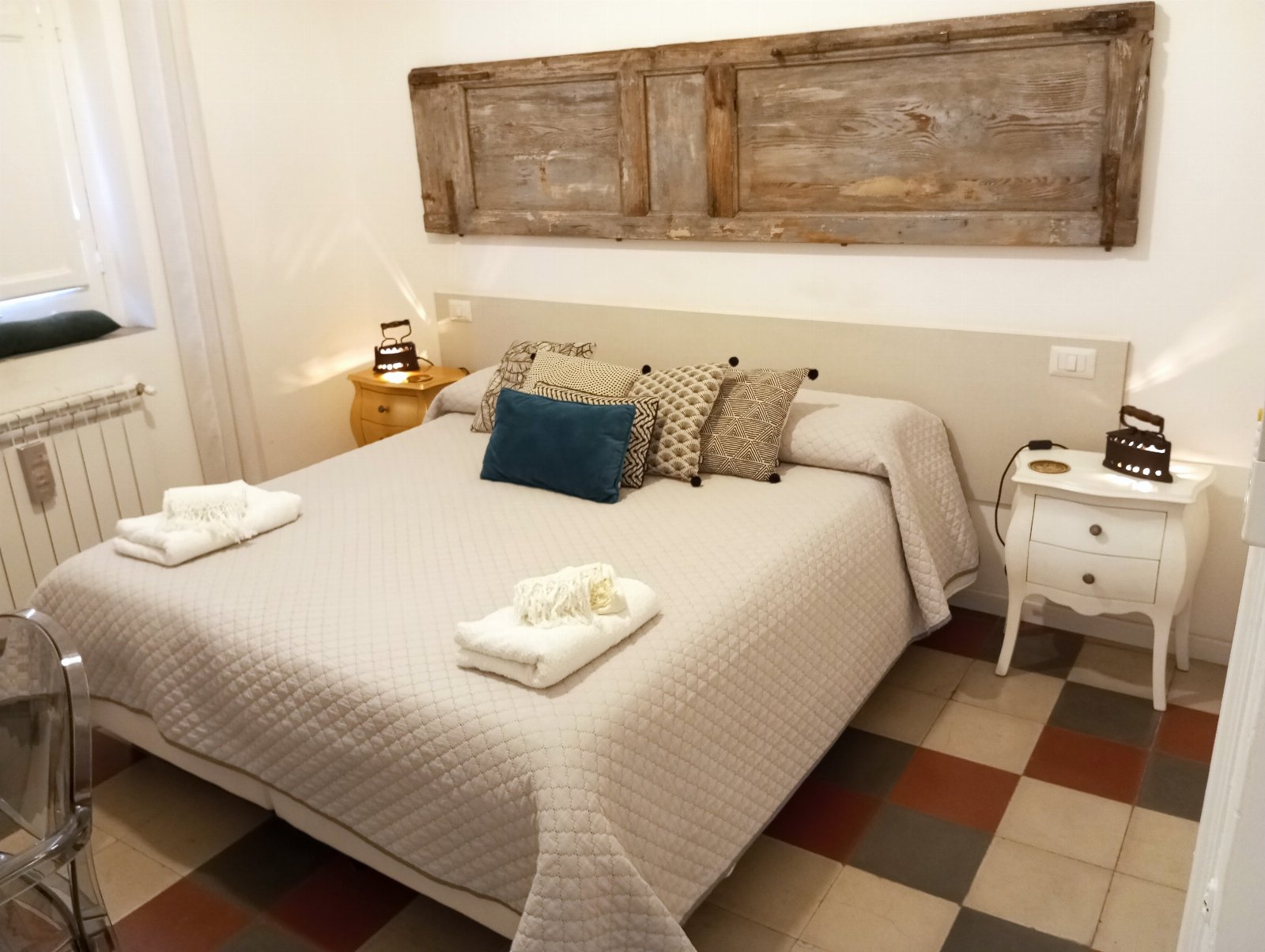
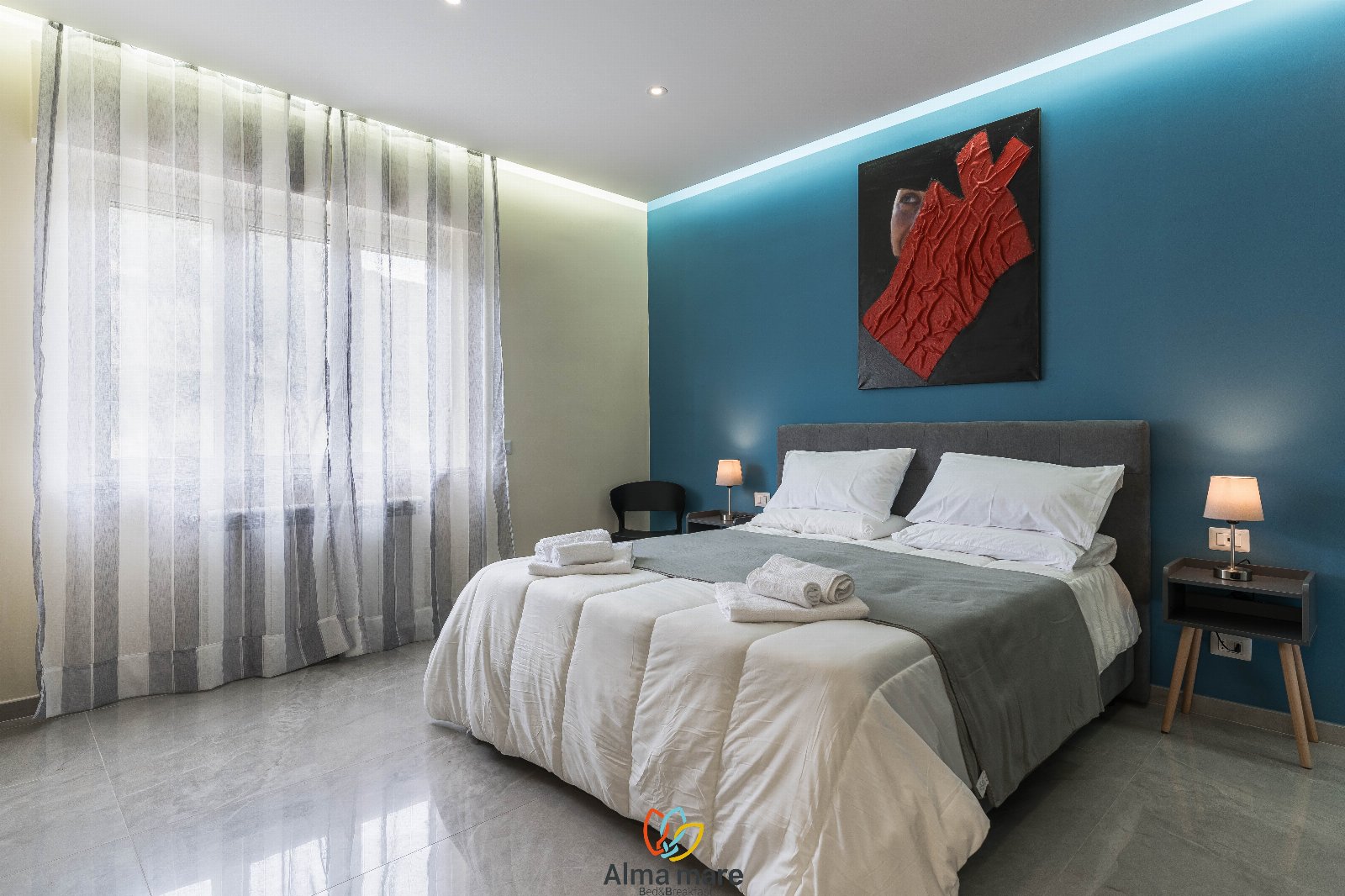
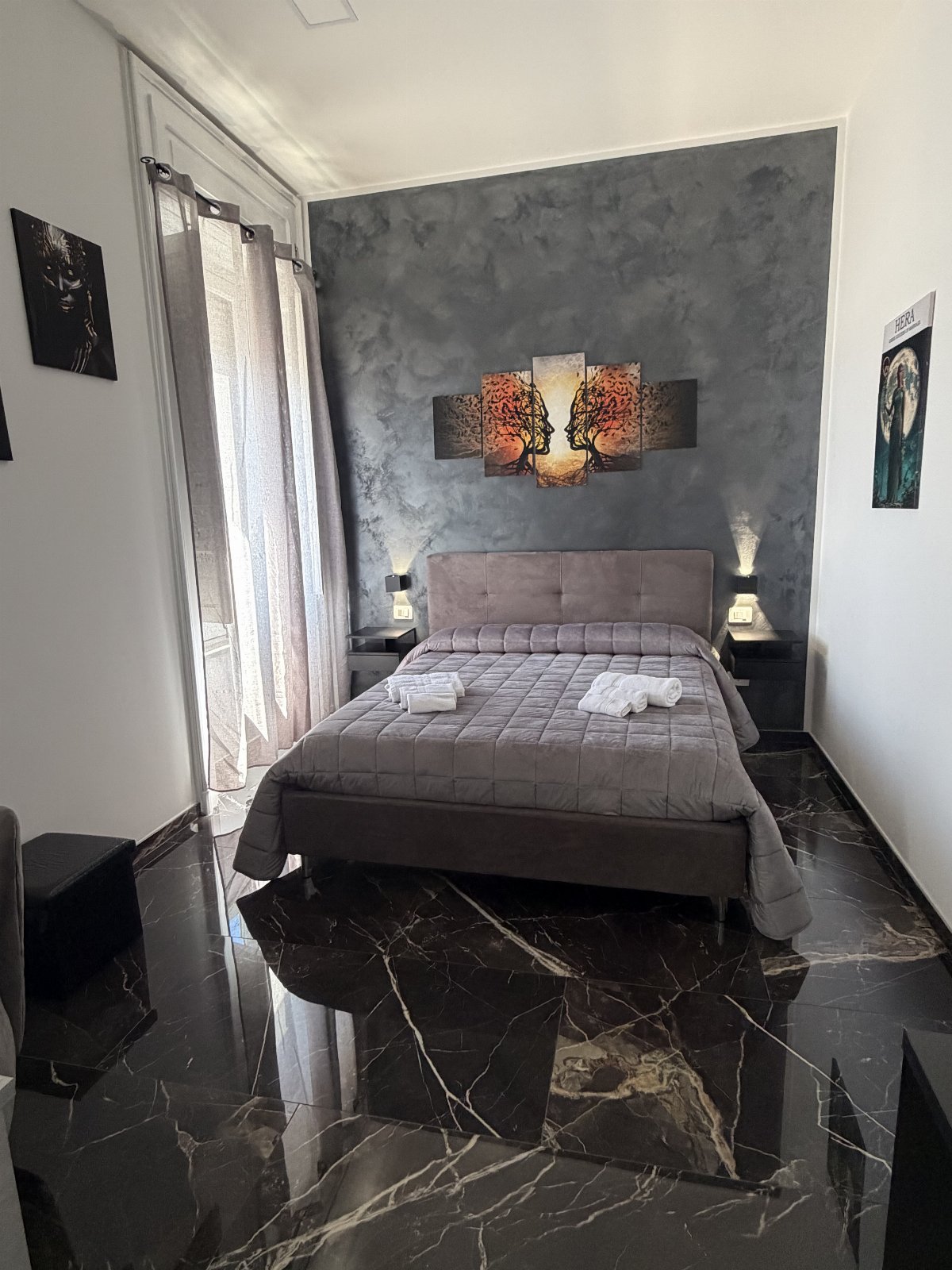
Whether you prefer a boutique bed and breakfast overlooking the historic alleys or a modern apartment near the lively Lungomare, the city has options to suit every traveler. In Crotone, 5 selected accommodations are available. Discover accommodations in Crotone to find the perfect resting place that fits your style and budget.
Waking up in Crotone allows you to experience the authentic rhythm of a southern Italian morning. Enjoying a slow cappuccino and a freshly baked cornetto while watching the fishermen bring in their daily catch is an experience that truly grounds you in the local culture before you set off on your daily adventures.
How to Get There and Get Around: Navigating the Ionian Coast
Reaching Crotone is relatively straightforward, though it requires a bit more planning than visiting Rome or Florence. The city is served by the small Crotone-Sant'Anna Airport, which offers seasonal flights from a few European hubs. Alternatively, you can fly into the much larger Lamezia Terme International Airport, which is about a 90-minute drive across the scenic Calabrian isthmus.
If you are traveling by train, the Ionian railway line connects Crotone to major southern hubs like Taranto to the north and Reggio Calabria to the south. However, to truly execute this itinerary and explore the hidden gems of the province, renting a car is absolutely essential. Public transportation outside the main city can be sparse and infrequent.
Driving in Calabria offers immense freedom. The main coastal highway, the SS106 (often called the Jonica), connects all the major coastal towns. The roads are generally well-maintained, though driving in the historic city centers can be tight. Having a car allows you to spontaneously stop at a hidden beach cove or pull over to buy fresh fruit from a roadside vendor, turning your transit time into an adventure of its own.
Budget and Practical Tips for Your Calabrian Getaway
One of the most appealing aspects of a Calabrian holiday is its affordability. Crotone remains untouched by mass tourism pricing. A standard espresso at a local bar costs around €1.20, while a generous scoop of artisanal gelato is rarely more than €2.50. Accommodation is equally budget-friendly; you can easily find fantastic Crotone vacation rentals or B&Bs for €60 to €90 per night, even during the warmer months.
When it comes to souvenirs, skip the mass-produced magnets and look for authentic local crafts. Crotone has a rich tradition of goldsmithing, heavily inspired by its Magna Graecia roots. Purchasing a small piece of jewelry modeled after ancient Greek designs makes for a unique keepsake. Additionally, bringing home culinary treasures like a bottle of Cirò wine, vacuum-sealed Pecorino Crotonese, or a jar of fiery Calabrian chili paste will allow you to relive your trip through your tastebuds.
Practically speaking, make sure to download offline maps on Google Maps, as cellular service can occasionally drop in the rural mountainous areas of the Sila. The Trenitalia app is useful if you plan to take any regional trains, and carrying a bit of cash is always recommended, as smaller vendors at local markets or remote beach kiosks may not accept credit cards. Embrace the slow pace of the South, keep an open heart, and Crotone will reward you with an unforgettable Italian holiday.