The Ultimate 3-Day Itinerary Bova Calabria: Uncover the Grecanic Soul of the South
Welcome to the deep south of Italy, a place where rugged mountains cascade into the crystalline waters of the Ionian Sea, and ancient traditions refuse to fade. If you are planning a trip to Calabria, venturing into the Aspromonte mountains to discover its hidden gems is an absolute must. At the heart of this mystical region lies Bova, the undisputed capital of "Calabria Greca" (Grecanic Calabria), where an ancient dialect derived from Homeric Greek is still spoken by the elders.
Perched at an altitude of over 800 meters, Bova offers breathtaking panoramic views, centuries of history, and a culinary tradition that will leave you craving more. This village is officially recognized as one of the "Borghi più belli d'Italia" (Most Beautiful Villages in Italy), and it serves as the perfect base camp for exploring the southernmost tip of the Italian peninsula.
This comprehensive itinerary in Bova, Calabria, is designed to help you experience the very best of the region over three unforgettable days. From exploring ancient ruins and ghost towns to tasting unique local delicacies and hiking through pristine national parks, get ready to immerse yourself in an authentic, off-the-beaten-path Italian adventure.
Day 1 — Discover Bova: History, Culture, and Breathtaking Views
Begin your first morning by diving straight into the historical heart of Bova. Start your walking tour at Piazza Roma, the main square, where you will surprisingly find an old steam locomotive on display. From here, let yourself get lost in the labyrinth of narrow, winding alleys known locally as vineddi. Make your way up to the ruins of the Norman Castle, perched at the very top of the rocky spur. The climb requires a bit of effort, but the 360-degree view stretching from the rugged peaks of the Aspromonte National Park all the way to the sparkling Ionian Sea and the distant silhouette of Mount Etna in Sicily is absolutely worth it.
In the afternoon, slow down the pace and delve into the village's fascinating cultural heritage. Visit the Concattedrale di Santa Maria dell'Isodia, an ancient church that houses beautiful artworks and a revered statue of the Madonna. Next, head to the Museo di Paleontologia e Scienze Naturali dell'Aspromonte. This small but incredibly well-curated museum showcases the geological history of the region, featuring fascinating fossils and exhibits that explain how these majestic mountains were formed beneath the sea millions of years ago. Afterward, take a leisurely stroll along the "Sentiero della Civiltà Contadina," an open-air museum path where traditional farming tools are displayed alongside explanatory panels, offering a glimpse into the hard but rewarding life of the local ancestors.
As evening approaches, the village of Bova takes on a magical, timeless atmosphere. The streetlights cast a warm glow on the ancient stone walls, and the air cools down significantly compared to the coast. This is the perfect time to settle into a cozy local trattoria for your first authentic Grecanic dinner. Order a platter of locally cured meats, pecorino cheese, and olives, followed by a hearty plate of homemade pasta. End your night with a quiet walk under a sky incredibly dense with stars, far away from the light pollution of modern cities.
Day 2 — Excursions in the Surroundings: Ghost Towns and River Valleys
On your second day, it is time to explore the fascinating surroundings of Bova. After a hearty breakfast, jump in your car and drive down the winding mountain roads towards one of the most evocative places in all of Southern Italy: Pentedattilo. This abandoned ghost town clings to a massive sandstone rock shaped like a giant, five-fingered hand (hence the Greek name Penta-daktilos). Wandering through its silent, ruined stone houses is a hauntingly beautiful experience. Today, the village is experiencing a slow rebirth thanks to local artisans who have opened small workshops selling ceramics, glasswork, and traditional crafts in the restored buildings.
After soaking in the mysterious atmosphere of Pentedattilo, continue your journey into the Amendolea river valley. The Fiumara dell'Amendolea is a wide, dry riverbed that fills with rushing water only during the heavy winter rains. The landscape here is stark, dramatic, and incredibly photogenic. Drive towards the village of Condofuri and hike up to the ruins of the Castello dell'Amendolea. The fortress dominates the valley and offers another spectacular vantage point over the rugged Calabrian terrain. The hike is relatively short but steep, so be sure to wear comfortable walking shoes and bring plenty of water.
In the late afternoon, make your way down to the coast to Bova Marina. The contrast between the isolated mountain villages and the lively coastal town is striking. Take a relaxing passeggiata (stroll) along the lungomare as the sun begins to set, casting golden hues over the Ionian Sea. You can visit the archaeological park of Archeoderi, which houses the remains of one of the oldest Jewish synagogues in Europe, dating back to the 4th century AD. Conclude your day with a refreshing gelato or an aperitivo by the beach before heading back up the mountain to your accommodation.
Day 3 — Sea, Nature, or Culture: Choose Your Own Adventure
For your third day, the Bova area offers diverse options depending on your personal travel style. If you are a nature lover, dedicate the day to the Aspromonte National Park. Drive deeper into the mountains towards the enchanting Cascate del Maesano (Maesano Waterfalls). The hiking trail takes you through dense forests of pine and beech trees, culminating in a spectacular three-tiered waterfall plunging into pristine rocky pools. Alternatively, explore the Rocca del Drako and the Caldaie del Latte near the village of Roghudi, where bizarre natural rock formations are steeped in local legends and folklore.
If your idea of a perfect vacation involves sun and sand, spend your final day relaxing on the stunning Ionian coast. The beaches around Palizzi Marina and Brancaleone are known for their crystal-clear waters and uncrowded shores. Brancaleone is famously known as the "City of the Sea Turtles," as it hosts a vital rescue and rehabilitation center for Caretta Caretta turtles. You can visit the sanctuary to learn about marine conservation efforts before laying your towel on the white pebbles of the beach, enjoying the warm Calabrian sun.
For history and culture enthusiasts, a day trip to Reggio Calabria is highly recommended. Located just about an hour's drive from Bova, this elegant coastal city is home to the Museo Archeologico Nazionale. Here, you can stand in awe before the world-famous Riace Bronzes—two magnificent, larger-than-life Greek statues dating back to the 5th century BC. After visiting the museum, take a walk along the Falcomatà Promenade, famously described by poet Gabriele D'Annunzio as "the most beautiful kilometer in Italy," and enjoy unparalleled views of the Strait of Messina.
Where to Eat During the Itinerary: A Taste of Grecanic Tradition
Calabrian cuisine is robust, flavorful, and deeply rooted in the land, and the Grecanic area has its own unique culinary identity. You absolutely cannot leave Bova without trying Lestopitta, a traditional unleavened bread that is fried and served piping hot, often stuffed with local cheeses, cured meats, or fresh tomatoes. Another staple is goat meat, which is traditionally slow-cooked in a rich tomato sauce or roasted with wild mountain herbs. Pasta lovers must try the maccheroni al ferretto, a handmade pasta shaped using a knitting needle, usually smothered in a rich pork ragù.
For a memorable dining experience in Bova, look for traditional osterias and agriturismos. Ristorante Grecanico and Trattoria La Lupa are excellent choices where you can taste these authentic dishes in a rustic, welcoming environment. The portions are generous, and the hospitality is incredibly warm. Be sure to pair your meals with a glass of Palizzi IGT, a robust local red wine that perfectly complements the strong flavors of the mountain cuisine. For dessert, look out for anything flavored with Bergamot, the rare citrus fruit that grows exclusively along this stretch of the Calabrian coast.
The average budget for eating out in this area is wonderfully affordable. A full, multi-course dinner at a traditional trattoria will typically cost between €25 and €35 per person, often including house wine. For quick lunches, grabbing a stuffed Lestopitta or a slice of local pizza will only set you back around €5 to €8, allowing you to eat incredibly well without breaking the bank.
Where to Sleep: The Magic of Staying in Bova
Choosing to sleep in Bova rather than on the coast offers a truly immersive travel experience. Staying in the historical center means waking up to the crisp, clean mountain air, the distant sound of church bells, and the smell of freshly baked bread. The village operates largely on the concept of an "Albergo Diffuso" (scattered hotel), where rooms and apartments are integrated into the ancient stone houses of the village. This setup allows you to live like a local, experiencing the authentic rhythm of the community.
The evenings in Bova are peaceful and romantic. After the daytime visitors have left, you will have the illuminated medieval alleys almost entirely to yourself. The altitude guarantees cool, comfortable nights even during the peak of summer, providing a welcome respite from the intense coastal heat. Moreover, staying here puts you in a strategic position to explore both the high peaks of the Aspromonte and the deep valleys of the Grecanic area.
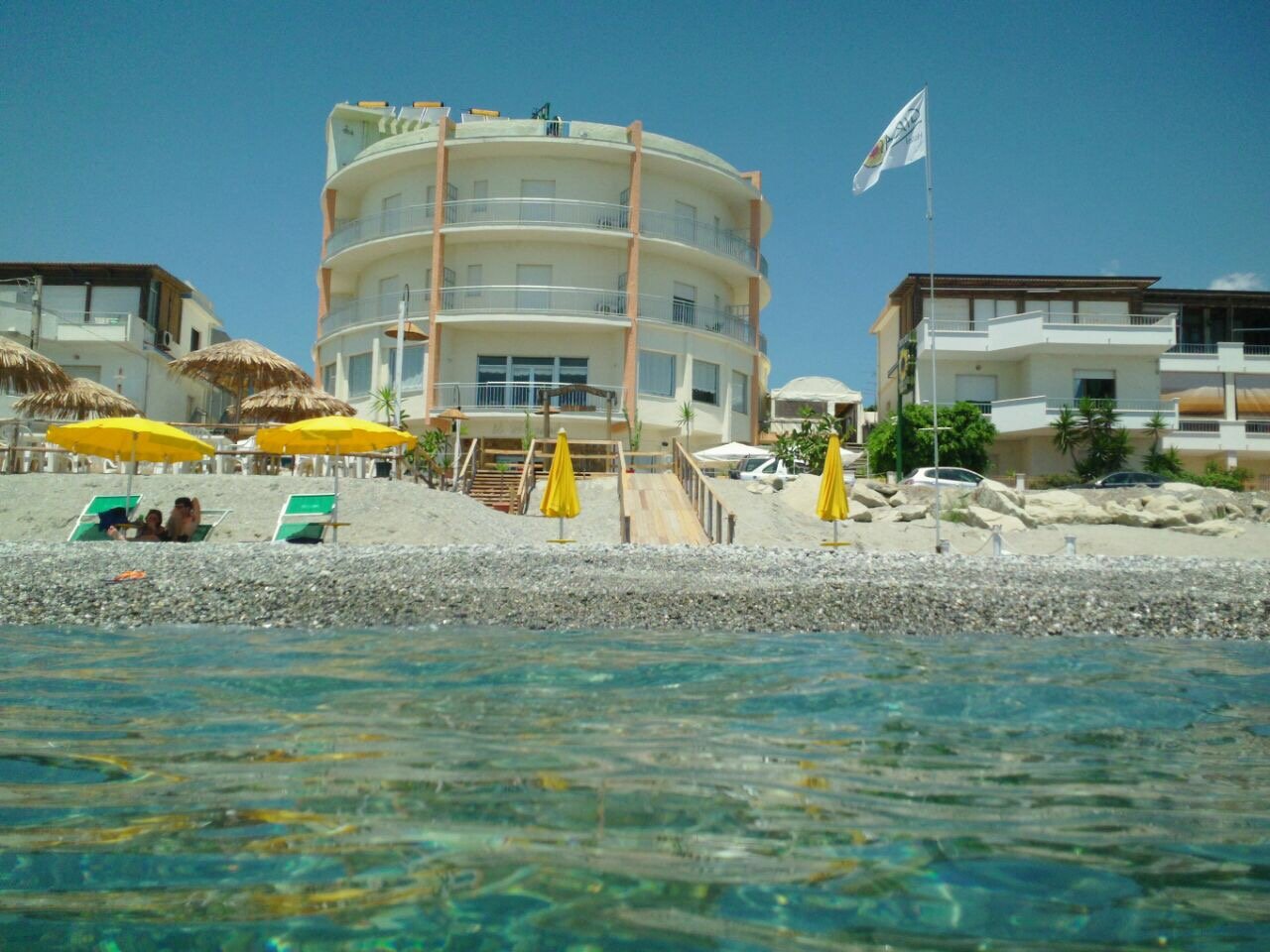
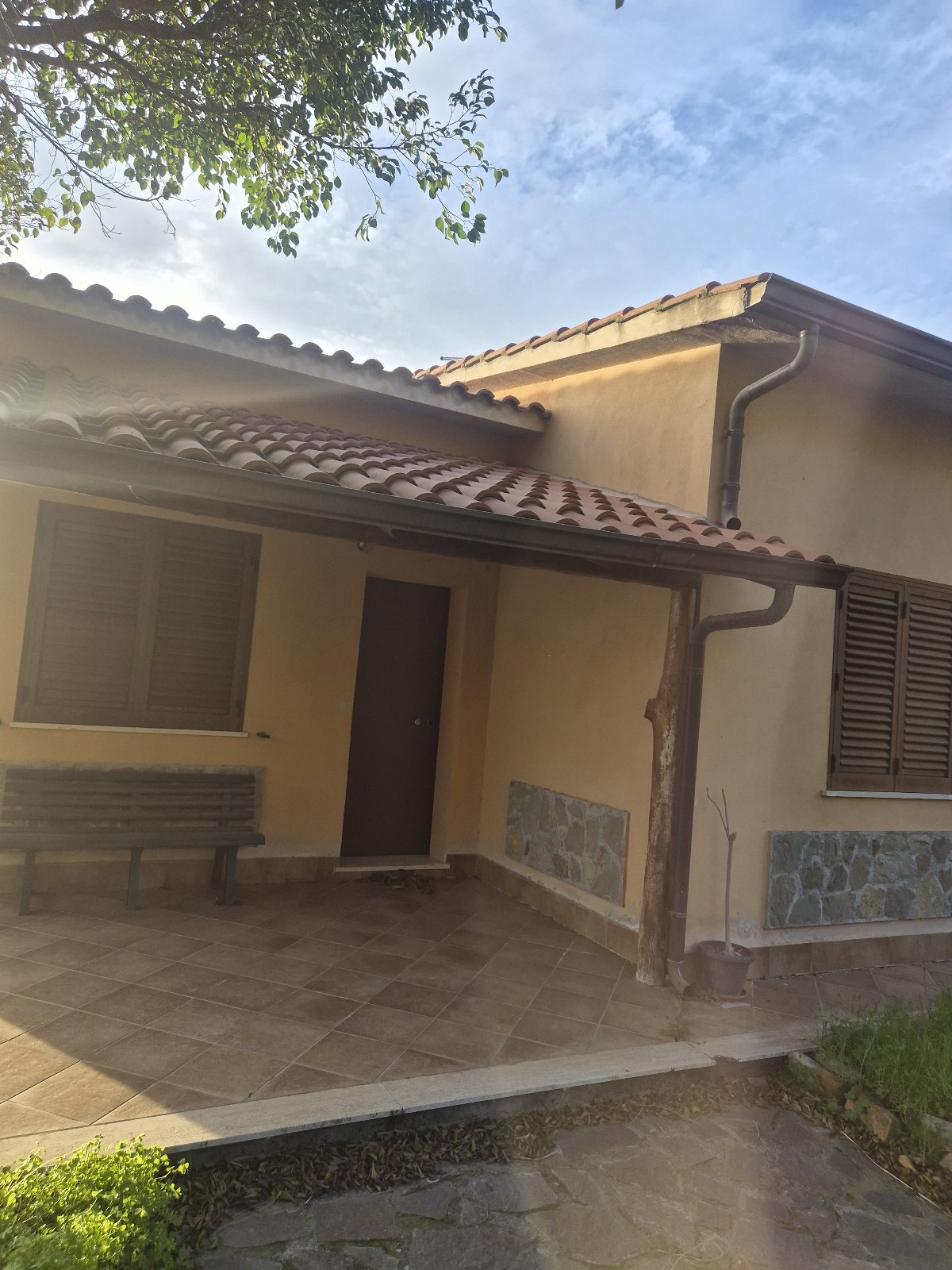
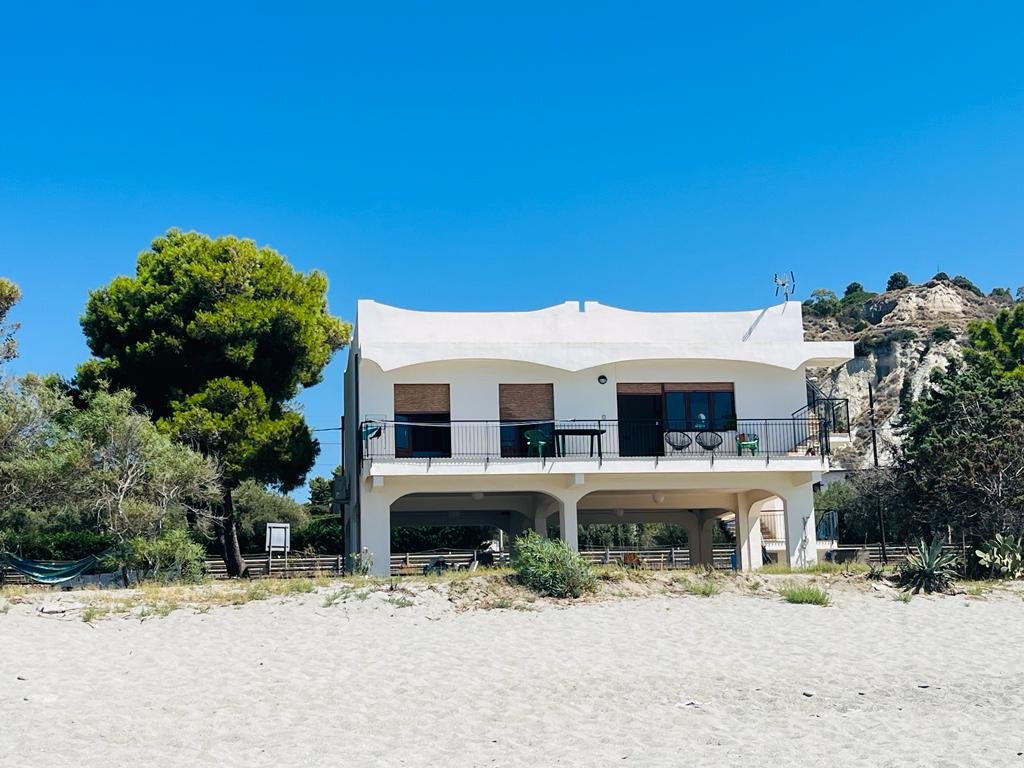
Whether you are looking for a cozy bed and breakfast with panoramic balconies or a self-catering apartment with rustic charm, you will find excellent options tailored to your needs. A Bova sono disponibili 11 alloggi selezionati. Scopri gli alloggi a Bova.
How to Get There and Get Around
Reaching Bova requires a bit of planning, but the journey is part of the adventure. The nearest major airport is the Reggio Calabria "Tito Minniti" Airport, located about 50 kilometers away (roughly a 1-hour drive). Alternatively, Lamezia Terme International Airport is about 170 kilometers away, which takes around 2 hours by car. Renting a car is absolutely essential for this itinerary. Public transportation in the Aspromonte mountains is sparse, and having your own vehicle gives you the freedom to explore hidden trails, ghost towns, and remote viewpoints at your own pace.
If you prefer to use the train for part of your journey, you can take a regional train along the Ionian coast to the "Bova Marina" station. However, from Bova Marina, you will need to catch a local bus or hire a taxi to navigate the 15-kilometer winding mountain road (SP23) up to Bova Superiore. Be aware that bus schedules are limited, especially on weekends and holidays.
Driving in this part of Calabria is an experience in itself. The SS106 highway runs along the coast, offering beautiful sea views, while the inland roads are characterized by steep inclines and sharp hairpin turns. Drive carefully, sound your horn on blind corners, and be prepared to occasionally share the road with wandering flocks of goats or sheep.
Budget and Practical Tips for Your Trip
One of the greatest advantages of visiting Calabria is its affordability. Compared to northern Italy or popular tourist hotspots like the Amalfi Coast, your money goes much further here. A daily budget of €70 to €100 per person is generally sufficient to cover a comfortable coastal accommodations near Bova, delicious meals, car rental, and fuel. Entrance fees to museums and archaeological sites are usually very low, often ranging from €3 to €8.
When it comes to souvenirs, skip the mass-produced magnets and opt for local gastronomic and artisanal treasures. Buy a bottle of pure Bergamot essential oil, renowned worldwide for its fragrance and health benefits. Pick up some fiery Calabrian chili powder, a jar of 'Nduja, or a wheel of aged Caciocavallo cheese. In towns like Bova and Pentedattilo, you can also find beautiful hand-woven textiles, known as pezzotti, made using traditional looms.
Finally, a few practical tips to make your trip smoother: cell phone reception can be very spotty in the Aspromonte mountains, so it is highly recommended to download offline maps on your smartphone before leaving the coast. Bring sturdy, comfortable walking shoes, as the ancient villages are characterized by steep, uneven cobblestone streets. Lastly, embrace the local pace of life—service in restaurants might be slower than you are used to, but it is the perfect excuse to sit back, pour another glass of wine, and soak in the timeless beauty of Calabria Greca.