Discover the Hidden Gem: Vibo Valentia Calabria, a Journey Through History and Sea
Perched on a natural terrace overlooking the Tyrrhenian Sea, Vibo Valentia is one of the most fascinating and historically significant cities in Southern Italy. Often overshadowed by the glitz of nearby Tropea, this provincial capital offers a much more authentic and intimate experience for the discerning traveler. Here, the echoes of Magna Graecia blend seamlessly with medieval fortifications and a vibrant, modern Italian lifestyle, making it a mandatory stop for anyone exploring the diverse landscapes of the region.
Visiting Vibo Valentia means stepping away from the typical tourist trails and immersing yourself in the true heart of Calabria. The city serves as a perfect cultural bridge between the mountains of the Serre and the crystal-clear waters of the Costa degli Dei. Whether you are a history buff, a culinary enthusiast, or simply a traveler looking for a peaceful base to explore the southern coast, Vibo Valentia offers a unique atmosphere characterized by its strategic position, panoramic views, and the warm, welcoming spirit of its inhabitants.
Why Visit Vibo Valentia — History, Atmosphere, and Character
The history of Vibo Valentia is a compelling tapestry of ancient civilizations. Originally founded by the Greeks as Hipponion in the 7th century BC, it later became the Roman colony of Vibo Valentia. Throughout the centuries, the city has been a crossroads of cultures, from the Byzantines and Normans to the Swabians and Aragonese. Walking through its historic center, you can still perceive the ancient urban layout, punctuated by majestic churches and noble palaces that tell stories of power, resilience, and artistic flourishing.
Beyond its historical prestige, Vibo Valentia boasts an atmosphere that is quintessentially Calabrian: unhurried, genuine, and deeply connected to the land. Unlike the seasonal resort towns that empty out in winter, Vibo remains a living, breathing city all year round. The local character is defined by a blend of intellectual curiosity and traditional values. Visitors are often struck by the contrast between the quiet, narrow alleys of the old town and the lively Corso Umberto I, where locals gather for their evening passeggiata, enjoying an espresso or a gelato while the sun sets over the Gulf of Sant'Eufemia.
The city's character is further enriched by its panoramic vantage points. Because it sits high on a plateau, the city offers breathtaking vistas that stretch across the sea to the Aeolian Islands on clear days. This constant visual connection to the horizon gives Vibo Valentia a sense of openness and inspiration that is hard to find elsewhere. It is a place where every corner seems to hide a secret, whether it is a crumbling stone archway, a vibrant local market, or a hidden garden smelling of jasmine and citrus.
What to See in Vibo Valentia — Must-Visit Attractions
The crown jewel of the city is undoubtedly the Norman-Swabian Castle. Perched on the highest point of the hill, this fortress was built on the foundations of the ancient Greek acropolis. Today, it houses the State Archaeological Museum "Vito Capialbi," which displays an incredible collection of artifacts, including the famous Laminetta Aurea, a gold leaf inscribed with mysterious funerary texts. Exploring the castle walls offers not only a deep dive into the region's past but also the best panoramic view of the entire Vibo Marina coastline.
Another architectural highlight is the Cathedral of Santa Maria Maggiore e San Leoluca. Built on the site of an ancient Byzantine church, it features a stunning marble portal dating back to the 16th century and houses precious works of art, including a beautiful terracotta statue of the Madonna della Neve by Gagini. The interior is a peaceful sanctuary that showcases the religious devotion and artistic heritage of the city’s inhabitants throughout the centuries.
For those interested in the natural history and local culture, the MURE (Museum of Rural Life) provides a fascinating glimpse into the past. It showcases the tools, crafts, and traditions of the Calabrian farmers who shaped the landscape of the province. Additionally, the Church of the Rosario, with its intricate Baroque stucco decorations, is a masterpiece of local craftsmanship that shouldn't be missed. Walking from the castle down to the lower town, you will encounter various noble palaces, such as Palazzo Gagliardi, which display the architectural elegance that defined the city’s golden age.
The Beaches and Nature Around Vibo Valentia
While the city center sits on a hill, the territory of Vibo Valentia extends down to the coast, specifically at Vibo Marina. This area is the gateway to the famous "Coast of the Gods," known for its white sandy beaches and turquoise waters. Just a short drive away, you can reach the iconic cliffs of Capo Vaticano or the picturesque town of Tropea. The coastline here is incredibly diverse, alternating between secluded coves reachable only by boat and well-equipped lidos that cater to families and sun-seekers.
Beyond the sea, the hinterland is a paradise for nature lovers. The Serre Regional Park is within easy reach, offering a completely different perspective of Calabria. Here, the landscape changes to lush forests, mountain streams, and ancient monasteries like the Certosa di Serra San Bruno. This area is perfect for hiking, mountain biking, or simply escaping the summer heat. The contrast between the Mediterranean scrub of the coast and the dense, cool woodlands of the mountains is what makes the province of Vibo Valentia so unique.
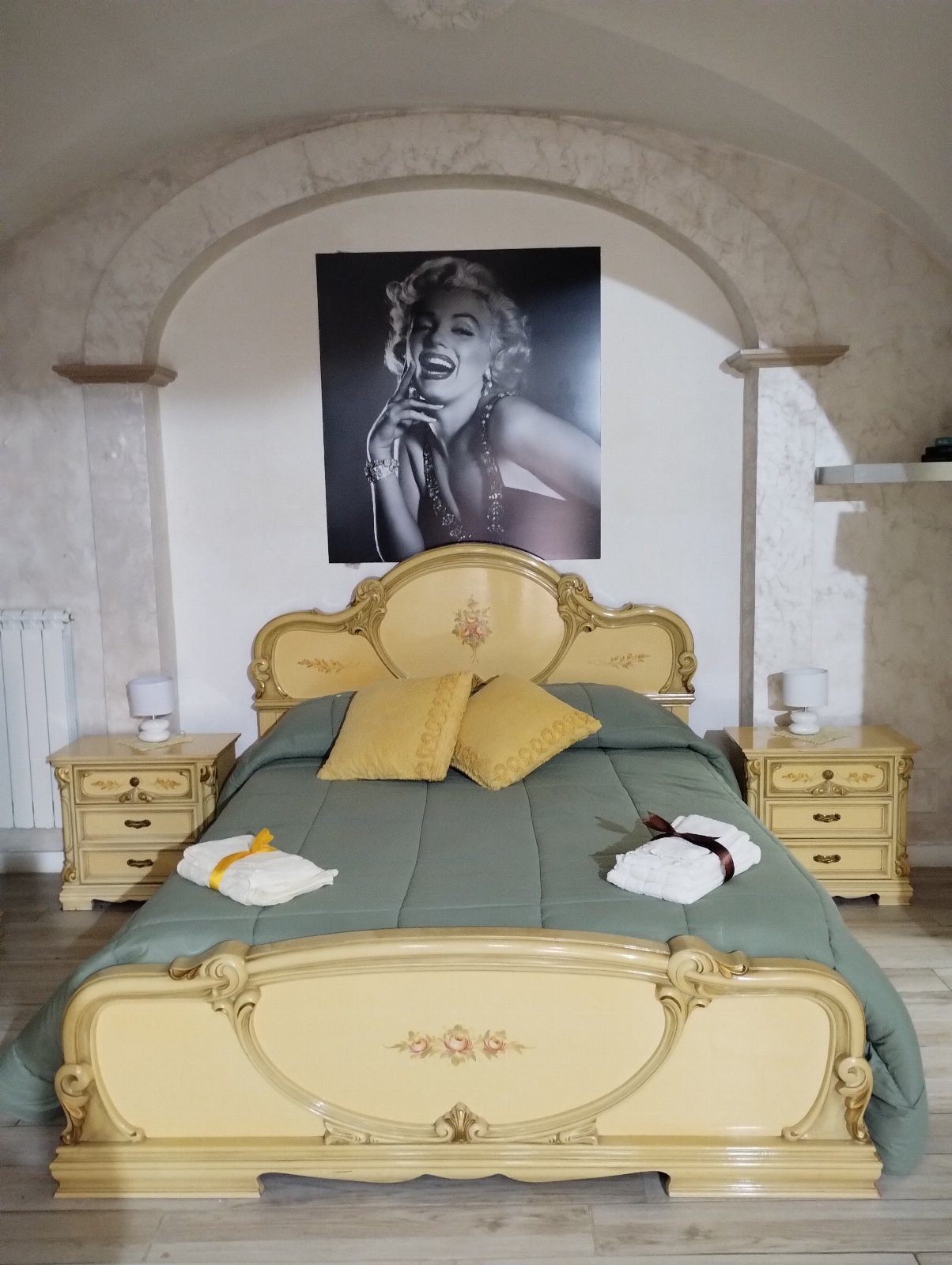
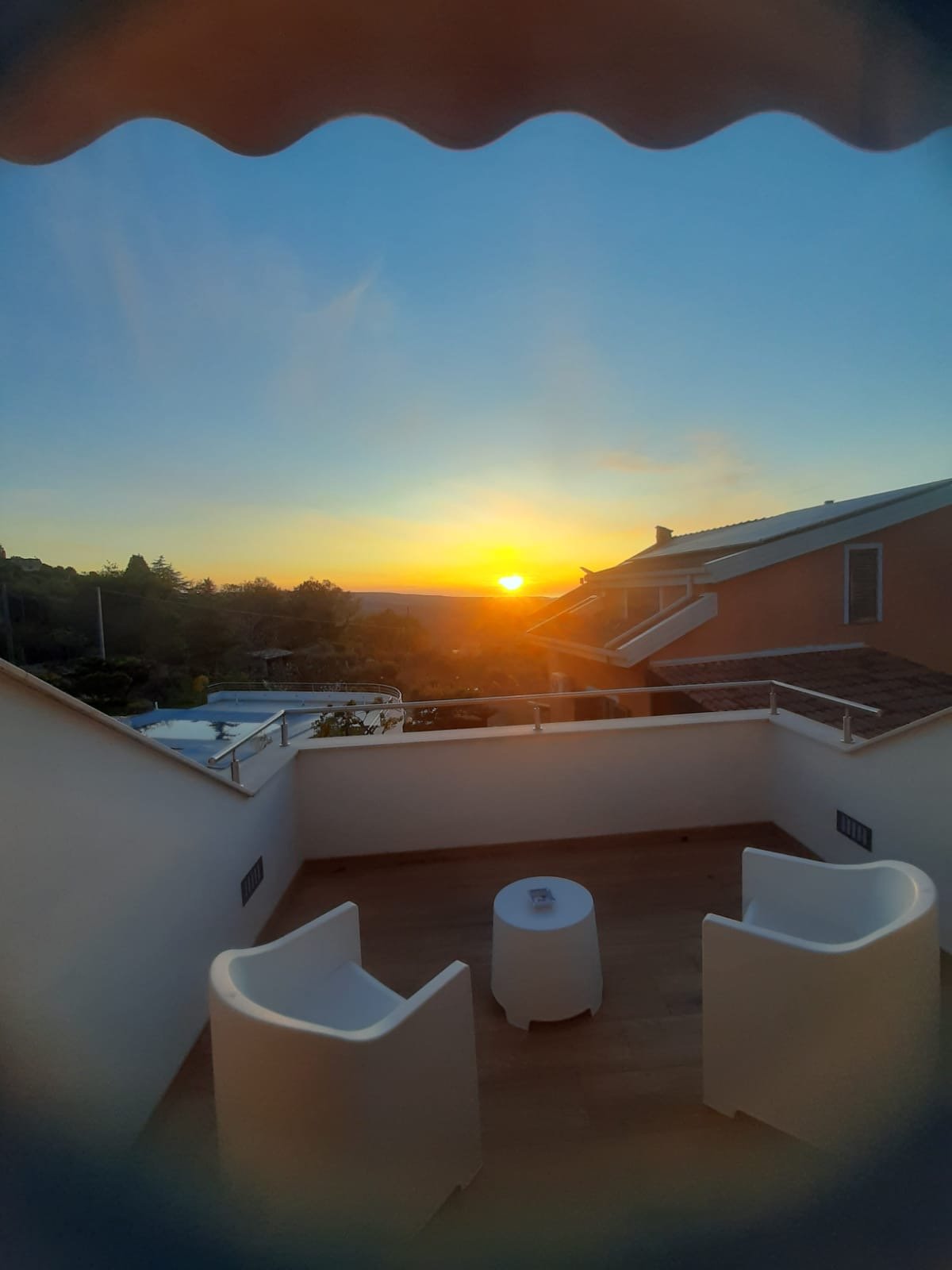
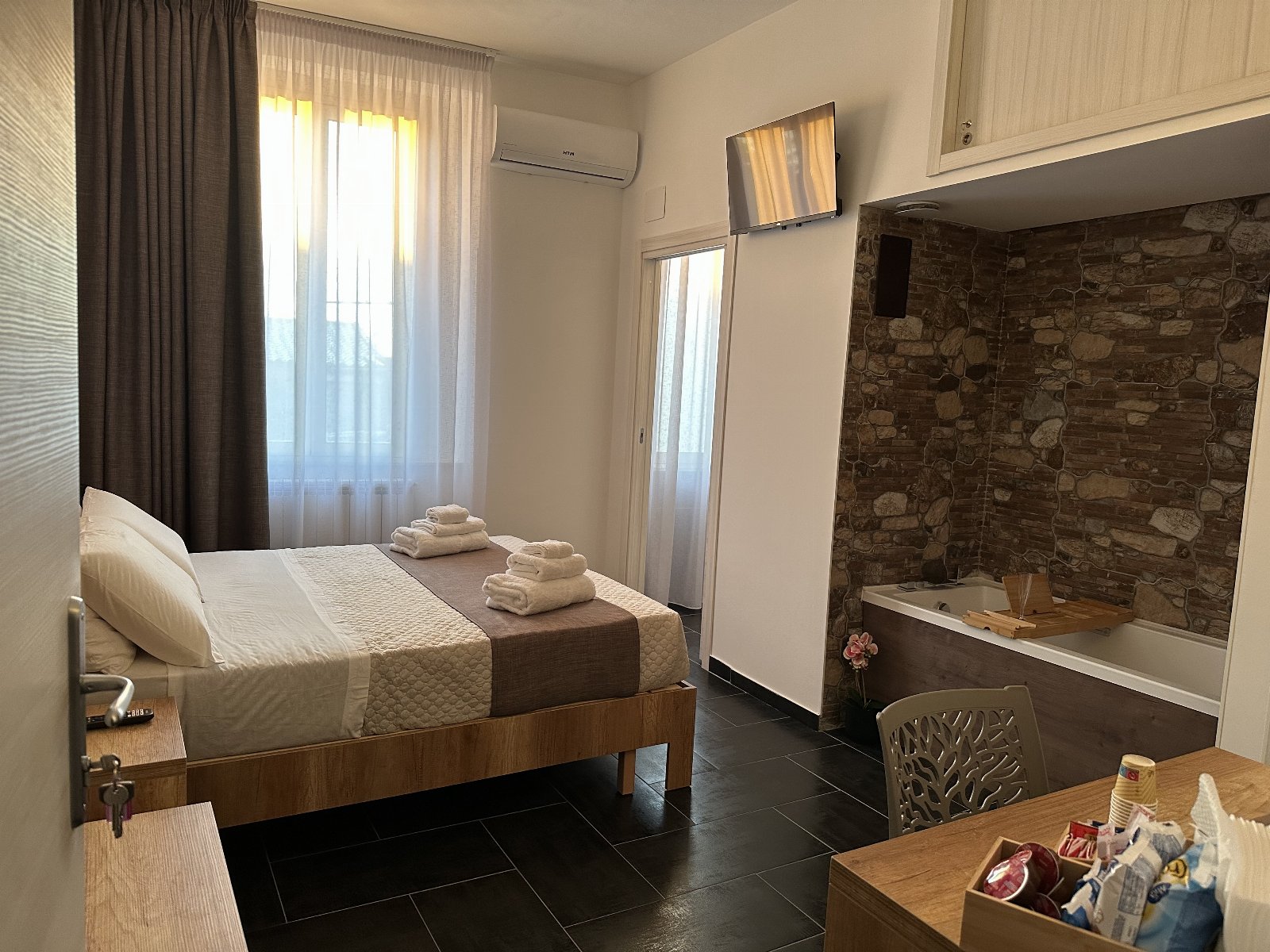
If you are looking for an authentic seaside experience, Vibo Marina offers a bustling harbor atmosphere. You can take boat trips from here to the Aeolian Islands, making Vibo Valentia an excellent strategic base for island hopping. For those who prefer land-based nature, the rolling hills surrounding the city are covered in olive groves and vineyards, providing beautiful cycling routes that offer a peaceful way to connect with the rural soul of the region. To make the most of your stay, consider finding accommodation in Vibo Valentia, which serves as a central hub for all these excursions.
Cuisine and Traditions of Vibo Valentia
Calabrian cuisine is famous for its bold flavors and reliance on local ingredients, and Vibo Valentia is no exception. The culinary tradition here is deeply rooted in the "cucina povera," where simple ingredients are transformed into masterpieces through passion and tradition. You must try the local fileja, a type of hand-rolled pasta typically served with a rich ragù of goat or pork. The spicy "Nduja," a spreadable salami from the nearby town of Spilinga, is a staple that you will find in many dishes, adding a signature kick of heat.
When it comes to products, the red onion of Tropea is legendary, often used in salads, jams, or as a base for sauces. The region is also famous for its high-quality olive oil and pecorino cheese from the Monte Poro area. For dessert, don't miss the tartufo di Pizzo, a world-famous hazelnut and chocolate gelato bomb that originated in the nearby village of Pizzo. It is the perfect refreshing treat after a long day of sightseeing.
Finding a place to eat is part of the fun. The city center is dotted with traditional trattorias and osterias where you can experience genuine hospitality. Look for family-run businesses that prioritize seasonal menus. Whether you are looking for a fine-dining experience or a casual street food snack, the culinary scene in Vibo Valentia will surely leave a lasting impression on your palate. If you are planning a longer stay, ensure you choose a comfortable base, as there are 2 excellent alloggi available in the area. Discover the accommodations in Vibo Valentia to find the perfect home away from home.
Where to Sleep in Vibo Valentia
Choosing where to stay depends on your travel style. If you want to be in the heart of the culture and history, the historic center of Vibo Valentia is the best choice. Staying here allows you to walk to the main museums, restaurants, and shops, and you will wake up to the charming view of old stone buildings and narrow streets. It is ideal for those who want to experience the authentic daily life of the city.
Alternatively, if your priority is the beach, you might consider staying closer to Vibo Marina or in the nearby coastal villages. However, staying in the city itself provides a cooler climate and a more tranquil environment, especially during the hot summer months. The city acts as a perfect central point to explore both the coast and the inland mountains. A Vibo Valentia are available 2 alloggi selezionati. Scopri gli alloggi a Vibo Valentia to plan your perfect trip.
How to Get There and Getting Around
Reaching Vibo Valentia is relatively straightforward. The nearest airport is Lamezia Terme International Airport (SUF), which is well-connected to major European cities. From the airport, you can reach Vibo Valentia by car in about 40 minutes via the A2 motorway (Autostrada del Mediterraneo). If you prefer public transport, there are train connections from Lamezia Terme to the Vibo Valentia-Pizzo railway station, though you will need a bus or taxi to reach the city center on the hill.
Once you are in Vibo Valentia, having a rental car is highly recommended if you plan to visit the surrounding beaches and mountain parks. While the city center is walkable, the region of Calabria is vast and public transport can be infrequent in rural areas. Having your own vehicle gives you the freedom to explore at your own pace, discover hidden viewpoints, and reach the most remote parts of the Costa degli Dei without being tied to bus schedules.
When to Go — Climate, Seasons, and Events
The best time to visit Vibo Valentia is during the late spring (May and June) or early autumn (September and October). During these months, the weather is pleasantly warm, perfect for both sightseeing in the city and enjoying the beaches without the intense heat and crowds of August. The spring brings a explosion of colors in the countryside, while autumn is the season of harvests and food festivals.
If you enjoy cultural events, the city hosts several religious processions and local festivals throughout the year. The Feast of the Patron Saint, San Leoluca, is a significant event in March, where the city comes alive with traditions and local markets. Summer is certainly the time for beach lovers, but if you visit in July or August, prepare for high temperatures and ensure you have comfortable walking shoes for the hilly terrain of the city center. Regardless of when you choose to go, Vibo Valentia promises an experience that is as authentic as the land of Calabria itself.