The Ultimate Guide to Tropea Calabria: The Pearl of the Tyrrhenian Sea
Why visit Tropea — history, atmosphere, and the character of the city
Perched dramatically on a sheer sandstone cliff overlooking the turquoise waters of the Tyrrhenian Sea, Tropea is undeniably the crown jewel of southern Italy. Often referred to as the "Pearl of the Tyrrhenian," this breathtaking coastal town offers a mesmerizing blend of natural beauty, ancient architecture, and vibrant southern Italian culture. The visual impact of the town, seemingly carved directly out of the rock face, leaves a lasting impression on anyone who visits. It is a place where the dramatic coastline meets centuries of fascinating history.
The history of Tropea is steeped in myth and legend. According to ancient tales, the town was founded by Hercules himself as he returned from his adventures in Spain, earning it the historical moniker "Portus Herculis." Throughout the centuries, Tropea was shaped by a succession of powerful empires, including the Greeks, Romans, Byzantines, Normans, and Aragonese. Because of its strategic coastal position, it became a wealthy and powerful maritime republic. This rich aristocratic past is still incredibly visible today in the grand architecture that lines its historic streets.
Beyond its history, the true character of Tropea lies in its enchanting atmosphere. Wandering through the centro storico (historic center) is like stepping back in time. You will find a labyrinth of narrow cobblestone alleyways that suddenly open up into charming, sun-drenched piazzas. The air is filled with the scent of salty sea breeze mixed with roasting garlic and sweet local onions. Locals chat animatedly from wrought-iron balconies, while visitors sip espresso at outdoor cafes, soaking in the timeless, relaxed, yet vibrant energy that defines this spectacular corner of Calabria.
What to see in Tropea — iconic landmarks and breathtaking views
The undisputed symbol of the town is the Sanctuary of Santa Maria dell'Isola. Sitting proudly on a rocky promontory that juts out into the sea, this medieval monastic church is one of the most photographed landmarks in all of Italy. Originally a Byzantine hermitage, the sanctuary has been rebuilt several times due to earthquakes. To reach it, visitors must climb a winding staircase carved directly into the rock. The effort is highly rewarded, as the gardens at the top offer panoramic views of the coastline and, on clear days, the smoking crater of the Stromboli volcano on the horizon. If you want to be close to this magnificent sight, finding the right places to stay in Tropea in the historic center is highly recommended.
Another must-visit historical site is the Norman Cathedral (Duomo di Tropea). Built in the 12th century, this imposing structure features a beautiful, austere stone facade. Inside, the cathedral houses the revered icon of the Madonna of Romania, the patron saint of Tropea. According to local lore, this Byzantine painting has protected the town from numerous disasters, including earthquakes and plagues. Fascinatingly, the church also displays two unexploded World War II bombs, which locals believe failed to detonate thanks to the miraculous intervention of the Madonna.
Exploring the historic center means admiring the magnificent Palazzi Patriciali (noble palaces). Built by the town's aristocracy between the 18th and 19th centuries, these imposing buildings feature grand stone portals, hidden interior courtyards, and balconies that hang precariously over the cliff edge. Finally, no visit to Tropea is complete without experiencing the Affacci—the panoramic viewpoints. The Affaccio del Corso (also known as the Raf Vallone viewpoint) and the Largo Villetta provide sweeping, uninterrupted views of the sea, making them the perfect spots to watch the sky turn brilliant shades of pink and orange at sunset.
The beaches and nature around Tropea
Tropea is the beating heart of the Costa degli Dei (Coast of the Gods), a spectacular stretch of coastline renowned for its dramatic cliffs, hidden coves, and pristine, white sandy beaches. The contrast between the dazzling white sand and the crystalline, multi-tonal blue water creates a tropical atmosphere right in the middle of the Mediterranean. The sea here is incredibly clear, making it a paradise for swimmers, snorkelers, and sunbathers who flock to the shores from early spring until late autumn.
Directly beneath the town's towering cliffs lie its most famous beaches. The Spiaggia della Rotonda is perhaps the most iconic, offering soft sand and calm waters right at the base of the historic center. Just a short walk away is the Spiaggia a Linguata, which is slightly larger and perfect for families, and the Spiaggia del Cannone, a smaller, more secluded cove tucked behind the marina. Adventure seekers should not miss the Grotta del Palombaro, a massive sea cave accessible only by swimming or renting a pedal boat, offering a magical and romantic swimming experience.
The natural beauty extends far beyond the immediate town limits. The surrounding marine environment is rich with life, making snorkeling and scuba diving highly popular activities. Taking a boat tour along the Coast of the Gods allows you to discover secluded bays like Capo Vaticano, just a few kilometers south, where jagged granite cliffs plunge into emerald waters. Additionally, the Aeolian Islands are just a short ferry ride away, offering the perfect opportunity for a nature-filled day trip to explore volcanic landscapes and bubbling hot springs.
Cuisine and traditions of Tropea
The culinary scene in Tropea is deeply rooted in the land and the sea, but one ingredient rules them all: the Cipolla Rossa di Tropea (Tropea Red Onion). Protected by an IGP (Protected Geographical Indication) status, this exceptionally sweet and crunchy onion thrives in the specific microclimate and sandy soil of the local coastline. It is so sweet that it is consumed raw in vibrant summer salads, caramelized into rich marmalades to pair with local pecorino cheese, and even churned into unique, savory-sweet artisanal gelato. It is the absolute pride of the town's agricultural heritage.
Because it is a coastal town, seafood plays a massive role in the local diet. Traditional trattorias serve up incredibly fresh catches daily. You will frequently find swordfish (pescespada) and yellowfin tuna on the menu, often grilled simply with olive oil and lemon, or cooked in a rich tomato sauce. A highly localized delicacy is the Surici (razor fish), which is typically lightly floured and fried to a perfect, golden crisp. Alongside the seafood, you will experience the fiery kick of Calabrian chili peppers, most notably in the form of 'Nduja—a spicy, spreadable pork sausage from the nearby town of Spilinga that is often stirred into pasta or spread on warm bruschetta.
Dining in Tropea is an experience that caters to all the senses. You can enjoy a casual lunch of Fileja (a traditional handmade, spiral-shaped pasta) in a rustic, family-run osteria hidden in a narrow alleyway, or book a table at a cliffside restaurant offering spectacular sea views. To complete the culinary journey, meals are traditionally paired with robust Calabrian wines, such as a full-bodied Cirò, and finished with a shot of Vecchio Amaro del Capo, a famous local herbal liqueur served ice-cold.
Where to sleep in Tropea
Choosing the right area to stay in Tropea largely depends on the type of holiday you desire. The historic center is ideal for those who want to be immersed in the town's romantic atmosphere. Waking up in a beautifully restored noble palace, stepping out onto a cobblestone street, and having cafes, boutiques, and historical sites right at your doorstep is a magical experience. However, keep in mind that staying in the upper town means you will need to navigate the steep staircases to reach the beaches below.
Alternatively, staying closer to the marina or right along the beachfront is perfect for travelers whose primary focus is the sea. These areas offer immediate access to the sand and water, making them highly convenient for families with young children or those carrying heavy beach gear. Accommodation styles range from luxurious boutique hotels featuring rooftop terraces and infinity pools, to cozy, family-run Bed & Breakfasts, and independent apartments that offer a more local, self-catering experience.
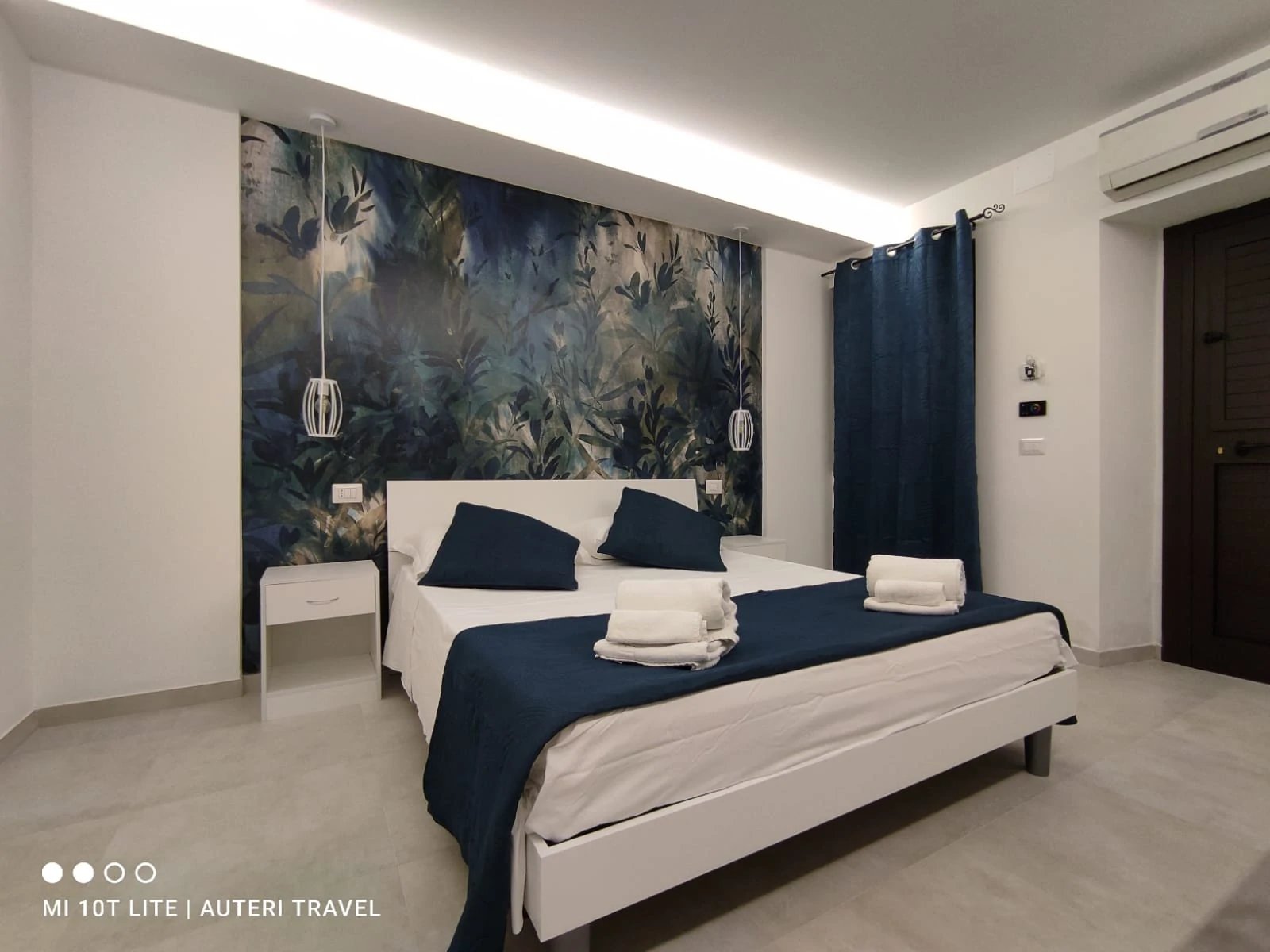
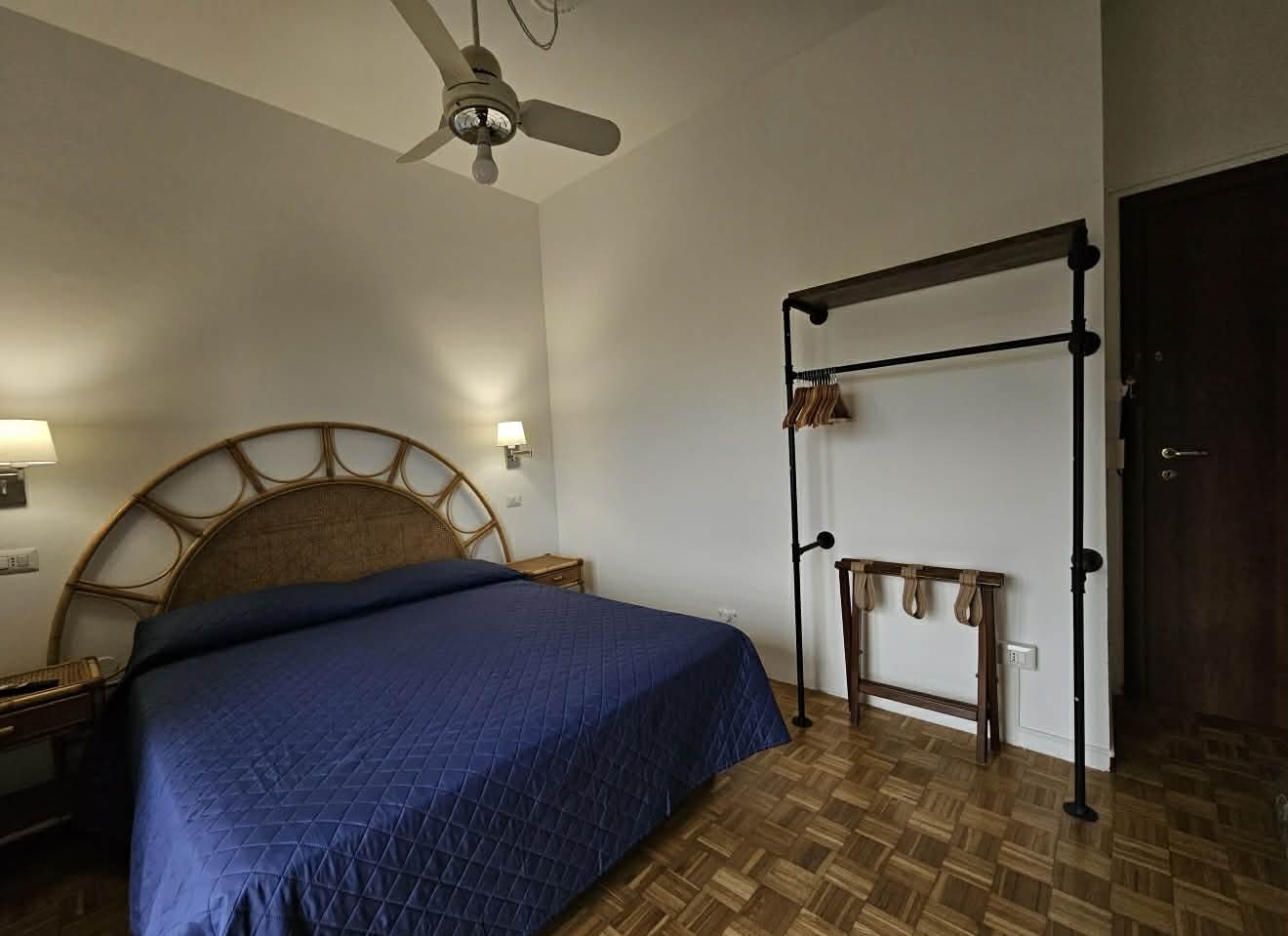
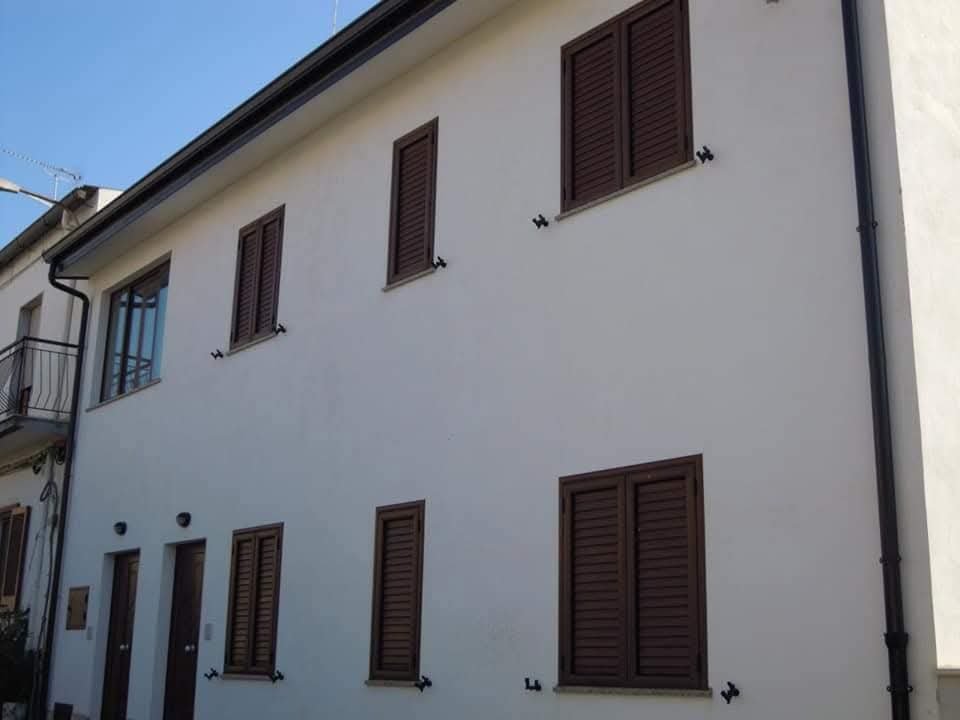
Finding the perfect base for your Calabrian adventure is crucial for a relaxing trip. In Tropea there are 9 selected accommodations available. Discover the accommodations in Tropea. Whether you prefer a balcony overlooking the bustling Piazza Ercole or a quiet room with the sound of the waves crashing below, booking early ensures you secure the best possible spot in this highly sought-after destination.
How to get there and get around
Getting to Tropea is relatively straightforward, thanks to its growing popularity as an international tourist destination. The closest major gateway is the Lamezia Terme International Airport (SUF), located about 60 kilometers to the north. From the airport, you can rent a car, take a private transfer, or use the local train network. The train journey from Lamezia Terme Central station to Tropea takes roughly an hour and offers a wonderfully scenic ride right along the breathtaking coastline.
If you are exploring southern Italy by car, driving to Tropea allows you the freedom to explore the wider Costa degli Dei at your own pace. The town is accessible via the SS18 coastal highway. However, visitors should be aware that during the peak summer months, parking in Tropea can be quite challenging. Furthermore, the historic center operates as a ZTL (Limited Traffic Zone), meaning non-resident cars are strictly prohibited from entering certain areas to preserve the pedestrian-friendly atmosphere.
Once you arrive, getting around Tropea is best done on foot. The town center is compact and highly walkable. The main physical challenge is the elevation change between the town and the sea. There are several sets of steep, scenic stairs connecting the cliff to the beaches. For those who prefer to avoid the climb, especially after a long day in the sun, there are convenient shuttle services and charming three-wheeled tuk-tuks (Ape Calessino) that offer quick and fun rides between the marina and the upper town.
When to go — climate, seasons, and events
Tropea enjoys a classic Mediterranean climate, characterized by long, hot summers and mild, relatively rainy winters. The peak tourist season runs through July and August. During these months, the town is vibrantly alive, the weather is guaranteed to be hot, and the sea is perfectly warm for swimming. However, this is also when the town is at its most crowded, and prices are at their highest. If you plan to visit during this peak period, you must book your Tropea holiday rentals several months in advance.
For many seasoned travelers, the absolute best time to visit Tropea is during the shoulder seasons: May, June, September, and October. In September, in particular, the intense summer heat begins to mellow, but the sea retains its summer warmth, making it ideal for swimming. The crowds thin out, allowing you to explore the alleyways and beaches with much more tranquility, and the local hospitality feels even more relaxed and welcoming.
Tropea also hosts several cultural events that might influence when you decide to visit. In early May, the town celebrates I Tri da Cruci, a historic festival featuring street parties, traditional music, and spectacular fireworks. In July, the famous Red Onion Festival (Sagra della Cipolla Rossa) takes place, celebrating the town's most famous export with food stalls, cooking demonstrations, and local folklore. Finally, September brings the Tropea Blues Festival, where the historic piazzas transform into open-air music venues, providing a fantastic soundtrack to the warm autumn evenings.