The Ultimate Travel Guide to Discovering Reggio Calabria Calabria
Why Visit Reggio Calabria — History, Atmosphere, and Character
Located at the very tip of Italy's iconic boot, Reggio Calabria is a city where ancient history and breathtaking natural beauty seamlessly intertwine. Often referred to as the "City of Bronzes," it boasts a privileged position overlooking the magnificent Strait of Messina, offering unparalleled views of the Sicilian coastline and the majestic Mount Etna. Visiting this vibrant coastal city means stepping into a world where the echoes of Magna Graecia still resonate through modern streets, creating an atmosphere that is both culturally rich and deeply relaxing.
The history of Reggio Calabria is a testament to human resilience. Founded by Greek colonists in the 8th century BC as Rhegion, it grew into one of the most prosperous and influential cities of the ancient Mediterranean. Throughout the centuries, the city has endured various conquests and devastating natural disasters, most notably the catastrophic earthquake of 1908. However, from the rubble, Reggio Calabria was reborn. Today, its wide avenues, elegant Liberty-style architecture, and meticulously planned urban grid tell the story of a city that refused to be forgotten, seamlessly blending its ancient soul with early 20th-century elegance.
The true character of Reggio Calabria lies in its vibrant, laid-back Mediterranean atmosphere. The city’s waterfront is the beating heart of local social life, where residents and visitors alike gather to stroll, converse, and enjoy the sea breeze. Here, the pace of life slows down, inviting you to savor a bergamot gelato while watching the sun dip below the Sicilian horizon. Whether you are a history enthusiast, a nature lover, or simply seeking an authentic Southern Italian experience away from the overcrowded tourist traps, Reggio Calabria offers a captivating and unforgettable journey.
What to See in Reggio Calabria — Unmissable Attractions
Reggio Calabria is home to a wealth of cultural and historical landmarks. From world-renowned archaeological treasures to stunning architectural marvels, the city offers a diverse itinerary for every type of traveler. Here are the absolute must-see attractions to include in your visit.
The National Archaeological Museum (MArRC)
You cannot visit Reggio Calabria without exploring the Museo Archeologico Nazionale, one of the most prestigious museums in Italy. The undisputed stars of the collection are the Riace Bronzes (Bronzi di Riace), two magnificent, larger-than-life Greek bronze statues dating back to the 5th century BC. Discovered in the Ionian Sea in 1972, these masterpieces of classical sculpture are renowned for their astonishing anatomical detail and preservation. Beyond the bronzes, the museum houses four floors of artifacts that chronicle the rich history of ancient Calabria, from prehistoric times through the Roman era. Practically speaking, the museum is located at the northern end of the main promenade, making it easily accessible on foot.
Lungomare Falcomatà
Famously described by the Italian poet Gabriele D'Annunzio as "the most beautiful kilometer in Italy," the Lungomare Falcomatà is the city's enchanting waterfront promenade. Lined with exotic palm trees, centuries-old ficus trees, and elegant palaces, it is the perfect place for a scenic walk. Along the path, you will encounter remnants of ancient Greek walls, Roman baths, and striking modern art installations, including the colorful, humanoid sculptures by artist Rabarama. The promenade offers the best vantage point to witness the optical illusion known as the Fata Morgana, a rare mirage that makes Sicily appear as though it is floating just a few meters away.
The Aragonese Castle
Standing proudly in the historic center, the Castello Aragonese is one of the city's most important historical symbols. While its origins date back to the Byzantine era, the fortress was significantly expanded by the Aragonese in the 15th century. Although parts of it were damaged during the 1908 earthquake, the remaining towers and walls have been beautifully restored. Today, the castle hosts temporary art exhibitions and cultural events. Climbing to the top of the towers rewards visitors with a fantastic panoramic view of the city rooftops and the shimmering waters of the Strait.
The Cathedral of Reggio Calabria (Il Duomo)
The Basilica Cattedrale di Maria Santissima Assunta is the largest religious building in the Calabria region. Rebuilt after the 1908 earthquake in a striking Neo-Romanesque style, the Duomo dominates the spacious Piazza del Duomo. Its majestic facade features stunning bronze doors and intricate rose windows. Inside, the cathedral is incredibly spacious and houses beautiful stained glass, a magnificent marble altar, and the revered Chapel of the Holy Sacrament, which survived the earthquake and showcases exquisite Baroque craftsmanship.
Beaches and Nature Around Reggio Calabria
While the city itself is a cultural hub, the natural landscapes surrounding Reggio Calabria are equally spectacular. The coastline, known as the Costa Viola (Purple Coast), earns its name from the unique violet hue the water takes on during sunset. Right in the city center, the Lido Comunale offers a convenient spot for a refreshing swim in the crystalline waters of the Strait, complete with beach clubs, sunbeds, and lively seaside cafes.
Just a short drive north of the city lies the mythical town of Scilla. Dominated by the Ruffo Castle perching on a rocky promontory, Scilla is home to Chianalea, an ancient fishing village where houses are built directly on the water's edge. This picturesque hamlet is often called the "Little Venice of the South" and is perfect for a romantic evening stroll and a dinner of freshly caught seafood.
If you turn your gaze inland, you will find the rugged beauty of the Aspromonte National Park. This pristine mountain range offers a dramatic contrast to the coastal scenery. Dense forests of pine and beech trees, cascading waterfalls, and diverse wildlife make it a paradise for hikers and nature lovers. The resort town of Gambarie, located within the park, even offers the unique experience of skiing in the winter while looking out over the Mediterranean Sea.
Cuisine and Traditions of Reggio Calabria
The culinary tradition of Reggio Calabria is a vibrant reflection of its history, blending robust mountain flavors with fresh coastal ingredients. The undisputed king of local agriculture is the Bergamot, a rare citrus fruit that thrives almost exclusively along this specific stretch of the Ionian coast. Known as the "green gold of Calabria," bergamot is used to flavor everything from refreshing artisanal gelato and candies to liqueurs, teas, and savory sauces.
Seafood plays a massive role in the local diet, with swordfish (pesce spada) being the most celebrated catch. Traditionally hunted in the Strait of Messina using specialized boats called feluche, swordfish is served in various mouth-watering ways: grilled with salmoriglio sauce, baked with tomatoes and capers, or tossed with fresh pasta. For meat lovers, traditional dishes like maccheroni al ferretto (handmade pasta) served with a rich, slow-cooked pork ragù are an absolute must-try.
Street food and local bakeries offer incredible treats to keep you fueled during your explorations. You must taste the traditional frittole (slow-cooked pork delicacies) and the spicy, spreadable 'nduja sausage, which, while originating further north, is a staple here. To experience the best of the local gastronomy, head to the bustling restaurants tucked away in the side streets off Corso Garibaldi, where you can pair your meal with excellent regional wines like Cirò or Greco di Bianco.
Where to Sleep in Reggio Calabria
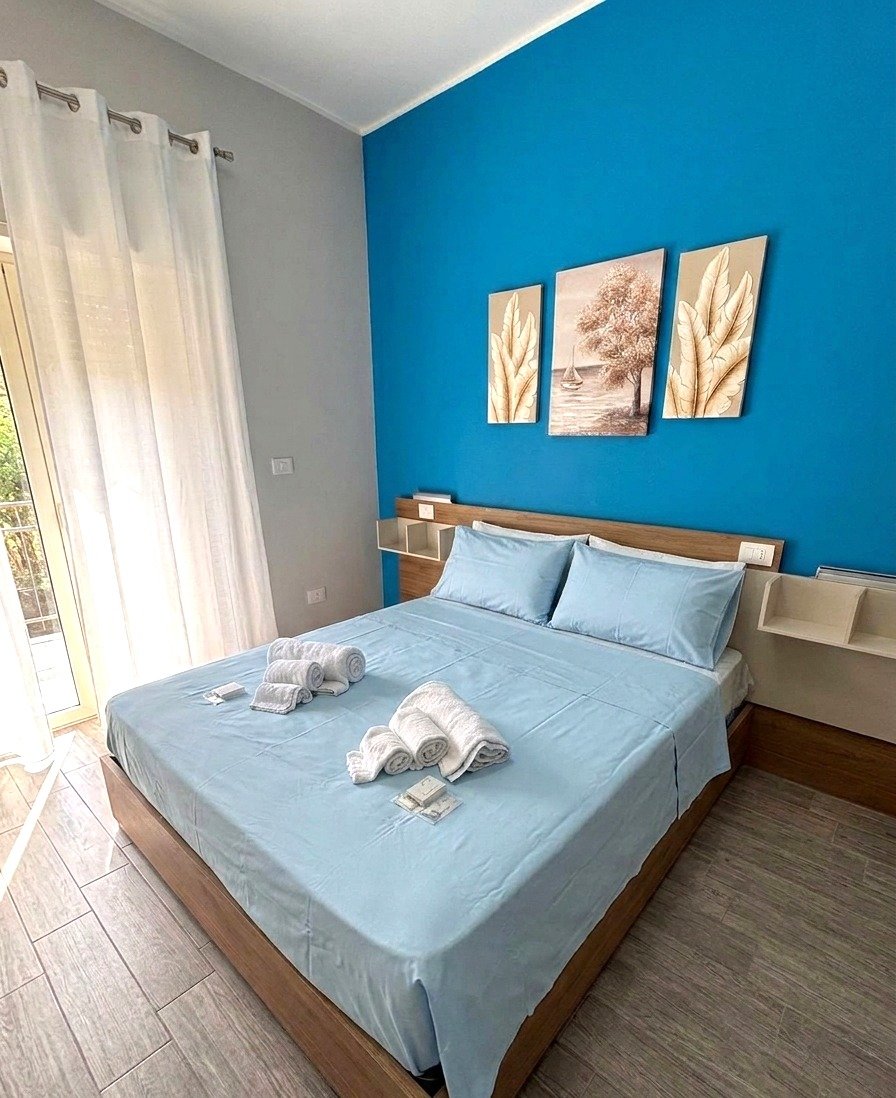
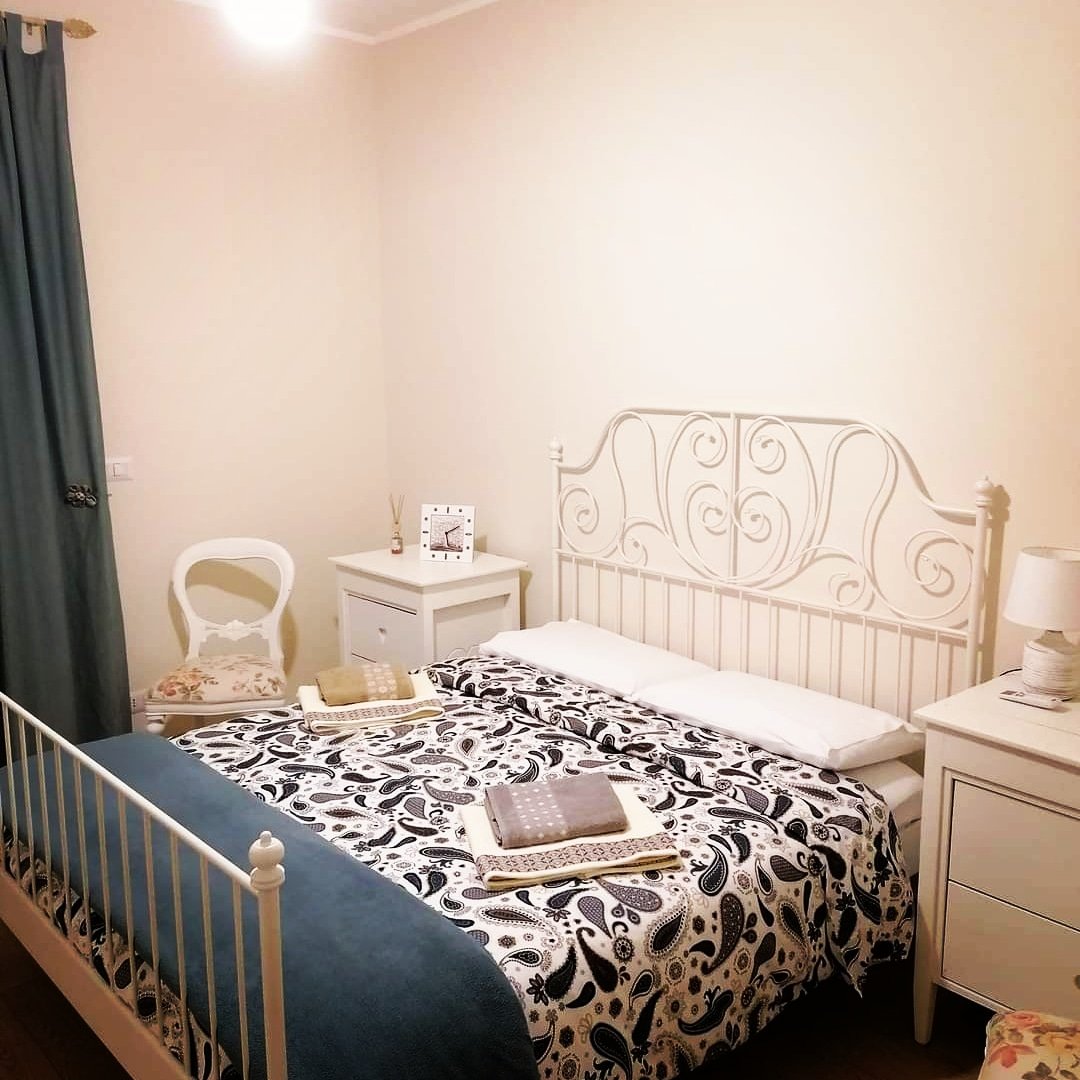
Choosing the right place to stay is crucial for maximizing your experience in this beautiful coastal city. The best area for first-time visitors is undoubtedly the historic center, specifically the streets running parallel to the Lungomare Falcomatà and Corso Garibaldi. Staying here puts you within walking distance of the MArRC, the best shopping boutiques, and a plethora of excellent dining options. The accommodation landscape ranges from elegant boutique hotels housed in historic Liberty-style buildings to cozy, family-run bed and breakfasts that offer authentic southern hospitality.
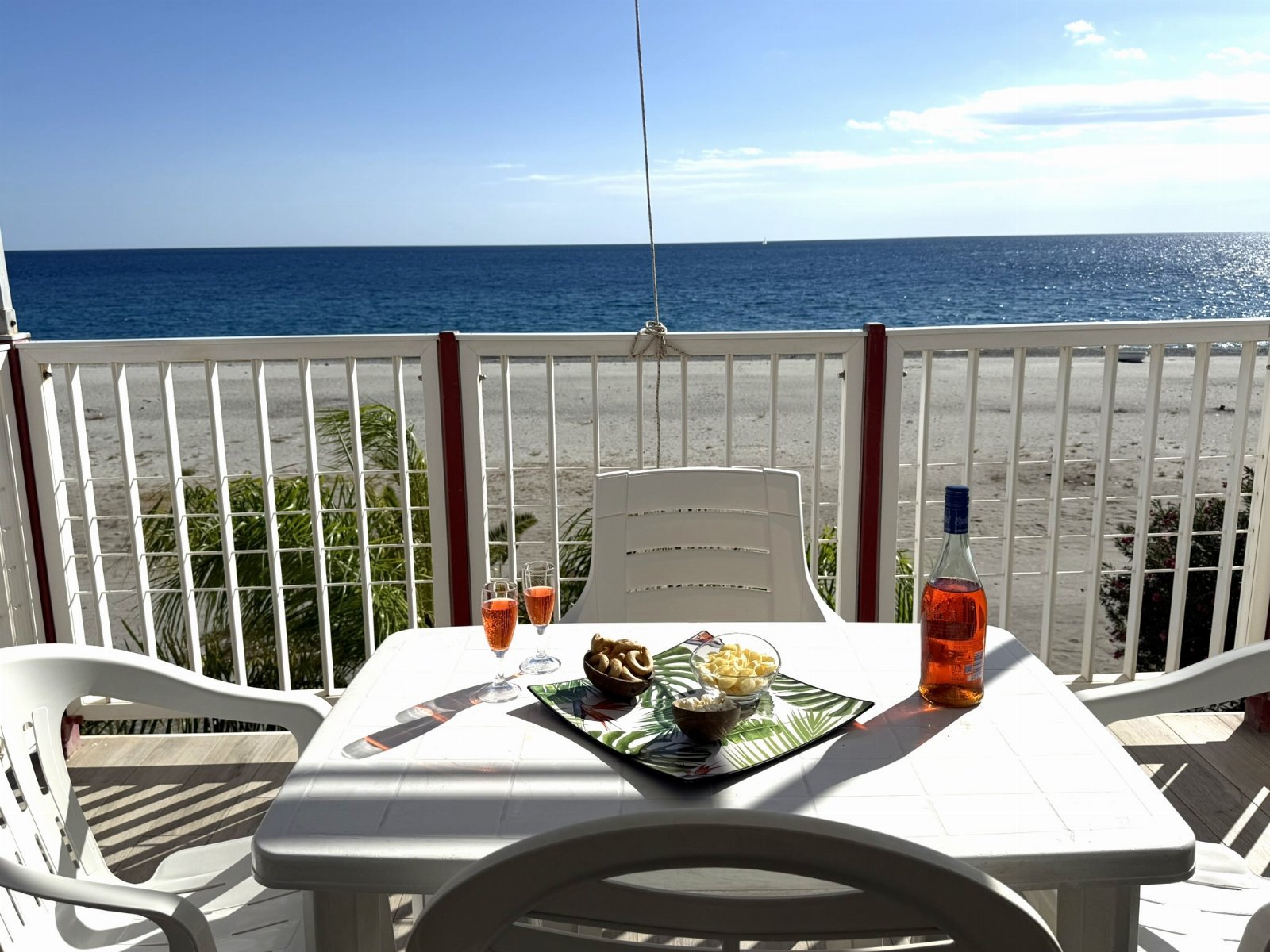
In Reggio Calabria, 24 selected accommodations are available. Discover the accommodations in Reggio Calabria. Whether you are looking for a luxurious suite with a balcony overlooking the Strait of Messina or a budget-friendly room in the heart of the city, there are options tailored to every need and budget.
For those who prefer a quieter retreat, looking for accommodations slightly outside the city center, such as in the nearby coastal town of Scilla or the tranquil hills of the Aspromonte, can provide a deeply relaxing experience. No matter your preference, it is always recommended to book your holiday rentals in Calabria well in advance, especially during the peak summer months, to secure the best rates and locations.
How to Get There and Get Around
Reaching Reggio Calabria is surprisingly straightforward, thanks to its well-connected transport infrastructure. The city is served by the Tito Minniti Airport (Reggio Calabria Airport), which offers domestic flights from major Italian hubs like Rome and Milan. Alternatively, the larger Lamezia Terme International Airport is located about an hour and a half away by car or train, providing numerous international connections.
If you prefer traveling by train, the Reggio Calabria Centrale railway station is the southern terminus for Italy's high-speed rail network. The Frecciarossa and Italo trains connect the city directly to Naples, Rome, and beyond, offering a scenic and comfortable journey down the Italian coast. For those driving, the A2 Autostrada del Mediterraneo highway leads directly into the city, offering breathtaking views of the Calabrian landscape along the way.
Once you arrive, getting around is quite simple. The historic city center is incredibly walkable, and most major attractions are clustered close together. To explore further afield:
- Local Buses: ATAM buses connect the city center to suburban areas and nearby beaches.
- Regional Trains: Perfect for day trips to coastal towns like Scilla, Bagnara, or Tropea.
- Car Rental: Highly recommended if you plan to explore the Aspromonte National Park or hidden coves along the Ionian coast.
When to Go — Climate, Seasons, and Events
Reggio Calabria enjoys a classic Mediterranean climate, characterized by hot, dry summers and mild, relatively wet winters. The best time to visit largely depends on what you want to get out of your trip. Spring (May and June) and early autumn (September and October) are widely considered the most pleasant times to travel. During these months, the weather is warm enough for swimming, but you avoid the intense heat and heavy crowds of the peak summer season.
July and August are the busiest months, drawing both domestic and international tourists. The city comes alive with a vibrant energy; beach clubs are in full swing, and the Lungomare is packed with people enjoying outdoor concerts, food festivals, and late-night strolls. If you love a bustling, festive atmosphere and do not mind the heat, summer is a fantastic time to book your stay in Reggio Calabria.
September is also a highly recommended month due to the city's most important religious and cultural event: the Festa della Madonna della Consolazione. Held on the second Saturday of September, this massive celebration involves a deeply moving procession where a massive, beautifully adorned painting of the Virgin Mary is carried down from the Hermitage to the Cathedral. The city erupts in days of celebration, featuring street markets, traditional music, and spectacular fireworks over the Strait, offering visitors a profound glimpse into authentic Calabrian culture.