Discovering the Soul of Calabria: A Comprehensive Travel Guide to Paola, Calabria
Perched majestically on the Tyrrhenian coast, Paola is far more than just a transit point or a coastal town. It is a place where deep spiritual history meets the vibrant energy of the Mediterranean. Known primarily as the birthplace of Saint Francis of Paola, the patron saint of seafarers and the region of Calabria, this town offers a unique blend of religious heritage, stunning natural landscapes, and authentic Italian charm that remains largely undiscovered by mass tourism.
Visiting Paola allows travelers to step away from the crowded resorts of the Amalfi Coast and immerse themselves in a more genuine, slow-paced lifestyle. Whether you are walking through the narrow, winding alleys of the historic center or gazing out at the vast blue horizon of the Tyrrhenian Sea, you will find that Paola possesses a distinctive character—one defined by devotion, resilience, and a profound connection to the surrounding mountains and sea.
Why Visit Paola: A Blend of History and Atmosphere
The history of Paola is inextricably linked to the life of Saint Francis, who was born here in 1416. The town’s atmosphere is profoundly influenced by this legacy, creating an air of tranquility and reverence that is rare in modern coastal destinations. Walking through the streets, you can feel the weight of centuries, with medieval stone architecture and hidden courtyards that tell stories of a past shaped by monastic life and coastal defense against historical maritime threats.
Beyond its spiritual significance, Paola boasts a character that is quintessentially Calabrian: warm, welcoming, and deeply rooted in its traditions. The town is divided into two distinct souls: the "Paola Alta" (the historic hilltop center) and the "Marina" (the coastal area). This duality offers visitors the best of both worlds—the chance to explore ancient religious sites and local artisan shops in the morning, and the opportunity to relax on pristine beaches or enjoy a sunset aperitivo by the water in the evening.
What to See in Paola: Iconic Landmarks and Hidden Gems
The crown jewel of the town is undoubtedly the Sanctuary of Saint Francis of Paola. Nestled in a verdant valley just above the town, this monumental complex is a site of pilgrimage for thousands of Catholics from around the world. The architecture is a fascinating mix of styles, featuring a stunning Renaissance-style church and a cloister that invites quiet reflection. The surrounding rose garden and the "miraculous" fountain are essential stops for any visitor seeking to understand the spiritual heart of the region.
In the historic center, you should explore the Church of the Madonna di Montevergine, which houses remarkable artistic treasures, and the ruins of the Norman Castle. While the castle is now largely in ruins, it offers a panoramic viewpoint that is unmatched, providing a bird’s-eye view of the town’s terracotta rooftops sloping down toward the sea. Walking through the town, keep an eye out for the many portals carved into volcanic stone, a testament to the local stonemasonry traditions that have flourished here for generations.
For those interested in local culture, the Civic Museum offers a deeper dive into the town’s archaeology and history. It is a small but well-curated space that helps bridge the gap between the ancient foundations of the town and its current identity. If you are looking for the perfect base to explore these sites, Paola provides an ideal location for those who appreciate history and culture.
The Beaches and Nature Surrounding Paola
The coastline around Paola is defined by its clean, deep blue waters and pebbled beaches that provide a refreshing alternative to the sandy shores of the Ionian side of Calabria. The beaches in the Marina area are well-equipped with lidos, but there are also many stretches of free beach where you can enjoy the sound of the waves in complete solitude. The water quality is consistently high, making it a perfect spot for swimming, snorkeling, and sunbathing during the long Calabrian summer.
Just a short drive from the coast, the landscape changes dramatically as you ascend into the Coastal Range (Catena Costiera). This mountain chain offers incredible hiking opportunities for outdoor enthusiasts. The trails wind through dense forests of chestnut and beech trees, leading to viewpoints that offer vistas stretching all the way to the Aeolian Islands on a clear day. The proximity of the mountains to the sea is a signature feature of this part of Italy, allowing you to enjoy a morning hike and an afternoon swim on the same day.
Cuisine and Traditions of Paola
Calabrian cuisine is famous for its bold flavors, and Paola is no exception. The local gastronomy relies heavily on the "cucina povera" tradition, utilizing fresh, seasonal ingredients to create dishes that are both simple and deeply satisfying. You must try the local handmade pasta, such as fileja, often served with a rich meat ragù or a spicy tomato sauce enhanced with local chili peppers, known as peperoncino.
Seafood plays a central role in the local diet. Freshly caught swordfish, anchovies, and cod are staples in many of the town's restaurants. When dining out, look for local specialties like alici alla povera (marinated anchovies) or various dishes featuring the red onion of Tropea, which is often sourced from nearby farms. For dessert, do not miss the traditional pastries often flavored with bergamot or figs, which are a pride of the region. There are several authentic trattorias in the historic center where you can experience the true taste of home-cooked Calabrian food.
Where to Sleep in Paola
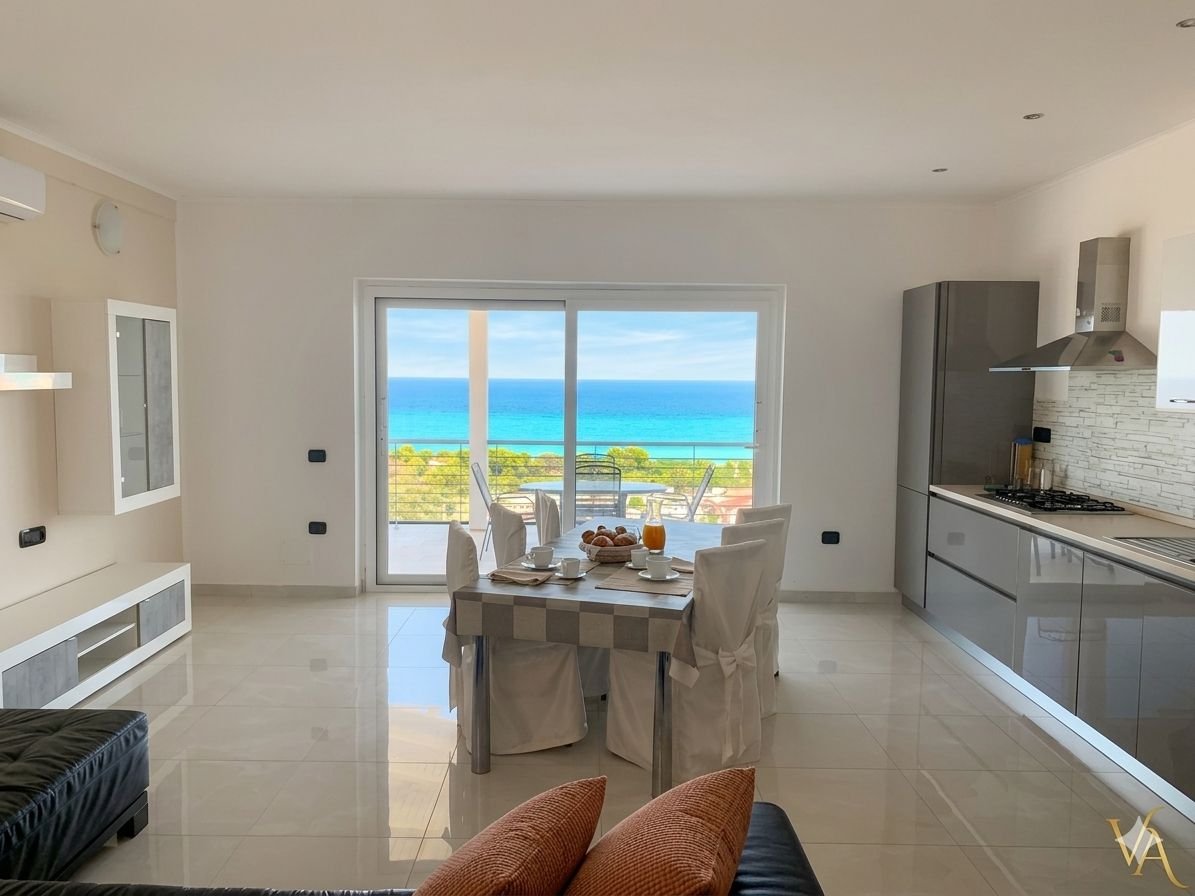
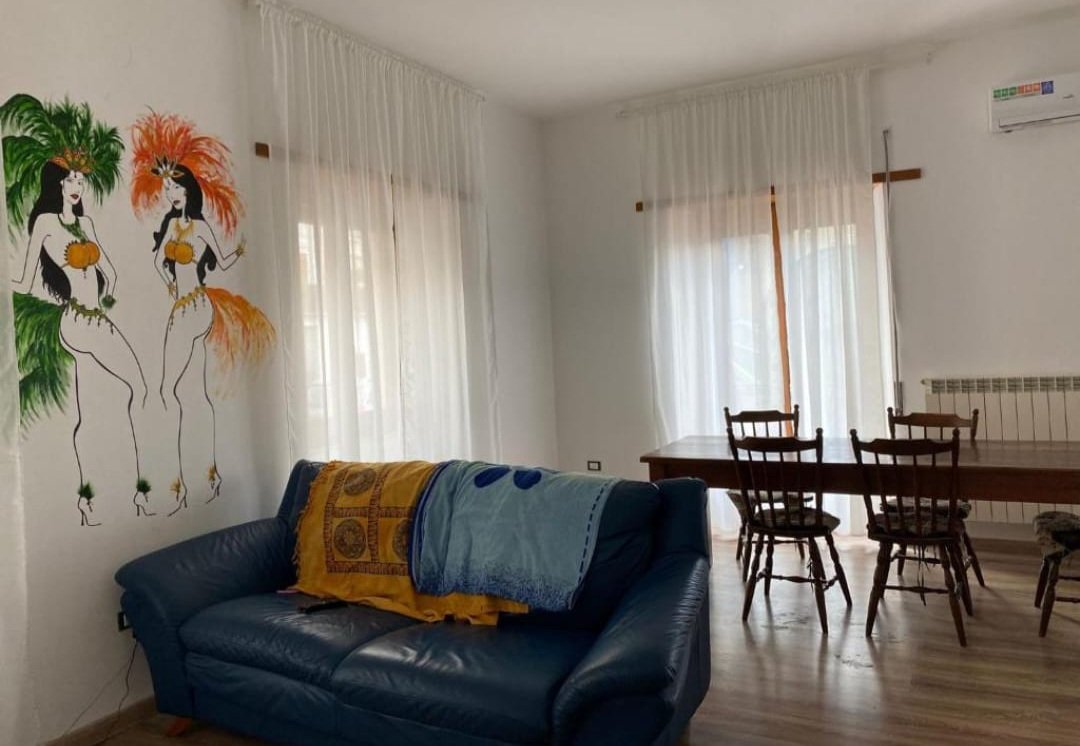
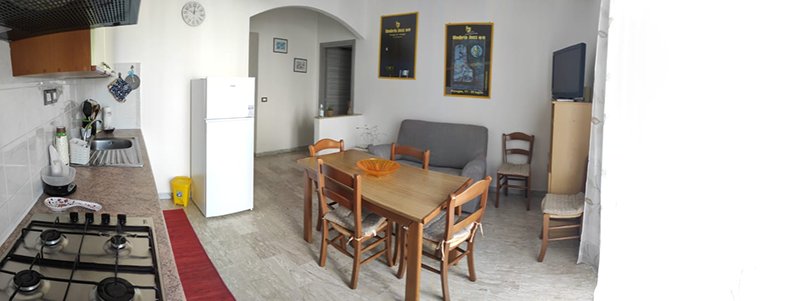
Finding the right accommodation is key to enjoying your stay in this coastal gem. Whether you prefer the convenience of the Marina area or the quiet charm of the historic center, the town caters to various travel styles. Staying in the center allows you to be closer to the historical landmarks and the evening buzz of the town, while the Marina offers easier access to the beach and the railway station. A well-planned trip starts with finding a comfortable place to rest. A Paola sono disponibili 1 alloggi selezionati. Scopri gli alloggi a Paola.
Most accommodations in the area are family-run B&Bs or small boutique hotels, which ensure a personal touch and local insights that you simply won't find in large resorts. By choosing to stay in Paola, you support the local economy and ensure a more sustainable travel experience. Many hosts are happy to provide recommendations for hidden hiking paths or the best local markets, making your stay even more memorable.
How to Get There and Move Around
Paola is exceptionally well-connected, making it one of the most accessible towns on the Tyrrhenian coast. The town serves as a major railway hub; the Paola station is a primary stop for high-speed trains (Frecciarossa) and regional trains connecting the north of Italy to the deep south. This makes it an ideal destination for those who prefer to travel by train rather than renting a car.
If you prefer to drive, the town is easily reached via the A2 motorway (Autostrada del Mediterraneo), exiting at Cosenza Nord and following the state road (SS107) that crosses the mountains to the coast. Once in town, the historic center is best explored on foot, as the steep, narrow streets are not suitable for large vehicles. For exploring the surrounding mountains or neighboring coastal villages, renting a car is highly recommended to give you the freedom to move at your own pace.
When to Go: Climate and Seasonal Events
The best time to visit Paola is during the shoulder seasons—late spring (May and June) or early autumn (September and October). During these months, the weather is pleasantly warm, perfect for both hiking in the hills and relaxing on the beach, and the crowds are significantly smaller than in August. The Mediterranean climate ensures mild winters, though some mountain trails may be inaccessible due to snow in the higher elevations.
If you are interested in local culture, try to visit during the religious festivals, particularly the celebrations dedicated to Saint Francis of Paola in early May. These events are a profound experience, involving processions, traditional music, and a palpable sense of community pride. Regardless of when you choose to visit, Paola offers a peaceful, authentic escape that captures the very essence of Calabria.