Discovering Lamezia Terme Calabria: The Ultimate Travel Guide
Often considered merely the gateway to the stunning southern Italian region due to its major international airport, Lamezia Terme Calabria is a destination that deserves far more than a passing glance. Nestled perfectly between the rugged peaks of the Apennine Mountains and the crystal-clear waters of the Tyrrhenian Sea, this fascinating city is a treasure trove of ancient history, untouched nature, and mouth-watering culinary traditions. Whether you are seeking a deep dive into Norman-Swabian architecture, a relaxing retreat in natural thermal springs, or a strategic base to explore the wider region, Lamezia Terme offers an authentic and unforgettable Italian experience.
Unlike the heavily commercialized tourist resorts found elsewhere in Italy, Lamezia Terme retains a raw, genuine charm. Here, you can wander through centuries-old alleyways, interact with welcoming locals, and experience the true rhythm of Calabrian life. This comprehensive guide will walk you through everything you need to know to plan the perfect itinerary, from uncovering hidden archaeological gems to finding the best local eateries and accommodations.
Why Visit Lamezia Terme
The history of Lamezia Terme is uniquely fascinating, primarily because the city as we know it today is a relatively modern creation. It was officially established in 1968 through the administrative merger of three distinct and historically rich municipalities: Nicastro, Sambiase, and Sant'Eufemia Lamezia. This unique amalgamation means that when you visit Lamezia Terme, you are essentially exploring three different towns, each with its own distinct character, historical center, and local traditions. Nicastro serves as the bustling commercial and historical heart, Sambiase offers a quieter, traditional atmosphere famous for its thermal baths, and Sant'Eufemia is the modern logistical hub near the coast.
Beyond its unique municipal history, the area has been inhabited since antiquity. The territory was once home to the ancient Greek city of Terina, founded in the 6th century BC, and later became a crucial stronghold for the Normans, Swabians, and Angevins. This layered history is palpable as you walk through the different districts, where ancient ruins stand in stark contrast to modern Italian life. The atmosphere here is deeply rooted in tradition; it is a place where afternoon siestas are respected, and evening strolls (the traditional passeggiata) are a daily social ritual.
Visiting Lamezia Terme allows you to bypass the typical tourist traps and immerse yourself in the authentic character of Calabria. It is an ideal destination for curious travelers who want to understand the soul of the region. Furthermore, its central location makes it the absolute best starting point for any Calabrian road trip, allowing you to easily reach both the Tyrrhenian and Ionian coasts, as well as the mountainous national parks of Sila and Aspromonte. If you are staying in Lamezia Terme, you have the entirety of Calabria right at your fingertips.
What to See in Lamezia Terme
The crown jewel of Lamezia Terme’s historical offerings is undoubtedly the Castello Normanno-Svevo (Norman-Swabian Castle). Perched high on a hill overlooking the Nicastro district, the ruins of this majestic fortress offer breathtaking panoramic views that stretch all the way down to the Gulf of Sant'Eufemia. Originally built by the Normans in the 11th century, the castle was later expanded by the famous Holy Roman Emperor Frederick II. Although it was severely damaged by a devastating earthquake in 1638, the remaining towers and walls still evoke a powerful sense of the region's medieval grandeur. The hike up to the castle through the old San Teodoro neighborhood is an experience in itself, taking you past ancient stone houses and narrow, winding staircases.
For history enthusiasts, the Museo Archeologico Lametino is an absolute must-visit. Housed within the beautifully restored Complesso Monumentale di San Domenico, this museum provides a comprehensive journey through the area's rich past. The exhibits are logically divided into prehistoric, classical, and medieval sections. You can marvel at ancient tools from the Paleolithic era, admire exquisite Greek coins and pottery excavated from the nearby ruins of Terina, and view artifacts from the Norman period. The museum perfectly contextualizes the diverse cultures that have shaped the Lametino plain over millennia.
Moving towards the coast in the Sant'Eufemia district, you will find the imposing Bastione di Malta. This massive, well-preserved watchtower was constructed in the 16th century by the Knights of Malta. Its primary purpose was to defend the coastal populations from the relentless raids of Saracen pirates who terrorized the Mediterranean during that era. Today, the Bastione stands proudly as an iconic symbol of the city, representing the resilience and historical importance of the coastal defense systems of southern Italy.
Finally, do not miss the Abbey of Santa Maria di Corazzo, located just outside the main city center. Founded by Cistercian monks in the 11th century, these evocative ruins are surrounded by lush greenery and a profound sense of peace. The abbey was famously home to the mystic theologian Joachim of Fiore. Walking through the remains of the nave and the cloisters, visitors can easily imagine the quiet, contemplative lives of the monks who once inhabited this sacred space.
Beaches and Nature Around Lamezia Terme
While the city boasts incredible history, the natural environment surrounding Lamezia Terme is equally captivating. The coastline along the Gulf of Sant'Eufemia features long, expansive stretches of both sandy and pebbly beaches. The waters of the Tyrrhenian Sea here are beautifully clear and inviting. Just a few minutes from the city center, the coastal area of Gizzeria Lido is world-renowned among watersports enthusiasts. Thanks to the consistent thermal winds that sweep across the bay, it has become a premier international destination for kitesurfing and windsurfing, frequently hosting world championship events. Even if you don't participate, watching the colorful kites dance over the water from a beachfront café is a delightful way to spend an afternoon.
If you prefer green spaces over sandy shores, the Parco Mitoio offers a wonderful escape into nature. This sprawling natural park is characterized by dense pine forests, fragrant Mediterranean scrub, and well-maintained hiking trails. It is an excellent spot for a morning jog, a family picnic, or a leisurely walk to escape the summer heat. The park also features a modern outdoor amphitheater which hosts various cultural events and concerts during the warmer months, blending natural beauty with local entertainment.
Lamezia Terme is also famous for its healing waters, specifically the Terme di Caronte. Located in a picturesque valley in the Sambiase district, these natural thermal springs have been utilized for their therapeutic properties since the Roman era. The sulfurous waters emerge from the earth at a soothing 39 degrees Celsius (about 102 degrees Fahrenheit). Visitors can enjoy modern spa facilities that offer mud treatments, inhalation therapies, and relaxing thermal baths. For the more adventurous, there is also a free, open-air natural pool nearby where locals gather to soak in the warm, mineral-rich waters surrounded by forested hills.
Food and Traditions in Lamezia Terme
No trip to Calabria is complete without diving into its bold and flavorful culinary heritage, and Lamezia Terme is a fantastic place to start. The local cuisine is characterized by its reliance on high-quality, locally sourced ingredients, often enhanced with a generous kick of the famous Calabrian chili pepper (peperoncino). A staple of the Lametino diet is the exceptional extra virgin olive oil produced from the native Carolea olive, which thrives in the surrounding hills. This golden, fruity oil is drizzled over almost everything, from fresh summer salads to hearty winter soups.
When dining in the traditional trattorie of the Nicastro district, you must try the local specialties. Look out for Mulingianeddi chini, which are small eggplants hollowed out and stuffed with a savory mixture of breadcrumbs, cheese, garlic, and herbs, then baked to perfection. Another beloved dish is Pasta chijna, a rich, baked pasta dish loaded with meatballs, hard-boiled eggs, provola cheese, and a robust tomato ragù. To accompany your meal, order a bottle of Lamezia DOC wine. The region produces excellent reds, primarily using the indigenous Gaglioppo grape, as well as crisp, refreshing whites made from the Greco grape.
Food is deeply intertwined with local traditions and festivals. Throughout the year, Lamezia Terme and its neighboring villages host numerous sagre (food festivals) celebrating everything from wild boar and mushrooms to local wines and olive oil. These events are vibrant, loud, and incredibly welcoming, offering travelers a chance to eat, drink, and dance alongside the locals. Exploring the local food markets is also a great activity if you are staying in vacation rentals in Lamezia Terme, allowing you to buy fresh produce, cured meats like 'Nduja and Capocollo, and artisan cheeses to enjoy at home.
Where to Stay in Lamezia Terme
Choosing the right area to stay in Lamezia Terme depends largely on the type of experience you are seeking. If you want to be within walking distance of historical sites, museums, and lively evening venues, the Nicastro district is your best bet. Here, you will find charming boutique hotels and cozy bed and breakfasts tucked away in historic buildings. For travelers who prioritize convenience—perhaps arriving late on a flight or planning to use the train extensively—the Sant'Eufemia district offers modern hotels with easy access to both the airport and the central railway station. Alternatively, the surrounding countryside is dotted with rustic agriturismi (farm stays) that offer a peaceful retreat surrounded by olive groves and citrus orchards.
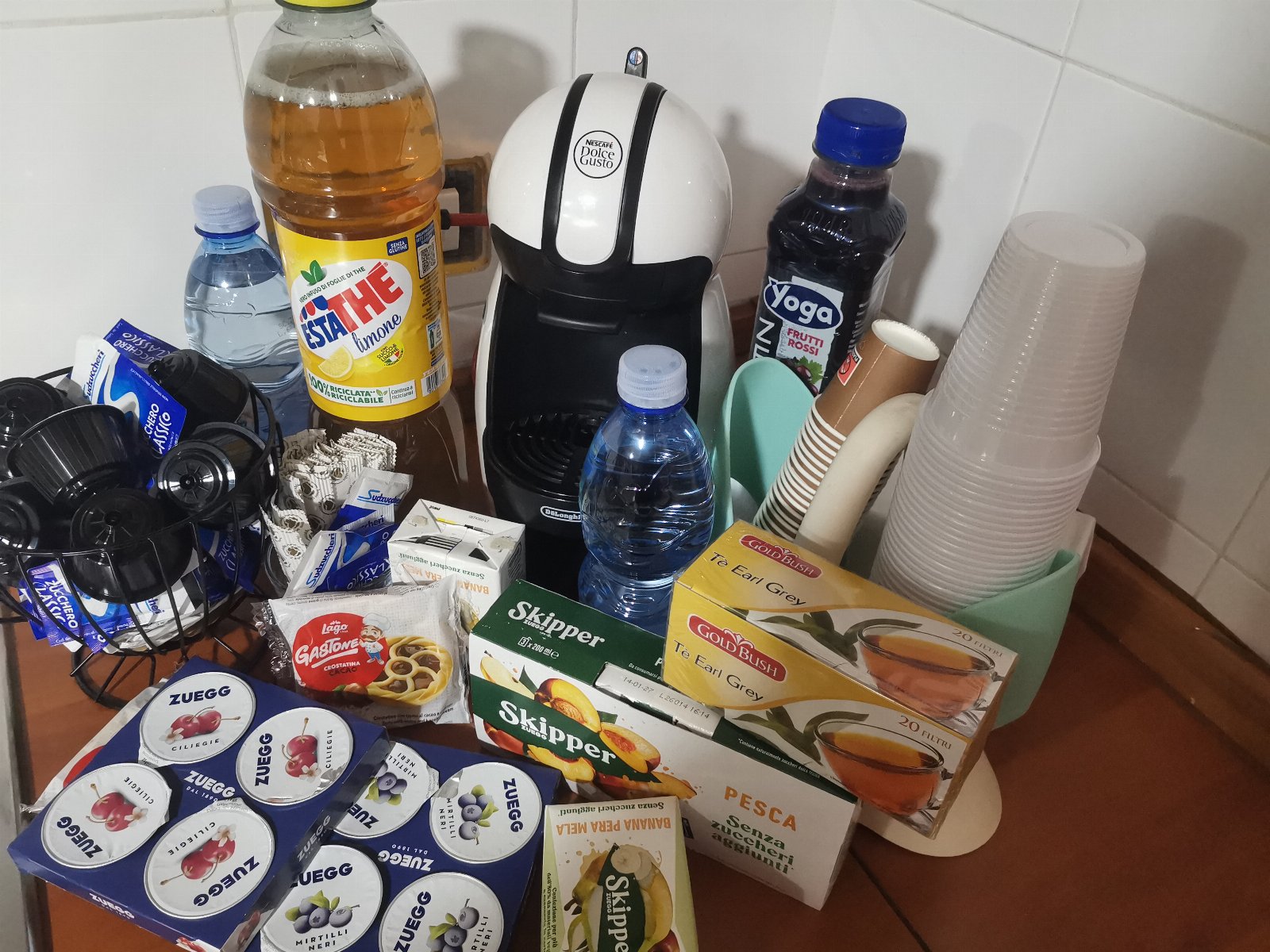
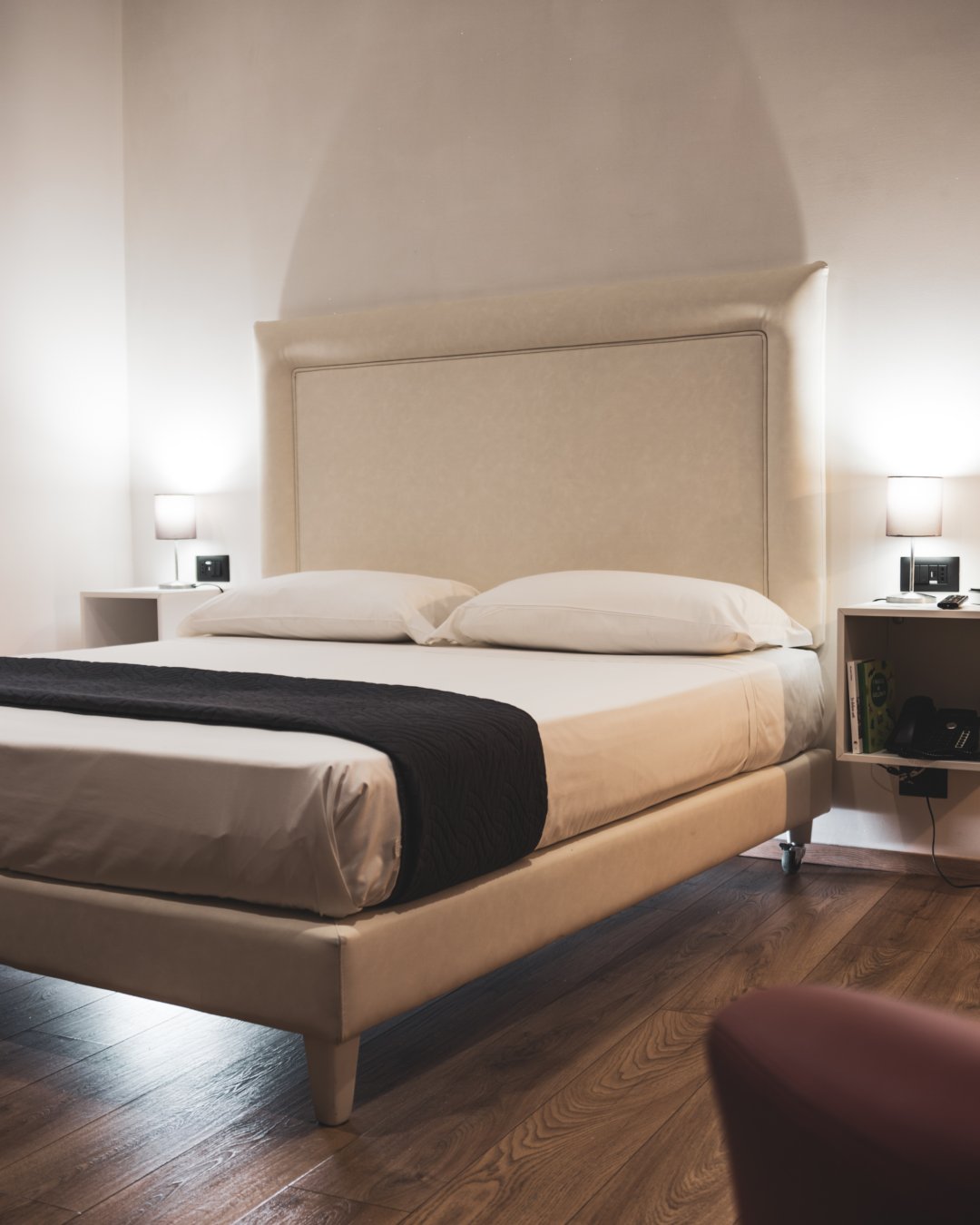
Whether you are looking for a luxury suite, a family-friendly apartment, or a traditional countryside room, the local hospitality is always warm and accommodating. To make your booking process as seamless as possible, please note: A Lamezia Terme sono disponibili 3 alloggi selezionati. Scopri gli alloggi a Lamezia Terme.
How to Get There and Get Around
Lamezia Terme is arguably the most accessible city in all of Calabria. The Lamezia Terme International Airport (SUF) is the primary aviation hub for the region, welcoming dozens of daily flights from major European cities and other Italian regions. From the airport, it is only a short five-minute drive or bus ride to the central train station. The Lamezia Terme Centrale railway station is a major junction on the Italian rail network, connecting the city to Rome, Naples, and Milan via high-speed Frecciarossa and Italo trains, making it incredibly easy to reach by land.
Once you have arrived, getting around requires a bit of planning. While there are local municipal buses that connect the three main districts of Nicastro, Sambiase, and Sant'Eufemia, the schedules can sometimes be irregular. For this reason, renting a car is highly recommended. Having your own vehicle not only makes navigating the sprawling city much easier, but it also gives you the absolute freedom to explore the hidden beaches, mountain villages, and national parks that make Calabria so special. Car rental agencies are conveniently located right at the airport terminal.
When to Go: Climate and Events
Lamezia Terme enjoys a classic Mediterranean climate, making it a fantastic year-round destination. Summers (July and August) are typically hot and dry, with temperatures often exceeding 30 degrees Celsius (86 degrees Fahrenheit). This is the peak season for beachgoers and kitesurfers, and the coastal areas are bustling with energy. However, if you prefer to avoid the intense heat and the summer crowds, the shoulder seasons are highly recommended.
Spring (May and June) and early Autumn (September and October) are arguably the best times to visit. During these months, the weather is pleasantly warm, the sea is still comfortable for swimming, and the natural landscapes are either blooming with spring flowers or displaying beautiful autumn colors. These seasons are perfect for hiking, exploring archaeological sites without overheating, and enjoying outdoor dining. Winter is mild, though it can be rainy, making it a great time to focus on museums, historical tours, and soaking in the hot thermal baths of Caronte. Whenever you choose to visit, Lamezia Terme promises a rich, authentic, and deeply rewarding Calabrian adventure.